REVIEW · WINDHOEK
Windhoek: City and Township Tour
Book on GetYourGuide →Operated by Lark Journeys Namibia · Bookable on GetYourGuide
Windhoek changes fast when you cross town. This half-day tour pairs classic sights in the city center with a real look at Katutura, so you don’t just see Namibia from the postcard side. You ride in a small group, and the city portion is done as Namibia’s first zero-emission Windhoek City Tour.
I love the balance: you get the big-picture landmarks like Christuskirche and Alte Feste, then you shift into everyday life with a market stop and kapana tasting. It’s the kind of mix that helps you connect what you’re seeing to how people actually live here.
The main drawback to plan around is time. With only 4 hours, you’ll get strong highlights, not long hangs, and food is limited to tastings rather than a full meal.
In This Review
- Key points I’d treat as priorities
- Price and Logistics: Why $40 Feels Fair for This Mix
- First Impressions in Windhoek: How the Route Gives You Context Fast
- City Core Stops: Christuskirche and Alte Feste in the Right Time Slots
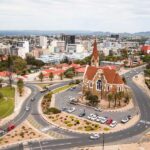
- Christuskirche (Christ Church)
- Alte Feste (Old Fort)
- The Parliament Area and Independence Museum: Government Sights With Human Scale
- Independence Museum
- Parliament Gardens and the Houses of Parliament
- The Short Stops That Make the Day Feel Real: Old Railway Station, Craft Center, Hochland Park
- Katutura Township Visit: Understanding Everyday Life Without Turning It Into a Show
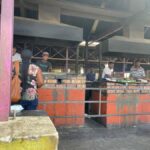
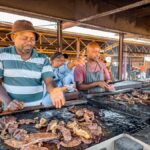
- Single Quarters Market and Kapana Tasting: The Best 45 Minutes of the Tour
- Arts & Crafts Market Time: Tangible Souvenirs Without the Hard Sell
- Community Empowerment Project: Where the Story Becomes Practical
- How the Tour Runs in Real Life: Pace, Group Size, and Guide Interaction
- What I’d Pack and How I’d Prepare (So You Enjoy Every Stop)
- Who This Tour Fits Best
- Should You Book the Windhoek City and Katutura Township Tour?
- FAQ
- How long is the Windhoek: City and Township Tour?
- What is the price per person?
- Does the tour include hotel pickup and drop-off?
- What places will we see in central Windhoek?
- Do we get any food on the tour?
- Is the township visit part of Katutura?
- How big is the group?
- What language is the tour guide?
Key points I’d treat as priorities
- Zero-emission city transport during the Windhoek portion of the day
- Historic anchors in a compact route: Christuskirche and Alte Feste
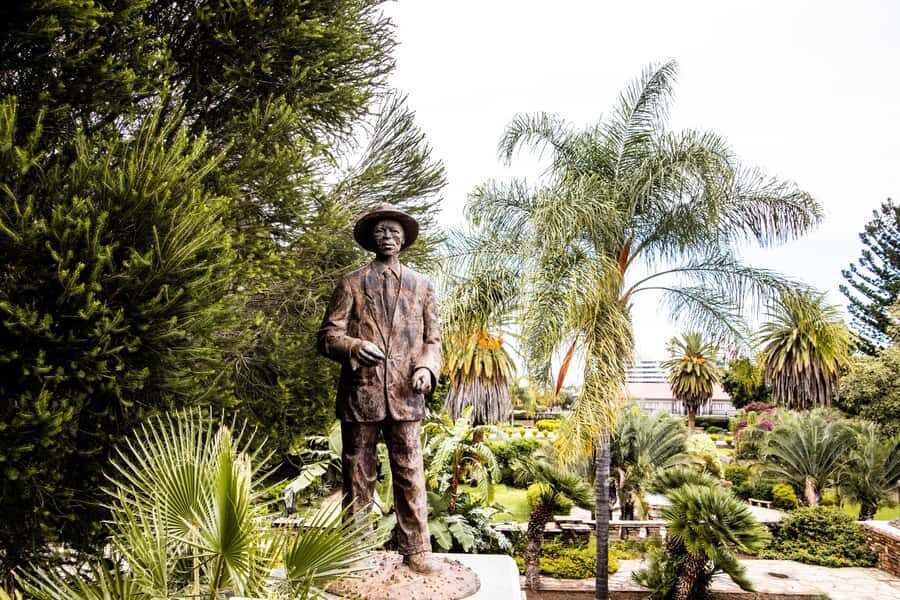
- Parliament area photo stops around the National Assembly and Parliament Gardens
- Katutura Single Quarters market with kapana tasting
- A community empowerment project visit tied to local women’s work (often including Penduka)
- Hotel pickup and drop-off plus a small group capped at 7
Price and Logistics: Why $40 Feels Fair for This Mix
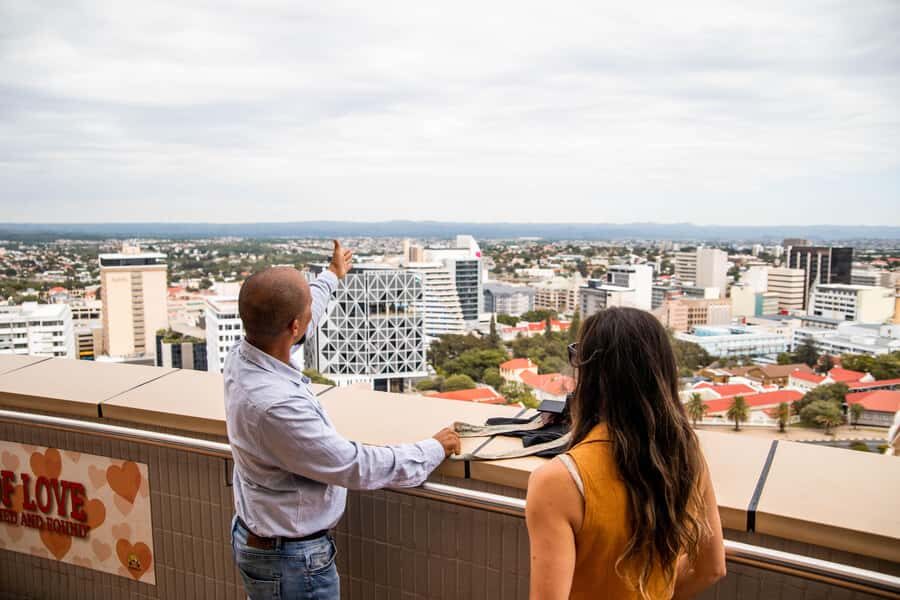
At $40 per person for 4 hours, this isn’t the kind of tour where you’re paying only for a drive. You’re getting structured stops across Windhoek’s city core and Katutura, plus hotel pickup and drop-off, and local food tastings at the markets. That bundle matters in Windhoek, where spacing between sights can be a lot bigger than it looks on a map.
The small group cap (up to 7 participants) is also a practical advantage. You get more back-and-forth with the guide, and the pace stays manageable for questions—especially during the township portion, where context really changes how you read what you’re seeing.
One thing to know up front: food and drinks are not provided beyond tastings. So if you’re someone who needs a full sit-down meal, plan to eat after the tour.
You can also read our reviews of more city tours in Windhoek
First Impressions in Windhoek: How the Route Gives You Context Fast
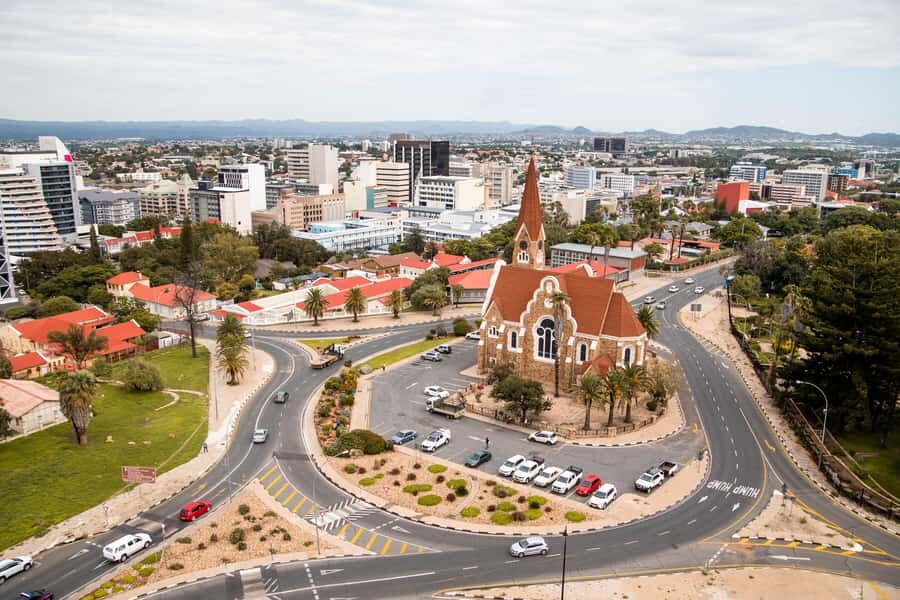
This tour is built around orientation. You start in central Windhoek, where you’ll see government and heritage landmarks, and then you head outward to Katutura, where the story becomes personal and day-to-day.
That order is smart. If you go township-first, the city can feel confusing. If you go city-first, the township visit lands with more meaning because you’ve already seen how Windhoek’s history and power centers shaped modern life.
A big plus here is that the guide brings real local perspective. Multiple guides are mentioned in bookings, but Petrus is the name that comes up again and again, with praise for being patient, answering questions, and explaining things clearly from firsthand experience.
City Core Stops: Christuskirche and Alte Feste in the Right Time Slots
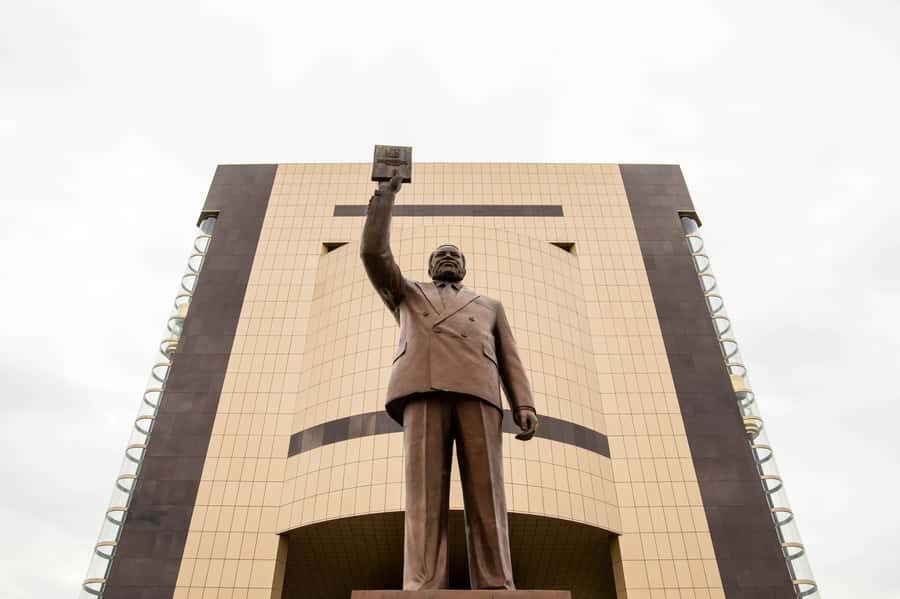
You’ll spend short, focused chunks at key landmarks, not wandering for hours.
Christuskirche (Christ Church)
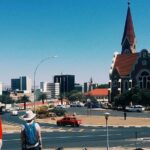
The visit is brief (about 15 minutes), but it’s timed well for a quick “get your bearings” moment. This is one of those places where the architecture and the setting help you feel the older layers of Windhoek without needing a long museum session.
Practical tip: Use this stop to ask your guide what to look for—church buildings often have details that make sense only when someone explains the local context.
Alte Feste (Old Fort)
Then you move to Alte Feste, another 15-minute stop that works as a history anchor. Old forts and colonial-era sites can feel like “static stone” if you don’t have explanation. With a live guide, you get the story fast and you can connect the building to the wider Namibia timeline.
If you like photos, this is one of your best opportunities because it gives both structure and atmosphere, which is exactly what you want at the halfway point of the city drive.



The Parliament Area and Independence Museum: Government Sights With Human Scale

The route doesn’t stop at just monuments. It also gives you a sense of how Namibia’s civic identity is presented.
Independence Museum
You’ll have around 20 minutes here. That’s enough time to absorb the core narrative without getting stuck in a museum marathon. Expect the guide to connect national history to what you’re seeing outside the walls.
Parliament Gardens and the Houses of Parliament
You’ll also stop at Parliament Gardens (about 10 minutes) and take in the Houses of Parliament–National Assembly area. Even with limited time, this is valuable because it puts a face on the country’s present: not just what happened in the past, but what institutions look like today.
Why it matters: When you later reach the township and hear about everyday realities, you’ll better understand the difference between policy, power, and personal life.
The Short Stops That Make the Day Feel Real: Old Railway Station, Craft Center, Hochland Park
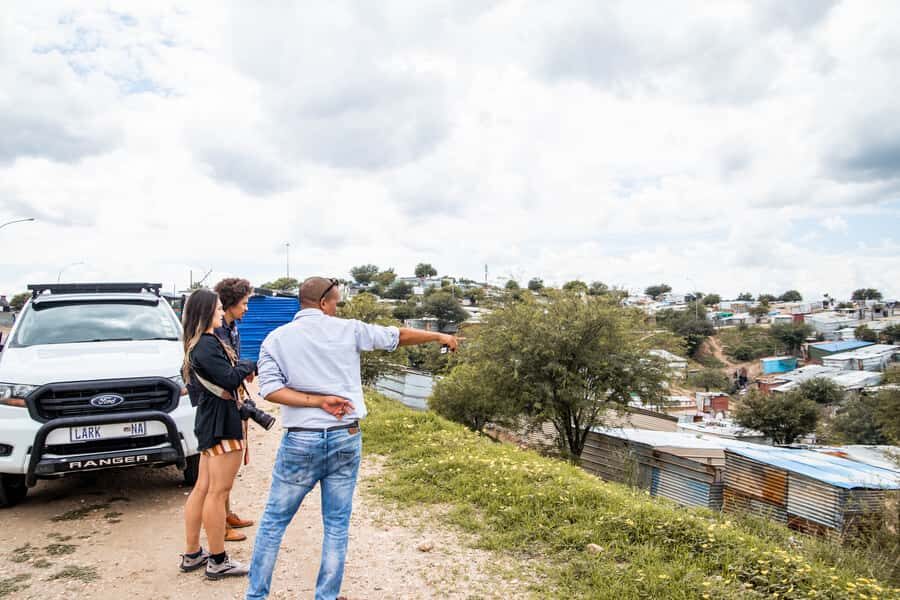
Not every highlight is a famous landmark. Some are the “small stops” that quietly add texture.
You can expect stops in the city area such as:
- the old railway station area
- the Namibia Craft Center
- a stop at the old cemetery in Hochland Park (a standout for history lovers)
The reason I like these additions is simple: they pull Windhoek out of one-dimensional tourism. A craft center stop tells you what local makers are doing now. A cemetery stop adds emotional weight and continuity—history that sits quietly in everyday spaces.
Practical tip: If you’re the type who loves photos, keep your camera ready for these quieter pauses. You’ll get fewer chances later once you’re in market noise.
Katutura Township Visit: Understanding Everyday Life Without Turning It Into a Show
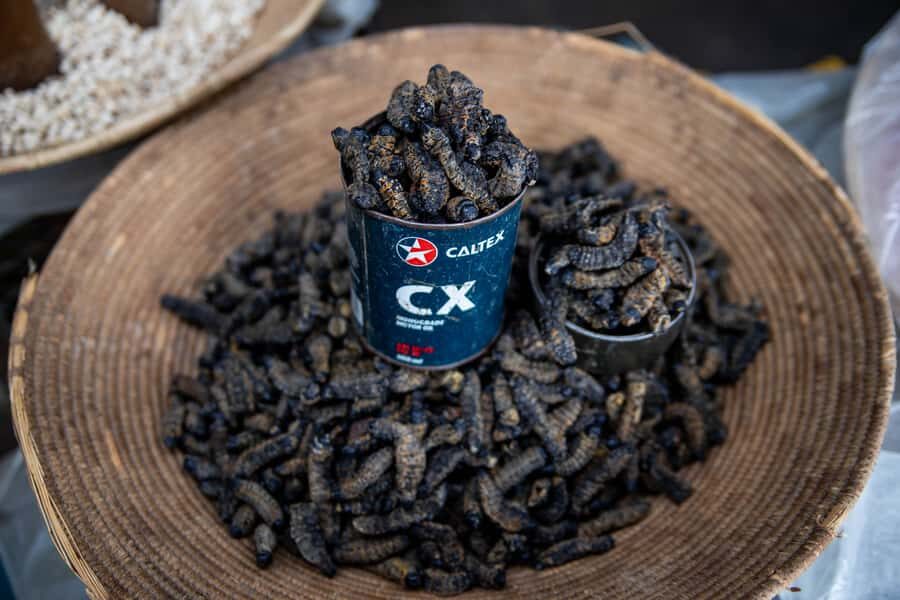
The Katutura section is the part most people remember, and it’s handled in a way that feels more respectful than many quick township tours. You go to Katutura, Windhoek’s largest suburb, where multiple cultural groups live side by side.
This isn’t a “look and leave” stop. You get time to actually see community life and you meet the idea of empowerment through projects, not just words.
A key practical thing: you’re with a guide who can explain what you’re seeing as you see it. That changes everything—otherwise, township visits can turn into a confusing blur of streets, faces, and questions you don’t know how to ask.
Single Quarters Market and Kapana Tasting: The Best 45 Minutes of the Tour
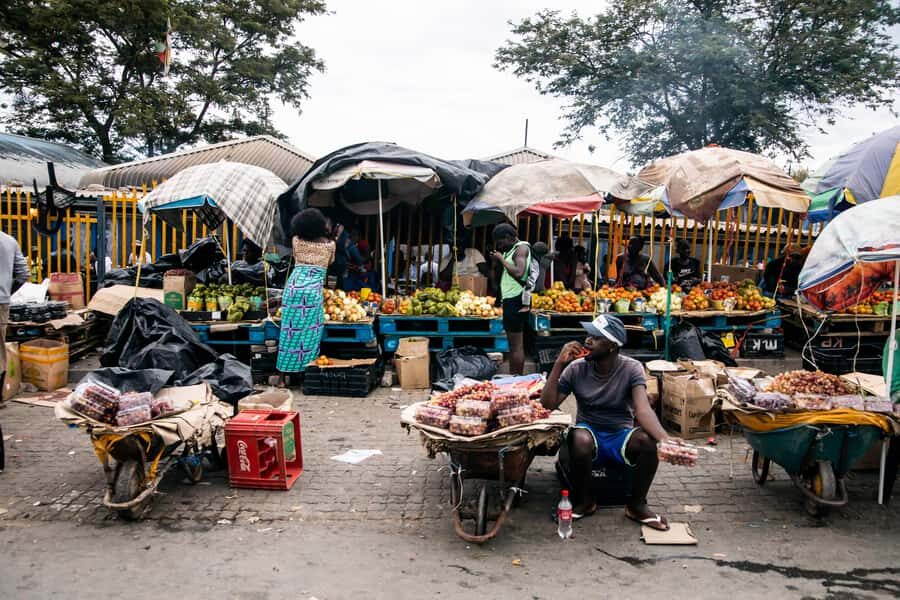
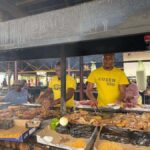
Your food tasting happens at an open market stop (about 45 minutes). This is where you’ll try kapana, Namibia’s grilled beef street-style dish, typically served with tomato salsa and fat cakes (served by local vendors during the tasting).
This market stop is one of the highest-hit parts of the experience because it gives you something immediate and enjoyable. Food has a way of disarming tension and making conversations easier.
What to expect: You’ll move through a lively market setting and sample local delicacies as part of the tour experience.
Practical tip: Since food and drinks beyond tastings aren’t included, plan to handle your own water or a full meal later if you’re hungry after the tasting.
Arts & Crafts Market Time: Tangible Souvenirs Without the Hard Sell
After the market tasting, you head into an arts & crafts market visit in Katutura (about 30 minutes). This is your chance to slow down a bit, talk to makers, and buy something small and meaningful if you want.
I like this portion because it’s not just shopping time. With a guide, it becomes part of understanding the local economy and how creativity ties into daily life.
If you’re worried about feeling pressured to buy, don’t be. The best way to handle markets is to treat them like conversations: look first, ask a question, then decide if you want anything.
Community Empowerment Project: Where the Story Becomes Practical
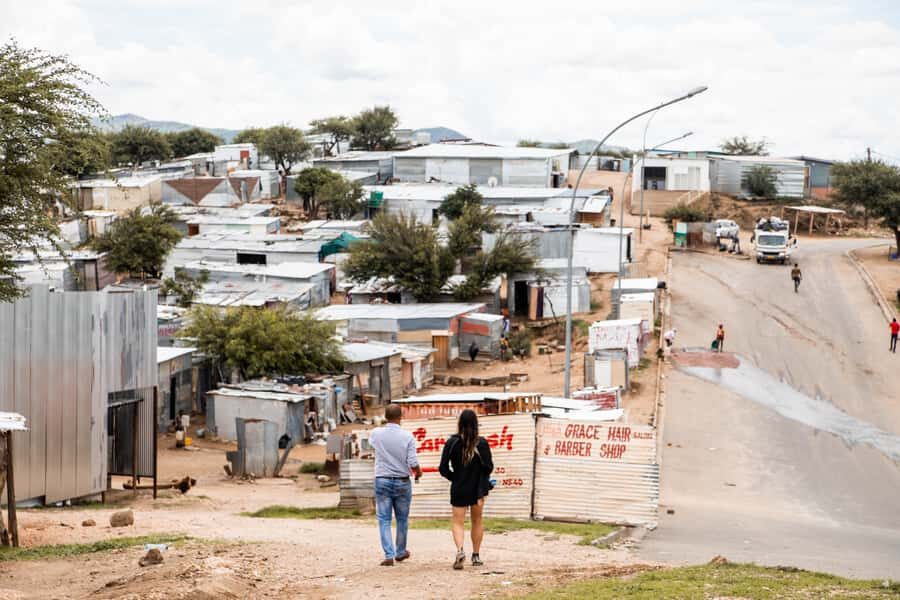
One of the strongest elements is the stop at a community empowerment project. This shifts the township visit from observation to understanding. Instead of only seeing challenges, you also see efforts that support people and build skills.
In the bookings I reviewed, this portion often includes women-focused work and is associated with the Penduka community project (sometimes spelled similarly). You may also hear references to a women’s craft shop inside this kind of empowerment stop.
Why this matters for you: It gives you a more balanced mental picture. You come away with fewer stereotypes and more specifics about local initiative.
And yes, it can feel emotional, but it’s also empowering in the real-world sense—this is about what people are doing right now.
How the Tour Runs in Real Life: Pace, Group Size, and Guide Interaction
The tour is English-language with a live guide, and you’re in a small group capped at 7. That sounds minor until you’re actually in the car with other people. Smaller groups mean you can ask questions without waiting for a microphone and without feeling like you’re holding up a bus full of strangers.
Timings are also built around short stops:
- city sights tend to be around 10–20 minutes each
- markets are longer (45 minutes for food tasting, 30 minutes for crafts)
Good to know: This makes it a tour for momentum, not for lingering. If you love slow travel, you may want to plan an extra afternoon later to revisit the market area or a museum on your own.
What I’d Pack and How I’d Prepare (So You Enjoy Every Stop)
You don’t need anything fancy. You do need to be ready for two different modes: city landmarks and market streets.
Here’s what tends to help:
- Comfortable shoes for market walking
- A camera ready for churches, forts, and parliament-area views
- A plan for hydration, since drinks aren’t included beyond tastings
- Cash or card readiness for anything you want to buy at craft stalls (food and drinks aren’t provided as a full meal)
If you’re visiting as a first-time Windhoek traveler, this tour also works well for getting your bearings before you start choosing where to spend the rest of your time.
Who This Tour Fits Best
This is a good match if you want:
- History and civic landmarks without spending your whole day inside museums
- A township visit that includes context, not just a photo stop
- Market time with actual food tasting, not only window shopping
- A guide with enough communication skill to handle questions as you go
It’s likely less ideal if you:
- hate structured itineraries and prefer open-ended wandering
- need a full meal experience during the tour
- want long time at fewer locations
Should You Book the Windhoek City and Katutura Township Tour?
Yes, I’d book it if you want a fast, well-paced orientation to Windhoek that also respects the human side of the city through Katutura and a community empowerment stop. The small group size, hotel pickup, and kapana tasting make it feel like more than a sightseeing loop.
I’d think twice only if you’re sensitive to short stops and want longer stays, or if you’re looking for a tour where food and drinks are fully handled. If that’s you, treat this as a “high-impact half-day” and plan your meals separately.
If you decide to go, consider asking for a guide like Petrus. The name shows up repeatedly with praise for clear explanations and thoughtful handling of questions, which is exactly what makes this kind of itinerary work.
FAQ
How long is the Windhoek: City and Township Tour?
It lasts 4 hours.
What is the price per person?
The price is $40 per person.
Does the tour include hotel pickup and drop-off?
Yes. Pickup and drop-off are included from your accommodation in Windhoek.
What places will we see in central Windhoek?
You’ll visit stops such as Christuskirche (Christ Church), Alte Feste (Old Fort), Parliament Gardens, and other central highlights.
Do we get any food on the tour?
You get local food tastings. Food and drinks beyond tastings are not included.
Is the township visit part of Katutura?
Yes. The tour includes a visit to Katutura and a community empowerment project stop.
How big is the group?
The group is small, limited to 7 participants.
What language is the tour guide?
The live tour guide speaks English.