REVIEW · WINDHOEK
Kapana & Traditional Food Tour; A Namibian Experience
Book on GetYourGuide →Operated by Oombe Tours Transfer and Car Hire cc · Bookable on GetYourGuide
Kapana is the fastest way to understand Namibian street food. This 4-hour tour sends you from Windhoek Central to a township area for open-fire grilled Kapana, then keeps going with a traditional food lunch at a local restaurant. I especially like how the guides explain what you’re eating, and in past tours names like Helena, Victoria, Vicky, and Aune have shown up in the mix—friendly, chatty, and ready to answer questions. One thing to consider: this isn’t a vegetarian-friendly plan, and you should be ready for strong flavors and spicy add-ons.
The social part is real too. You’ll eat where the food is being cooked in front of you, with the kind of back-and-forth you only get when you’re sharing a meal in the local rhythm, not behind a restaurant menu. The tour also includes mineral water, but beverages aren’t included, so plan your drinks budget if you like something besides water.
In This Review
- Key Things You’ll Remember About Kapana in Windhoek
- Open-Fire Kapana Is the Star, Not a Side Quest
- From Windhoek Central to Single Quarter: Getting There Matters
- Oshetu Market Stop: Where the Food Story Starts
- Watching Kapana Cook: The Smell, the Sizzle, the Choices
- How Kapana Tastes: Spices, Pap, and Kapana Sauce
- The Guides Make It Educational (Without Turning It Into a Lecture)
- Traditional Lunch After Kapana: More Than a Full Stop
- Social Food Culture: Eating Like You Belong for a Few Hours
- Price and Value for $50 Per Person
- Practical Tips: What to Bring and What to Expect
- Who Should Book This Tour
- Quick FAQ Before You Decide
- FAQ
- How long is the Kapana & Traditional Food Tour?
- What does the $50 per person price include?
- Are beverages included?
- Is the tour suitable for vegetarians?
- Will I be picked up from my hotel in Windhoek?
- Are drones allowed during the tour?
- Should You Book This Kapana and Traditional Food Tour?
Key Things You’ll Remember About Kapana in Windhoek
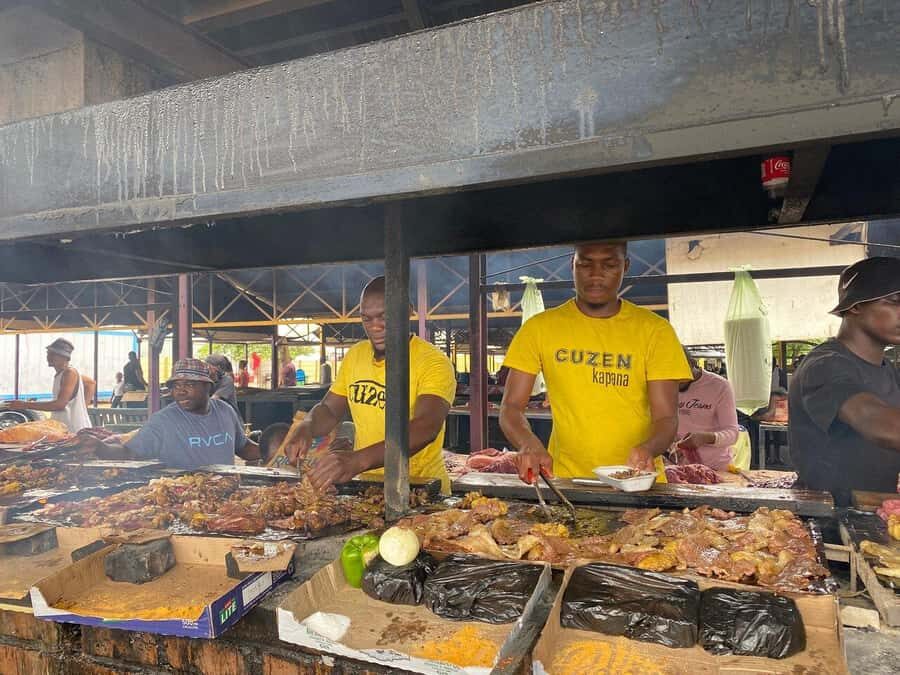
- Open-fire Kapana grilled as it cooks, with beef cut into small pieces for fast, smoky bites
- Market time in and around Oshetu Local Market, where you can see the flow of local food life
- Spice + sauce combos like chili-seasoned meat and the tomato-onion Kapana sauce
- Helpful guides who slow down to explain ingredients and meal traditions (Helena and Vicky have been especially praised)
- Generous portions at the traditional restaurant, so you may need to choose rather than try everything
Open-Fire Kapana Is the Star, Not a Side Quest
Kapana is grilled beef cut into small pieces and cooked over an open flame, then sold hot as it cooks. It’s the kind of food that doesn’t need much explaining once you see it: meat meets heat, you get the smoke, and you start building a plate with whatever condiments and sides the stall offers.
What I like about this tour is that it doesn’t treat Kapana like a quick photo stop. You get time in the food zone, and the guides help you understand what’s going on—how the meat is prepared, how spices are used, and how the different sauces change the bite.
You can also read our reviews of more tours and experiences in Windhoek.


From Windhoek Central to Single Quarter: Getting There Matters
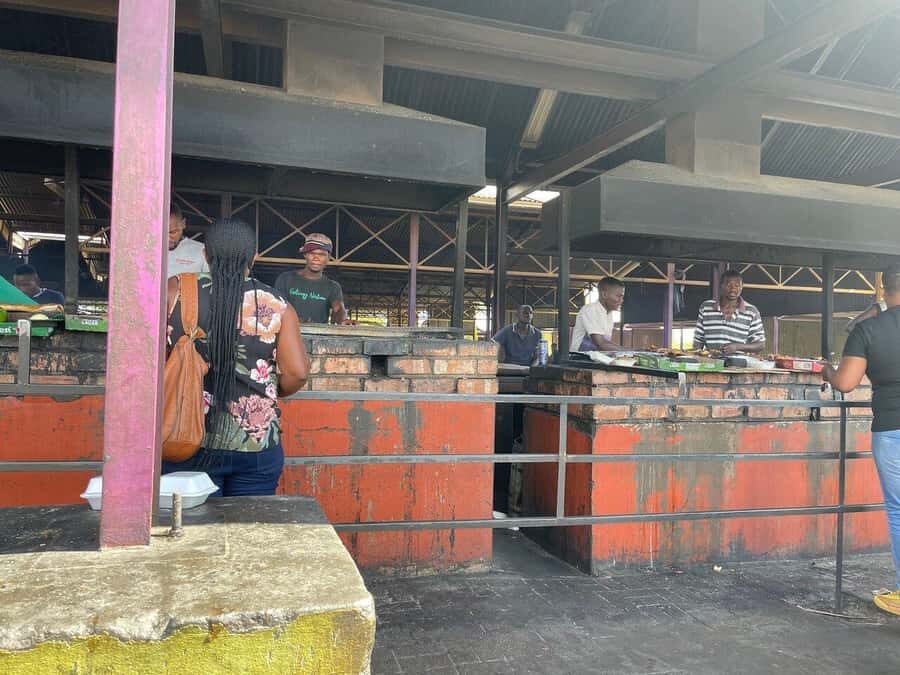
Pickup is from Windhoek Central, with the driver meeting you at your hotel or accommodation location. That matters in Windhoek because you’re not just staying in the city center; you’re heading toward the township area of Single Quarter for the Kapana portion.
You’ll have transport during the tour, and the driver speaks English. With a private group setup, you can usually move at the pace of your questions, not just a fixed script.
Oshetu Market Stop: Where the Food Story Starts
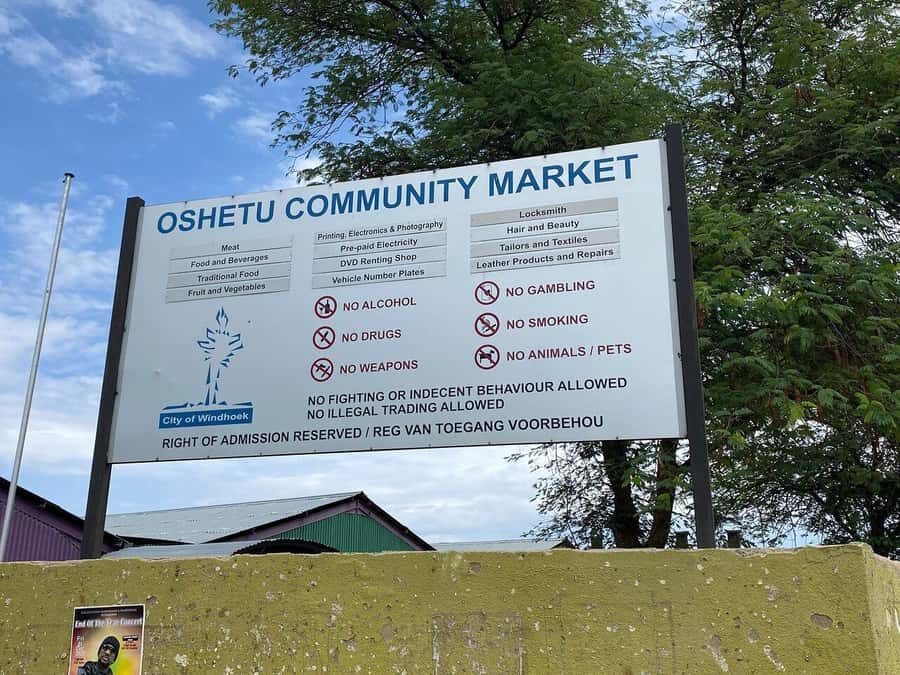
After the Kapana session, the tour returns from Oshetu Local Market to a local restaurant for traditional lunch. Even if you’re not a big shopper, a market stop is where you start seeing how food connects to daily life: the rhythm of people, the practical food choices, and the fact that meals are built from what’s available and what’s fresh.
This is also a good moment to get your bearings. If you want to photograph without feeling rushed, this is the better time to do it. Just remember: the tour doesn’t allow drones, so use your camera like a pro with what you’re allowed to carry.
Watching Kapana Cook: The Smell, the Sizzle, the Choices
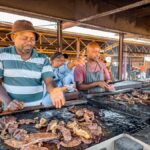
Here’s what you’re actually walking into: street-side grilling where vendors cook Kapana over open flames. The beef is cut into bite-size pieces and seasoned, then grilled until it’s ready to eat—so the aroma comes before the food is even fully served.
A big part of the experience is the interactive vibe. You may be able to choose how you want your portion and ask about spice levels or add-ons. Even if you don’t change the cooking, the guide can help you interpret what you’re seeing and what to expect when you take the first bite.
How Kapana Tastes: Spices, Pap, and Kapana Sauce
Kapana isn’t just meat. It’s meat plus the condiments that make it feel complete. Based on what’s been described, you’ll often see:
- Kapana sauce, a tomato-onion relish style condiment
- Pap, a porridge side (thick and filling)
- Hot chili options if you like heat
Spices are part of the point. Many versions come with chili flakes, salt, pepper, and other local seasonings, so you get a smoky grilled base with a kick that builds as you go.
One practical note: because the tour focuses on tastings and sampling, you can end up wanting to try multiple combos. Go slow at the start so the flavors stay fun, not overwhelming.


The Guides Make It Educational (Without Turning It Into a Lecture)
The quality of the guidance shows up again and again in how people describe the tour. Guides like Helena have taken time to explain common meal ingredients—how they’re used and what to look for on the plate. In other cases, guides including Victoria, Vicky, and Aune are praised for being engaging meal companions.
That matters because street food can be confusing if you’re guessing. When someone helps you understand the role of pap, the difference a sauce makes, or why a spice mix tastes the way it does, you stop feeling like you’re just buying food and start actually tasting with context.
Traditional Lunch After Kapana: More Than a Full Stop
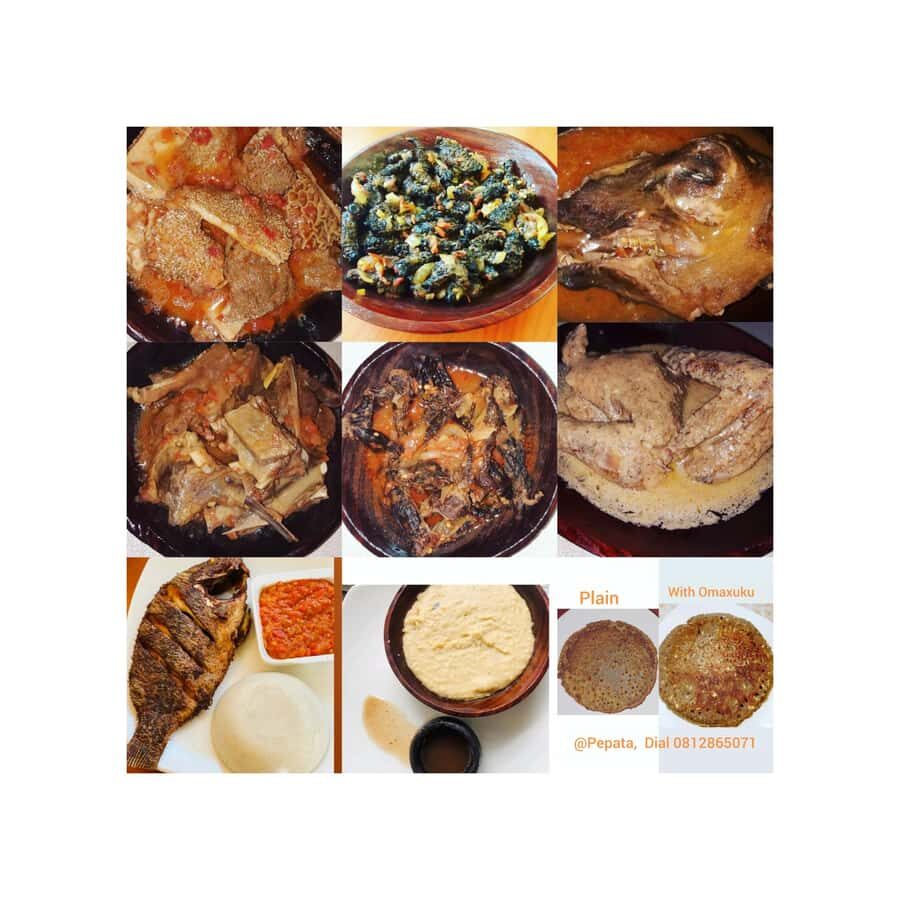
Once you’ve had Kapana, you head to a local restaurant for traditional food. This is where the tour adds depth: you don’t just eat street food, you also shift into a sit-down meal that continues the flavor journey.
Portion sizes are described as generous, which is important for your expectations. You’ll probably want to pick a few items and savor them rather than treating the menu like a competition.
Social Food Culture: Eating Like You Belong for a Few Hours
Kapana is communal by nature. It’s the kind of food people share while talking—friends and families gathering around a grill and eating hot from the action.
This tour leans into that social side. Even in a private group setting, the structure is built around interaction: you’re watching cooking, learning what you’re eating, and then sitting down to traditional dishes right after. If you enjoy conversation with your guide and don’t mind being part of a more local-feeling moment, you’ll likely have a great time.
Price and Value for $50 Per Person
At $50 per person for about 4 hours, the headline value is that you’re paying for the whole chain: hotel pickup/drop-off, transport, the Kapana portion, the traditional food meal, and mineral water.
If you tried to do this yourself, you’d still spend money on transport and time finding the right place to eat safely and comfortably. Here, the tour handles the driving and the food coordination so you can focus on eating and learning.
Also, it’s private-group style. That means you’re not stuck in a large herd if you prefer a quieter, question-friendly experience.
Practical Tips: What to Bring and What to Expect
Bring cash and your camera. Cash matters because market-style food and small purchases can be easier to handle that way, and you may want to buy extras or condiments depending on what’s offered.
Plan for spice. Even if you don’t go for the hottest options, Kapana seasoning can be bold, and the sauces can add extra heat. If you know you’re sensitive to chili, tell your guide early so you can steer your portion choices.
And again: it’s not suitable for vegetarians. The core experience is grilled beef Kapana, followed by additional traditional dishes.
Who Should Book This Tour
This is a great fit if you:
- Want one of the most iconic Namibian street foods in a guided, well-paced format
- Like learning what ingredients mean, not just eating a meal on the go
- Enjoy social food culture and conversation with a local guide
- Prefer not to arrange transport yourself, especially when heading into township areas
If you’re looking for a quiet, slow museum-style outing, this won’t be your vibe. This is a food-first plan with movement, eating, and interaction.
Quick FAQ Before You Decide
FAQ
How long is the Kapana & Traditional Food Tour?
The tour lasts 4 hours.
What does the $50 per person price include?
It includes transport during the tour, pick up and drop off, gas/petrol, Kapana, traditional food, and mineral water.
Are beverages included?
No. Any beverages are not included.
Is the tour suitable for vegetarians?
No, it is not suitable for vegetarians.
Will I be picked up from my hotel in Windhoek?
Yes. Pickup is from your accommodation/hotel, and the driver will find you at your hotel or reception.
Are drones allowed during the tour?
No. Drones are not allowed.
Should You Book This Kapana and Traditional Food Tour?
If you want a serious Windhoek food experience without turning it into a DIY puzzle, book it. The value is in the mix: open-fire Kapana, time around the market area, and a traditional lunch that keeps the flavors going. Add in a private-group format with English-speaking guidance, and it becomes one of the easiest ways to eat like a local for a few focused hours.