REVIEW · WINDHOEK
11 Days Small Group Namibia Experience Fully Accommodated Tour
Book on Viator →Operated by Bluecrane Safaris Namibia · Bookable on Viator
Namibia can feel endless in the best way. This small-group, fully accommodated route strings together the country’s big hits—Kalahari, Namib dunes, Skeleton Coast, Etosha, and Okonjima—without you living out of a suitcase.
I especially like two things. First, the trip is run like a plan, not a wish list: pickup in Windhoek (typically 08:00–08:45) and lodging handled throughout. Second, the pacing gives you real time at the icons—think Dead Vlei and Etosha waterholes—instead of sprinting through photos.
One consideration: you’re signing up for long road days. Some days are heavy on driving between regions, and a couple of parts are active (like hiking Sesriem Canyon), so pack for early mornings and comfortable shoes.
In This Review
- Key highlights
- Why This Namibia Route Feels Less Like Logistics and More Like Time
- Price and What You’re Really Buying for $4,500
- Windhoek to Mariental: Starting in the Kalahari’s Quiet Red Glow
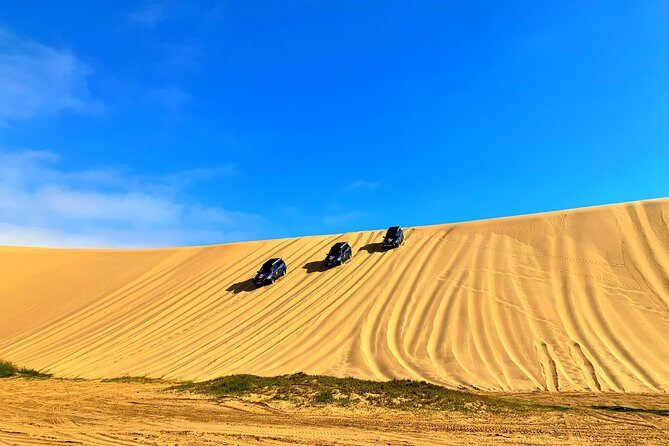
- Namib-Naukluft: Bushman Walks, Dead Vlei, Dune 45, and Sesriem Canyon
- Swakopmund and Walvis Bay: Desert-to-Sea Contrast with Real Birdwatching
- Skeleton Coast to Damaraland: Seals at Cape Cross, Stones in Uis, Rock Art at Twyfelfontein
- Palmwag: Tracking Rhinos with Local Rangers and a Lodge Built for Wildlife Encounters
- Etosha: Himba Culture, Waterholes, and Watching the Pan Turn Magical
- Okonjima and AfriCat: Cheetah Conservation Plus Education Time
- Windhoek and Okahandja: Craft Shopping with a Community Co-op Twist
- What Stands Out Most in Real Use: Guides, Pace, and Service
- Who Should Book This (and Who Might Want a Different Setup)
- Should You Book This Namibia Fully Accommodated 11-Day Tour?
- FAQ
- How many people are in this small-group tour?
- Where do you start and is pickup offered in Windhoek?
- What kind of ticket do I receive?
- What’s included in the price?
- Are meals always included every day?
- What activities might be optional during the trip?
- Which major sights are included with entry?
- Are there walking or hiking parts?
- What’s the cancellation deadline for a full refund?
- Is this tour suitable for most people?
Key highlights
- Small group size (max 7) keeps the vibe calm and makes it easier for your guide to tailor the day
- Fully accommodated stays across rondavel huts, coastal guesthouses, and park-area lodges
- Namib-Naukluft showstoppers: Dead Vlei, Dune 45, and the Sesriem Canyon hike
- Skeleton Coast real life: Cape Cross seals and the birds-and-salt atmosphere of Walvis Bay
- Etosha Pan game viewing with time at multiple waterholes and a dedicated pan visit
- Conservation + culture: Himba community visit and AfriCat education at Okonjima
Why This Namibia Route Feels Less Like Logistics and More Like Time
This 11-day itinerary is built around contrasts, and it works because each day has a clear “why.” You move from the Kalahari’s red dunes and camelthorn feel, to the Namib’s dune theatre, then to ocean air in Swakopmund, and finally into wildlife-focused areas like Palmwag and Etosha.
The small-group format (up to 7 people) matters more than it sounds. Fewer people means fewer delays, better chances to adjust timing when road conditions change, and more actual conversation with your guide.
It also helps that the tour is fully accommodated, so you’re not constantly checking schedules, finding meals, or worrying about where you sleep. That’s a big part of the value in a country this spread out.
You can also read our reviews of more tours and experiences in Windhoek.

Price and What You’re Really Buying for $4,500
At $4,500 per person for about 11 days, you’re paying for three things at once: transport between regions, lodging, and guided experiences. If you try to piece this together yourself, the cost often balloons once you add park-area stays, transfers, and the specialized stops (like rock art sites and guided culture visits).
Here’s what you can count on as included:
- All accommodation as listed
- Breakfast (10 breakfasts)
- Dinner (listed as included), plus mineral water on the vehicles and at all times
- Passenger liability insurance and parking fees
And what’s not included:
- Beverages and tips
- Personal insurance and personal items
- A few meals may be on your own depending on the day (Swakopmund is the big one)
So the practical question becomes: do you want your Namibia to be organized and smooth? If yes, this price starts making sense. If you want a do-it-yourself budget trip, it may feel pricey—but in Namibia, comfort and coverage aren’t cheap.
Windhoek to Mariental: Starting in the Kalahari’s Quiet Red Glow
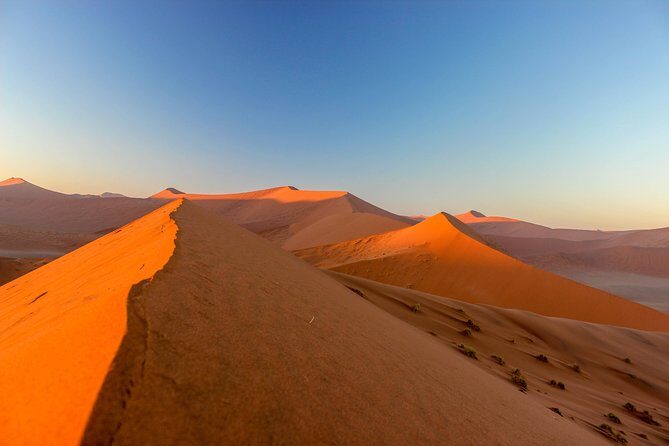
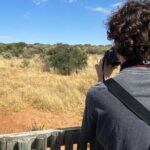
Day 1 begins with pickup in Windhoek around 08:00–08:45, then heads into the Kalahari, often misunderstood as a “true” desert. The Kalahari gets enough rain to keep it from being desert-dry in the way people expect, which shows up in the mix of red dunes, golden grass, deep blue skies, and camelthorn trees.
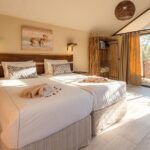
Your first lodge is set up in the middle of that world, in an area peppered with camelthorn. The standout detail here is the thatch construction and a stone pool that attracts wildlife like oryx. Accommodation is in rondavel-style thatched huts with views toward the surrounding area—perfect for an early sundowner moment when the sky goes from bright to electric.
The practical takeaway: this first night is a reset. You’ll feel the scale of Namibia quickly, and it sets expectations for the kind of days ahead.
Namib-Naukluft: Bushman Walks, Dead Vlei, Dune 45, and Sesriem Canyon
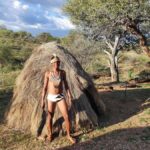
Day 2 shifts the mood. After breakfast you’ll do a walk with local bushmen in the area. It’s the kind of stop that grounds the trip in people and knowledge, not just scenery.
Then you transition from smaller dunes in the east toward the towering dunes in the west. Lunch is served along the way, and you aim to arrive at your lodge early enough to cool down and use the pool.
A key detail: the lodge may have optional activities you can book once you’re there. That flexibility is handy if you want something extra without locking your whole trip into fixed add-ons.
Day 3 is the big Namib day:
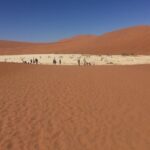
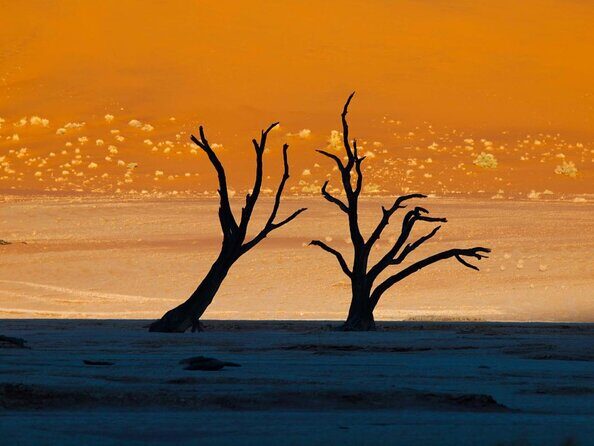
- Dead Vlei: this ancient clay pan became an oasis long ago, but the river changed course and the trees dried out without fully decomposing—so you get those blackened, dried-out tree silhouettes standing against the pan’s cracked surface. It’s one of those places where the photos look unreal because the scene is truly strange.
- Dune 45: an “elegant shape” dune known as one of the most photographed in the world. The advantage is that you can choose a gentler climb compared to the longer, steeper hikes elsewhere.
- Sesriem Canyon hike: a deep chasm carved by water and best explored on foot. The name comes from early settlers using six thongs of leather to lower buckets into the canyon water.
Practical tip: mornings can be crisp and afternoons can feel hot in the Namib sun. Bring layers, and don’t underestimate how firm sand and rocks feel underfoot after a few days of travel.
Swakopmund and Walvis Bay: Desert-to-Sea Contrast with Real Birdwatching
This is where Namibia surprises people who expect only sand. Day 4 moves from desert to the coast, crossing areas around the Tropic of Capricorn and climbing out toward the Kuiseb Canyon area.
You also stop in Walvis Bay for:
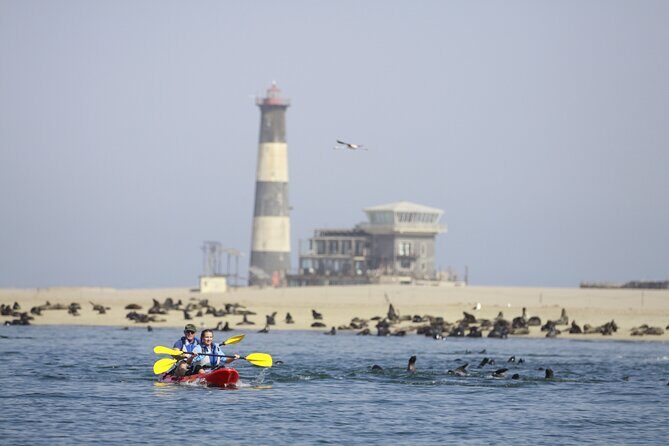
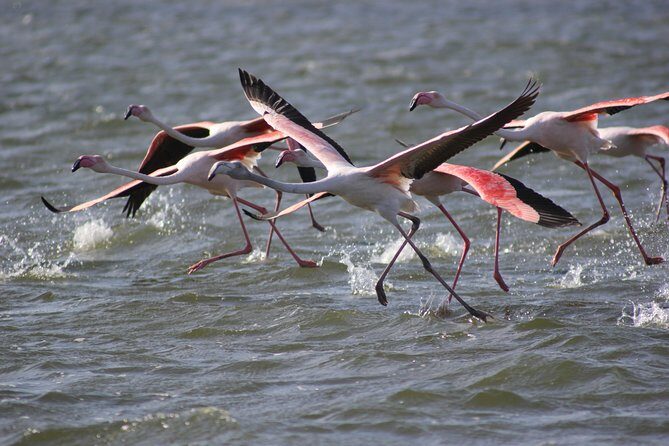
- the lagoon, rich with birdlife (including flamingos, pelicans, and other species listed)
- the salt works
From there you continue on the scenic coastal road toward Swakopmund. Dinner is at a local restaurant in Swakopmund on Day 4.
Day 5 is built for you to breathe. Swakopmund is a laid-back seaside town with German colonial architecture and lots of options. You’ll have free time to explore on your own, and your guide will explain what you can book.
Optional activities listed include:
- boat tour with oysters and champagne
- scenic flights and micro-light flights over the desert
- fishing trips
- quad-biking, sandboarding, and even skydiving
One more practical note: dinner on Day 5 is at your own expense, so plan for at least one meal budget day in town.

Skeleton Coast to Damaraland: Seals at Cape Cross, Stones in Uis, Rock Art at Twyfelfontein
Day 6 heads north along the Skeleton Coast. The day’s first emotional hit is the Cape Cross Seal Colony, where you can see roughly 80,000–100,000 Cape fur seals (not sea lions, but the guide’s wording still helps you understand what you’re looking at). You can view them from a walkway at a distance mentioned around 200 metres, which is a nice balance: close enough to feel the scale, far enough that you’re not in the animals’ space.
Next comes Uis, a mining town known for semi-precious stones. If you like crystals and want fair shopping, this is the place where you’ll see rough amethyst, tourmaline, and others mentioned.
Then you drive past the Brandberg, Namibia’s highest mountain, before reaching Twyfelfontein in the afternoon.
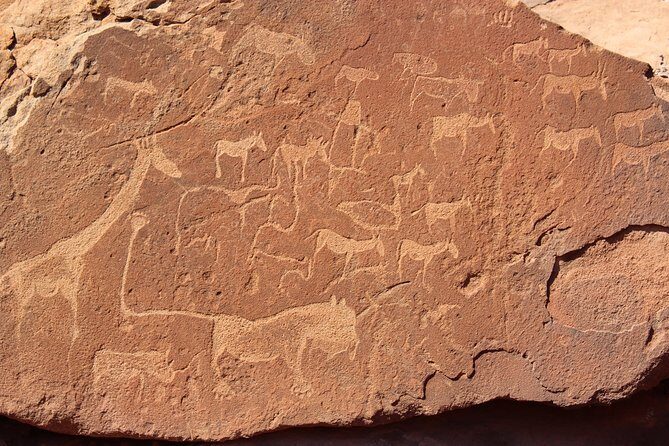
Day 6 or Day 7 (depending on timing) includes Twyfelfontein rock art, set in the Huab valley. The key story is the perennial spring that drew Stone Age hunters thousands of years ago. The area has large concentrations of rock engravings and also paintings, and it’s exactly the kind of stop where a guide helps you see more than the “wow” photos.
Palmwag: Tracking Rhinos with Local Rangers and a Lodge Built for Wildlife Encounters
Palmwag is the kind of place where the environment does the work for you. Day 7 travels toward Palmwag and includes joining local trackers from the Torra Conservancy on an afternoon desert rhino tour. This is the part of the trip where you’re actively searching rather than passively waiting.
Palmwag Lodge sits in the Palmwag Concession, along a palm-lined tributary of the Uniab River. Water is scarce, so the river’s presence can pull wildlife closer. That matters because animals often congregate where survival is easiest.
It’s also described as home to unusual palms like hyphaena pertusa. From a wildlife perspective, the reserve is noted for a strong chance of seeing south-western black rhinos, and it also mentions possible sightings of leopard, lion, cheetah, mountain zebra, Angolan giraffe, springbok, kudu, and African bush elephant.
The truth you should expect: you’re not guaranteed big cats or rhinos on every drive. But the structure of the day—local trackers, timing, and the lodge’s location—gives you better odds than a random stop with no ranger expertise.
Etosha: Himba Culture, Waterholes, and Watching the Pan Turn Magical
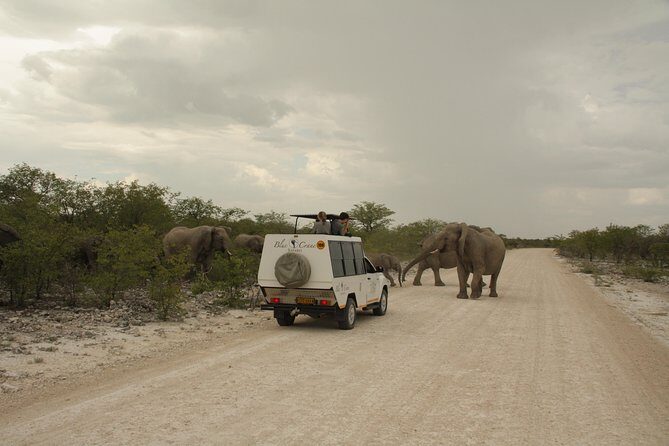
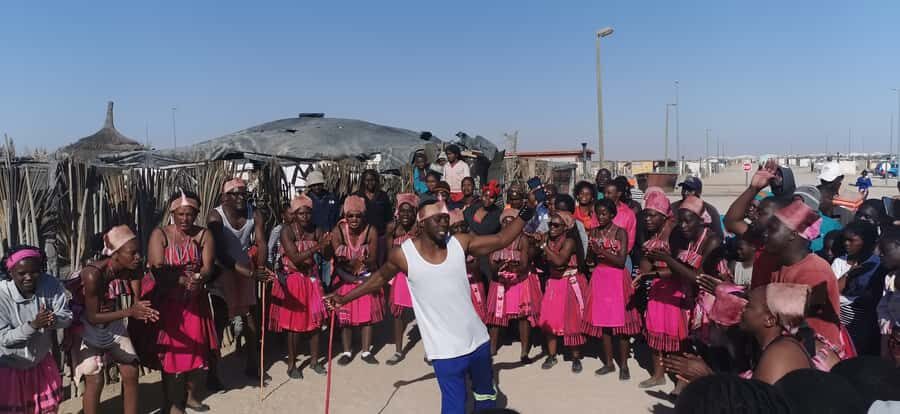
Day 8 brings you to Etosha National Park with a meaningful cultural stop first: the Otjikandero Himba Orphanage Village near Kamanjab.
This isn’t a “look from afar” scenario. You’ll have an opportunity to see Himba kids raised in the traditional way, with some slightly westernised due to schooling. The village is funded through money received from tours, used for medical purposes and basic needs, which means your visit has a direct impact.
Then you head to your lodge just outside the south gate of Etosha. If time allows, you’ll do an afternoon game drive inside the park and return before sunset.
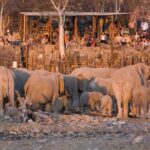
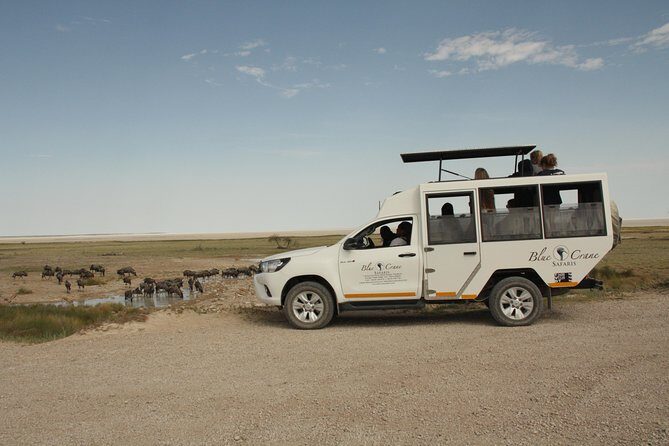
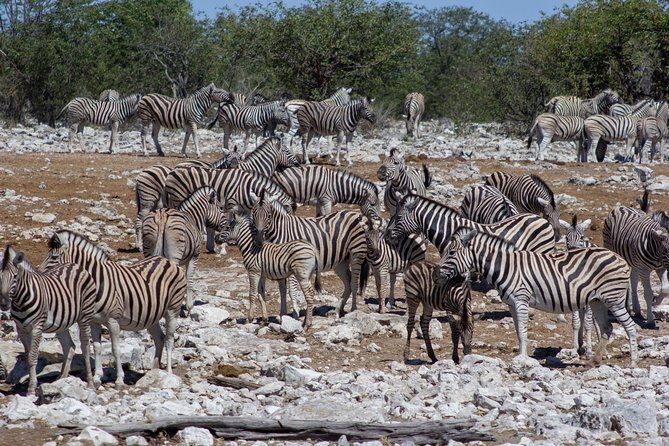
Day 9 is built around game viewing with time at multiple waterholes and a visit to the Etosha Pan—described as the “place of dry water.” When the pan is dry, it can create shimmering mirages, and that visual effect makes the whole experience feel unreal. You may stop at Halali for lunch before returning to your lodge.
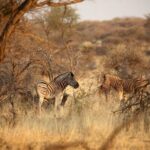
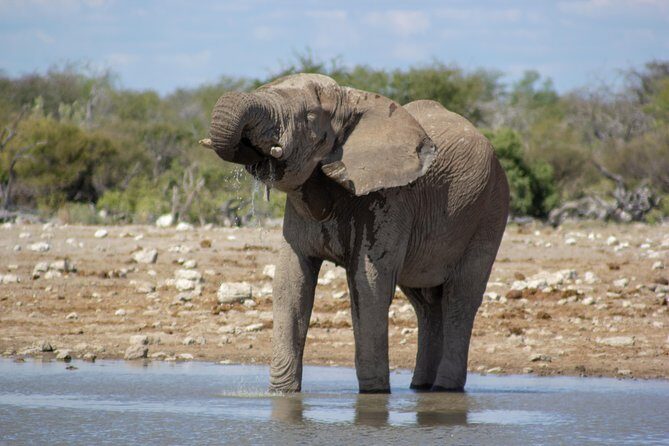
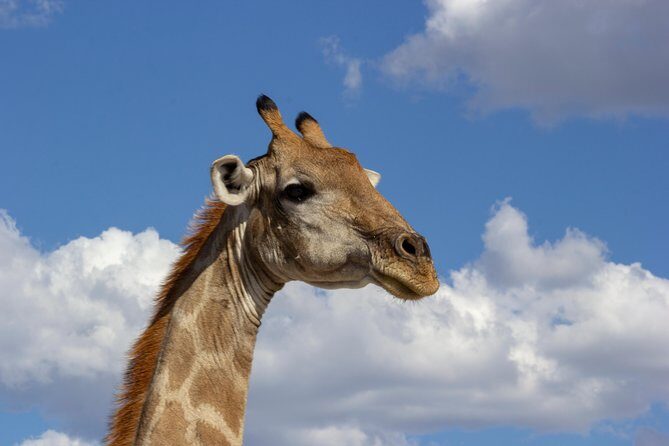
The animal list mentioned for this area includes close-up possibilities like springboks, zebras, impalas, giraffes, gemsboks, plus a lot of birds. Even if you don’t see a rare animal, this day still feels worthwhile because the park’s rhythm is what you came for.
Okonjima and AfriCat: Cheetah Conservation Plus Education Time
On Day 10 you’ll do a morning game drive before heading south closer to Windhoek. Then lunch is at Okonjima africat cheetah farm, followed by an afternoon AfriCat activity.
Okonjima is tied to The AfriCat Foundation, which focuses on long-term conservation of Namibia’s large carnivores, including brown hyaena, leopard, and cheetah. You can see these animals during an environmental education visit at Okonjima.
This is a good palate cleanser after Etosha. Etosha gives you the wild stage. Okonjima shows you the conservation work happening behind the scenes.
Windhoek and Okahandja: Craft Shopping with a Community Co-op Twist
Day 11 is the return day, but it doesn’t feel like a rushed finish. You stop in Okahandja, home to the biggest craft market in Namibia.
The stalls are operated on a co-operative basis by the local community. That’s a nice detail because it’s not just a tourist maze—it’s tied to how locals earn and share. It’s ideal for last-minute souvenirs before airport transfer or drop-off at your post-accommodation.
What Stands Out Most in Real Use: Guides, Pace, and Service
A theme that shows up again and again in feedback for this tour style is the guide team’s attention to your comfort. People name guides such as Markus, Frank, Me-gusto, and Sidney, and the common thread is that they’re responsive and keep the day moving smoothly.
In practical terms, that means:
- room assignments and timing don’t feel random
- your guide explains options without making you feel rushed
- the experience stays friendly even when the itinerary is full
Also, the tour runs with mineral water always available and handles parking fees and included meals—small things that prevent “holiday friction.”
Who Should Book This (and Who Might Want a Different Setup)
This tour is a strong fit if you:
- want a high-coverage Namibia sampler that hits dunes, ocean, culture, and wildlife
- prefer fully organized lodging over planning every overnight
- like guided stops but still want some free time in places like Swakopmund
You might want a different tour style if you:
- hate long driving days
- want guaranteed animal sightings every game drive (Etosha can be excellent, but it’s still nature)
- need very strict meal planning every single day (one Swakopmund dinner is at your own expense)
If you travel with kids, this route can work well because the group is small and guides can be patient—Sidney is specifically mentioned in family-focused feedback.
Should You Book This Namibia Fully Accommodated 11-Day Tour?
Yes—if your goal is to see the essentials of Namibia with minimal stress. The big value is the combination: small group size (max 7) plus fully accommodated stays plus a route that makes sense geographically.
Before booking, do a quick reality check:
- Budget for beverages, tips, and optional activities (Swakopmund especially)
- Pack for hikes and sand walks (Dead Vlei areas and Sesriem Canyon)
- Be ready for early starts and long travel days between regions
If you like variety—red dunes, seal colonies, rock art, rhino country, and pan-wide wildlife—this itinerary is built for you. It won’t feel like one long, repetitive safari drive. It feels like Namibia, in chapters.
FAQ
How many people are in this small-group tour?
This experience has a maximum of 7 travelers, which helps keep the day organized and personal.
Where do you start and is pickup offered in Windhoek?
The tour starts in Windhoek with pickup offered from your hotel between 08:00 and 08:45. Start time is listed as 8:00 am.
What kind of ticket do I receive?
You’ll have a mobile ticket.
What’s included in the price?
Included items are listed as: all accommodation, breakfast (10), dinner, mineral water on vehicles and at all times, passenger liability insurance, and parking fees. Some admissions for specific activities are also marked as included in the itinerary.
Are meals always included every day?
Breakfast is included as listed, and dinner is listed as included overall. However, the itinerary also notes that dinner is at the client’s own expense on the Swakopmund day.
What activities might be optional during the trip?
In Namib-Naukluft, there are optional activities you can book with the lodge. In Swakopmund, optional activities may include a boat tour with oysters and champagne, scenic flights, fishing trips, quad-biking, sandboarding, and skydiving, depending on availability.
Which major sights are included with entry?
The itinerary shows admission tickets included for several key stops, including Dead Vlei, Dune 45, Sesriem Canyon, Cape Cross Seal Colony, Twyfelfontein, Otjikandero Himba Orphanage Village, and AfriCat at Okonjima.
Are there walking or hiking parts?
Yes. The trip includes a bushman walk and a Sesriem Canyon hike. Dead Vlei and other stops also involve walking around natural sites.
What’s the cancellation deadline for a full refund?
You can cancel up to 6 days in advance for a full refund. For a full refund, cancellation must be at least 6 full days before the experience start time.
Is this tour suitable for most people?
The provided info says most travelers can participate and that it’s near public transportation.