REVIEW · WINDHOEK
Windhoek: Katutura Township Tour with Local Guide
Book on GetYourGuide →Operated by Ronpan Tours and Safari · Bookable on GetYourGuide
Township life, explained by locals. This Windhoek Katutura Township Tour turns a part of the city most visitors skip into a story you can actually follow. You’ll walk with a guide born and raised in Katutura and get personal context on forced removals and how the neighborhood built itself back.
I especially like the way the day balances people and place. The Soweto Market stop is a real highlight, with tastings that include kapana (grilled meat with local spice) plus other street-food favorites. One thing to keep in mind: pickup can be tight, and at least one booking reported waiting about 1.5 hours for the planned meeting spot—so confirm your pickup location and give yourself a little buffer.
In This Review
- Key Things You Should Know Before You Go
- Katutura With a Local Guide: What You’ll Learn on the Walk
- Soweto Market Food Stop and the Kapana Tasting
- Forced Removals, Resilience, and How the Community Rebuilt
- Community Center Visits and Meeting Local Artisans
- Stepping Into a Family Home: Daily Life From the Inside
- Price, Time, and Value for $68 Per Person
- Getting There, What to Bring, and Walking Comfort
- Should You Book This Katutura Township Tour?
- FAQ
- How long is the Katutura Township Tour?
- Where does the tour take place?
- How much does it cost?
- What’s included in the tour?
- Is kapana included?
- Is transportation included?
- What are the pickup and drop-off locations?
- What should I bring?
- Is the tour wheelchair accessible?
- Does the tour fee support community programs?
- Can I cancel for a refund?
Key Things You Should Know Before You Go

- Local, community-born guide stories: You learn through firsthand memories, not a script.
- Soweto Market food tastings: You get kapana and other local delicacies during the market walk.
- History with a living present: Forced removals are covered alongside what families built afterward.
- Community center + artisans: You’ll meet people at work, not just see crafts behind glass.
- Family home visit: You step into daily life from a local perspective.
- Mostly walking: Comfortable shoes matter because the experience is on foot.
Katutura With a Local Guide: What You’ll Learn on the Walk
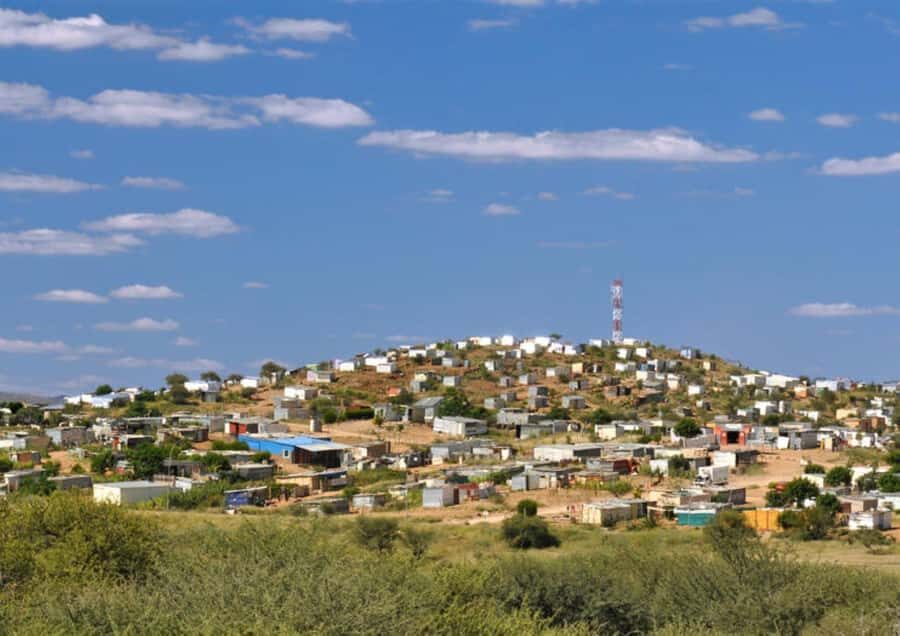
This tour works because you’re not just moving through Katutura. You’re learning how to read it. Your guide grew up here, and that changes the tone from lecture to lived-in explanation. Expect a flow of stories as you walk—what life looked like before major changes, how families adapted, and why community pride matters here.
I like that the history isn’t dumped in one block and forgotten. The forced removals topic is part of the route, but it’s tied to daily reality. That makes the bigger ideas land in your mind: displacement wasn’t just a political event. It reshaped homes, routines, and community bonds. And then you see the counterpoint, too: Katutura’s resilience isn’t a slogan; it’s visible in how people build support systems, share work, and keep culture going.
Because the tour is a private group, you can ask follow-up questions as you go. That’s useful with any history-focused route—otherwise you’re stuck saving questions for later, and later often means you forget. You’ll also have a clear guide voice in English throughout, which helps if you want to understand the why behind the what.
Practical note: this is a township walking tour. You’ll want to keep your camera ready, but also keep your attention on your guide. The best moments are the ones you understand in context, not just ones you photograph.
You can also read our reviews of more guided tours in Windhoek


Soweto Market Food Stop and the Kapana Tasting
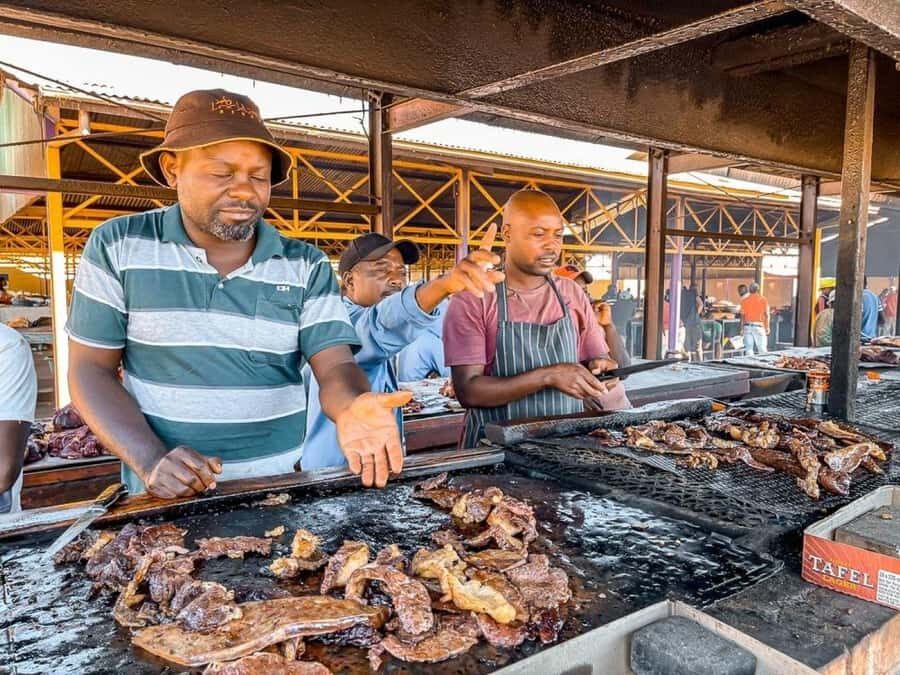
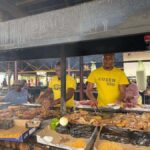
If you only care about one thing on this tour, make it the food—and specifically the market tastings. The Soweto Market stop is where the day turns sensory: you’ll meet vendors, see fresh produce, browse handcrafted goods, and hang around long enough to understand what people come to buy and sell.
Then comes the main event: kapana. It’s grilled meat cooked with local spice, and it’s the kind of food that feels both simple and specific. Simple because it’s street-grilled and meant to be eaten with your hands. Specific because the spice blend is part of the identity—this is Namibia’s flavor conversation in one bite.
What I like about how the tasting is handled is that it’s not framed as a checklist. You’re introduced to the market atmosphere first, then you taste. That order matters. When you know what you’re seeing, you enjoy what you’re eating more. And if you’re the type who likes to learn by doing, this stop gives you an easy entry point into the day’s culture.
You should also be prepared for the fact that additional food and drinks are not included beyond the tastings. So if you want more kapana or extra sides, bring cash and plan to cover it yourself. The good news: cash also helps if you spot a small artisan item you want to take home.
Forced Removals, Resilience, and How the Community Rebuilt
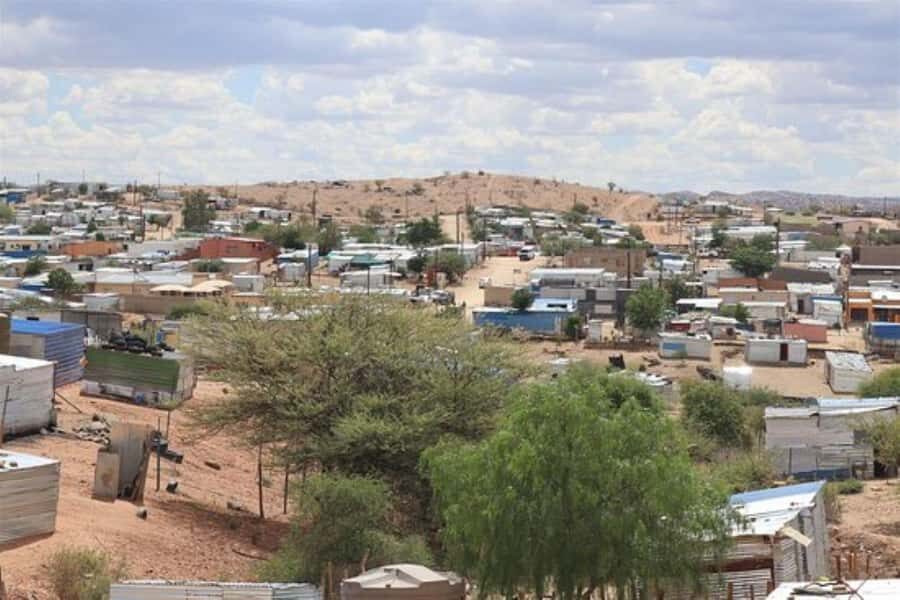
Katutura’s story isn’t only about what happened. It’s also about what people did afterward. Your guide shares the history of forced removals, and then you learn how the community responds with resilience—through social support, local business, cultural continuity, and everyday determination.
This part of the tour is emotionally heavier than the market and the shopping streets. That’s normal. But it can still feel constructive rather than gloomy, because you’re not only hearing about harm—you’re watching how the neighborhood keeps moving forward. The route is built to show contrast: hardship in the past, strength in the present.
I find this approach makes you leave with a better mental model of what you saw. Instead of thinking of Katutura as a single label, you start to see how a place forms through generations: families, work, creativity, and shared solutions.
If you want to get more out of this section, keep one question in your head while walking: how does this history show up in daily life? Then listen for your guide’s examples. Often it’s in small things—where people gather, what gets sold, and how community spaces get used.
Community Center Visits and Meeting Local Artisans
After the market, the tour shifts from food and street life into community space. You’ll visit a community center and spend time interacting with local artisans and residents. This is one of the most valuable parts of the experience because it helps you move from spectator mode to participant mode.
You’re not just shown crafts—you’re given a chance to talk, ask questions, and understand the role that making plays in income, identity, and pride. Even if you don’t plan to buy anything, these conversations can tell you more about the neighborhood than any postcard explanation.
One small tip: when you talk with artisans, keep your questions simple and grounded. Ask what they’re working on, how long it takes, or what the item is used for. That keeps the tone respectful and practical, and it usually leads to better answers than broad questions.
Also watch your body language. You’re walking through a neighborhood that lives on regular schedules, not tourist timelines. A little patience goes a long way. Your guide will help you read the moment and act appropriately.
Stepping Into a Family Home: Daily Life From the Inside
The family home visit is included, and that’s not a small detail. It’s the kind of moment that can change how you think about a place fast, because daily life has real textures: routines, household spaces, and the small ways people arrange comfort.
You won’t get this from looking through a bus window. You’re seeing the neighborhood from inside, guided by someone who can place what you’re seeing into context. If you’re camera-happy, be ready for a shift: in a home setting, you should move slower and be mindful. Follow your guide’s cues on what’s appropriate to photograph and what’s better left respectful.
This part of the tour can also make the history feel more personal. Forced removals are an abstract concept until you connect them to the way families live now—what they preserved, what changed, and what still matters for community identity.
The best mindset here is humble curiosity. You’re visiting a home, not auditing a museum exhibit. When you act that way, the experience usually feels warmer and more human.


Price, Time, and Value for $68 Per Person
At $68 per person for about four hours, this tour sits in a reasonable middle ground for a city neighborhood experience with multiple stops. What makes it feel like good value isn’t just that you walk around. It’s that you get several layers in one day: Soweto Market tastings, a community center visit, artisan interaction, and a family home stop—plus a local guide doing the translation between history and everyday life.
You also get something that’s harder to price: support. The tour fee contributes to community development initiatives, including support for local entrepreneurs and youth programs. That means your money isn’t only paying for guiding time and logistics. It’s also helping the community keep programs going that can affect people after you’ve left.
Is it perfect value for every traveler? Not necessarily. If you hate walking, want a super-structured museum-style itinerary, or prefer your history only in books, you might find the format more active than you expected. But if you’re open to walking, eating, meeting people, and asking questions, this price is easier to justify.
Also, consider the location. This isn’t a drive-by stop. It’s a walking tour through Katutura, so you’re paying for access and context, not just transportation.
Getting There, What to Bring, and Walking Comfort
You’ll be picked up at one of two options: Avani Windhoek Hotel & Casino or Hilton Windhoek. Drop-off returns to those same locations. Transportation to and from the starting point is not included, so plan your own way to the hotel pickup.
Because the tour depends on meeting on time, build in a small buffer. One booking reported a pickup miss and waiting about 1.5 hours. That doesn’t mean it will happen to you, but it’s enough to take seriously. Confirm the pickup details before you go, and be ready a bit earlier than the stated time.
Pack for comfort. The tour involves walking through the township. Wear comfortable shoes you can handle on uneven ground. Bring a camera if you want photos, but remember you’re also visiting food stalls and a family home, so act with the same respect you’d want in someone else’s space.
Bring cash, too. Tastings are included, but additional food, drinks, and personal spending are not. Having cash helps with small purchases at the market if something catches your eye, especially artisan items.
Should You Book This Katutura Township Tour?
Yes, with a few smart conditions.
Book it if you want a guided Windhoek Katutura Township Tour that gives you more than a surface-level view. This one is built around a local guide’s stories, market tastings that include kapana, and real community access through a community center and a family home visit. If you enjoy meeting people and learning through conversation, you’ll likely feel like you left with a stronger grasp of Namibia’s social history and present-day life.
Skip it or consider a shorter alternative if walking is a problem for you or if you want zero interaction with history topics that can feel emotional. Also, confirm pickup details carefully and plan to arrive early at your pickup hotel.
Finally, think about what matters most to you: If it’s culture you can taste, history you can understand, and community access that supports local programs, this is one of the better ways to spend a half day in Windhoek.
FAQ
How long is the Katutura Township Tour?
The tour runs about 4 hours. The guided walking portion is listed as around 4.5 hours, so plan for a half-day.
Where does the tour take place?
It takes place in Windhoek’s Katutura Township, in the Khomas region of Namibia.
How much does it cost?
It’s priced at $68 per person.
What’s included in the tour?
You get a guided walking tour with a local English-speaking guide, a visit to Soweto Market, tastings of local delicacies, a visit to a community center, interaction with local artisans, and a family home visit.
Is kapana included?
Yes. The Soweto Market tastings include kapana.
Is transportation included?
No. Transportation to and from the starting point is not included.
What are the pickup and drop-off locations?
Pickup and drop-off are available at Hilton Windhoek and Avani Windhoek Hotel & Casino.
What should I bring?
Bring comfortable shoes, a camera, and cash.
Is the tour wheelchair accessible?
Yes, it’s listed as wheelchair accessible.
Does the tour fee support community programs?
Yes. A portion of the tour fee supports community development initiatives, including support for local entrepreneurs and youth programs.
Can I cancel for a refund?
You can cancel up to 24 hours in advance for a full refund.