REVIEW · WINDHOEK
10 DAYS BEAUTY OF NAMIBIA | Guided Lodge
Book on Viator →Operated by Motema Tours and Safaris Namibia · Bookable on Viator
Namibia rewards slow attention, not quick photos. This guided lodge circuit strings together Etosha wildlife, Himba and Damara culture, UNESCO Twyfelfontein rock art, plus the big desert hits like Sossusvlei and Deadvlei. I especially like the day-by-day blend of animals, people, and geology, and I like that the coast portion includes an actual experience on the water in Walvis Bay. One thing to factor in: a few key stops list admissions as not included, so you’ll want a small buffer for add-on entrance fees.
I also like the human side here. The guide names Basile shows up in the feedback, and the praise is consistent: professional, strong knowledge, and the circuit feels well run. Since this is a private tour, you don’t have to fight for space or keep up with strangers, but you should still expect a lot of driving between very different parts of Namibia.
In This Review
- Key points to know before you go
- Getting started in Windhoek with a woodcarving stop that sets the tone
- Etosha National Park game drive: wildlife time with the guide doing the spotting
- Himba and Damara culture stops: respect first, questions always
- Himba Village at Ozohere
- Damara Living Museum
- Otjikandero Himba Orphan Village
- Twyfelfontein UNESCO rock art: the meaning behind the names matters
- Swakopmund: German-flavored coastal town with desert nearby
- Swakopmund Jetty
- Zeila Shipwreck
- Walvis Bay sea walk and Dune 7: water magic, then big-sand views
- Walvis Bay Waterfront
- Dune 7
- Kuiseb Pass and the Tropic of Capricorn: quick stops that break up long drives
- Sossusvlei, Deadvlei, Dune 45, and Sesriem Canyon: Namibia’s desert icons in one push
- Sossusvlei
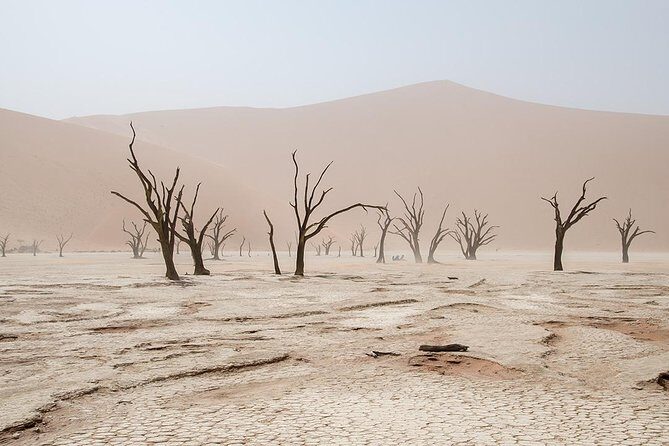
- Deadvlei
- Dune 45
- Sesriem Canyon
- Day 9: into the Kalahari after more Namib time
- Windhoek again at the end: a short history fix before you fly out
- Price and value: what $4,842.28 covers and what you should plan for
- Who this Namibia guided lodge tour suits best
- Should you book this 10-day Namibia tour?
- FAQ
- How long is the Namibia tour?
- What city does the tour start in, and what time?
- Is this tour private?
- Is pickup offered?
- What meals are included?
- Are entrance fees always included?
- What’s included with the Walvis Bay waterfront stop?
- What tickets will I receive?
- What happens if weather is poor?
- Is WiFi available during the tour?
Key points to know before you go
- Etosha National Park with a guided game drive plus the classic Okaukuejo waterhole viewing setup
- Himba culture visits including Otjikandero Himba Orphan Village (included) and an additional Himba village stop
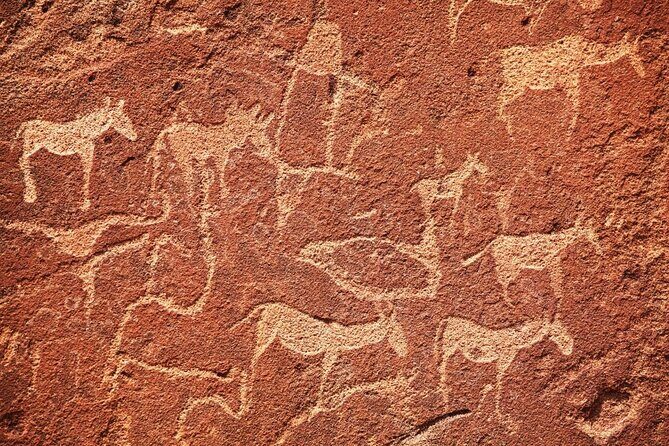
- UNESCO Twyfelfontein for rock engravings and rock paintings, with the meaning behind the name
- Walvis Bay sea walk with a boat cruise, champagne, and lunch included
- Sossusvlei, Deadvlei, Dune 45, and Sesriem Canyon in one packed desert run
- Short geographic photo stops like Kuiseb Pass and the Tropic of Capricorn sign as you head south
Getting started in Windhoek with a woodcarving stop that sets the tone
You start in Windhoek Central at 8:30 am, and the tour ends back at the same meeting point. If pickup is offered for your group, that’s a nice extra, because Namibia is big and getting time back in the morning matters.
Day 1 begins with the Okahandja Mbangura Woodcarvers Craft Market, a one-hour stop on the way toward Otjiwarongo. It’s free and short, so it works as a gentle on-ramp: you get a feel for local craftsmanship without turning the day into a shopping marathon. If you like buying gifts that aren’t mass-produced, this is the kind of stop you’ll actually use later at home.
Practical tip: bring a little cash and small bills if you plan to buy anything. The tour data doesn’t spell out payment details for stalls, so you’ll thank yourself later for being ready.
You can also read our reviews of more guided tours in Windhoek
Etosha National Park game drive: wildlife time with the guide doing the spotting
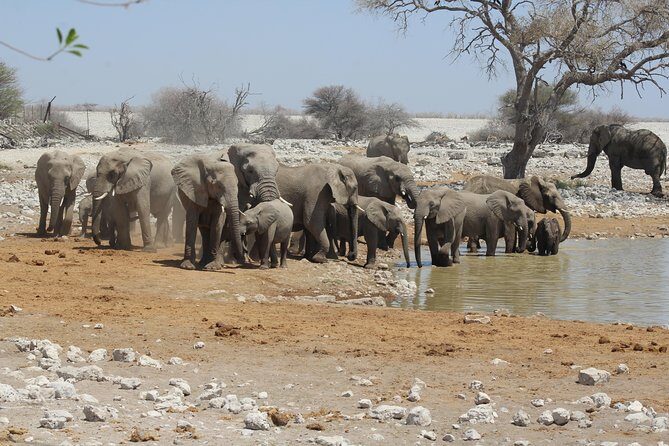
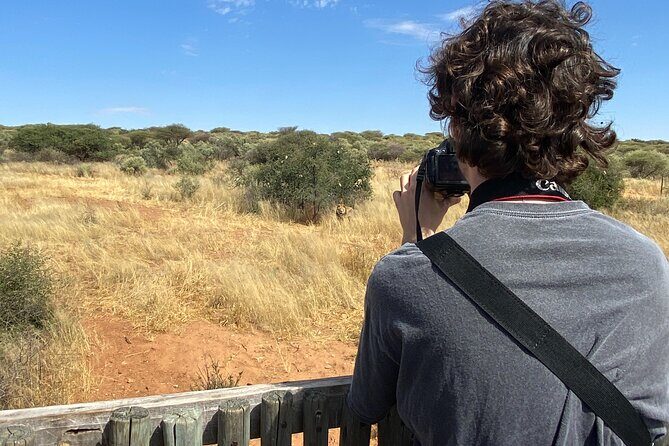
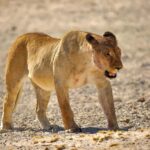
On Day 2 you get a full day inside Etosha National Park, with a 6-hour game drive alongside a guide. The format is listed as own vehicle and guide, which usually means you’ll be the one driving (or using your assigned vehicle) while the guide handles direction and wildlife interpretation. Either way, the key is simple: this is the day for animals, and a guide makes a big difference in a place where visibility can change fast.
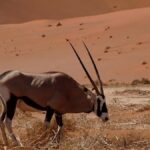
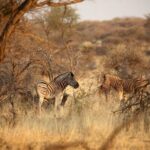
You’ll likely see the common stars—springboks and zebras—but Etosha is also where it’s worth slowing down for the rarer stuff. The itinerary notes chances for the black-faced impala, which is endemic to Namibia, plus dik-diks, the tiny African antelope that people often miss when they rush. That’s one of the practical perks of a guided drive: you get help noticing what’s there but easy to overlook.
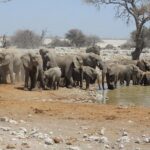
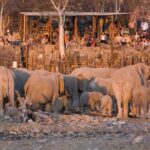
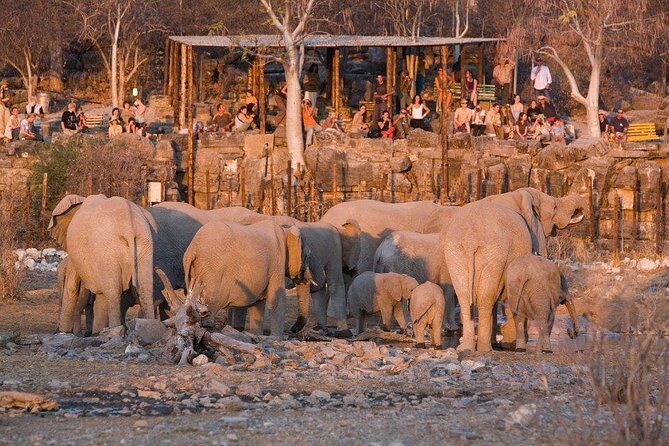
After the main game drive, you head to Okaukuejo waterhole for a one-hour wildlife viewing session. The waterhole is famous for gathering animals, especially in the drier periods when the park’s water matters most. There’s a viewing platform, and the overall setup is built for viewing from a safe distance. The catch: the waterhole admission is listed as not included, so budget for it if you want to go in fully.
What I like about pairing the Etosha drive with the waterhole stop is that it changes the pace. A drive is movement and scanning. A waterhole is waiting, watching, and then suddenly animals arrive and you get real close-up behavior.
Himba and Damara culture stops: respect first, questions always
Days 3 and 4 are your culture days, and they’re structured as visits, not just quick photo stops.
Himba Village at Ozohere
On Day 3 you visit a Himba village at Ozohere for about two hours. The description highlights the Himba’s distinctive red ochre body paint, elaborate jewelry, and semi-nomadic life based around cattle herding. Homes are described as traditional, circular structures made from mud and thatch.
This stop is listed as not included for admission, so again: small extra budgeting may be needed. Also, this is one of those experiences where your best move is to go in with a respectful attitude and follow your guide’s cues on what’s appropriate, especially around photos and personal interactions.
Damara Living Museum
Later on Day 3, you visit the Damara Living Museum for about two hours, and admission is listed as free. This site focuses on preserving Damara heritage and offers immersive cultural experiences like traditional dances, hunting techniques, and home construction.
I like that the tour doesn’t pretend culture is a single moment. You get two different lenses on indigenous life: everyday traditions in Himba village context, and a curated, educational presentation in the Damara museum setting.


Otjikandero Himba Orphan Village
Day 4 includes Otjikandero Himba Orphan Village for two hours, and admission is listed as included. The tour notes that you’ll learn about Himba culture, beliefs, and history.
If you care about meaningful community context (not just scenery), this is the part of the trip that tends to leave a deeper impression. Still, keep expectations grounded: it’s a visit to a living community, not a themed show.
Twyfelfontein UNESCO rock art: the meaning behind the names matters
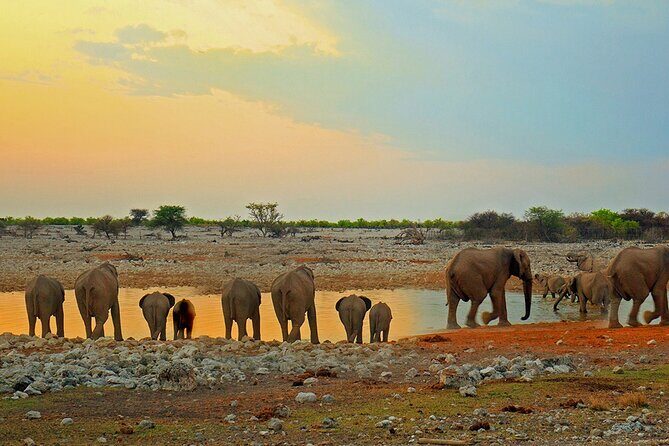
Twyfelfontein is the cultural anchor of Day 4. In the afternoon you visit Twyyfelfontein, a UNESCO World Heritage Site known for rock engravings and rock paintings.
The name Doubtful Fountain is explained as coming from an unreliable water source in the area, and I like that detail. It reminds you that these places weren’t just “interesting rocks.” They were part of how people moved, lived, and read the environment around them.
Admission is listed as included here, so you’re not juggling extra tickets at the last minute. The two-hour block is a comfortable length for taking it in at a slow pace—long enough for explanations, short enough that you don’t feel rushed.
Swakopmund: German-flavored coastal town with desert nearby
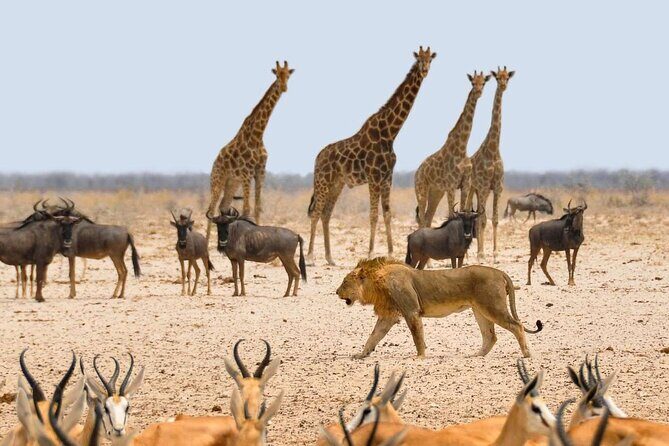
Day 5 shifts you from inland cultural stops to the coast.
Swakopmund Jetty
You spend about 12 hours around Swakopmund, with the Swakopmund Jetty listed as a free stop. Swakopmund is described as a charming coastal town known for German colonial architecture, adventure activities, and close proximity to the Namib Desert. It’s also framed as a mix of ocean and desert scenery, with museums and dune activities in the broader area.
That long time block is useful. It means you’re not trapped in a tight, choreographed schedule. You can pace yourself and choose what fits your energy, whether that’s lingering by the ocean or stepping into a museum.
Zeila Shipwreck
You also visit the Zeila Shipwreck for about 30 minutes. It’s described as a historic shipwreck site off Namibia’s coast, popular for divers and tourists interested in maritime history.
With only a half-hour, this is more of a quick historical stop than a deep dive. It’s still worth it because it rounds out the coastal story: ocean beauty plus the reality of shipwreck history.
Walvis Bay sea walk and Dune 7: water magic, then big-sand views
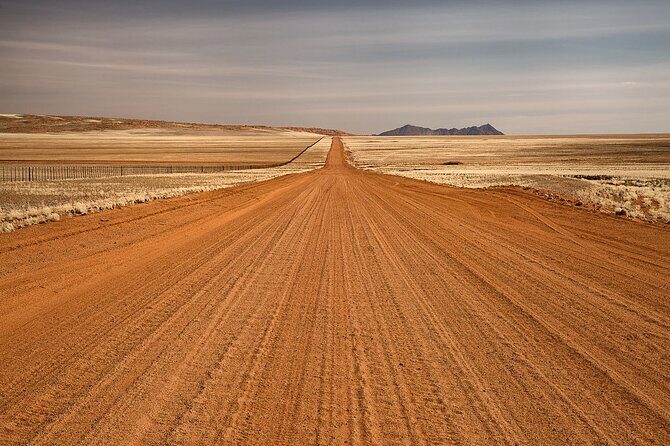
Day 6 keeps the momentum with two very different types of Namibia.
Walvis Bay Waterfront
At the Walvis Bay Waterfront, you get a 3-hour experience that’s listed as included. The highlight is a sea walk that’s paired with a boat cruise, champagne, and a great lunch.
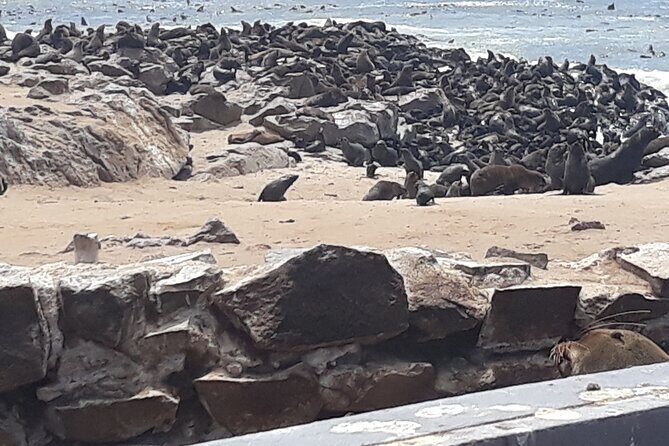
Even if you’re not a “boat person,” the structure makes sense. You’re on the water, you get a drink and a meal, and you still have an activity component tied to coastal wildlife viewing. It feels like a day that rewards you for being flexible, because the coast is where you often get Namibia’s most relaxing pace.
Dune 7
After that, you head to Dune 7 for about two hours. Dune 7 is listed as not included for admission, and it’s described as one of the highest sand dunes in the world (about 383 meters / 1,257 feet). The itinerary notes sandboarding opportunities and big views from the dune.
This is your adrenaline-lite option. It’s not necessarily extreme by default, but it is physically exposed: sun, wind, and shifting sand. Bring sun protection and something practical for the sand.
Kuiseb Pass and the Tropic of Capricorn: quick stops that break up long drives
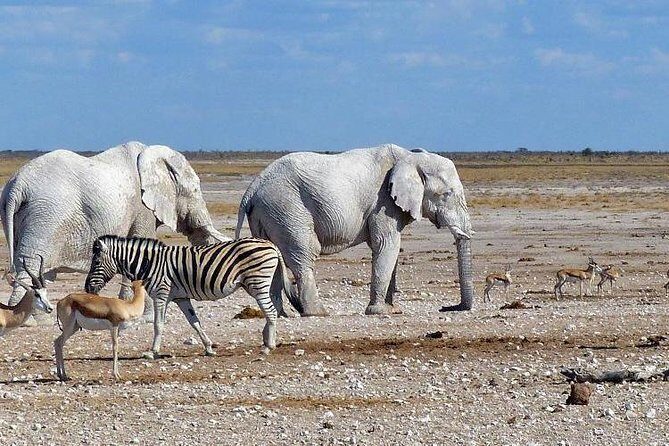
Day 7 is made of short, meaningful breaks as you head toward the desert heart.
- Kuiseb Pass (about 30 minutes, free) is described as a mountain pass or canyon carved by the Kuiseb River.
- The Tropic of Capricorn sign (about 10 minutes, free) is a quick geographic marker.
- Solitaire (about 30 minutes, free) is a small desert settlement, a known stopover point for routes into the Namib-Naukluft area.
The itinerary also mentions that the Namib Desert is one of the oldest and driest deserts in the world. That context is useful: these short stops aren’t random. They’re where you absorb that you’re crossing a place shaped by water absence for a very long time.
Sossusvlei, Deadvlei, Dune 45, and Sesriem Canyon: Namibia’s desert icons in one push
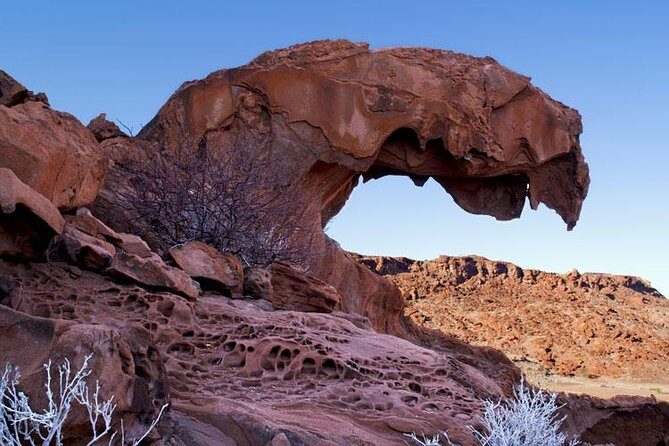
Days 8 and 9 are where many people measure the entire trip. Day 8 is a concentrated run through Namib Desert highlights inside Namib-Naukluft.
Sossusvlei
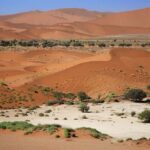
You start with Sossusvlei for about 3 hours. It’s described as one of Namibia’s most famous and iconic natural attractions, and it’s known for stunning desert landscapes.
This is where you’ll feel the scale. Even if you’ve seen photos, the real thing hits different because the dunes and the light change your sense of distance.
Deadvlei
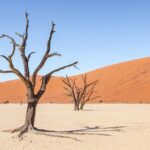
Next is Deadvlei for about two hours, and admission is listed as included. Deadvlei is described as surreal and visually striking, with the name tied to Afrikaans and Dutch meaning dead marsh. The visual idea is that lifeless-looking setting where trees remain, and the contrast makes for memorable views.
Dune 45
Then you visit Dune 45 for about one hour, also listed as included. Dune 45 is known for its symmetrical shape, and the itinerary mentions it’s a favorite for photographers. Golden hours tend to be when dune shadows look dramatic, though your exact time of day will depend on the day’s schedule.
Sesriem Canyon
Finally on Day 8, you visit Sesriem Canyon for about one hour, admission included. The canyon is described as about 1 kilometer long and up to 30 meters deep in some sections, formed over millions of years by the action of the Tsauchab River.
What I like about this sequence is that it mixes forms. You go from wide dune views (Sossusvlei) to the surreal pan and stranded trees (Deadvlei), then to a single iconic dune (Dune 45), and end with a carved canyon shape (Sesriem Canyon). You’re not just collecting stops; you’re collecting different desert features.
Day 9: into the Kalahari after more Namib time
Day 9 includes another Sossusvlei stop for about three hours, listed as free, then the itinerary shifts toward the Kalahari Desert. The main description is that the Kalahari’s dunes are red and its character is different from the Namib.
This is a smart pacing choice if you don’t want to feel like you’re leaving the desert too abruptly. You get continuation, then a change of color and vibe.
Windhoek again at the end: a short history fix before you fly out
On Day 10, you finish with the National Museum of Namibia for about one hour, and admission is free. It’s described as covering Namibian history, which is a great way to close the loop.
After wildlife, village visits, and rock art, a museum stop helps stitch together what you saw in plain context. One hour is short, but it’s the right length for a final pass without exhausting you before departure.
Price and value: what $4,842.28 covers and what you should plan for
The price is listed at $4,842.28 per person for roughly 10 days. That’s not a cheap trip. The value comes from two places: the breadth of regions you cover, and the fact that several core expenses are already handled.
Included items listed:
- Fuel surcharge and parking fees
- Breakfast (9) and dinner (7)
- Several admissions are listed as included across the itinerary (for example, Twyfelfontein, Otjikandero Himba Orphan Village, Deadvlei, Dune 45, Sesriem Canyon, and the Walvis Bay sea walk experience)
Not included items listed:
- GST
- Some stop admissions are listed as not included, including Okaukuejo waterhole, Himba Village at Ozohere, and Dune 7
- Also listed as not included: restroom on board and WiFi on board (so don’t count on it)
My practical advice: treat the base price as mostly “all set,” then budget a little for the few explicitly-not-included entry costs. You can also save money on your own by planning personal snacks and drinks smartly rather than relying on frequent purchases between remote stops.
And one more reality check: the experience requires good weather. In a circuit like this, weather changes can affect roads and timing. When weather forces changes, the tour notes you’ll be offered a different date or a full refund.
Who this Namibia guided lodge tour suits best
This tour fits you if you want Namibia in a balanced way:
- You want real wildlife time in Etosha, not just a quick photo stop.
- You care about cultural encounters with Himba and Damara sites, including an included orphan village visit.
- You want the desert headline sights: Sossusvlei, Deadvlei, Dune 45, and Sesriem Canyon.
- You enjoy being guided by someone who can explain what you’re seeing. The feedback specifically praises a guide named Basile for professionalism and strong knowledge.
It may be less ideal if you dislike long drives or if you’re very strict about keeping every admission fee included. Some entrances are explicitly not included, so you’ll need to decide if you want to pay those add-ons when they come up.
Should you book this 10-day Namibia tour?
If your dream Namibia includes wildlife, culture, rock art, coast, and desert icons all in one circuit, I think this one is a strong option. The best reason to book is the mix: Etosha for animals, Twyfelfontein for meaning behind the scenery, and a full run through the desert’s most recognizable shapes, plus the Walvis Bay sea walk with a proper onboard meal and champagne.
I’d only hesitate if your budget can’t stretch for the few not-included admissions (Okaukuejo waterhole, Himba village at Ozohere, Dune 7) or if weather disruptions would stress you out. If you’re flexible and you like a structured, guided route with time for real experiences, this is the kind of Namibia trip that leaves you with stories, not just snapshots.
FAQ
How long is the Namibia tour?
It runs for approximately 10 days.
What city does the tour start in, and what time?
It starts in Windhoek at Windhoek Central at 8:30 am.
Is this tour private?
Yes. It’s listed as a private tour/activity, so only your group will participate.
Is pickup offered?
Pickup is offered.
What meals are included?
Breakfast is included for 9 days and dinner is included for 7 days.
Are entrance fees always included?
No. Some stops are listed as free, some are listed as included, and a few are listed as not included (for example Okaukuejo waterhole, Himba Village at Ozohere, and Dune 7).
What’s included with the Walvis Bay waterfront stop?
The Walvis Bay waterfront experience includes a sea walk, a boat cruise, champagne, and lunch.
What tickets will I receive?
The tour includes a mobile ticket.
What happens if weather is poor?
The experience requires good weather. If it’s canceled due to poor weather, you’ll be offered a different date or a full refund.
Is WiFi available during the tour?
WiFi on board is listed as not included.