REVIEW · WINDHOEK
Windhoek City Tour
Book on Viator →Operated by Lark Journeys Namibia · Bookable on Viator
Windhoek can feel big and brand-new fast, and this city tour gives you a smart first map. I love the mix of German-era landmarks and Independence-era landmarks, and I especially like the human side of the day with time in Katutura plus a stop at Penduka that supports women through craft work. One possible drawback: some church/fort/garden areas may be limited depending on reopening status, so you should keep your expectations flexible on the ground.
What makes this tour work so well is the small-group size and the pace. With a maximum of 7 people, you get a real guide conversation, not a rushed bus lecture, and you can ask practical questions as you move through town. Guides you’ll commonly see in this experience include Petrus, Esther, and Emmanuel, and their style tends to be personal and question-friendly rather than scripted.
In This Review
- Key Things to Know Before You Go
- Getting Oriented: A 3-Hour Windhoek “First Day” Plan
- Christuskirche and Parliament Gardens: Landmarks You’ll Recognize Fast
- Alte Feste and the National Museum: From Old Fort to Modern Evidence
- Katutura Market Time: Street Food and Seeing Daily Life
- Penduka Village: Craft Shopping With a Purpose
- How Pickup, Small Groups, and Timing Really Affect Your Day
- Price and Value: Is $37.38 Worth It?
- Who This Tour Suits Best (and Who Might Want More Time)
- Should You Book This Windhoek City Tour?
- FAQ
- How long is the Windhoek City Tour?
- Where does the tour take place?
- Is hotel pickup included?
- What’s included in the price?
- Do I need tickets for the stops?
- How many people are in the group?
- Is the tour suitable for kids?
- Is the tour physically demanding?
- What if the weather is bad?
- What’s the cancellation window?
Key Things to Know Before You Go
- Small group (max 7) means better questions and less waiting around.
- German-era to Independence-era stops help you read Windhoek’s story in the right order.
- Christuskirche is the iconic Lutheran landmark with a chance to look inside if time allows.
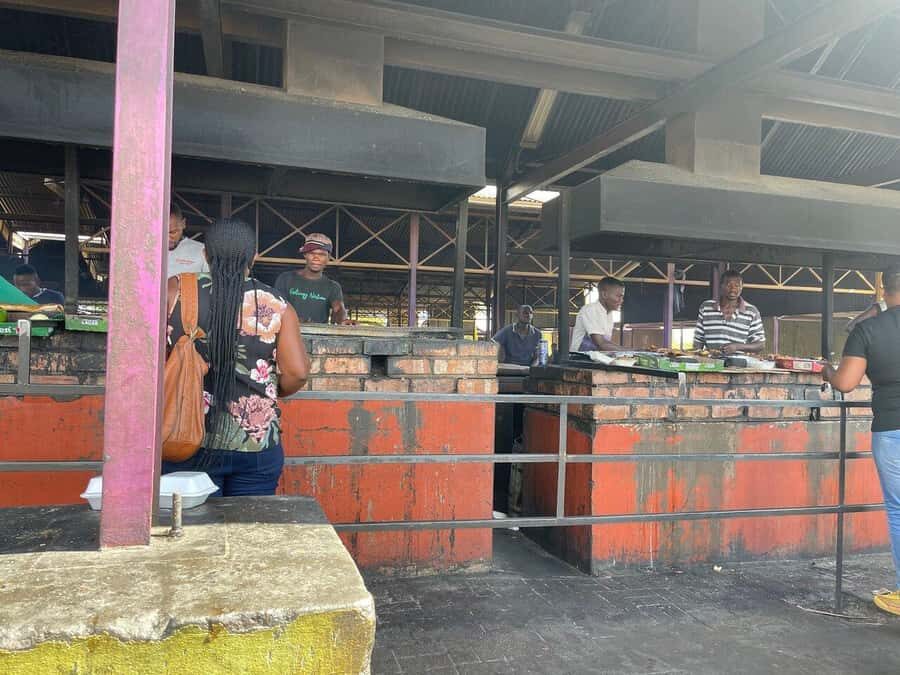
- Katutura market + Kapana-style street food turns the township stop from a drive-by into a real moment.
- Penduka Village is a women’s empowerment craft project, with souvenir shopping that feels connected to a purpose.
- Optional hotel pickup/drop-off is the easiest way to start if you’re staying central.
Getting Oriented: A 3-Hour Windhoek “First Day” Plan
Windhoek is not the kind of city where you need to see everything to feel like you got it. What you need is context: why buildings look the way they do, why neighborhoods are arranged how they are, and what “modern Namibia” is building on. This tour is built for exactly that—three hours that turns scattered sights into a coherent story.
You’ll start with key landmarks in the city center, then shift outward to how people live in residential areas—especially Katutura, which is the tour’s most “you’re really here” moment. The last stop, Penduka, adds a finish that’s practical: you can buy crafts and understand what your money supports.
The overall pacing is tight but not frantic. The guide keeps moving so you don’t waste time, but there’s also enough room at each stop to take photos, ask questions, and walk around at a human scale. That small-group format is a big deal in places like markets, where crowds and timing can make or break your experience.
You can also read our reviews of more city tours in Windhoek
Christuskirche and Parliament Gardens: Landmarks You’ll Recognize Fast
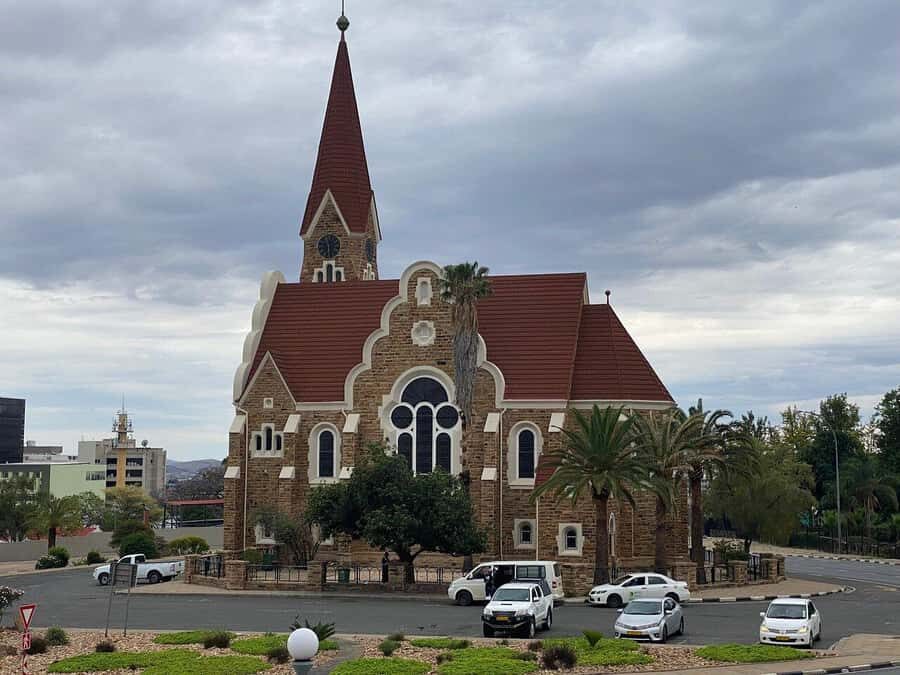
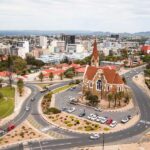
The tour kicks off at Christuskirche (Christ Church), a Lutheran landmark in the center of Windhoek. Even if you’ve never visited Namibia before, chances are you’ve seen this style of church referenced in photos: it’s one of those buildings that helps you anchor the city visually right away.
Expect about 15 minutes here. The good part: you might be able to look inside if timing allows, and even if you don’t, your guide will explain what makes the church such an iconic reference point for Windhoek’s identity. It’s a short stop, but it sets the tone—this day is about more than sight-seeing; it’s about understanding how communities grew and changed.
Next comes Parliament Gardens, located at the base of the Tintenpalast (Namibia’s Parliament Building). This garden stop matters because it’s not just “pretty.” You’ll learn about the independence process and see statues dedicated to key figures who helped shape Namibia’s path to independence. It’s a green, calm break in the middle of an otherwise moving itinerary—perfect for photos, and also for a slower mental reset.
What I like here is that these stops aren’t random. They connect the physical city (buildings you can point to) to the political story (people you can read about and remember).
Alte Feste and the National Museum: From Old Fort to Modern Evidence
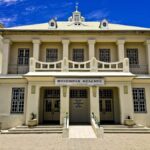
After the city-center landmarks, you’ll head toward Alte Feste, which is said to be Windhoek’s earliest building. This place is tied to the German army’s defense of the city, and later it functioned as a museum. Today, it can feel a little different than a fully active museum stop—some sections may be inactive, and the focus becomes more on the history you’re hearing than on galleries you’re wandering.
You’ll have around 10 minutes at Alte Feste. That’s short, so don’t treat it like a deep museum visit. Instead, use it as a “visual anchor” for the rest of the day: if you can picture the fort, you’ll understand the older layers of Windhoek’s development better.
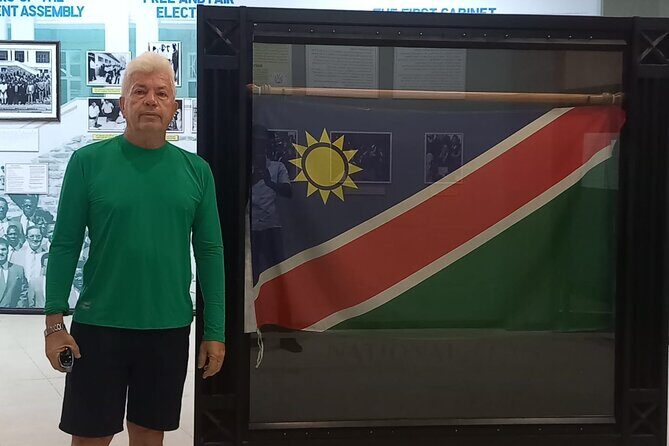
In between, you’ll also get a stop at the National Museum of Namibia. This is where the day adds weight. You’ll have a chance to see artifacts spanning colonial to modern times, which helps explain the big themes your guide has been describing. Even if you only get a limited time there, it’s valuable because it supports what you just learned outside.
One practical consideration: some sites like the church, fort, or garden access may be affected by reopening status. If you arrive and something is closed, don’t panic—your guide’s job is to make the time still meaningful, and the overall route still hits the key neighborhoods and experiences.
Katutura Market Time: Street Food and Seeing Daily Life
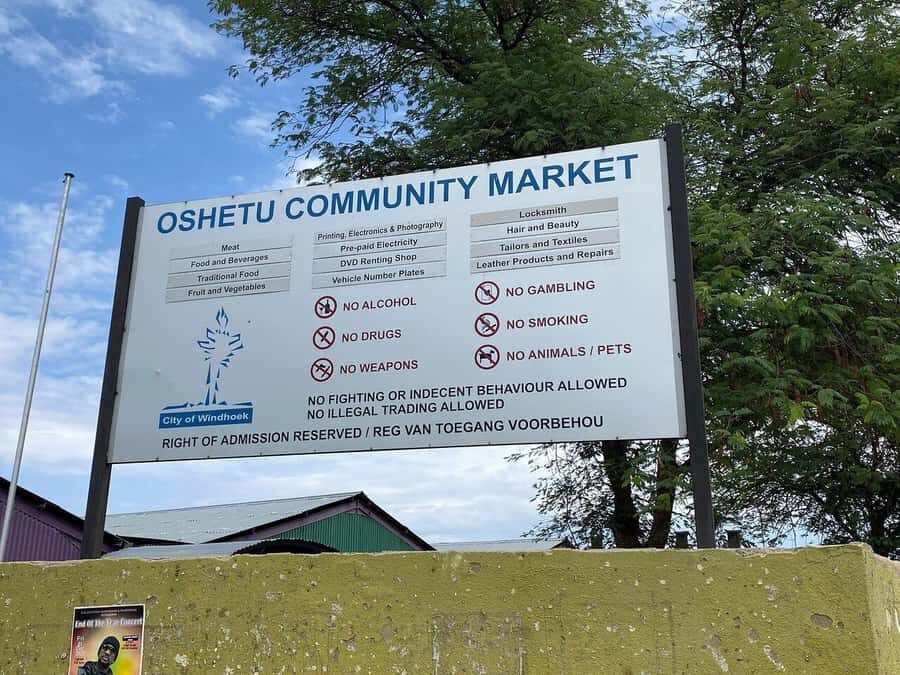
Katutura is the stop that many people remember most. It’s where the tour stops being a route through landmarks and becomes a view of daily life in a real neighborhood.
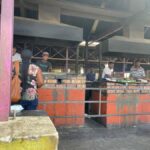
You’ll spend about an hour here, with time to visit a local market and meet local people. This is not the kind of stop where you just peek and move on. The guide will help you navigate what you’re seeing and keep the mood respectful and comfortable.
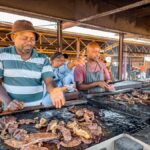
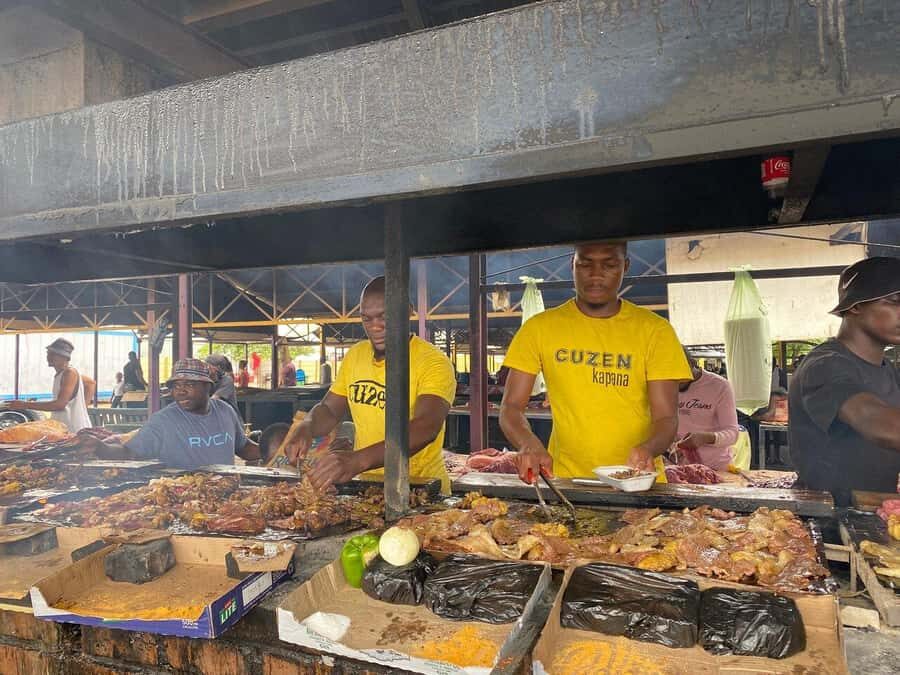
The market time is also where the food happens. The tour includes snacks, and people often mention enjoying kapana (grilled meat) as part of this experience. If you like street food, this is one of your best chances to taste it without needing to guess what’s safe or worth your money.
What makes this stop valuable is the human scale. You get to see the rhythm of the area—stands, conversations, and small business energy—while your guide provides context on how the township fits into Windhoek as a whole. Guides such as Petrus and Emmanuel are often praised for bringing a personal angle to these moments, which can make the story feel less like a lecture and more like lived reality.
Tip from me: wear comfortable shoes. Markets aren’t museum floors. You’ll likely stand, walk, and look around more than you expect.
Penduka Village: Craft Shopping With a Purpose
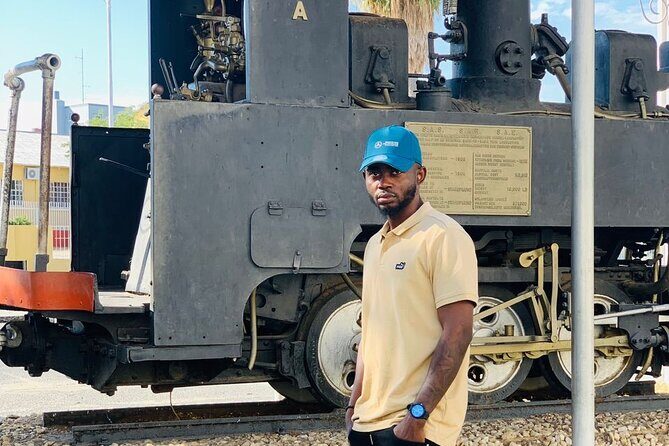
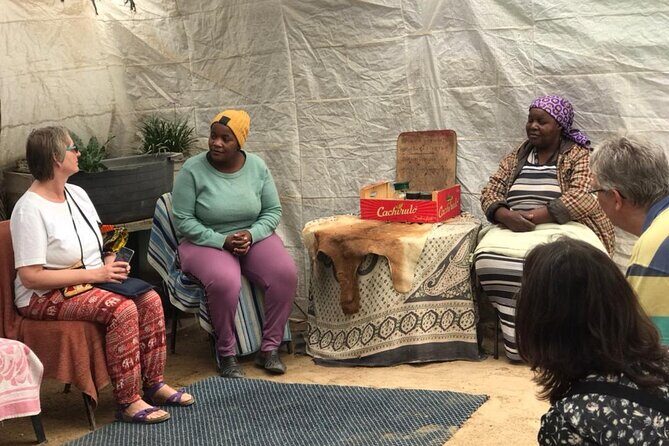
The tour ends at Penduka Village, a craft project designed to uplift and inspire local women so they can support themselves and their families. This is one of those stops where the “souvenir” part and the “meaning” part are connected.
You’ll have about 30 minutes here—enough time to browse, ask questions, and pick out gifts without feeling rushed. People commonly buy handmade items as a way to bring home something tangible, and you can usually feel the care that goes into the products.
This is also a good moment to slow down. After history, politics, and market energy, Penduka gives you a more grounded ending: people working, selling, and sharing stories around their craft.
If you’re shopping for gifts, think practical and personal. A scarf, ornament, or handcrafted item can be more memorable than a generic magnet. And because this is tied to women’s empowerment work, it feels like your purchase is doing something beyond decoration.


How Pickup, Small Groups, and Timing Really Affect Your Day
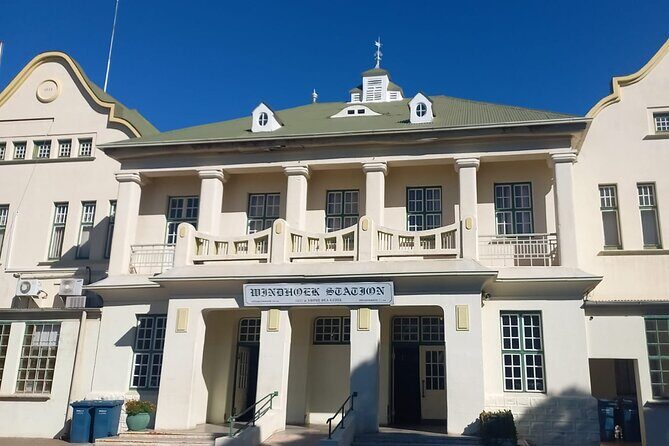
This is a half-day tour lasting about 3 hours. That timing is important in Namibia, where days often move fast—either because your next stop is lined up or because you don’t want to burn daylight.
Pickup is offered, and front-door pickup and drop-off from your hotel is available as an upgrade option for extra convenience. If you’re staying centrally, you might still be okay getting there on your own, but pickup is a real time-saver—especially on a short tour.
You’ll also get a mobile ticket, and confirmation is received at booking. The tour size is capped at 7 people, which helps with flexibility at stops like Katutura and Penduka. In small groups, the guide can adjust pace if someone wants a few extra minutes to look or ask questions.
What to bring:
- Comfortable walking shoes for the market and short strolls
- Sunscreen and a hat (Windhoek sun can be strong even when it doesn’t feel like it)
- Cash if you plan to buy at the craft stop (the tour includes access, but payment methods aren’t specified)
- A light layer if the weather is cool in the morning or late afternoon
One more note: the experience requires good weather. If it’s canceled due to poor weather, you’ll be offered another date or a full refund.
Price and Value: Is $37.38 Worth It?
At $37.38 per person for a ~3-hour guided introduction to Windhoek, the value mostly comes from two things: the breadth of the route and what’s included.
You’re paying for:
- A guided route through multiple key areas of Windhoek
- Entry-free stops at several landmarks (admission is listed as free for places like Christuskirche, Parliament Gardens, Alte Feste, and the main included stops)
- Snacks as part of the day
- Optional hotel pickup/drop-off if you want the easiest possible start
The route matters because Windhoek can be tricky to “self-navigate.” Central landmarks are easy, but understanding why the city looks like it does—and seeing the neighborhoods beyond the brochure—takes local guidance. The Katutura market stop and Penduka craft project are especially hard to replicate on your own without either missing context or feeling awkward navigating without a plan.
If you’re on a tight schedule, this is the kind of tour that prevents you from spending your limited time just driving around. You get structure, stops in the right order, and a guide who can answer the questions you’ll naturally have once you’re there.
Who This Tour Suits Best (and Who Might Want More Time)
This tour is ideal if:
- You’re arriving in Windhoek and want an easy first day
- You want both landmark context and a neighborhood experience
- You like learning from a guide who can explain the why behind what you’re seeing
- You want a manageable schedule (3 hours) with included snacks and pickup options
It may be less ideal if:
- You want long museum time (the National Museum stop is shorter by nature of the 3-hour plan)
- You hate short stops and prefer slow, repeat visits to fewer places
- You’re expecting a perfectly “open” schedule for every building, regardless of local reopening status
That said, the tour still covers the key themes: colonial-era buildings, Independence-era memory, the texture of daily life in Katutura, and a purpose-driven finish at Penduka.
Should You Book This Windhoek City Tour?
I’d book it if you want a fast, meaningful introduction to Windhoek that goes beyond photos. The standout value is the balance: you get central landmarks like Christuskirche and Parliament Gardens, you get a fort-and-museum history thread, and then you end with Katutura market time and Penduka women’s craft work. It’s the rare short tour that doesn’t treat culture like a checkbox.
Two last bits of advice to make it smoother: wear comfortable shoes for the market, and keep expectations flexible about site access at the church/fort/garden stops. If you do that, you’ll leave with your bearings quickly—and with a better understanding of Namibia’s capital than you could manage in a self-guided half-day.
FAQ
How long is the Windhoek City Tour?
It’s about 3 hours.
Where does the tour take place?
The tour is in Windhoek, Namibia.
Is hotel pickup included?
Hotel pickup and drop-off are included if you select the option. Pickup is offered.
What’s included in the price?
The tour includes snacks and local tasting, and hotel pickup/drop-off if you choose that option.
Do I need tickets for the stops?
Several stops list admission as free, and the tour uses a mobile ticket.
How many people are in the group?
The tour has a maximum of 7 travelers.
Is the tour suitable for kids?
Child rate applies only when sharing with 2 paying adults, and children must be accompanied by an adult.
Is the tour physically demanding?
It’s generally manageable for most travelers, but you should expect walking during the market stop.
What if the weather is bad?
If the tour is canceled due to poor weather, you’ll be offered a different date or a full refund.
What’s the cancellation window?
You can cancel up to 24 hours in advance for a full refund. Within 24 hours, it’s not refunded.