REVIEW · WINDHOEK
12 Day Classic Namibia Camping Safari
Book on Viator →Operated by Chameleon Safaris · Bookable on Viator
Namibia hits hard fast. This 12-day camping safari stacks Etosha, the Namib Desert, and cultural stops into one logical route. You’ll also get real time in wind-and-wild places like the Skeleton Coast, plus an end-of-trip star moment at Quiver Tree Forest.
Two things I love about this trip are the mix of wildlife and conservation plus the hands-on camp rhythm. The guide team (like Tulimo and Gregory) also turns camp meals into a highlight, with dinner cooked over an open fire. My other favorite detail is how the schedule uses early starts to give you better wildlife chances and cooler dune light.
One drawback to keep in mind: you’re camping for 10 nights, and sleeping bag isn’t included. If you hate roughing it, you’ll feel that quickly—also expect moderate day-to-day driving and a moderate fitness level to keep things comfortable.
In This Review
- Key highlights you’ll feel on the ground
- A 12-day loop through Namibia’s biggest wildlife and dune hits
- Starting in Windhoek: Chameleon Safaris, group size, and what you’re really paying for
- Mount Etjo and Etosha National Park: rhinos, waterholes, and early mornings
- Etosha Pan sunrise to Halali water moments: a “morning works” strategy
- Himba culture at Otjikandero: meeting people, not just places
- Skeleton Coast to Cape Cross: foggy coast energy and seal chaos (in a good way)
- Swakopmund sleep-in, Kuiseb Pass, and the calm before Sossusvlei
- Dune 45, Sossusvlei, Dead Vlei: sunrise steps that change your sense of scale
- Southern Namib: Klein Aus trails, Kolmanskop’s ghost-town pull, and wild horses
- Fish River Canyon and Quiver Tree Forest: big views, then stargazing odds
- Price and comfort: what you get for a budget camping safari
- Should you book this camping safari?
- FAQ
- What time does the tour start, and where does it begin?
- Do they offer pickup?
- How many travelers are in the group?
- Is camping equipment and a sleeping bag included?
- Are meals included?
- Are drinks included?
Key highlights you’ll feel on the ground
- Small group (max 10) keeps the safari tone personal, not chaotic.
- Etosha waterholes at night can bring frequent wildlife at floodlit spots.
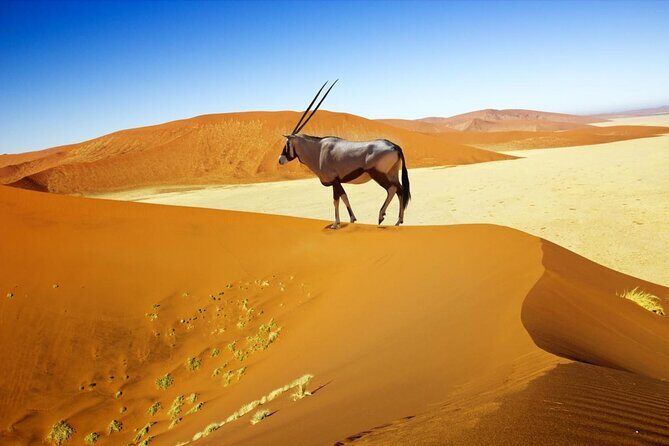
- Sunrise at Dune 45 and Dead Vlei gives you the best light for big Namib views.
- Skeleton Coast Cape Cross seals means a dramatic, up-close nature moment.
- Open-fire camp cooking is a repeated feature of the experience.
- Last night at Quiver Tree Forest sets you up for serious stargazing chances.
A 12-day loop through Namibia’s biggest wildlife and dune hits
This is the kind of Namibia trip that makes sense if you want variety without repeating backtracks. You’re moving from rhino conservation and classic Etosha waterhole viewing into Himba culture, then west to the Skeleton Coast, and finally south through the Namib and into canyon country.
What makes it work is the pacing. You get early game drives when animals are active, you get daylight hours for hikes and viewpoints, and you still have a genuine break built in around Swakopmund before the desert push toward Sossusvlei.
And yes, you’re camping most nights, so the route feels like an adventure rather than a checklist tour. That’s a plus if you like the outdoors rhythm, and a deal-breaker if you’re expecting hotel comfort.
A few more Windhoek tours and experiences worth a look

Starting in Windhoek: Chameleon Safaris, group size, and what you’re really paying for
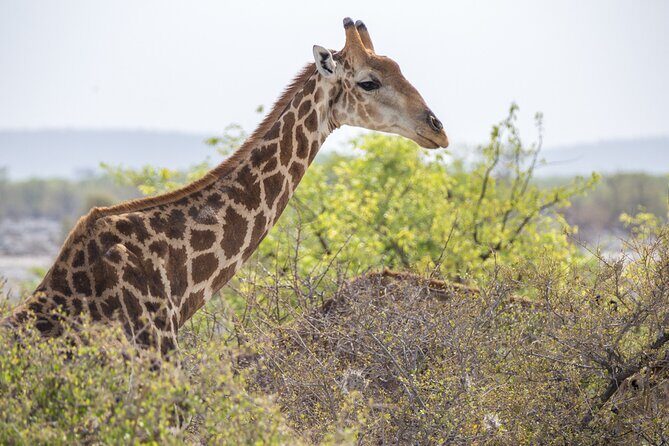
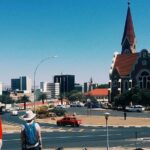
The tour starts at 7:00 am at Chameleon Safaris on Ferry Street in Windhoek, with pickup offered. It’s capped at 10 travelers, which matters because it keeps drives calmer and camp setup more manageable.
You’ll also travel with a mobile ticket, and confirmation comes at booking. The trip includes 10 nights camping plus 1 night accommodation, and meals are covered with breakfast (11), lunch (11), and dinner (10). That meal plan is a big part of the value, especially on long drive days when stopping for food would cost you time and energy.
Price-wise, you’re paying roughly $3,071.21 per person for the full 12-day circuit with camp gear support. But the key value is what’s bundled: food, guided wildlife time, and admissions for select park and attraction stops, plus the constant logistics of getting you from place to place.
Just be clear on what’s not included: sleeping bag and drinks (including mineral water, soft drinks, and alcohol). If you don’t budget for those, your final spend will creep up fast.
Mount Etjo and Etosha National Park: rhinos, waterholes, and early mornings
Day 1 builds momentum right away. You start with stops around Windhoek—Chameleon Safaris for your pre-departure talk, then a quick visit to the Okahandja Mbangura Woodcarvers Craft Market where you can browse and practice haggling while supporting local artisans. The day also includes Mount Etjo Game Reserve, a conservation-focused place tied to efforts supporting Namibia’s rhinos.
Your afternoon game drive here is timed for light and wildlife. It ends with a Namibian sunset, which is simple but effective: it helps you feel the setting before you jump into the heavier wildlife days.
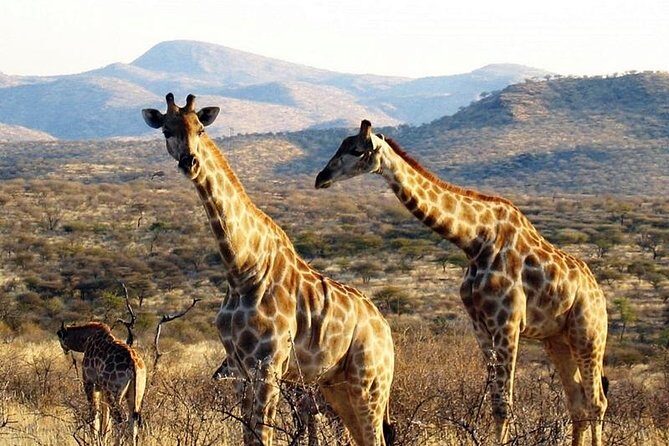
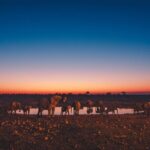
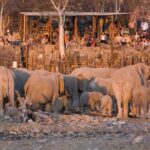
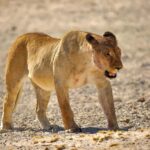
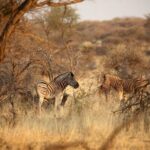
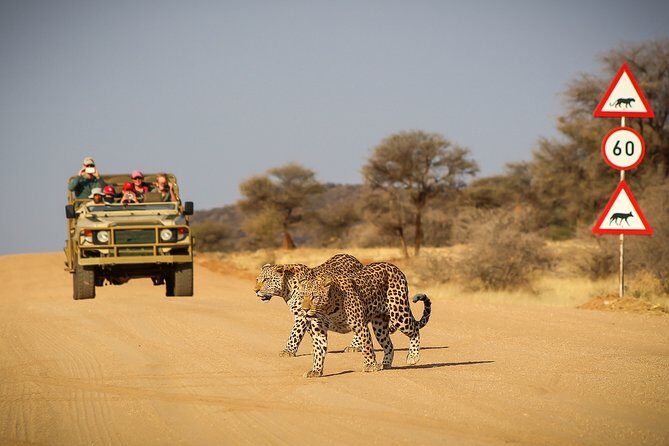
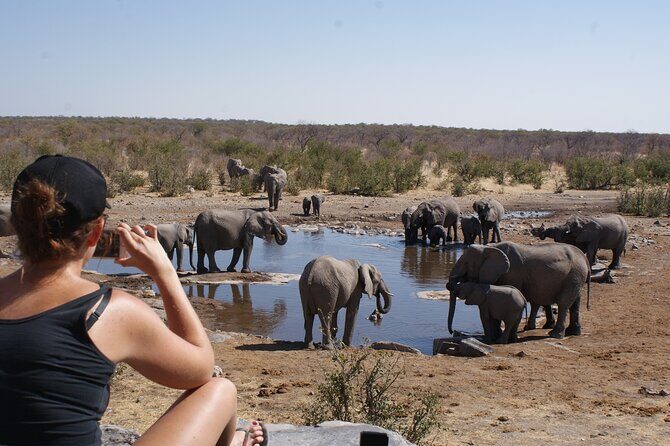
Then comes Etosha, and Etosha runs on a different logic: waterholes. You enter the park and move through to Okaukuejo for camp, lunch, and another afternoon game drive. The standout night detail is the chance to visit the floodlit waterhole, where rhino, elephant, giraffe, lion, and hyena are frequent visitors. That’s the kind of setup that can turn an ordinary evening into a wildlife moment with real odds.
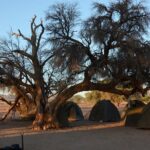
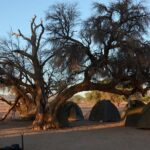
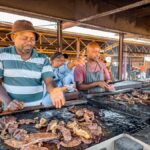
Also, Etosha is where you’ll see how camping affects the experience in a good way. Dinner is cooked by your guide over an open fire, which gives you a social, outdoors feeling after long viewing hours.
Etosha Pan sunrise to Halali water moments: a “morning works” strategy
Day 3 is built around one of the best safari habits: go early. You’ll head out at sunrise for a game drive and hit multiple waterholes while searching for active predators. Breakfast happens at a fenced picnic spot within Etosha, which keeps you from feeling stuck in the vehicle the whole morning.
Then you get a land-change moment with the Etosha Pan itself—described as a large saline desert. You’ll be able to step out of the vehicle and experience that scale up close, and it’s a memorable break from the usual “window-of-the-car” viewing.
After that, the day shifts to a different style of breaks. You spend time at water-focused stops like Moringa Waterhole, then roll through to Halali for lunch and a pool time, before returning via waterholes toward Okaukuejo.
If you’re wondering what makes this schedule feel thoughtful: it repeats the best pattern. Animals concentrate around water, and the day is organized around those concentration points with just enough transit time to keep it from feeling rushed.
Himba culture at Otjikandero: meeting people, not just places
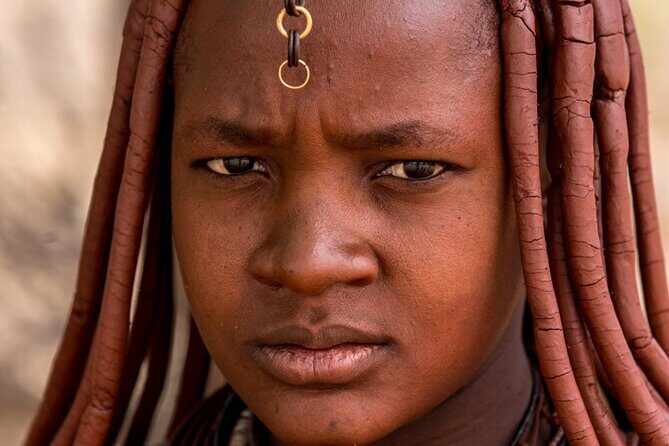
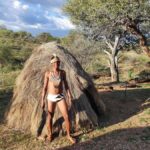
Day 4 is where the trip becomes more than wildlife. After leaving Etosha, you visit the Otjikandero Himba Orphan Village near Kamanjab. The guided tour is specifically framed around understanding Himba culture and customs, and it’s also a two-way moment where you share a bit of your own culture.
This stop matters because it adds context to Namibia that wildlife alone can’t provide. It also affects how the day feels: instead of only scanning for animals, you’re listening, asking questions, and learning how community life works.
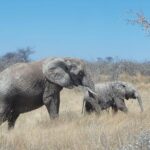
Then you continue to Palmwag Campsite, set up camp, and spend the afternoon watching for desert elephants. That blend—people in the morning, desert wildlife in the evening—creates a nice emotional balance before you shift to the coast.

Skeleton Coast to Cape Cross: foggy coast energy and seal chaos (in a good way)
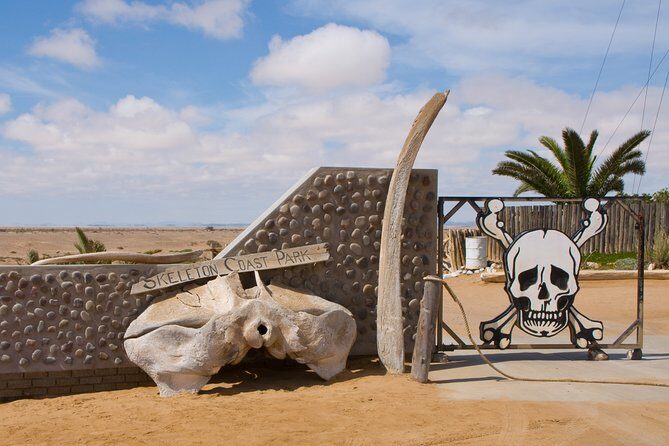
On Day 5, you start heading toward the Atlantic and enter Skeleton Coast National Park. The coast here is described as hostile but fascinating, with shipwreck history tied to fog, currents, and rough seas. Even without needing to know every wreck story, you feel the “weather rules this place” vibe.
You reach Cape Cross mid-afternoon, set up camp, and have time to walk the beach or take a swim if you feel brave. That afternoon freedom is useful because it lets you reset after a long drive day.
Day 6 continues with a seal-heavy morning at the Cape Cross Seal Reserve, where up to 200,000+ Cape fur seals can be seen during breeding season (November–December). It’s not subtle, so if you’re easily overwhelmed by strong smells or noise, plan accordingly.
You also stop at the Zeila Shipwreck and then reach Swakopmund early afternoon. Swakopmund becomes your staging point for a real break from camping, since dinner is at your own expense and the guide can help with recommendations or bookings for optional activities.
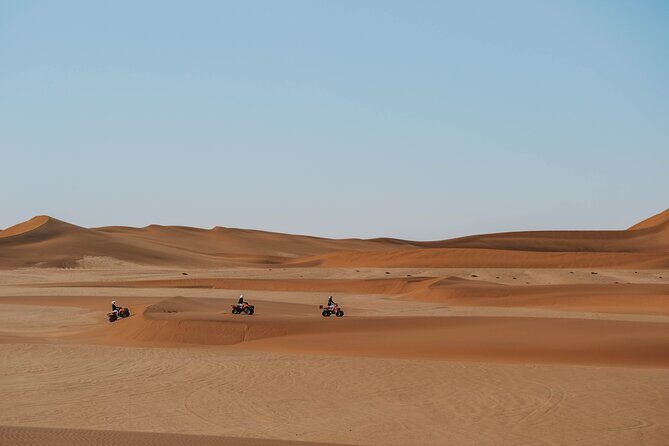
This is also where the trip gives you choice. Want adrenaline? The town offers options like skydiving and quad biking, plus plenty more in the same style.
Swakopmund sleep-in, Kuiseb Pass, and the calm before Sossusvlei
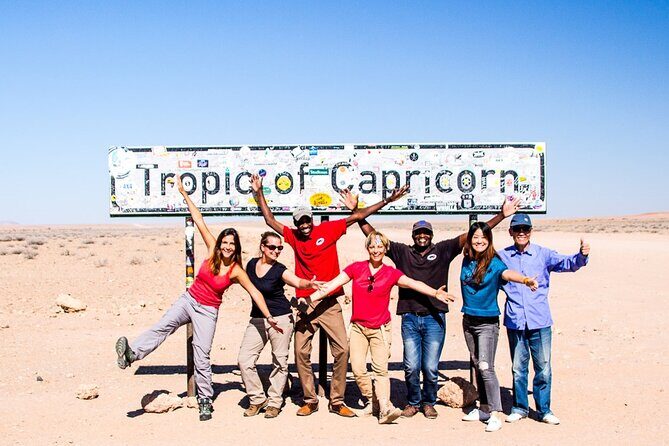
Day 7 leaves Swakopmund at 11:30, so you can either enjoy a slower start or get out for one of the optional activities. You’ll drive through the Namib via the Kuiseb Pass, crossing the Tropic of Capricorn, and stop briefly in Solitaire for a snack and leg stretch.
Then you roll into Sesriem late afternoon, set up tents, and end the day with desert sunset. This is the kind of “quiet reset” evening that helps when the next day is full on dune time.
One practical consideration: this is a longer transition toward your desert core. The payoff is that once you’re set up in Sesriem, the rest of the trip focuses on the big Namib hits without constantly packing and unpacking.
Dune 45, Sossusvlei, Dead Vlei: sunrise steps that change your sense of scale
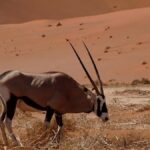
Day 8 is the desert highlight day. You depart before dawn, drive down an ancient river bed, and get your first big stop at Dune 45. You’ll have a chance to climb to the top for sunrise, then come back down, recharge with breakfast, and keep moving.
After that you go into the Sossusvlei area, exploring on foot. The pace here matters: short walks instead of nonstop hikes, which makes the experience easier to enjoy without turning it into a suffering contest.
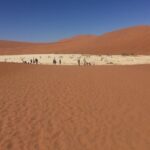
Then you head to Dead Vlei—the bleached cracked clay and skeletal camel thorn trees against huge dunes. It’s a contrast scene that’s easy to understand once you’re looking at it, because the emptiness is part of the drama.
After a lunch and swim or siesta back in Sesriem, you finish with Sesriem Canyon later in the afternoon. This is a good add-on because it gives you something “less iconic than the dunes” but still visually strong and different.
Southern Namib: Klein Aus trails, Kolmanskop’s ghost-town pull, and wild horses
Day 9 packs you into the southern Namib rhythm. After breakfast, you travel through Namibia’s Namib Rand Nature Reserve, then head to Klein Aus in the Gondwana Sperrgebiet Rand Park area. Once you arrive and set up camp, the afternoon is open for short hikes, plus a sunset and dinner by the guide over an open fire.
That “short hiking trails” time is valuable because it lets you stretch your legs and experience desert details without exhausting yourself. You’re still on a schedule, but you’re not just sitting and driving.
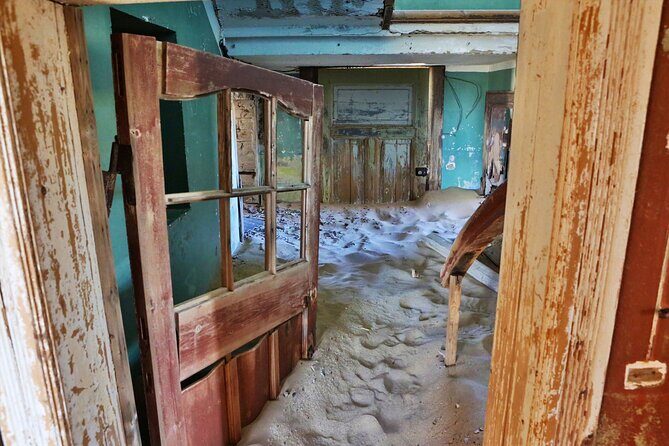
Day 10 takes you to Kolmanskop Ghost Town, 15 km outside Luderitz. You’ll learn how the diamond boom made Kolmanskop one of the richest towns in Africa, with details like the southern hemisphere’s first X-ray machine, a bowling alley, and luxury housing. When the diamond boom ended, the town was abandoned and nature took it back.
From there, you continue to Lüderitz for colorful colonial-style buildings on the rocky Atlantic shores, then stop at Diaz Point for the original Diaz Cross site. On the return, you keep your eyes open for the wild horses of the Namib Desert between Luderitz and Klein Aus. Even without a guarantee, it’s the kind of “look up and scan” moment desert travel thrives on.
You end the day back at Klein Aus with another sunset and guide-prepared dinner.
Fish River Canyon and Quiver Tree Forest: big views, then stargazing odds
Day 11 moves you east toward Fish River Canyon, starting with Hell’s Bend viewpoint. This is framed as the second largest canyon in the world, formed by erosion and valley collapse tied to earth crust movements. It’s the type of viewpoint that makes you feel small without needing any storytelling trick.
After lunch, you drive to Quiver Tree Forest Rest Camp, where you’ll camp for the last night. The forest is home to about 250 quiver trees, and they’re estimated to be around 200–300 years old. The quiver tree, also called kokerboom, is Namibia’s national tree, and the area became a national monument in 1995.
Quiver Tree is also the stargazing setup. The last night is explicitly a star-friendly moment for photography, with the note that permits for night photography aren’t included. Even if you don’t plan to shoot the sky, the atmosphere is built around calm, quiet viewing.
Day 12 starts with exploring the quiver trees at sunrise, then you take the long journey back to Windhoek. Lunch is picnic-style on the road, and you pass through small towns like Mariental and Rehoboth before arriving late afternoon. The note here is simple: no flights recommended on the return day, which makes sense when you’re driving and not sure how traffic or road conditions might land.
Price and comfort: what you get for a budget camping safari
At about $3,071.21 per person, this isn’t a bargain if you’re comparing it to a hotel-only vacation. But for Namibia, it’s a value play if you want broad coverage with guided wildlife time, structured meal planning, and admissions wrapped into the trip.
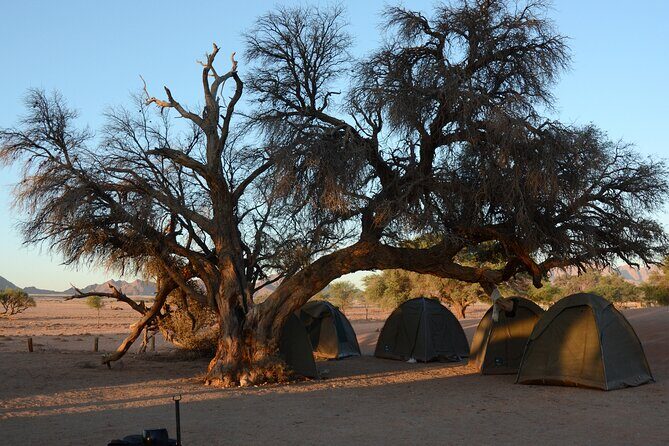
The real comfort factor is the camp system. You’re given camping equipment excluding your sleeping bag, and your meals are handled. Dinner is often cooked by the guide over an open fire, which is a warm social rhythm in a cold-world environment.
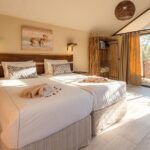
The day-to-day tradeoff is that you won’t have the conveniences of a bed and bathroom every night. The trip does include one night of accommodation, but most nights are under canvas. If you come prepared and accept the outdoors pace, that tradeoff feels worth it.
This tour fits best if you:
- Want big-name Namibia in one circuit without complex planning
- Like early starts and don’t mind driving days
- Are comfortable with camping and a moderate physical fitness level
- Enjoy both wildlife and cultural context
It may not fit if you expect comfort-first travel, or if you don’t want to plan for basic essentials like a sleeping bag.
Should you book this camping safari?
I’d book it if your goal is a strong Namibia overview: Etosha waterhole wildlife, Skeleton Coast intensity, and dune-country icons like Dune 45 and Dead Vlei, all with camp meals and a small group.
I’d pause if camping sounds like a chore rather than part of the fun. With sleeping bag not included and drinks not included, your prep matters. Also, if you want a fully polished comfort style, the outdoors rhythm here will feel less forgiving.
If you’re the type who likes conservation stops, wide-open days, and ending under quiver trees with the sky overhead, this is a smart way to spend 12 days in Namibia.
FAQ
What time does the tour start, and where does it begin?
The tour starts at 7:00 am at Chameleon Safaris (Ferry Street, Windhoek, Namibia).
Do they offer pickup?
Yes, pickup is offered.
How many travelers are in the group?
The tour has a maximum of 10 travelers.
Is camping equipment and a sleeping bag included?
Camping equipment is included excluding a sleeping bag, so you’ll need to bring your own sleeping bag.
Are meals included?
Yes. You get breakfast (11), lunch (11), and dinner (10).
Are drinks included?
No. Drinks, including mineral water, soft drinks, and alcohol, are not included.