REVIEW · WINDHOEK
6 Day Sand, Sea & Etosha Budget Camping Safari
Book on Viator →Operated by Chameleon Safaris · Bookable on Viator
Two deserts, one trip, and big early mornings.
This 6-day Sand, Sea & Etosha safari is a smart way to see Namibia’s top sights without living out of a suitcase. I love the mix of pre-dawn Sossusvlei dunes (Dune 45) and serious wildlife time around Etosha’s waterholes. One thing to consider: the pace includes very early starts and some nights in camping setups, so you’ll want to be comfortable with basics (and bring or hire a sleeping bag).
The operation is built around practical logistics and a guide who keeps things calm. Reviews point to Raymond as an excellent guide, especially if you have never camped before, plus Simon for the organized, fun vibe. You also get real value because key costs are included: national park entry fees, game driving, and a chunk of meals.
If you’re booking this, you’re probably doing it for the sights and the experience, not luxury. It’s a small group (max 9), pickup is within Windhoek city limits at 07:00, and you’ll travel in Chameleon Safaris’ vehicle during the game driving.
In This Review
- Key highlights at a glance
- Price and value: what you really get for $1,355.66
- Windhoek to Sesriem: the drive that sets your expectations
- Sossusvlei and Dune 45: why sunrise is worth losing sleep
- Namib gravel plains to Swakopmund: desert roads, pass views, and Tropic photos
- Etosha arrival at Okaukuejo: waterholes become your agenda
- Etosha morning drives to Halali: how the second day improves your odds
- From Halali back to Windhoek: Otjiwarongo fuel stop and Okahandja craft time
- Camping practicalities: what to pack so the budget feels comfortable
- Group size, timing, and comfort level: who will love this and who might not
- Should you book this 6-day Sand, Sea & Etosha Budget Camping Safari?
- FAQ
- What time do you meet in Windhoek?
- Is a sleeping bag included?
- What camping gear is included?
- What meals are included?
- Are park entry fees included?
- How many people are in the group?
- Is Sossusvlei included?
- What is the cancellation policy?
Key highlights at a glance
- Dune 45 sunrise timing: a pre-dawn start for the best dune light
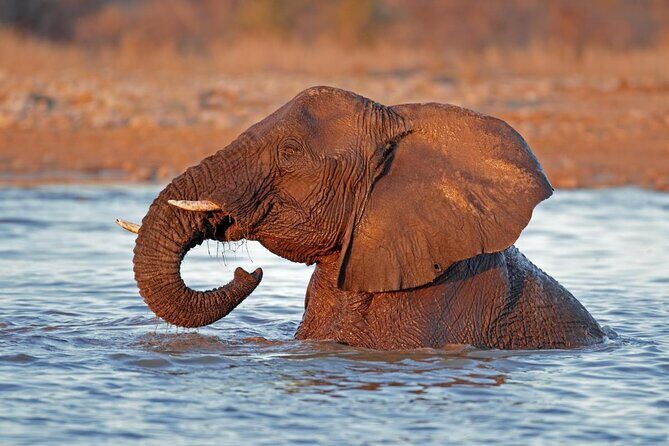
- Etosha waterhole focus: game drives built around where animals actually show up
- Camping help that matters: Raymond is singled out for making tent setup easy
- Small-group feel: max 9 travelers keeps the trip from feeling crowded
- Road-trip photography stops: Tropic of Capricorn and pass crossings on the way to the coast
- Good value bundle: park fees, park entries, tap water, and many meals included
Price and value: what you really get for $1,355.66
At about $1,355.66 per person for a 6-day loop starting in Windhoek, this isn’t the cheapest way to travel in Namibia—but it is careful about what it includes. You’re not just buying a bus ticket. Your package covers several cost items that can add up fast in Southern Africa.
What stands out as value:
- National park entry fees and park fees are included.
- Game driving happens in a Chameleon Safaris vehicle.
- You get Sossusvlei excursion included.
- Meals are partially covered: breakfast (5), lunch (6), dinner (4).
- Tap water is included.
What’s not included (and you should plan for):
- Drinks and water, including mineral water.
- Sleeping bag (you can hire it).
- Tips and optional activities.
So the smart way to think about the price is this: you’re paying for access, timing, and guided wildlife time. If you were to cobble together a similar route on your own, you’d still need to handle park fees, transport, and food planning. Here, a lot of that is handled for you.
A few more Windhoek tours and experiences worth a look
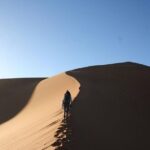

Windhoek to Sesriem: the drive that sets your expectations
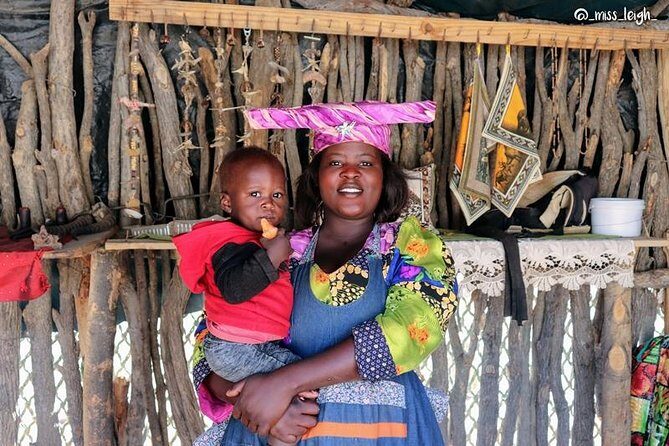
Day 1 starts with pickup in Windhoek city limits at 07:00, followed by a short pre-departure meeting at Chameleon HQ. That early start isn’t random. It gives the group enough time to move out of town, stop for supplies, and reach Sesriem around lunchtime.
You’ll drive through changing scenery: the road climbs up over Namibia’s central plateau, then you stop at Rehoboth for essential supplies. You pass through a smaller community area at BűellsPort before reaching camp. The goal here is simple: get you positioned for the dune day without wasting daylight.
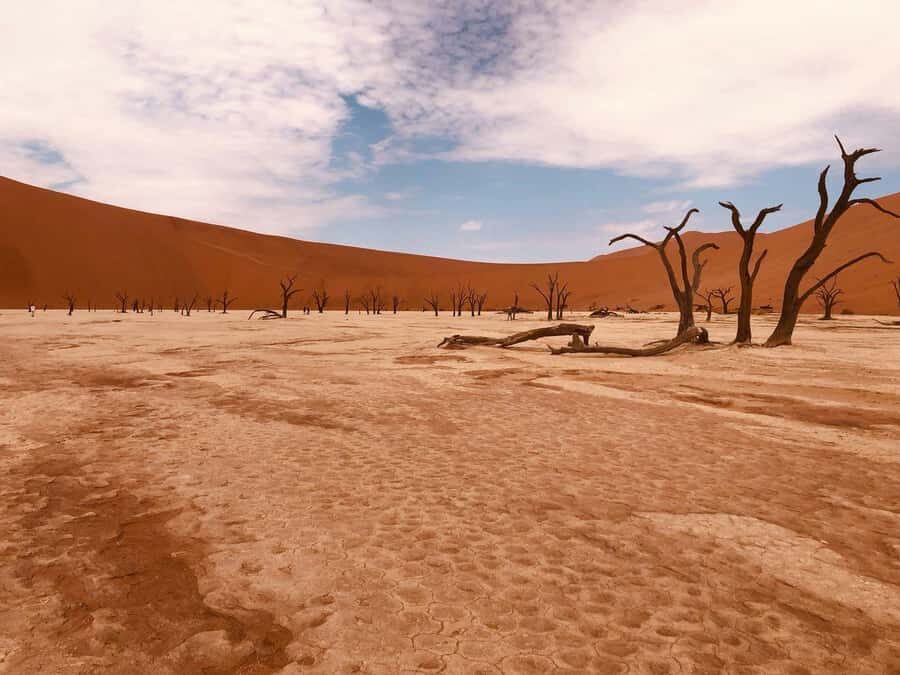
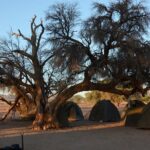
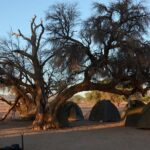
When you arrive near Sesriem, you set up under a big, ancient camelthorn tree, with views toward tall red dunes of what’s often described as the world’s oldest desert. That may sound poetic, but it’s also practical. You’re not just arriving at a random parking spot. You’re getting a “camp first, dunes later” rhythm.
Potential drawback for some people: driving days always mean that evenings arrive tired. You won’t have a lot of free time on Day 1, because Day 2 is early.
Sossusvlei and Dune 45: why sunrise is worth losing sleep
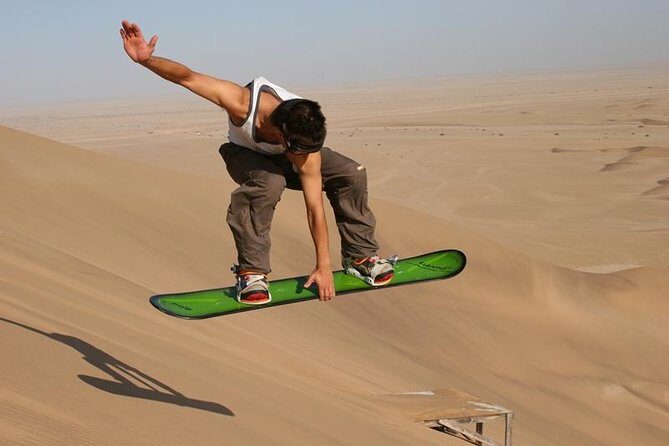
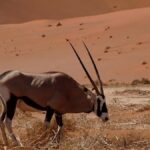
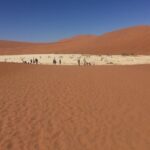
On Day 2, sunrise is the whole point—and that means a pre-dawn start. You head to Dune 45, named because it sits 45 km from Sesriem. The distance happens in darkness and twilight, so yes, expect an early wake-up and an even earlier departure.
Why Dune 45 specifically:
- It’s one of the classic “go early” viewpoints in the Sossusvlei area.
- At sunrise (and sunset), dunes shift from orange and apricot-red highlights into deeper shadows. That light change is what gives dunes their depth and texture in photos.
Once you reach Dune 45, you climb to a vantage point for sunrise, then return to the vehicle for a quick breakfast. After that, the morning turns into a classic dune experience: you’ll be out where the colors do their thing, not at a time when the sun is already high and everything looks flat.
Practical advice:
- If you hate being cold in the early hours, bring layers. Desert mornings can be a surprise.
- Expect to spend meaningful time outdoors, including walking and climbing to views.
This is the day that can make or break people’s memories of the trip. If you enjoy photography, quiet moments, or just that first burst of desert color, you’ll get a lot out of this.
Namib gravel plains to Swakopmund: desert roads, pass views, and Tropic photos
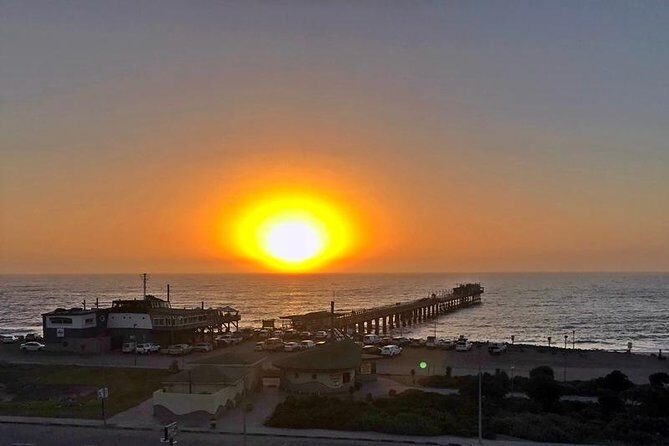
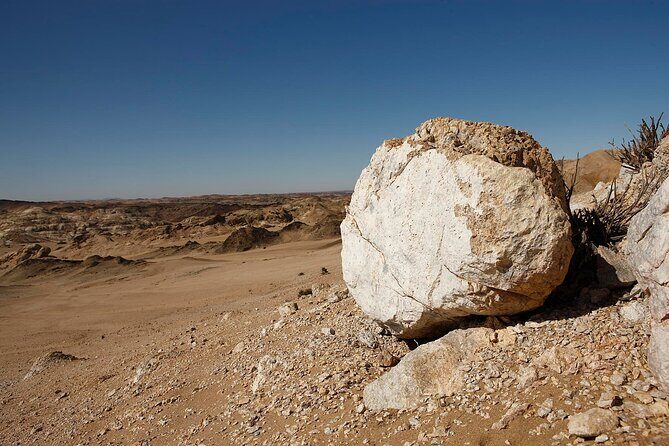
Day 3 is the “move west” day. After an early breakfast, you drive into the desert toward the coast, crossing the Namib gravel plains—flat and barren in feel, but cut by huge rock outcrops (inslbergs). You’ll also cross the Tropic of Capricorn at 23.5 south degrees, stopping at the signpost for photos.
Then come the passes. This is where the route turns from flat driving into sharper scenery:
- You traverse the smaller Gaub River canyon.
- You continue toward the top of the mountains.
- Then you drop steeply into a canyon carved by the Kuiseb River before it reaches the ocean.
Even if you’re not a geology nerd, the timing makes sense. You’re arriving at the coast area with your eyes already adjusted to Namibia’s big distances, and the road gives you a visual reward for the drive.
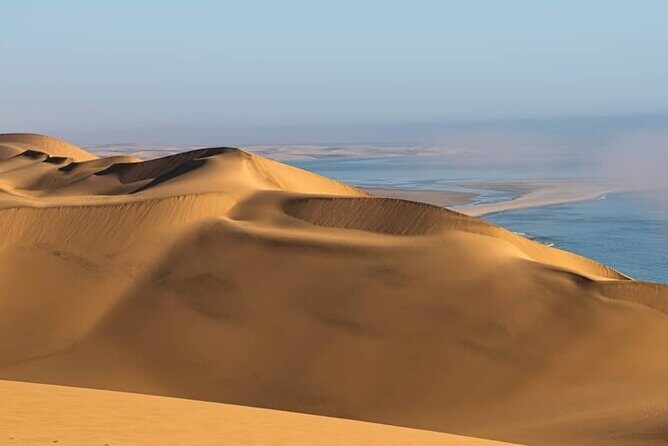
You’ll reach Swakopmund as your stop (and this is also part of your “Sea & Skeleton Coast” segment). This matters because it breaks the trip up nicely. After dunes and desert heat, the coastal feel is a relief, even if the weather can still be changeable.
One consideration: Day 3 is described as another full travel block, so don’t count on a late, lazy arrival. This is still an active day.
Etosha arrival at Okaukuejo: waterholes become your agenda
Day 4 switches gears from coast-desert roads to wildlife strategy. After breakfast, you aim to be on the road at 09:00, taking a scenic route on comfortable paved roads all the way to Etosha National Park.
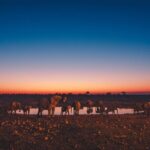
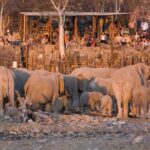
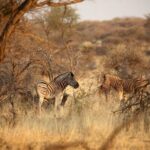
You arrive in the afternoon and do your first camp drive into the park, then spend the evening at the Okaukuejo waterhole. That word—waterhole—is important. Etosha is a desert system where animals concentrate around scarce water sources. If you try to “hunt” wildlife with random driving, you waste time. Here, your driving is anchored to where animals are likely to be.
The Okaukuejo waterhole is also a great orientation point. It gives you an easy first taste of Etosha’s rhythm: animals moving in the evening, the quiet tension of waiting, and suddenly seeing shapes you would never spot from a distance.
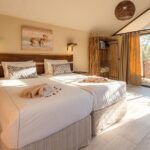
In terms of comfort and expectations, remember: you’re camping in Etosha nights during this trip. That’s a big part of the “budget” nature of the safari. Still, this plan builds a clear reason for the discomfort: wildlife doesn’t wait.
A few more Windhoek tours and experiences worth a look
Etosha morning drives to Halali: how the second day improves your odds
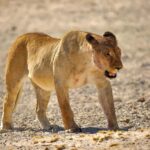
Day 5 is another wildlife-heavy day focused on waterholes. The approach stays consistent: because Etosha is dry, the best game-driving technique is to consider where water is and where animals will come to drink.
You start with the early morning plan around Okaukuejo waterhole, hoping animals come to you as they attend for a drink. Along the way, you stop at a designated picnic area for a quick breakfast, then continue the drive toward camp at Halali.
The camp at Halali is also included with a bit of extra meaning. Its name comes from a bugle refrain once used during sport hunting in Europe, where the bugler sounded Halali to mark the hunt’s end. You can treat that as a bit of trivia, but it also reinforces something real: this area has long been tied to wildlife tracking and the human history of hunting and game management. Today, of course, your time is for viewing, not hunting.
Why the second Etosha day matters:
- You learn the rhythm on Day 4.
- Then you get to do it again with slightly better instincts about how animals show up and how much patience the drives require.
If you’re the type who hates sitting around, you’ll still need to tolerate waiting. But in Etosha, waiting is where the sightings happen.
From Halali back to Windhoek: Otjiwarongo fuel stop and Okahandja craft time
On Day 6, you break camp for the last time and head south back to Windhoek. You stop briefly at Otjiwarongo to refuel the truck, then continue through Okahandja, where you’ll find Namibia’s largest wood carving market.
This is your chance to pick up a souvenir that feels connected to place, because craftsmen come from across Namibia to showcase items both large and small. It’s also one of the few stretches of the itinerary that feels less about clocks and more about browsing.
You aim to get back to Windhoek in the late afternoon, and there’s a shuttle service that takes you to your accommodation within Windhoek city limits.
Camping practicalities: what to pack so the budget feels comfortable
This tour includes camping equipment excluding sleeping bag. That’s a key distinction. A sleeping bag can be hired, but it’s not automatically included in the package as listed. If you’re unsure about your warmth, it’s safer to plan ahead so your night doesn’t become a surprise comfort issue.
Also note:
- Tap water is included.
- Drinks and water are not included, including mineral water.
So the best approach is to think like a camper: you’ll have water access for basic needs, but you may want to budget for additional drinking water. And because this is a small-group trip with active driving, don’t pack heavy. Bring layers, rain protection if you need it, and a flexible attitude about sleep schedules.
The most encouraging part for first-time campers is that the guiding is hands-on. In reviews, Raymond is singled out for making people comfortable and showing how to put up the tents. If camping makes you nervous, this kind of instruction is exactly what you want to hear before you arrive.
Group size, timing, and comfort level: who will love this and who might not
This safari is best for you if you want:
- Wildlife in Etosha built around real waterhole behavior
- Sossusvlei at the right time of day, not just a quick drive-by
- A tour that feels organized without pretending to be luxury
- A small group experience (max 9 travelers)
You should consider whether it fits if:
- You dislike early mornings. Day 2 is pre-dawn.
- You want everything to be private and flexible. This is a set itinerary with scheduled travel blocks.
- You need full comfort camping with all essentials included. Sleeping bag availability is separate, and drinks aren’t included.
Moderate physical fitness is suggested. That matters most for dune walking, viewpoints, and the general day-to-day movement between stops.
Should you book this 6-day Sand, Sea & Etosha Budget Camping Safari?
I’d book it if your goal is to hit the big Namibia icons—Sossusvlei dunes, Etosha waterholes, and the Swakopmund coast—while keeping costs under control. The value is real because park fees, game driving, and a lot of meals are included. And the camping side sounds approachable, especially with guides like Raymond who teach tent setup clearly.
I’d think twice if you’re looking for a laid-back trip with late starts and zero camping learning curve. This is an outdoors-first route with early timing and basic nights. If that’s your thing, you’ll likely feel like you got your money’s worth fast.
If you want to get the most from it, prepare for early light, plan for sleeping bag needs, and pack smart for day-to-day movement. This tour rewards the people who show up ready.
FAQ
What time do you meet in Windhoek?
Pickup is offered within Windhoek city limits at 07:00. After pickup, there’s a short pre-departure meeting at Chameleon HQ.
Is a sleeping bag included?
Sleeping bag is not included. You can hire one if needed.
What camping gear is included?
Camping equipment is included, but it excludes the sleeping bag.
What meals are included?
Breakfast is included 5 times, lunch 6 times, and dinner 4 times. Tap water is included.
Are park entry fees included?
Yes. National park entry fees and park fees for the National Parks are included.
How many people are in the group?
The maximum group size is 9 travelers.
Is Sossusvlei included?
Yes. The Sossusvlei excursion is included.
What is the cancellation policy?
This experience is non-refundable and cannot be changed for any reason. If you cancel or ask for an amendment, the amount paid will not be refunded.