REVIEW · WINDHOEK
9 Day Canyons, Dunes & Wildlife Camping and Lodge Safari
Book on Viator →Operated by Chameleon Safaris · Bookable on Viator
Namibia gets under your skin fast. This 9-day small-group safari strings together Etosha wildlife and the Namib Desert’s iconic dune country, mixing lodge nights with real camping under big skies. I especially like the small pace and hands-on feel you get with a max of 10 travelers, plus the custom vehicle with a pop-up roof that makes game viewing in Etosha easier.
One thing to think about: you’ll spend a lot of time in the vehicle. Distances are real in Namibia, and drinks and snacks aren’t included, so plan for hydration on long driving stretches.
In This Review
- Key things I’d prioritize on this tour
- A 9-day hit list of Namibia: Etosha, dunes, canyons, and coastal stops
- Price and logistics: what $2,568.47 buys you (and what it doesn’t)
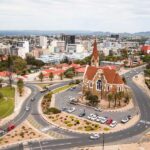
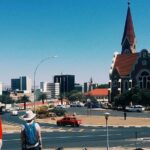
- Getting started in Windhoek: the first morning sets the rhythm
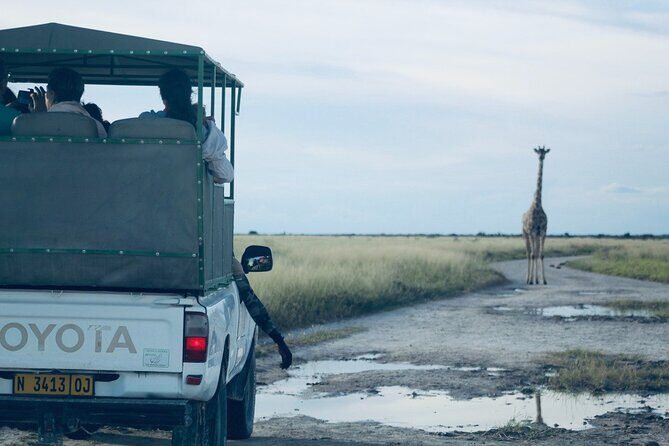
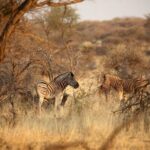
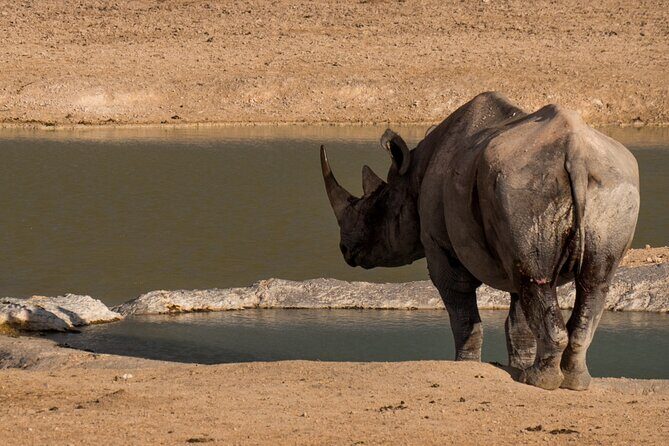
- Etosha National Park: the wildlife part is built for real sightings
- Day 1 arrival and Halali’s floodlit waterhole
- Day 2: morning predators, then the Etosha Pan
- Damaraland to Uis to the Zeila Shipwreck: culture and coastline in one long travel day
- Swakopmund arrival and your free evening
- Namib Desert classics: Dune 45, Sossusvlei, Dead Vlei, and Sesriem Canyon
- Pre-dawn Dune 45 sunrise
- Sossusvlei on foot, then Dead Vlei’s strange geometry
- Sesriem Canyon later the same day
- Namib Rand camping at Klein-Aus: the desert gets quieter at night
- Kolmanskop and Luderitz: diamond-era ghosts and Atlantic air
- Fish River Canyon and Quiver Tree Forest: big views, then stars
- Hell’s Bend viewpoint over Fish River Canyon
- Quiver Tree Forest Rest Camp at night
- A bonus geology moment on Day 9
- The guides and small-group pacing: where the value feels real
- Who this Namibia safari is best for (and who should reconsider)
- Should you book this 9-day Canyons, Dunes & Wildlife safari?
- FAQ
- What is the maximum group size on this tour?
- What does the tour include for meals?
- Is pickup available, and where does the tour start?
- Do I need to bring a sleeping bag?
- What wildlife area does the itinerary include?
- Is Swakopmund dinner included?
- Is the experience refundable if I cancel?
Key things I’d prioritize on this tour
- Small group size (10 max) with more guide time when sightings happen fast
- Etosha game drives paired with evening time at the floodlit waterhole at Halali
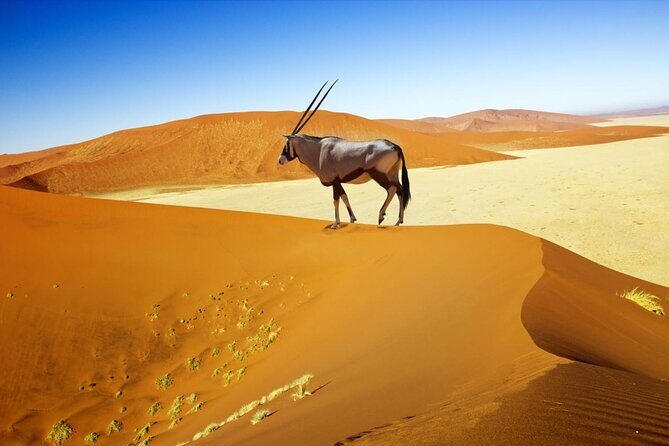
- Pre-dawn Dune 45 sunrise followed by breakfast in the dunes
- Walks in Sossusvlei and Dead Vlei where the views don’t come from just the road
- Camping at Klein-Aus and Quiver Tree Forest with guide-prepared meals and star-friendly nights
A 9-day hit list of Namibia: Etosha, dunes, canyons, and coastal stops
This is the kind of trip where you feel like you’re covering a lot—but you’re not just racing between photos. The route is built around Namibia’s best contrasts: dry savanna and predators in Etosha, then dunes and salt-pan weirdness in Sossusvlei, then the stark canyon world of Fish River Canyon, and finally the quiver tree rest camp night sky. Add in a ghost town and a diamond-town story at Kolmanskop, plus coastal color in Luderitz, and you get variety without changing tours every day.
I like the way the itinerary mixes big-ticket nature with smaller cultural moments. You get short, structured stops (like Himba and Damara village experiences) that add context without turning the trip into an “all meetings all day” schedule.
A few more Windhoek tours and experiences worth a look
Price and logistics: what $2,568.47 buys you (and what it doesn’t)
At about $2,568.47 per person for 9 days, you’re paying for a “managed route” experience: accommodations, meals, transportation, and entry-style activities are part of the package. You’re also paying for time-saving logistics in a country where things are spread out.
Here’s what that means in real life:
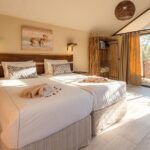
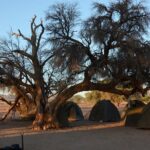
- You get 3 nights lodge and 5 nights camping on a twin-share basis, with camping equipment provided (but not a sleeping bag).
- You’re covered for game drives in Etosha (one full day and one afternoon) and for guided time in key areas like Sossusvlei/Dead Vlei and Kolmanskop.
- You get a professional English-speaking driver and guide, plus pickup/drop-off within Windhoek city limits.
What’s not included matters just as much:
- Drinks (including mineral water) and snacks aren’t included.
- Optional activities (like quad biking or sandboarding in the Swakopmund area) are on you.
- If you’re the kind of traveler who relies on buying water and snacks constantly, budget extra.
Getting started in Windhoek: the first morning sets the rhythm
The tour meets at Chameleon Safaris on Ferry Street in Windhoek and starts at 7:00am. There’s a pre-departure talk at the start point, then you roll out toward the north.
A couple of small “good travel” touches show up early:
- You get a stop in Otjiwarongo for last-minute supplies, drinks, and snacks.
- You’re not dropped in the middle of chaos; you get time to organize before the long road stretches begin.
If you want an easy start, this setup is helpful—especially since later days include pre-dawn departures and timed stops where you don’t want to be scrambling for basics.
Etosha National Park: the wildlife part is built for real sightings
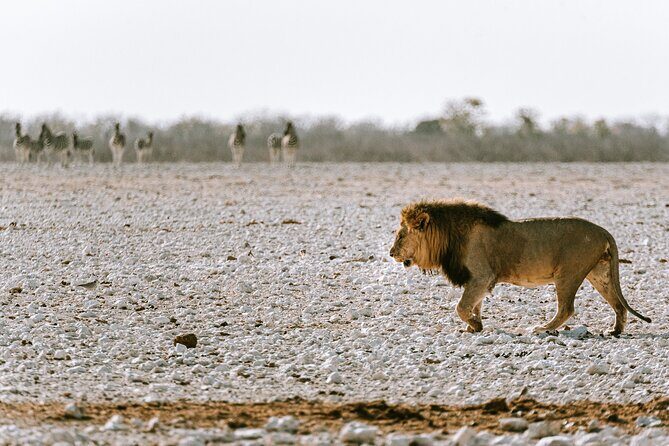
Etosha is where Namibia stops being “pretty” and starts being alive. You’re driving in a way that targets animals, not just scenic roads.
Day 1 arrival and Halali’s floodlit waterhole
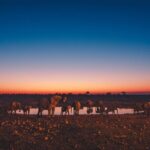
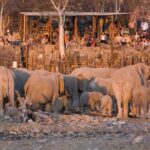
You reach the Andersson Gate around 2pm, then spend the afternoon on game drives toward your accommodation at Halali. The standout tip here is simple: plan to spend time at the floodlit waterhole before and after dinner. That’s often when animals make calm, predictable appearances—without waiting for the next drive.
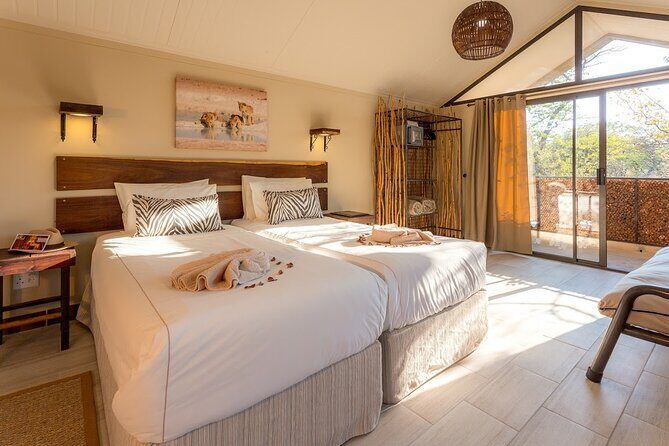
Halali is twin-share accommodation. After a long travel day, it’s also a nice place to “reset” because you’re not rushing to another activity immediately after check-in.
A few more Windhoek tours and experiences worth a look
Day 2: morning predators, then the Etosha Pan
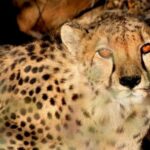
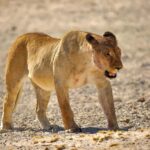
Day 2 starts with a morning drive hunting for predators. The route takes you toward the Etosha Pan, and the timing matters: mornings tend to feel cooler and more active for wildlife.
Later you exit the park just before sunset, with a picnic lunch in the park and additional game drive time on the way back toward Okaukuejo. I like the structure: it gives you both the “early energy” of Etosha and the “golden light” period that can trigger great behavior shots.
If you’re worried about getting “just average” wildlife, this is one of the reasons I can recommend this tour format: the game-drive blocks are built in, not treated like an optional add-on.
Damaraland to Uis to the Zeila Shipwreck: culture and coastline in one long travel day
Day 3 is a long day on the move, and that’s normal for this route. But it’s not dead time—you get meaningful stops that break up the drive and add local flavor.
- In Damaraland, you have a chance to meet the Damara people through a small pop-up shop and a look at local life.
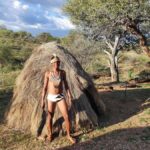
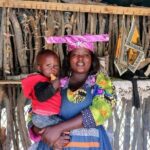
- Near Uis, you stop at a Himba settlement, with a short village tour to understand what makes Himba culture so distinct.
- Then you cross toward the Zeila Shipwreck on the Namib coast for a quick pause and a photo moment.
These stops are brief, but they work as context before you switch gears from desert plains into desert-coastal vibes.
Swakopmund arrival and your free evening
By late afternoon, you check into Hotel A La Mer in Swakopmund, located across from the beach and close to restaurants. Dinner is at your own expense, and the day is structured so you can either rest or add an optional activity if you want it.
This is a good place to stretch your legs and reset your energy before the big desert day.
Namib Desert classics: Dune 45, Sossusvlei, Dead Vlei, and Sesriem Canyon
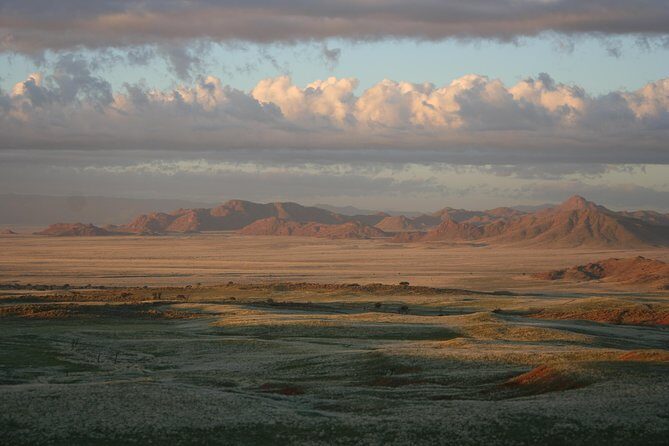
If you only care about one section of Namibia, make it this one. The itinerary gives you both the famous icons and the walking time that makes the dunes feel real.
Pre-dawn Dune 45 sunrise
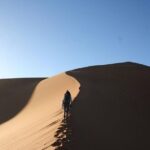
Day 5 starts before daylight from camp. You drive down an ancient river bed to Dune 45, and you can climb to the top for sunrise. You also get breakfast after the descent, which is exactly what you want because dune climbing is more work than it looks.
This is the part of the trip where small details matter: starting early, moving with the group, and having breakfast lined up so you’re not left starving after sunrise.
Sossusvlei on foot, then Dead Vlei’s strange geometry
You continue into the Sossusvlei area and explore uniquely there on foot, then move to Dead Vlei. The view is famous for a reason: pale, cracked clay and the skeletal camel thorn trees against massive dune color changes. Your time includes real walking, not only roadside stops.
Sesriem Canyon later the same day
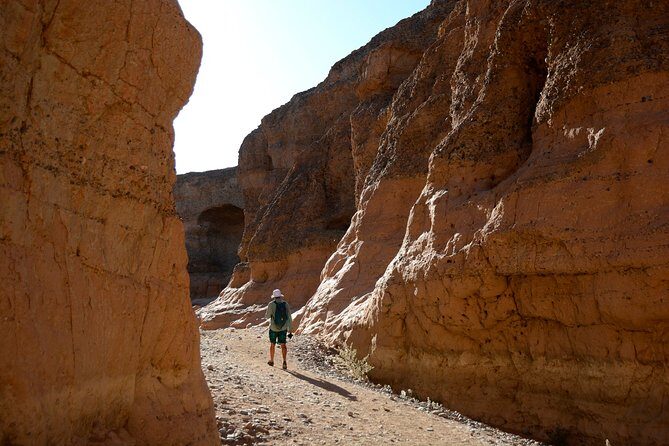
After a lunch return to Sesriem (plus time for a swim or siesta during the heat), you go to Sesriem Canyon later in the afternoon. It’s a solid pairing: dunes in the morning light, then canyon time when the light shifts.
One practical consideration: this day is physically active, even though the walking blocks are short. It’s best suited for travelers with moderate fitness and a comfort level with heat, sand, and early mornings.
Namib Rand camping at Klein-Aus: the desert gets quieter at night
Day 6 shifts from major icons into a more remote feel. You depart Sesriem around 09h00, then head into the Namib Rand Nature Reserve area, with the destination at Klein-Aus in the Gondwana Sperrgebiet Rand Park.
You arrive late afternoon, set up camp, and then the day gives you downtime:
- You can use the afternoon for short hiking trails.
- Sunset happens in that open desert way where the light changes fast.
- Dinner is prepared by your guide over an open fire.
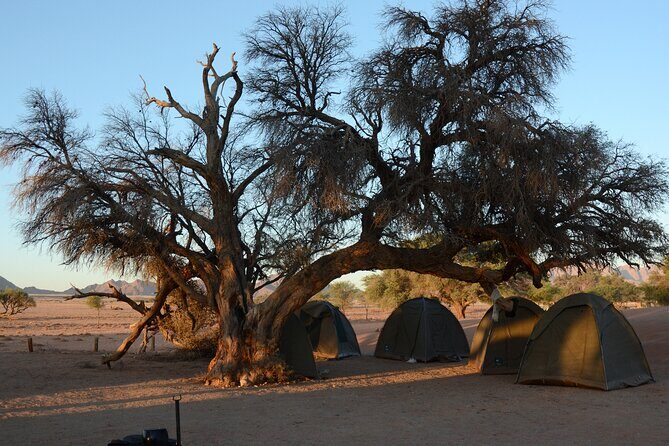
This night is the kind of “why I sleep outside” moment you remember. One of the strongest things about this tour style is that you don’t just drive past stars—you’re actually camping somewhere dark enough to see them properly.
Kolmanskop and Luderitz: diamond-era ghosts and Atlantic air
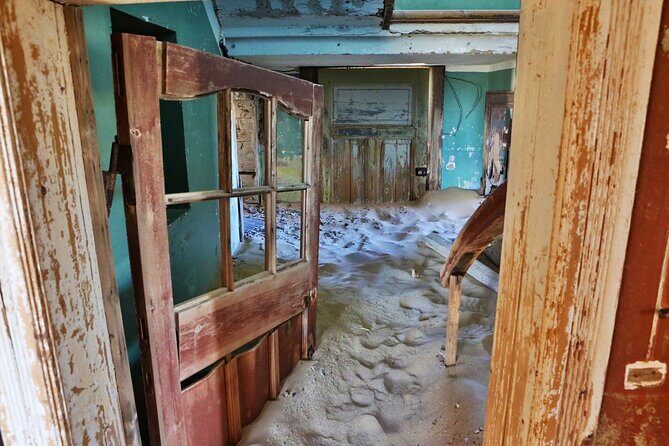
Day 7 starts with Kolmanskop Ghost Town, a former diamond boom settlement about 15km outside Luderitz. The story is built around how quickly the town rose, how it had odd “modern” features for its time (like an X-ray machine and even a bowling alley), and then how people left when the boom ended.
After Kolmanskop, you drive into Luderitz, known for colorful colonial-style buildings along the Atlantic. You also stop at Dias Point (1488), tied to the original Diaz cross location, then keep your eyes open for the wild horses of Aus between Luderitz and Klein-Aus.
You end the day back at Klein-Aus for another sunset and another guide-prepared dinner. It’s a good rhythm: history and town walking in the day, then back to quiet desert nights.
Fish River Canyon and Quiver Tree Forest: big views, then stars
Day 8 is another early start and a clear focus on two dramatic areas.
Hell’s Bend viewpoint over Fish River Canyon
Your first stop is at the Hell’s Bend viewpoint of Fish River Canyon, described as the second largest canyon in the world. This is a lookout day: you’re there to see the canyon scale, understand the erosion story, and take photos when the light cooperates.
Quiver Tree Forest Rest Camp at night
After lunch you head to Quiver Tree Forest, where you’ll find around 250 quiver trees. The forest’s trees are estimated around 200–300 years old, and the area is treated as a national monument.
Your last night is spent camping under the stars, and it’s specifically noted as a great spot for star photography. One warning that matters: permits for night photography are not included.
A bonus geology moment on Day 9
Day 9 finishes with a visit to Giants Playground, a geological formation of dolerite rocks that look stacked. Then you head back toward Windhoek, passing through small towns like Mariental and Rehoboth, and drop back in Windhoek late afternoon.
No flights are recommended on this day, so treat it as a finish-and-recover day.
The guides and small-group pacing: where the value feels real
Chameleon runs this with a custom vehicle and a professional driver/guide team, and the small group size changes how the trip feels.
In the reviews, people highlighted guides like Barrier, Gideon, Kennedy, Gregory, Michael, Taimi, Tulimo, Raymond, and Daniel for good pacing and practical care. That matters because Namibia can move slowly when you hit real wildlife moments—and you don’t want to feel rushed when the action happens.
Also: one of the most consistent themes is food and organization. Camping doesn’t mean “roughing it” in a chaotic way. Meals are included (with breakfast counted for 8 mornings, lunch 9 times, dinners 7 times), and dinner time is anchored in camp life: you eat, you talk, you reset, then you sleep.
And yes, sometimes things go wrong on the road. The trip format is designed so you still keep moving and don’t lose the whole day if you hit a delay.
Who this Namibia safari is best for (and who should reconsider)
This tour is a great match if you want:
- A guided route that hits Etosha, Sossusvlei, and Fish River Canyon without you building logistics
- A small group where you actually get guide attention
- A mix of lodge comfort early, then camping nights at places that feel truly remote
You might want to reconsider if:
- You dislike long driving days. Namibia distances are part of the deal here.
- You depend on drinks and snacks being included (they aren’t).
- You’re not comfortable with early mornings and short hikes in desert terrain.
- You need a guaranteed sleep setup beyond twin-share lodging and provided camping gear (remember: sleeping bag is not included).
Should you book this 9-day Canyons, Dunes & Wildlife safari?
I’d book it if your goal is a focused, high-value sampler of Namibia’s best nature—wildlife, dunes, canyons, and desert night skies—under a guided plan with a max of 10 people. The structure around Etosha game drives and the dedicated time in Sossusvlei/Dead Vlei are the big reasons.
Before you book, do two practical things:
- Budget extra for drinks and snacks, and plan what you’ll bring early since supplies are easiest in the first couple of stops.
- Pack a plan for sleep comfort: since the sleeping bag is not included, bring your own if that’s part of how you travel.
If you want an easier “greatest hits” Namibia trip without building the route yourself, this is a smart choice.
FAQ
What is the maximum group size on this tour?
The tour has a maximum of 10 travelers, which is part of why the experience can feel more personal with a small-group guide and driver setup.
What does the tour include for meals?
Breakfast is included 8 times, lunch is included 9 times, and dinner is included 7 times. Drinks and snacks are not included.
Is pickup available, and where does the tour start?
Pickup is offered within Windhoek city limits. The meeting point is Chameleon Safaris on Ferry Street in Windhoek, with a start time of 7:00am.
Do I need to bring a sleeping bag?
Yes. Camping equipment is included excluding sleeping bag, so you’ll need to bring your own sleeping bag.
What wildlife area does the itinerary include?
The itinerary includes Etosha National Park, with a full day plus an afternoon game drive included.
Is Swakopmund dinner included?
Dinner in Swakopmund is at your own expense.
Is the experience refundable if I cancel?
No. This experience is non-refundable and cannot be changed for any reason.