REVIEW · ETOSHA NATIONAL PARK
Safari in Etosha national park with professional tour guides born in Etosha.
Book on Viator →Operated by Safari In Etosha national park with yavola tours, Namibia · Bookable on Viator
Etosha’s salt pan can steal the show. This safari gives you an efficient way to explore Etosha National Park, starting with the striking Etosha Pan and then shifting toward wildlife-rich areas with a small group and open-sided viewing. I like that the experience is led by professional guides born in Etosha, with guides such as Isack and Oscar highlighted for keeping the hunt for animals focused and informed.
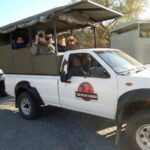
What really makes this tour work on the ground is the combo of comfort and visibility: an insured, regularly serviced vehicle with good all-round views, plus mini blankets for cold desert mornings. I also appreciate that you get still or sparkling water during the drive, so you can stay focused on the bush instead of rationing snacks. One thing to consider before you book: the park entrance fee is not included (listed as N$150 per person), and wildlife numbers are never guaranteed even on a full-day outing.
For timing, you’re looking at a half-day or full-day style safari (with many departures running about 10 hours), and the itinerary kicks off with a short look at the pan before moving on to the animal action. The vehicle seats up to nine people, so it feels more like a guided safari outing than a crowded bus trip.
In This Review
- Key things to know before you go
- Etosha Pan and the view from an open vehicle
- Price and what’s actually included (and what isn’t)
- Why local Etosha-born guides change your odds
- The day’s flow: from Etosha Pan to watering holes
- Big Four strategy: how the guide focuses your search
- Comfort that matters: small group size, blankets, and real viewing
- What about lunch and meals on the road?
- Wildlife sightings: what to expect realistically
- Practical logistics that affect your comfort
- Who this Etosha safari suits best
- Should you book this Etosha Pan safari with Yavola Tours?
- FAQ
- Is the park entrance fee included in the safari price?
- How long is the Etosha safari experience?
- What drinks are included during the safari?
- What size is the safari group?
- Will I get a ticket on my phone?
- What happens if the weather is poor?
- Can I cancel, and how far in advance?
Key things to know before you go
- Etosha Pan stop built in: You get a dedicated short visit to see the white, salty pan in person.
- Big Four focus around hotspots: The plan centers on the places where lions, elephants, rhinos, and leopards are most often spotted.
- Small group (max 9): Easier conversation, fewer distractions, and better attention from your guide.
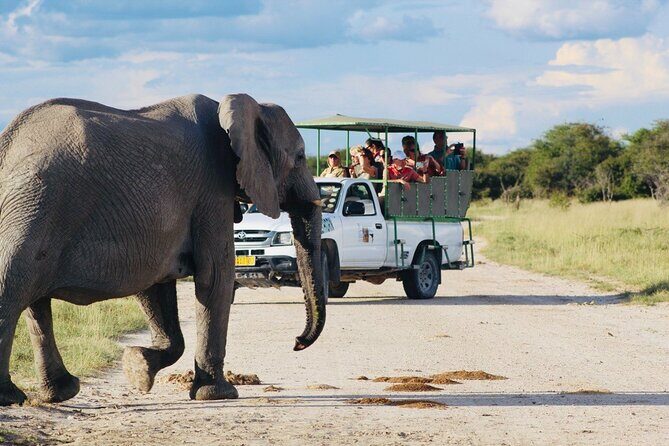
- Open-sided vehicle with good visibility: You’ll have a clear view as you drive between viewing points.
- Cold morning comfort: Mini blankets are provided to take the edge off.
- Only still or sparkling water included: Plan any extra drinks or snacks accordingly.
Etosha Pan and the view from an open vehicle
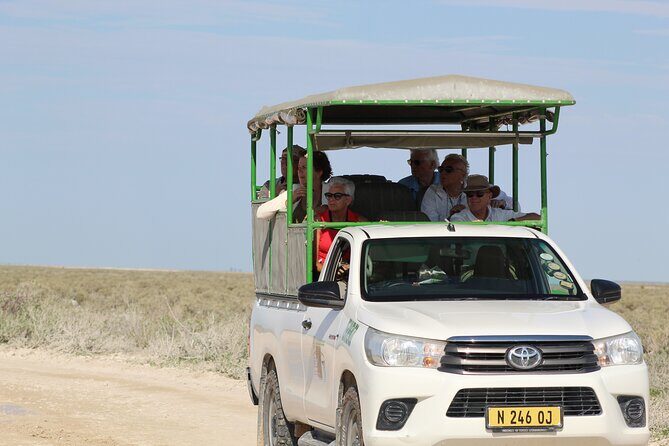
If you’ve ever seen photos of Etosha, you already know it has a look that feels otherworldly. The salt pan is the reason many people come, and this safari starts with a short stop at Etosha Pan so you can put your eyes on that big white, salty “great place” feeling for yourself.
Then the day shifts back into wildlife mode. From what this tour is built around, you’re in an open-sided viewing vehicle that prioritizes all-round sightlines—exactly what you want when animals pop up near a road or appear around a watering hole. Etosha’s terrain can be stark, so being able to scan left, right, and straight ahead without constantly craning helps you react fast.
One small but real comfort detail: cold desert mornings happen. This tour provides mini blankets, which means you can layer up without turning the experience into a winter camp. Add that to the vehicle’s visibility and you get a practical setup for long stretches of searching.
A few more Etosha National Park tours and experiences worth a look
Price and what’s actually included (and what isn’t)
At $127.76 per person, the safari price feels reasonable for a full-day guided outing in a top-tier park—especially because you’re paying for more than transport. You’re also buying guide time, a small-group format (max 9), and a vehicle that’s described as fully insured and regularly serviced, with good viewing.
But here’s the part you should plan for: park entrance fees are not included. The listed amount is N$150 per person, so your real total is the safari price plus that entry fee. If you’re budgeting tightly, treat the advertised price as the “tour portion,” not the whole trip.
Also note the water situation. The tour includes only still or sparkling water. That’s helpful—hydration is a must in a dry landscape—but it does mean you shouldn’t expect this to cover all drinks or meals beyond what you choose on the day.
Why local Etosha-born guides change your odds
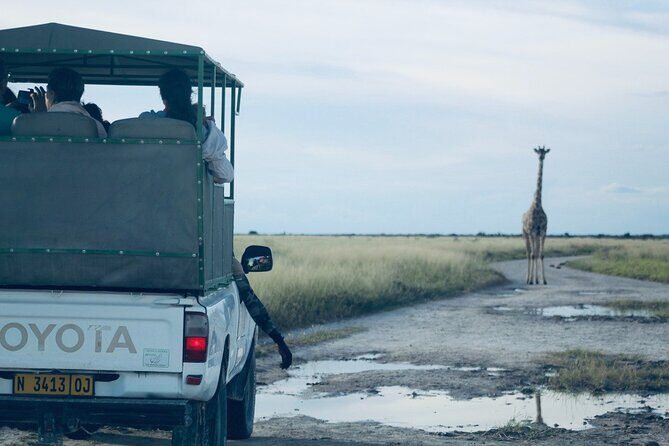
In Etosha, knowing where to look matters. This experience is guided by professionals born in Etosha, and that shows in how your drive is managed: the goal is to get you to wildlife spots where sightings are more likely, then adjust as conditions change.
The strongest praise in the guide stories centers on two things. First, you get a guide who can explain what you’re seeing and why that animal is in that area. Second, the guide keeps an eye on opportunities you might miss on your own—like animals that are harder to spot from the road.
Guides such as Isack are specifically called out for taking people to see lions and other animals that aren’t always obvious, plus for answering questions as you go. Oscar is also highlighted for a friendly, easy pace while still putting time into finding animals. That combination matters: in a place this large, a guide who can both teach and read the landscape can turn long drives into meaningful sighting time.
The day’s flow: from Etosha Pan to watering holes
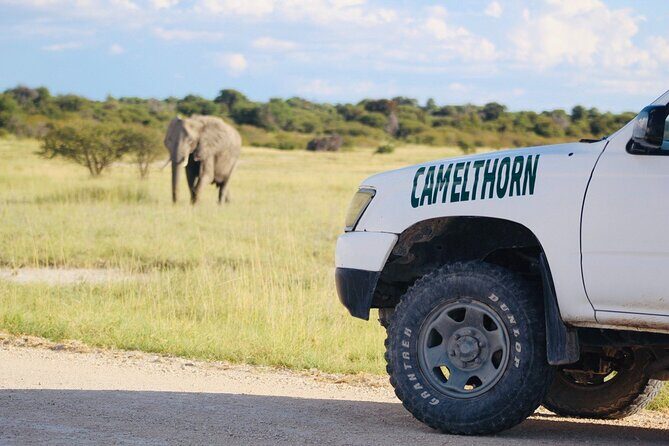
The itinerary is simple by design, which is good. It starts with a short stop at Etosha Pan (about 10 minutes), where you’ll see the white, salty pan area before you move on. It’s brief, but it gives you context for why the rest of the day is built around water and animal movement.
From there, the tour’s core is the wildlife hotspots—especially watering holes. This is where Etosha’s drama becomes practical: animals gather where water is available, and the guide’s job is to position you at the right moments, without wasting the day on random driving.
This is also where the vehicle setup helps. With an open-sided vehicle and good all-round visibility, you’re set up to spot animals when they show up near the edge of the road or around a watering point. And because the group is limited to nine people, the guide can keep you moving efficiently without turning the experience into a stop-and-go crowd scene.
Big Four strategy: how the guide focuses your search
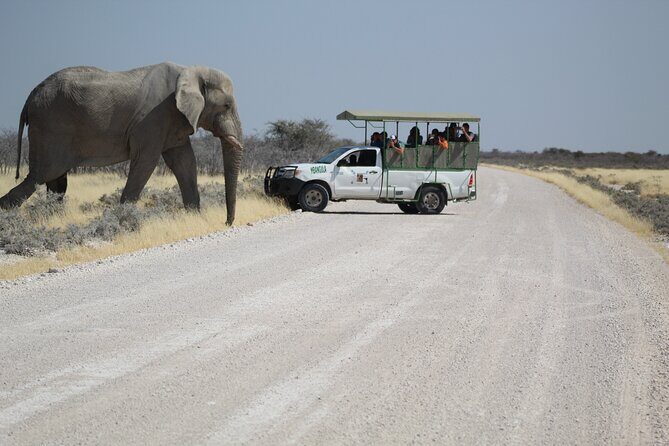
This safari is built around chances to see the Big Four: lions, rhinos, leopards, and elephants. The key word here is chances. Etosha can surprise you in either direction—some days animals are everywhere, and other days you have to work for every sighting.
What you can control is how you’re searching. This tour’s approach is to go to spots where those animals are most often found and spend time where the odds are better. That’s the right logic for a one-day experience, because trying to “wing it” in Etosha without local guidance often leads to lots of distance and not much action.
The tour also aims to deliver more than just one animal. The positive guide notes mention both classic sightings (like elephants and cheetahs) and the smaller variety that makes the bush feel alive (zebras, springbok, kudu, and birds). Even when the day isn’t packed with the Big Four, the best safaris still make you feel like you’re learning the park while you’re looking.
Comfort that matters: small group size, blankets, and real viewing
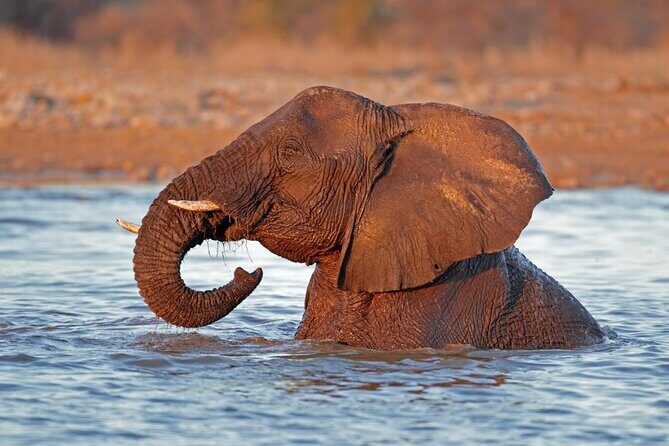
A maximum group size of nine may not sound like a big deal until you’re sitting in a vehicle for hours. Fewer people means less noise, more room to focus, and better chances your guide can answer questions without rushing.
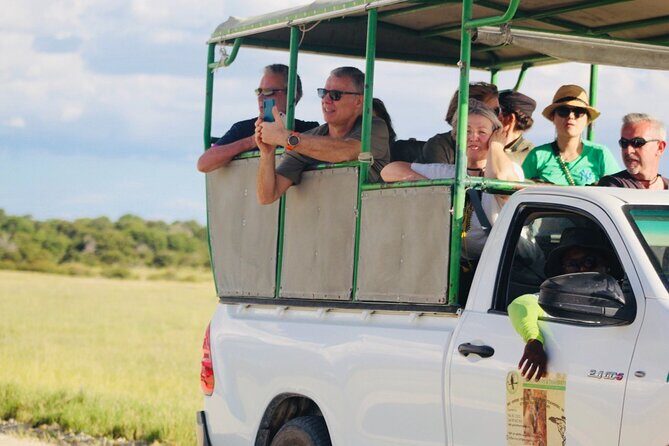
The vehicle itself is part of the value story. It’s described as fully insured, regularly serviced, and built for visibility. In practice, that translates to fewer “Where should I look?” moments, because your view is good in multiple directions as you drive.
Then there are the cold mornings. Mini blankets are included, which is a thoughtful touch. It means you can keep your layers practical—comfortable shoes, a warm top, and something for hands—without expecting to fight the morning chill the whole time. You’ll still want to dress in layers, because it’s a desert drive and you’ll feel temperature shifts, but at least you start warm.
What about lunch and meals on the road?
The tour includes water, but it doesn’t position itself as a full meal plan. One practical detail you can take from how these safaris run is that you may have time for stops where you can grab a bite.
For example, a half-day format that starts from King Nahale Gate has been associated with a break at Namutoni Restaurant, and the timing was described as leaving enough room to eat there without packing lunch. That doesn’t guarantee every schedule will match, but it gives you a solid planning idea: if your route includes a stop like Namutoni, you may be able to keep your bag lighter.
For a full-day outing, plan to handle food as you choose, since the only clear inclusion is water. If you know you need a meal rather than a snack, bring that requirement into your planning.
Wildlife sightings: what to expect realistically
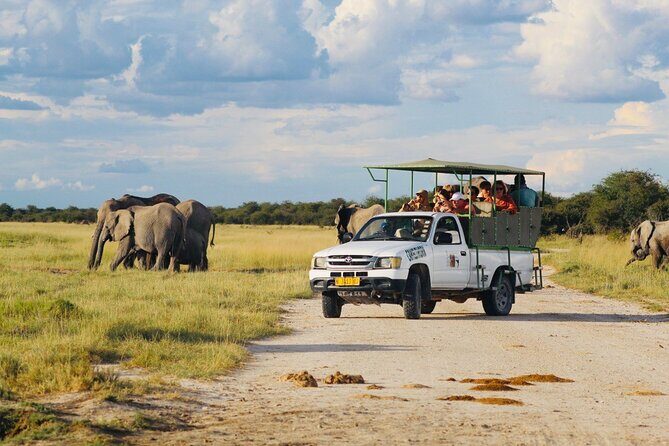
Here’s the honest math of any safari: sightings are not guaranteed. Even with a great guide, weather, animal movement, and where the water is concentrating at that time all shape what you see.
Some experiences earn top marks for seeing lots of animals, including cheetahs, elephants, giraffes, zebras, springbok, kudu, buffalo, and a variety of birds. Other experiences come with a more mixed feeling, where a full day didn’t deliver many animals beyond a couple of elephants and some other species.
So how do you set yourself up for success? Choose this tour for its guiding style and focus on wildlife hotspots, then keep your expectations flexible. If you’re the type who needs a guaranteed parade of Big Four sightings, you’ll feel disappointed anywhere in Etosha. If you’re okay with the reality of the bush and you want the best possible odds and explanations along the way, this kind of guided format is a strong fit.
Practical logistics that affect your comfort
This is a mobile ticket experience, which makes the day feel easier—you don’t have to hunt for paper at the last minute. The activity is also described as near public transportation, which is a plus if you’re building a schedule around Namibia travel routes rather than private transfers.
Confirmation is received at the time of booking, and the safari runs only in good weather. If weather disrupts the plan, you’re offered a different date or a full refund, so you won’t be stuck holding an unworkable ticket.
Also keep the timing in mind. The tour runs about 10 hours for many full-day departures, which is long enough that your comfort choices matter. Bring layers, hold onto patience, and treat it as a long wildlife search rather than a checklist.
Who this Etosha safari suits best
I’d point this safari toward you if you want a guided Etosha day that’s built around wildlife hotspots rather than random driving. The local Etosha-born guide element is especially attractive if you like learning what you’re seeing, not just watching from the car window.
It’s also a good match if you prefer a small group. Nine people max helps the ride feel calm enough to hear guide explanations and stay engaged through long stretches of scanning.
If you’re a first-time visitor to Etosha, the structure makes it easy to get your bearings fast: start at the salt pan, then spend your time where animals are most likely to show up. If you’re a seasoned safari person chasing a specific species, be aware that sightings still depend on what the bush is doing that day.
Should you book this Etosha Pan safari with Yavola Tours?
I think you should book if you’re looking for value that comes from local guiding, solid vehicle comfort, and a focused plan. The combination of open-sided viewing, mini blankets, and guided positioning at watering holes is the kind of practical approach that improves your odds in Etosha without turning the day into a frantic marathon.
Skip it or go in with tempered expectations if you’re trying to guarantee a Big Four checklist on a specific day. Even the best guide can’t control where animals are at any given moment, and one of the main reasons safaris cost time is because the bush moves on its own schedule.
My final advice: budget for the park entrance fee (N$150 per person), dress for cold desert mornings even if you’re going in warmer months, and treat the day as a guided search for what Etosha is willing to show you.
FAQ
Is the park entrance fee included in the safari price?
No. Entrance fees are excluded, and the listed park entrance fee is N$150.00 per person.
How long is the Etosha safari experience?
The tour is listed as approximately 10 hours, and it can be booked as a full-day or half-day safari.
What drinks are included during the safari?
The tour includes still water and sparkling water.
What size is the safari group?
This experience has a maximum of 9 travelers.
Will I get a ticket on my phone?
Yes. This tour/activity uses a mobile ticket.
What happens if the weather is poor?
The experience requires good weather. If it’s canceled due to poor weather, you’ll be offered a different date or a full refund.
Can I cancel, and how far in advance?
Free cancellation is available up to 24 hours in advance for a full refund.
If you want, tell me your travel month and whether you’re aiming for a half-day or full-day, and I’ll help you choose the better fit for your schedule and priorities in Etosha.