REVIEW · WINDHOEK
Windhoek: Bushman Walk with the San
Book on GetYourGuide →Operated by The Bushmen's Survival Trust · Bookable on GetYourGuide
Clicks in the sand, not in a textbook. This Bushman Walk with the San brings you into a natural bush setting near Windhoek to learn traditional survival knowledge and daily skills, explained for you by local guides and San community members. What I like most is the chance to hear about click language and bush plants in a way that actually helps you picture how people lived.
I also love the pacing and format: it’s a focused half-day activity, with a guided walk of about 2 hours plus a real exchange of questions and stories. One small caution: it can feel hot out there, and directions can be a little confusing if you don’t have your own transport or haven’t confirmed where to meet.
In This Review
- Why This San Bushwalk Works in Windhoek
- Key Highlights You’ll Remember
- Where You Start: Pool Area Welcome, Optional Hotel Pickup
- The 2-Hour Bush Walk: What You’ll Do Step by Step
- 1) Introduction to San click language
- 2) Bush plants and their uses
- 3) Fire making and the skills behind it
- 4) Crafting with ostrich egg shells
- 5) Learning the reality: contemporary challenges
- Tools, Hunting, and Stories: What the Demonstrations Feel Like
- The Social Side: Q&A, Warm Welcome, and Real Interaction
- Price and Value: Why $43 Can Make Sense Here
- Family-Friendly in Real Life (Not Just on Paper)
- What to Bring for Comfort in the Khomas Heat
- Logistics That Matter: Timing, Drop-Off, and Getting There
- Who This Tour Suits Best
- Should You Book This San Bushwalk?
- FAQ
- How long is the Bushman Walk with the San?
- Is hotel pickup included?
- Where do I meet the guide?
- What language is the tour guide?
- What will I learn during the walk?
- What should I bring?
- Is the tour suitable for wheelchair users?
- Are drinks included?
- Can I buy San jewellery during the visit?
- Is free cancellation available?
Why This San Bushwalk Works in Windhoek
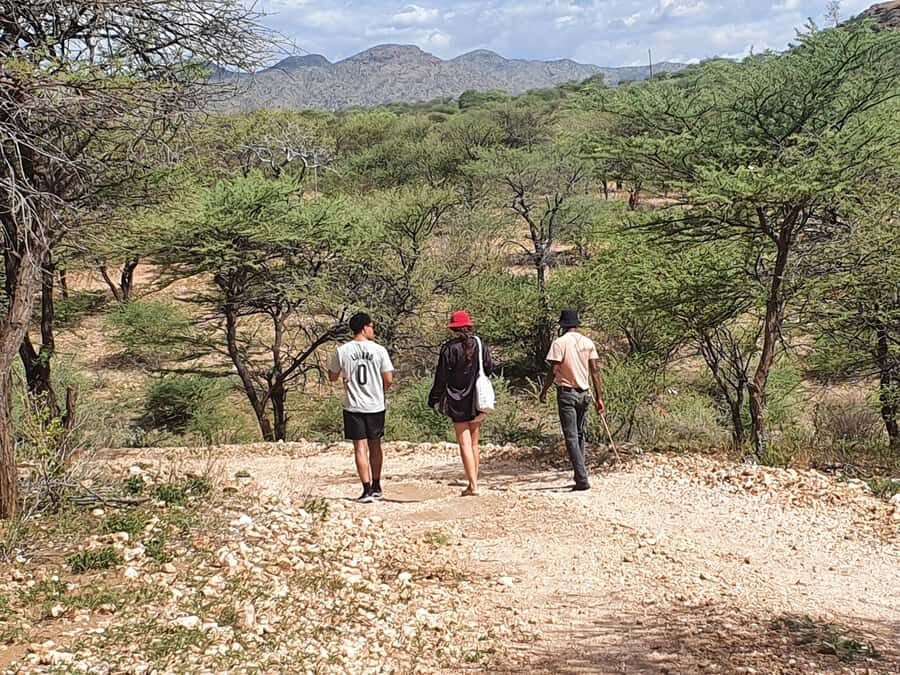
Windhoek is a city, so it’s rare to get anything beyond souvenirs and lecture-style culture stops. This experience is different because it’s built around short, hands-on demonstrations and a walk where the San explain the how and why behind their traditional way of living.
You’ll cover practical topics that go beyond generalities. Expect an introduction to their click-based language, guidance on bush plants and their uses, and skills like fire making. You’ll also see traditional crafts, including something made with ostrich egg shells, and you’ll learn how San communities are dealing with modern pressures.
Key Highlights You’ll Remember
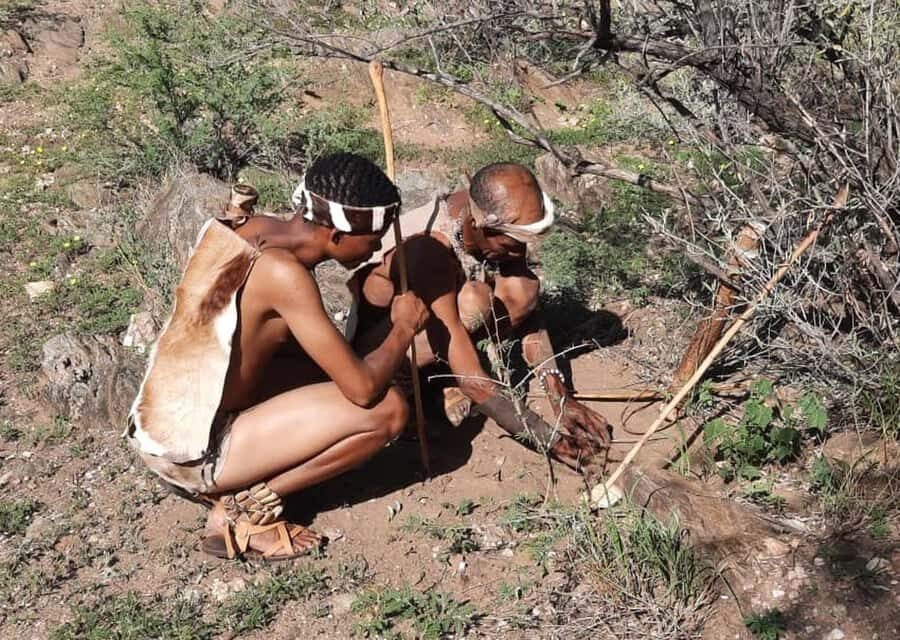
- Click language basics taught during the walk, with you trying a few sounds
- Fire making and survival skills explained in a bush setting
- Plant knowledge focused on what was used and why
- Crafting with ostrich egg shells, a small detail with big meaning
- San storytelling and Q&A, including insights into contemporary challenges
- Family-friendly energy, with moments like dancing at the end mentioned by guests
You can also read our reviews of more walking tours in Windhoek
Where You Start: Pool Area Welcome, Optional Hotel Pickup
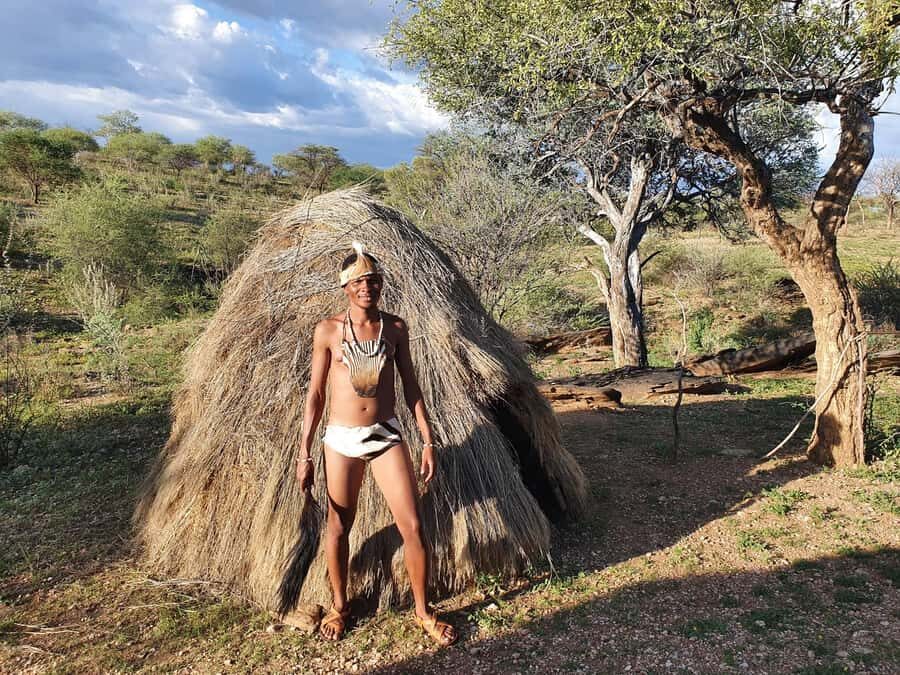
Most days, you’ll begin at the farm’s pool area. You park there, and the guide welcomes you on-site. If you choose the hotel pickup option, you’ll get collected from your Windhoek accommodation and brought to the starting point, then dropped off again afterward.
I like this setup because it keeps the experience simple. You don’t need to plan your own route across Namibia just to get a couple hours in the bush; you can focus on the interaction itself.
One practical note from guest experiences: getting there can be tricky if you’re relying on taxis or informal directions. The best move is to confirm pickup details ahead of time and use the WhatsApp contact they request, especially if you’re not driving.
The 2-Hour Bush Walk: What You’ll Do Step by Step
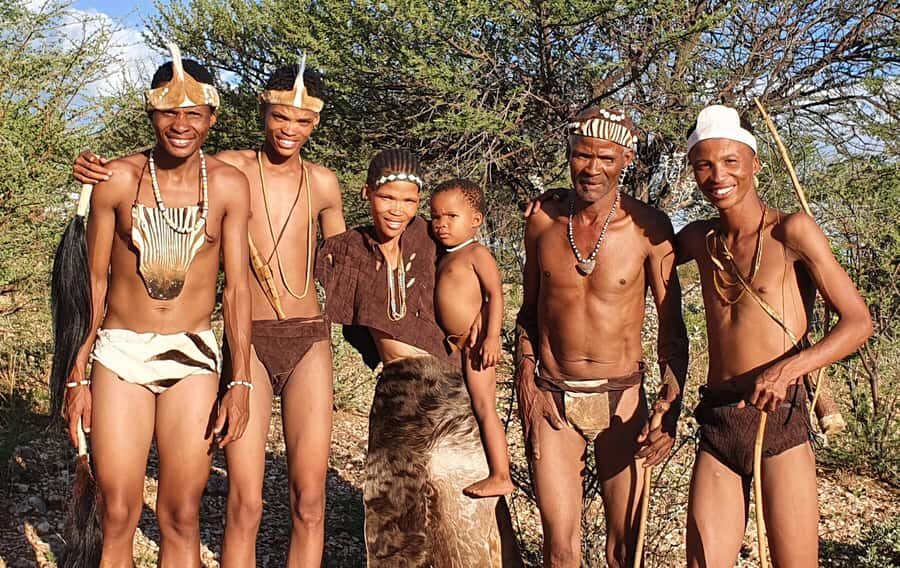
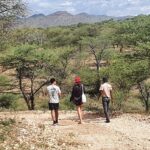
The heart of the tour is a guided bushwalk (about 2 hours) where you’ll learn through instruction, demonstration, and conversation. Even though it’s short, the content covers several areas that help you understand traditional hunter-gatherer life in dry country.
1) Introduction to San click language
You start with an introduction to their click language. This is more than just hearing sounds; you’re encouraged to try guessing or repeating what you hear, then the guide translates what it means. That back-and-forth matters because it helps you understand language as a living part of culture, not an academic topic.
Multiple guests mention the guide is able to communicate in English, Afrikaans, and the San language used with community members. One guide name that comes up in feedback is Frans, and he’s described as friendly and able to bridge between visitors and the San speakers.
2) Bush plants and their uses
Next comes plant knowledge: what people used from the bush and how it supported daily life. This is the kind of information you usually never get in a city tour, because it isn’t about monuments. It’s about resourcefulness—what grows around you, what it’s good for, and how knowledge gets passed on.
For me, this part is one of the most valuable. It connects culture to environment in a practical way. You start noticing that survival skills aren’t just tools; they’re a whole system of observation and memory.



3) Fire making and the skills behind it
Fire making follows. You’ll learn the method and the reasoning behind it—again, practical knowledge, presented for visitors without making it feel like a museum display.
In the reviews, guests also describe demonstrations connected to hunting and tools, like building and using simple implements. Even if not every step becomes a full hands-on workshop, you still come away with the sense of how skills fit together: tools, fire, preparation, and understanding the environment.
4) Crafting with ostrich egg shells
Another standout topic is crafting with ostrich egg shells. This isn’t random trivia. It’s a reminder that traditional life used what was available, then refined materials into useful items.
That kind of detail is exactly what turns a “cultural show” into learning you can carry with you. You start seeing everyday objects as part of a knowledge chain.
5) Learning the reality: contemporary challenges
A big part of the walk is insight into the contemporary challenges faced by the San today. The tour doesn’t only focus on old ways; it also explains why these skills matter now and what’s being done to keep culture alive through intergenerational learning.
And because the San are among the people whose traditional lifestyles have been disrupted across the region, your ticket supports work that keeps their culture active and creates income opportunities. The tour is run by the Bushmen’s Survival Trust, which is central to the impact story here.
Tools, Hunting, and Stories: What the Demonstrations Feel Like
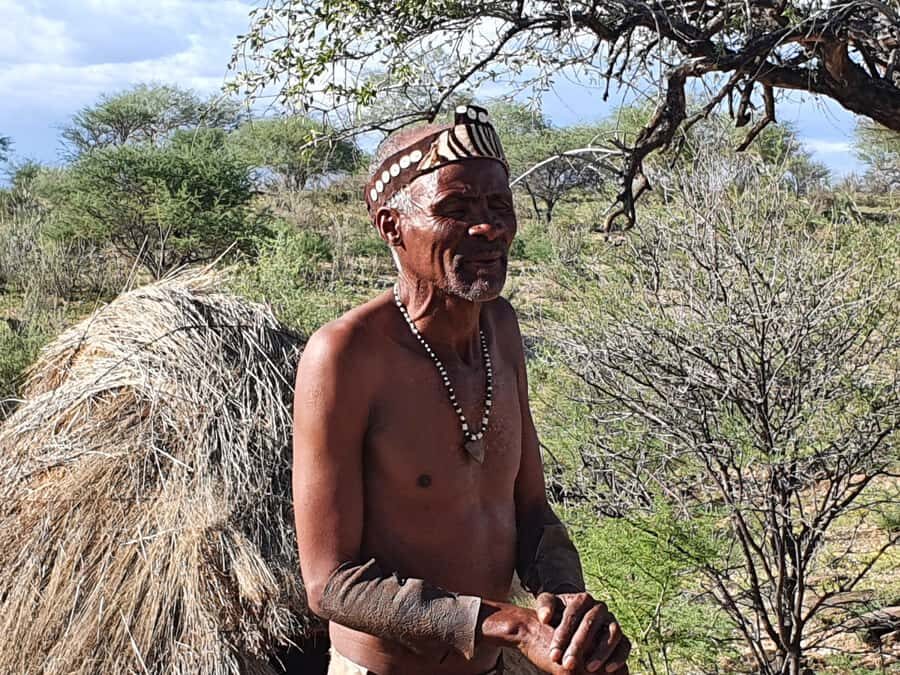
Beyond the core topics above, the experience includes demonstrations that make traditional life easier to understand in a short time. Guests describe seeing bow-and-arrow style skills and snaring or trapping demonstrations. Some mention learning about techniques used in the dry landscape, and others note tool-making style activities and practical crafts.
What I like is the story element. The guide and the San community members explain not just what you’re seeing, but what it meant—how people learned, how families shared skills, and how certain acts carry social meaning.
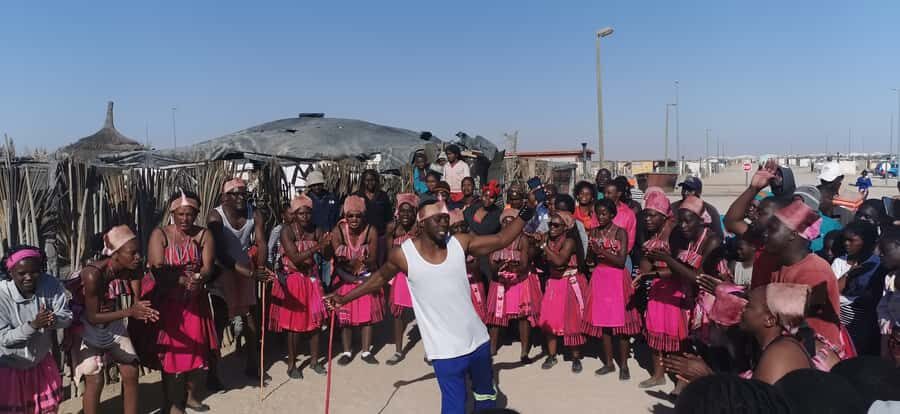
A couple of memorable moments show up in guest feedback: one involves playful storytelling around a small bow used in a courting-style context, and another includes dancing at the end. Those moments help you remember the difference between a staged performance and a community explanation.
The Social Side: Q&A, Warm Welcome, and Real Interaction
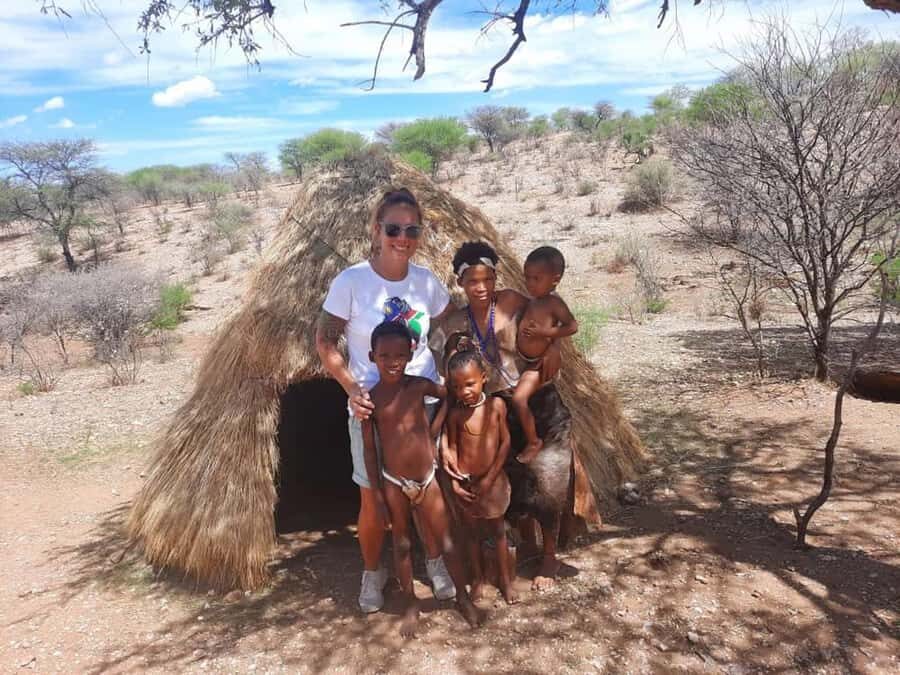
This is not a sit-and-watch tour. You’ll get time to ask questions, and you’ll interact in the group setting. Guests describe the San community members as friendly and welcoming, with a gentle, open attitude even when language barriers exist.
Even if your own knowledge is zero, you’ll still feel included. The click language portion is the best example. It gives you a way to participate without needing special skills or background.
Also, this is a small-group activity. That matters for two reasons: you get more conversation time, and the walk doesn’t feel crowded or rushed.
Price and Value: Why $43 Can Make Sense Here
At about $43 per person, this is priced like a short cultural activity rather than a long safari day. But it’s not just a “quick stop.” The tour is built around education and direct support for the San community through the Bushmen’s Survival Trust.
In other words, you’re paying for three things at once:
- A guided walk (with structured topics like fire making and plant uses)
- Translation and cultural context so you actually understand what you’re seeing
- A direct link to income and cultural preservation
One guest reported that the money earned goes directly to the bushmen and their families (minus platform fees). While I can’t verify every accounting detail, that feedback matches the broader intent described for the program: visitors help sustain the people who share the knowledge.
If you’re in Windhoek and want something real that doesn’t require a full day of travel to remote areas, this is strong value for your time.
Family-Friendly in Real Life (Not Just on Paper)
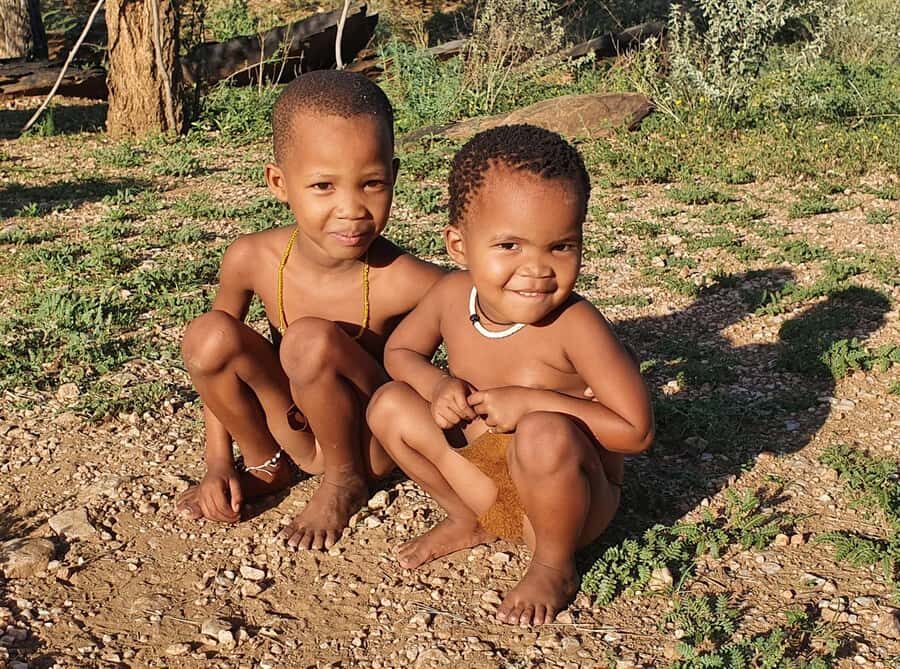
Several reviews mention that children enjoyed the experience, including a young 5-year-old. That’s a good sign because the tour includes interactive parts—listening to language, observing crafts, and joining in the energy at the end.
That said, it’s still a bush walk. Keep expectations realistic: you’re outdoors for part of the activity and the ground is natural, so closed-toe shoes matter.
What to Bring for Comfort in the Khomas Heat
The clear must-bring item is simple: closed-toe shoes. Beyond that, I strongly recommend you pack for sun and dryness, because Windhoek-area afternoons can feel hot.
From guest advice, consider:
- An umbrella or hat for shade
- A bottle of water
- Layers you can adjust if the temperature changes
Cold drinks are available for purchase at the on-site gallery area (20 N$ is mentioned). So plan to bring cash or be ready to buy a drink if you need it.
Logistics That Matter: Timing, Drop-Off, and Getting There
The walk itself is about 2 hours, and the total tour duration is listed as 2 to 3 hours. There are options for pickup, and drop-off locations include Windhoek and Human Dreams Namibia.
Since the starting point is the farm’s pool area, I’d treat this like any rural meeting: confirm your exact pickup time and use the WhatsApp number they request for updates.
If you’re without a car, choose the pickup option if it’s available to you. Some guests have noted that finding the correct turn or location can be confusing when directions aren’t clear.
Who This Tour Suits Best
This Bushman Walk with the San is a great fit if you:
- Want more than a photo stop and an overview lecture
- Prefer small-group learning with Q&A
- Care about indigenous cultures and want to support living communities
- Are short on time in Windhoek but still want a real bush experience
It’s also a good choice for families, as long as kids can handle an outdoor walk and questions.
One group it’s not suitable for: wheelchair users.
Should You Book This San Bushwalk?
If your goal is an afternoon in Namibia that feels human—language, plants, fire, crafts, and stories—then yes, book it. For the price and time, you get structured learning plus a direct link to the Bushmen’s Survival Trust and the San community members who share skills.
I’d only pause if heat or outdoor walking is a real issue for you, or if you know you’ll struggle with meeting the group at the farm without confirmed pickup. If that’s your situation, use the WhatsApp contact they ask for and select the pickup option.
If you’re curious, respectful, and ready to ask questions, this is one of the more meaningful cultural stops you can make in Windhoek.
FAQ
How long is the Bushman Walk with the San?
The guided bushwalk is about 2 hours, and the overall experience is listed as 2 to 3 hours.
Is hotel pickup included?
Hotel pickup and drop-off in Windhoek are included if you select the pickup option.
Where do I meet the guide?
You can park at the pool area. The guide will welcome you there.
What language is the tour guide?
The tour is in English. Guests also describe guides using Afrikaans and the San language to communicate with community members.
What will I learn during the walk?
You’ll get an introduction to click language, learn about bush plants and their uses, see fire making, hear about ostrich egg shell crafting, and discuss contemporary challenges faced by the San.
What should I bring?
Closed-toe shoes are required. It can get hot, so a hat or umbrella and water can be helpful.
Is the tour suitable for wheelchair users?
No, it is not suitable for wheelchair users.
Are drinks included?
Cold drinks are available on site for 20 N$, but they are not included in the tour price.
Can I buy San jewellery during the visit?
There is a small art gallery with self-made San jewellery, but purchases are not included.
Is free cancellation available?
Yes. You can cancel up to 24 hours in advance for a full refund.