REVIEW · WINDHOEK
Windhoek : Cheetah walk Experience
Book on GetYourGuide →Operated by People Tours and Safari Namibia cc · Bookable on GetYourGuide
Watching a cheetah up close is one of those wow moments that sticks, especially when the cats are habituated and the visit is run with strict rules. What makes this Windhoek-area cheetah walk special is the mix of close observation and real conservation work led by the N/a’an ku sê Foundation. One practical catch: the experience is short, and you won’t have control over when (or how) cheetahs move and act.
I especially like that you get a guided sanctuary visit with context, not just a quick animal sighting. And the small group limit (up to 8) means the guides can manage the pacing and keep the cats calmer. The main consideration for your expectations is that you’re not there for cuddles, and you should plan on rules like no touching and no human-in-photos style shots.
In This Review
- Key things to know before you go
- Windhoek to N/a’an ku sê: the early start that pays off
- Entering with the cats: what the cheetah walk feels like
- The rules that keep it responsible
- The sanctuary tour: how N/a’an ku sê conservation shows up in real life
- A step-by-step look at your 90 minutes
- Who your guide might be
- When to expect movement: watching cheetahs like a pro
- Price and value: $280 and what you’re really paying for
- Who should book this cheetah walk in Windhoek
- Should you book the Windhoek Cheetah Walk Experience?
- FAQ
- FAQ
- How long is the Windhoek cheetah walk experience?
- Where are pickups in Windhoek?
- What time does the tour run?
- Is this experience suitable for children?
- What should I bring?
- Are drones or alcohol allowed?
- How many people are in the group?
Key things to know before you go
- Habituated cheetahs: close, guided encounters instead of viewing from far away
- Conservation focus: you’ll learn what N/a’an ku sê Foundation is doing for cheetahs and their world
- Small group size: limited to 8 participants to reduce stress on the cats
- English live guide: the tour is run in English with a professional on-hand throughout
- Fast scheduling: you’ll leave Windhoek early, return the same day, and the on-site guided time is brief
Windhoek to N/a’an ku sê: the early start that pays off
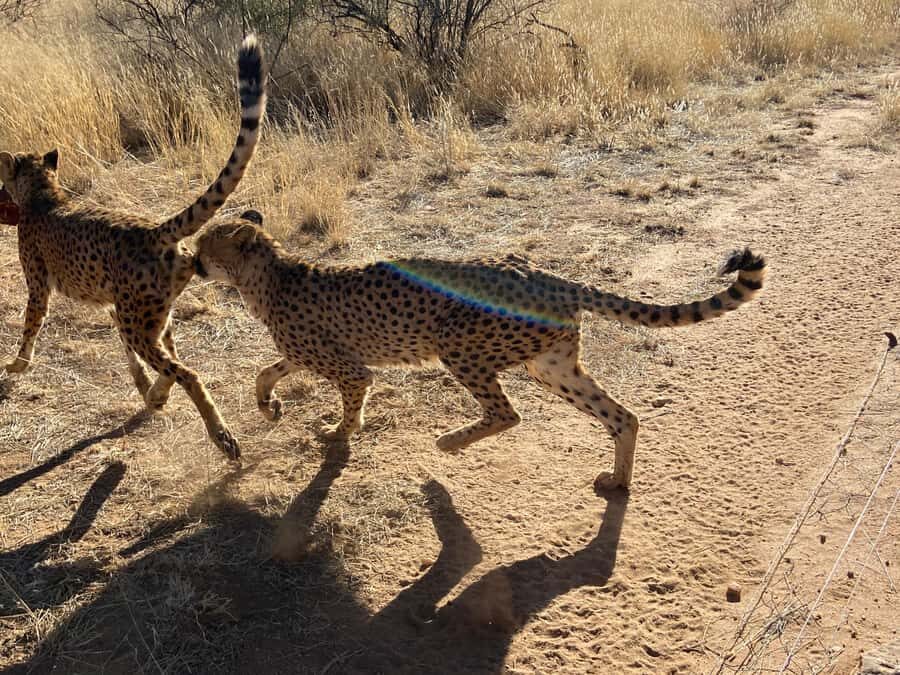
This is a daytime trip with a proper morning kick-off. The activity runs daily at 08:00, and it departs Windhoek at 6:00. That early start matters because cheetahs are most active when conditions are favorable, and the sanctuary visit is designed around that reality.
From your hotel in Windhoek, pickup is arranged at specific spots that make boarding easy. For example, if you’re staying near the Hilton, the instructions are to wait near the main lobby entrance on Independence Avenue. At Avani Windhoek Hotel & Casino, pickup is at the hotel’s front entrance on Gustav Voigts Centre. Safari Hotel uses the circular driveway in front of the main reception area. Windhoek Luxury Suites asks you to wait just outside the gated entrance or inside reception. Am Weinberg Boutique Hotel points you to the main reception entrance. Hotel Heinitzburg has a more compact driveway, so you’ll want to wait near the main reception or front garden area so the vehicle can find you fast.
If you’re trying to optimize your trip, I’d keep your morning simple. Wear your closed-toe shoes from the start, keep your phone ready, and avoid extra luggage if you can. This isn’t a long “wandering” day; it’s a focused session that moves from pickup to the sanctuary and back.
You can also read our reviews of more walking tours in Windhoek



Entering with the cats: what the cheetah walk feels like
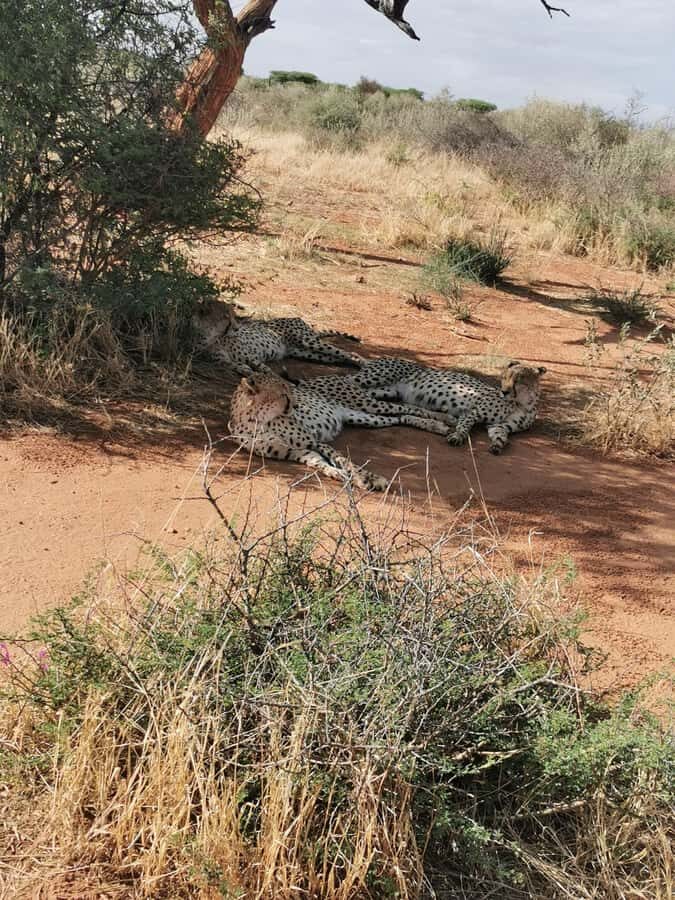
The heart of this experience is time with habituated cheetahs at N/a’an ku sê. That one word—habituated—changes everything. These cats are accustomed to controlled human presence, so you can watch their natural behavior up close rather than just seeing animals from a distant fence line.
You’ll observe striking details that you usually miss at a standard viewing platform: the sleek, athletic body shape; the amber eyes; and the characteristic black tear lines. Those tear marks aren’t just for looks. They help reduce glare from the sun while hunting, which is a neat reminder that even beauty on cheetahs has a practical job.
Now, the big expectation-setting point: this is still cheetah life, not a show. The encounter is guided, but the cats decide how they want to spend their time. They may walk around, lay down, rest, or run off when something catches their attention. Your best mindset is calm observation. If you go in hoping for constant action, you’ll be disappointed. If you go in ready to watch behavior unfold at cheetah pace, you’ll have a great time.
The rules that keep it responsible
The format is designed to protect both you and the animals. A small but important detail from how the experience is described: there’s no petting. Also, there’s an emphasis on how photos are handled—one note you should plan around is that human-in-the-frame style pictures may not be allowed. Think “watch and respect” rather than “pose with the cat.”
Other clear no-go items include drones, alcohol, and drugs. If you’re the type who likes to bring a drink along for wildlife days, leave that habit at the hotel.
The sanctuary tour: how N/a’an ku sê conservation shows up in real life
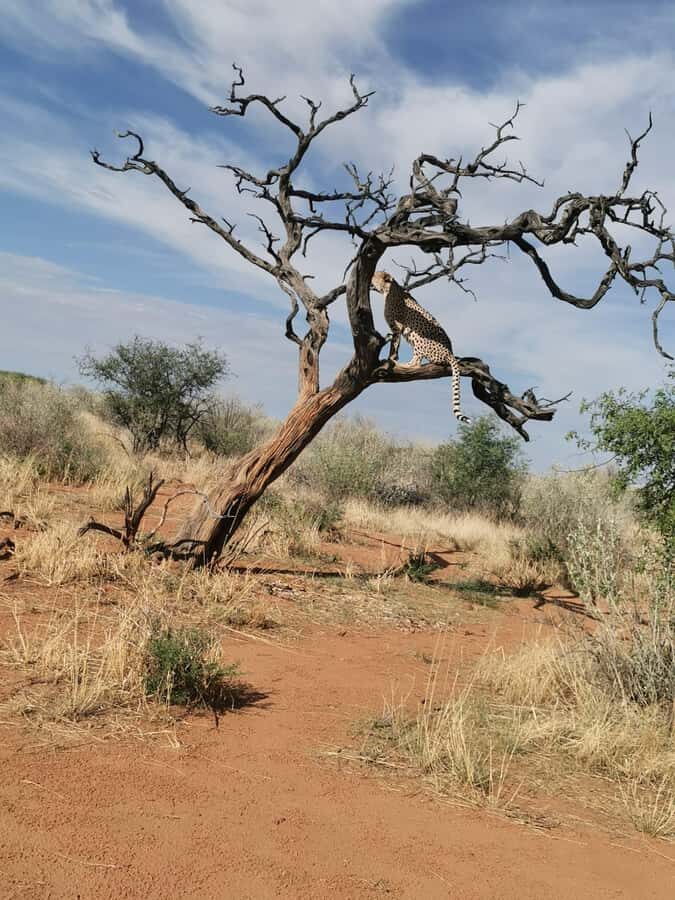
This isn’t only about meeting cheetahs. A major part of the value is what you learn on the guided sanctuary visit at Khomas (about 1.5 hours on-site within the overall 90-minute experience window).
The N/a’an ku sê Foundation’s work is the backdrop to what you’re seeing. In practical terms, this kind of sanctuary model helps people understand behavior, threats, and the broader conservation picture instead of treating wildlife like a one-off attraction. For you, that means the cheetah encounter feels less like a novelty and more like an education session you can actually picture in your head.
And you’ll be able to connect learning to what’s right in front of you. You’ll talk about cheetah habits and behaviors—how they move, how they rest, and how they react to their surroundings. When you’re watching a cat choose where to stand or when to stay still, it becomes easier to understand why conservation methods need to account for real animal needs, not just human plans.
A step-by-step look at your 90 minutes
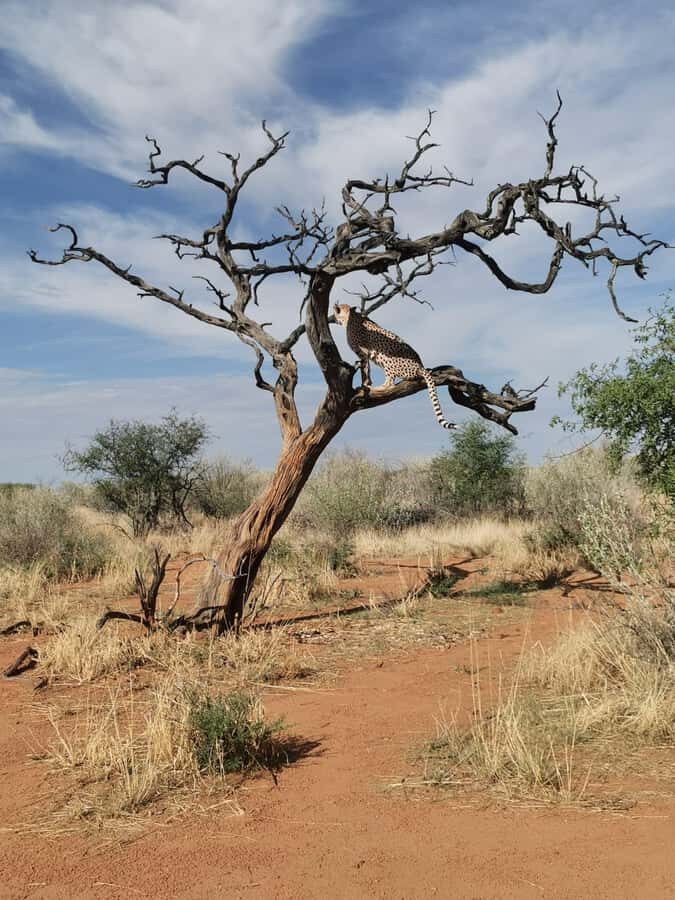
Time is short here, so each moment matters. Here’s the shape of the experience, in plain language.
Pickup and departure from Windhoek Central
You start from Windhoek, with pickup organized from central hotel areas. If you’re in Windhoek and not staying at one of the listed hotels, you’ll want to confirm where the driver picks you up. This experience is built around a schedule, so being on time matters.
Drive to Khomas and the guided time at the sanctuary
Once you reach N/a’an ku sê, you’ll join a guided tour of the sanctuary. Expect a guided session focused on cheetah behavior and the conservation angle behind the site. This is where your guide helps you spot patterns—how the cheetah uses space, what resting can look like, and how their attention shifts.
Close encounter with habituated cheetahs
This is the centerpiece. You’ll get close enough to see the physical details that make cheetahs look like they were designed for speed. You’ll also learn what to watch for: posture, pace, and the small signals that indicate the cat is comfortable versus scanning for something new.
Return to Windhoek Central
After the guided time, you’re back at Windhoek. Since the total duration is listed as 90 minutes, don’t plan a long lunch afterward as if this were an all-day excursion. Build in time buffers.




Who your guide might be
The experience is run in English with a live guide, and you’ll likely notice a professional uniform approach. One guide name that comes up is Matheus, and the general theme is clear: you’re not left guessing what you’re looking at.
When to expect movement: watching cheetahs like a pro
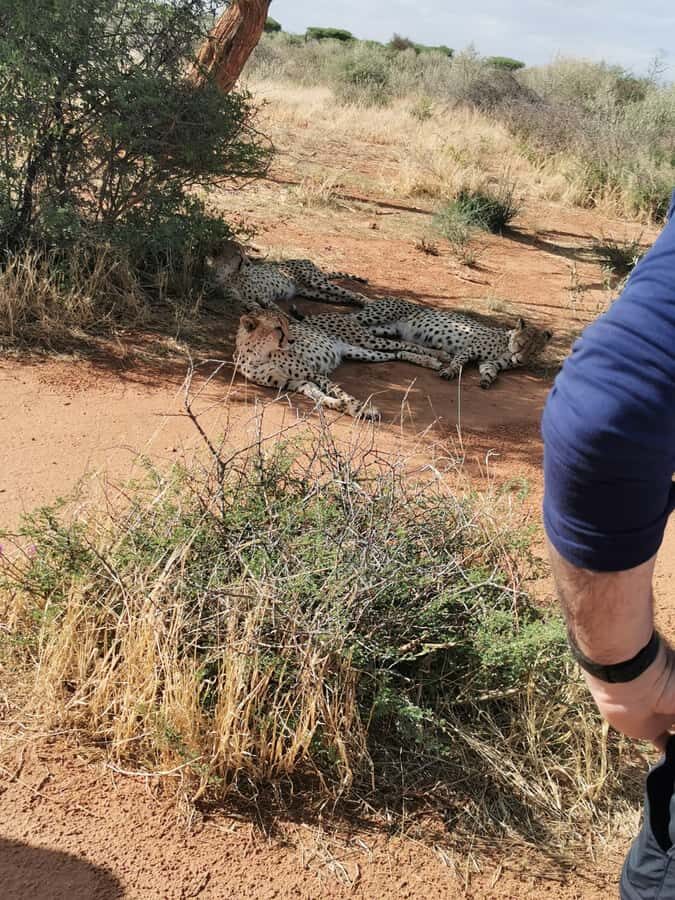
Here’s the part that decides whether you get your “run or rest” cheetah moment. Cheetahs are not robots. In a close encounter, the cats can choose to be active or quiet.
So I’d do two things:
- Slow down your expectations. Sometimes the best sightings are not the fastest ones. A cheetah stretching out to rest can be just as telling as a sprint.
- Stay focused even during quiet minutes. When a cheetah is lying down, you’re still learning. The way they hold their head, shift their eyes, or react to distant sounds can tell you a lot about comfort and attention.
Also, with a small group (max 8), you’re not constantly fighting for sightlines. That’s huge, because cheetah viewing is all about keeping your position steady and not crowding.
For photos: expect “nature observation rules” rather than free-for-all shooting. Even if you love cameras, follow guide directions closely so the experience stays safe and controlled.
Price and value: $280 and what you’re really paying for
At $280 per person, this isn’t a budget activity. But value isn’t only about the sticker price. Here’s what’s included that justifies—or at least complicates—the cost.
What you’re paying for:
- Transportation from Windhoek and back, with hotel pickup in multiple areas
- Access to the sanctuary encounter with habituated cheetahs
- A live English guide for the on-site learning portion
- A sanctuary tour component and cheetah conservation education
- Refreshment during the experience
- A small group capped at 8, which helps keep the encounter calm for the animals
What you’re not paying for:
- Lunch or breakfast
- Anything beyond what’s stated above
My practical advice: price-check thoughtfully. This activity’s cost can feel high compared to other ways people sometimes organize similar encounters. If you’re flexible, I’d compare the sanctuary’s direct options versus third-party pricing before you lock in. That said, the value here is the combination: guided close encounter + conservation context + small group + transport stitched together.
If you want a simple, low-stress day with everything arranged, $280 may feel fair. If you’re traveling tight on budget, you’ll likely want to shop around first.
Who should book this cheetah walk in Windhoek
This tour is best for adults and older teens who want:
- A close-up wildlife experience with strict guidance
- Education about cheetah behavior and conservation
- A small-group format where the guide can manage pace and spacing
It’s not suitable for children. The rules are very clear: children are not allowed, and it’s not suitable for those under 15.
If you love wildlife but hate crowded tours, the small group cap helps. And if you prefer guided explanations that connect animal behavior to conservation work, the sanctuary-focused part is a big plus.
Should you book the Windhoek Cheetah Walk Experience?
I think you should book it if your priority is a guided, responsible cheetah encounter where you can actually watch behavior up close, not just look from far away. The best reasons to go are the habituated cheetahs, the conservation learning tied to N/a’an ku sê, and the small group size that helps keep the cats calm.
I’d skip or carefully reconsider if you’re mainly chasing a photo-pose experience, want touch or petting, or dislike the idea that the cats may rest instead of performing. Also, if $280 feels too steep, it’s smart to compare prices before you commit.
FAQ
FAQ
How long is the Windhoek cheetah walk experience?
The duration is 90 minutes.
Where are pickups in Windhoek?
Pickup is included, starting from Windhoek Central, and specific hotel pickup instructions are provided for several hotels including Hilton Windhoek, Avani Windhoek Hotel & Casino, Safari Hotel, Windhoek Luxury Suites, Am Weinberg Boutique Hotel, and Hotel Heinitzburg.
What time does the tour run?
The activity is conducted daily at 08:00, departing from Windhoek at 6:00.
Is this experience suitable for children?
No. Children are not allowed to participate, and it is not suitable for children under 15.
What should I bring?
Closed-toe shoes.
Are drones or alcohol allowed?
No. Drones are not allowed, and alcohol and drugs are also not allowed.
How many people are in the group?
It’s a small group limited to a maximum of 8 participants.