REVIEW · WINDHOEK
Windhoek: Katutura Township and City Walking Tour
Book on GetYourGuide →Operated by Oshixwa Tour and Safaris · Bookable on GetYourGuide
Windhoek tells stories on foot. This Katutura-focused city walk ties German-era icons to community markets, crafts work, and traditional food stops. Along the route, you get a guided lens on how today’s Windhoek grew into what you see now, block by block.
I like that you get hands-on stops like the Windhoek Crafts Centre, where you can watch local artisans working. I also like the food moment at Pepata Traditional Food Restaurant, where traditional dishes such as omahangu porridge are on the menu.
One thing to watch: on Sundays, some sights can be closed, so your plan may shift and not every museum stop will be possible. If you hate walking and waiting, or you’re sensitive to changes in schedule, plan your day carefully.
In This Review
- Key things to know before you go
- A 3-hour Katutura walking tour that actually connects the dots
- Christuskirche and Tintenpalast: German-era landmarks you’ll recognize fast
- Independence Museum and the Genocide Memorial: history stops with real weight
- Windhoek Crafts Centre: watch artisans work instead of just buying souvenirs
- Pepata Traditional Food Restaurant: a taste of dishes like omahangu porridge
- China Town and Okahandja Park: everyday life beyond the main sights
- Single Quarter Community Open Market and Old Location: where the city shows its street self
- Price, value, and why the guide matters in a short tour
- Walking logistics: how to show up so the day feels easy
- Who should book Katutura, and who should skip it
- Should you book this Windhoek Katutura tour?
- FAQ
- How long is the Windhoek: Katutura Township and City Walking Tour?
- Is pickup included?
- What language is the live guide?
- What is included in the price?
- Are meals and drinks included?
- Can I cancel and get a full refund?
- Is this tour suitable if I have altitude sickness?
Key things to know before you go
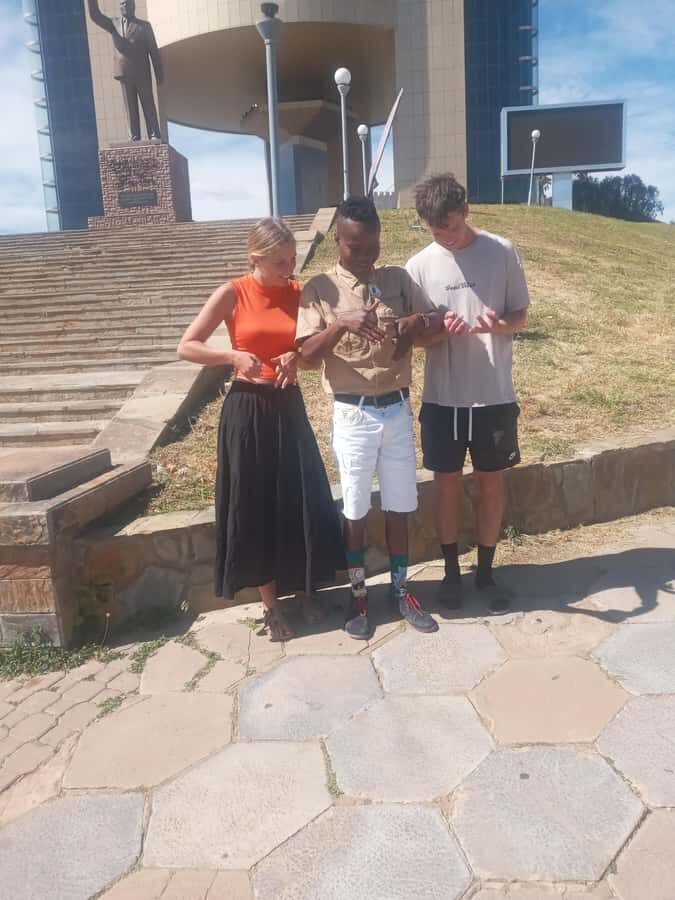
- Christuskirche and Tintenpalast bring German settler architecture into your walking route
- Independence Memorial Museum and the Genocide Memorial Monument put Namibia’s 20th-century struggles into context
- Windhoek Crafts Centre is a real working stop, not a quick photo stop
- Pepata Traditional Food Restaurant is where traditional dishes such as omahangu porridge show up
- Single Quarter Open Market connects you to multiple tribes selling traditional products
- Old Location helps you understand how Windhoek’s first settlement shaped later neighborhoods
A 3-hour Katutura walking tour that actually connects the dots
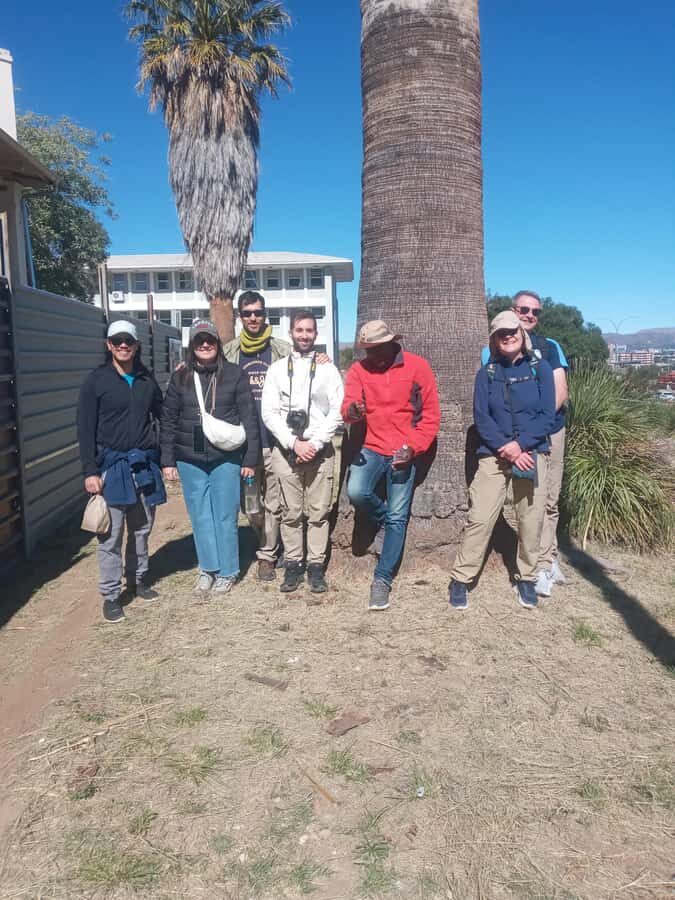
At $49 per person, this is the kind of tour that tries to do two things at once: show key landmarks and explain what they mean. In only three hours, you’ll move through several parts of Windhoek’s story, from church and parliament buildings to memorials, markets, and community areas.
I like that it’s not just standing in one place waiting for your guide to talk. You walk, you stop, and you get different textures of the city. And because it’s a private group with an English-speaking guide, it tends to feel more conversational than a big-vehicle checklist.
The best version of this experience is when you arrive curious and ready to ask questions. The tour includes a lot of history and cultural context, but it’s delivered through real locations—some formal monuments, some everyday neighborhoods, and some busy selling spaces.
One small practical note: it’s a walking tour, and comfortable shoes are not a suggestion. If your legs get cranky after a short stroll, you’ll want to plan for that.
You can also read our reviews of more walking tours in Windhoek
Christuskirche and Tintenpalast: German-era landmarks you’ll recognize fast
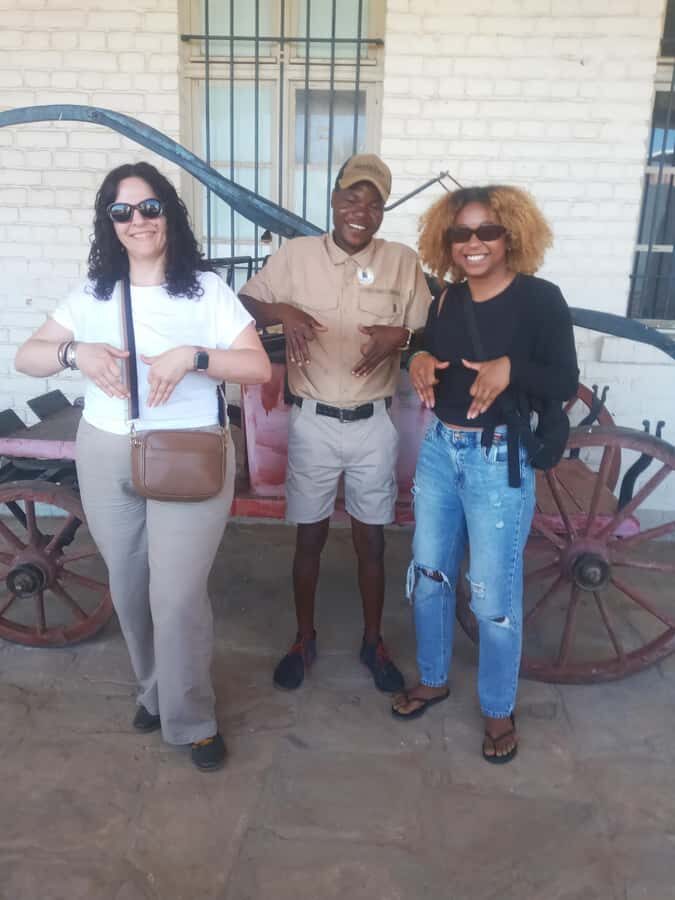
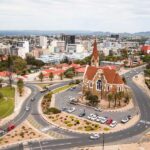
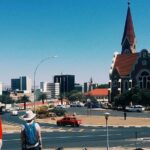
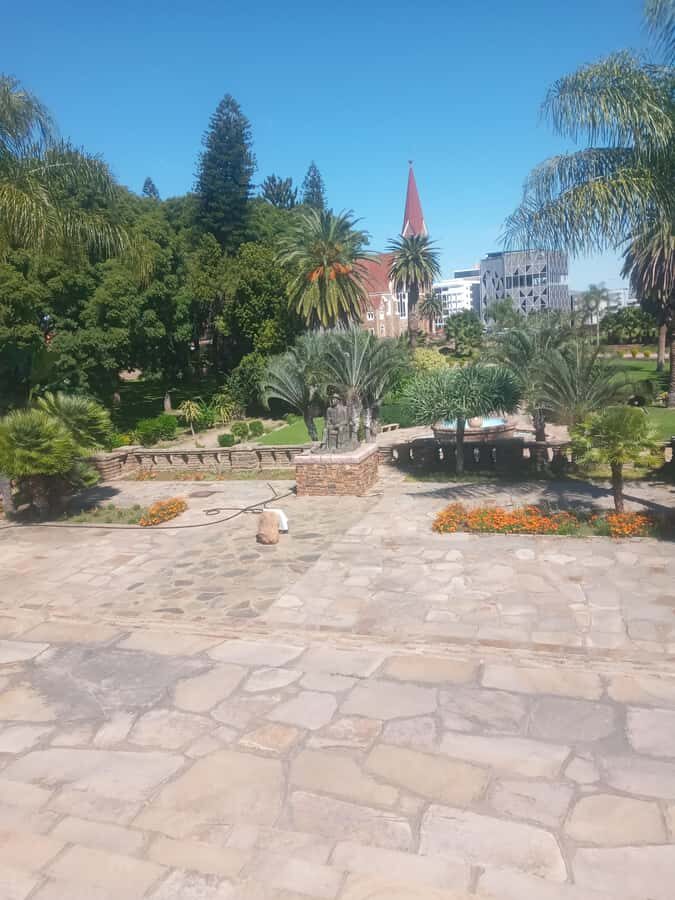
The day often starts with two famous landmarks built during the period of German settlement in Windhoek. First comes the German Lutheran Church, Christuskirche, constructed between 1907 and 1910. Then you head to the Parliament of the Republic of Namibia, also known as the Tintenpalast, built by the same settlers.
Even if you don’t know the full history, these are the kind of buildings that make you stop and look. They’re visually distinctive, and they help you understand why Windhoek’s architecture includes a strong European thread alongside African cultures and later independence-era symbols.
What makes these stops valuable is the way your guide can connect them to Namibia’s later chapters. You’re seeing “then,” but you’re also learning why “then” matters for what came after. That’s the whole trick of a good walking tour: it keeps your eyes busy while your brain builds connections.
Drawback to consider: these landmarks can feel like a short architecture lesson if you arrive tired or detached. If that’s you, lean into the questions. Ask why these structures were built, who used them, and how Namibia’s independence reframed what power looks like.
Independence Museum and the Genocide Memorial: history stops with real weight
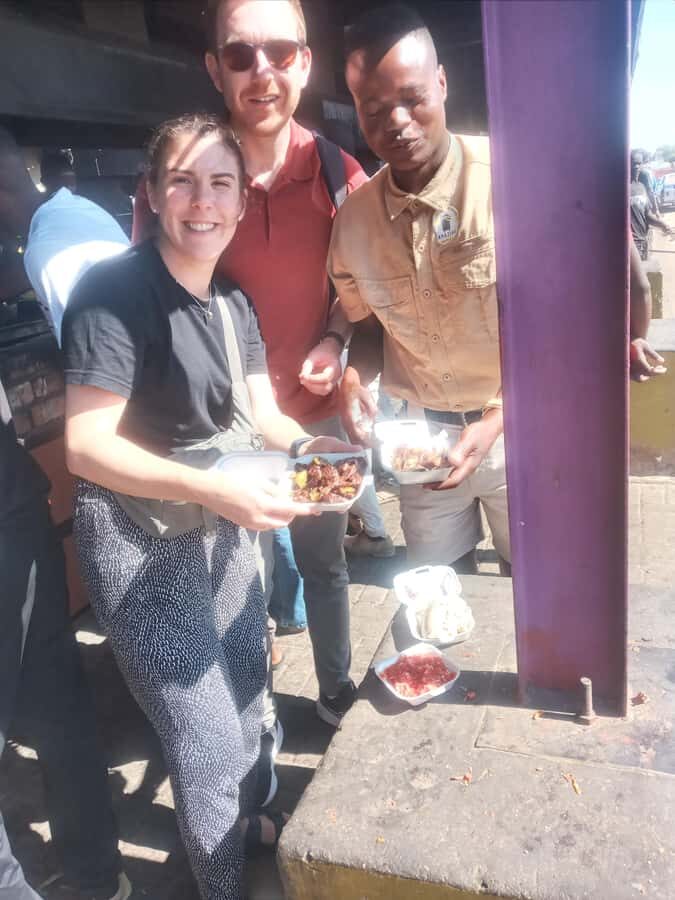
Next up are two memorial-focused stops that turn the volume from sightseeing to reflection. The Independence Memorial Museum was built by North Korea in 2014. Then you’ll visit the Genocide Memorial Monument, which commemorates the war between the Herero and Nama tribes and Germany’s involvement.
This is not history that lives only in books. It’s presented in physical form—monument and museum—so your guide can explain the timeline and the stakes in a way that feels more immediate than reading alone.
If you care about understanding Namibia beyond nature photos, this is a key stretch of the tour. It also explains why later cultural sites and community markets matter. When you know what independence and conflict looked like on the ground, your perspective changes as you move back into daily life.
Potential consideration: if you’re looking for light, feel-good sightseeing, these stops may slow your pace. Give yourself mental space here. I find it helps to take notes, because the facts can build fast and then fade if you don’t anchor them.
Windhoek Crafts Centre: watch artisans work instead of just buying souvenirs
After the memorial stops, the tour shifts tone in the best way. The Windhoek Crafts Centre is a highlight because you’re not just walking past crafts. You’re seeing local artisans working, and that turns a market stop into something more personal.
This is also a practical stop. It gives you a chance to browse products and learn what’s handmade and what’s sourced. It’s one of the best ways to support local makers when you’re short on time in Windhoek.
What I like here is the balance. The morning includes heavy context. Then you get a grounded cultural moment where people are doing skilled work with their hands. You can ask about materials, tools, and processes, and your guide can translate the meaning behind items that might look simple from far away.
One more upside: if you’re the type who likes a small gift that actually has a story, this stop gives you that. Not because of a sales pitch, but because you’re connecting the object to a real workshop setting.
Pepata Traditional Food Restaurant: a taste of dishes like omahangu porridge
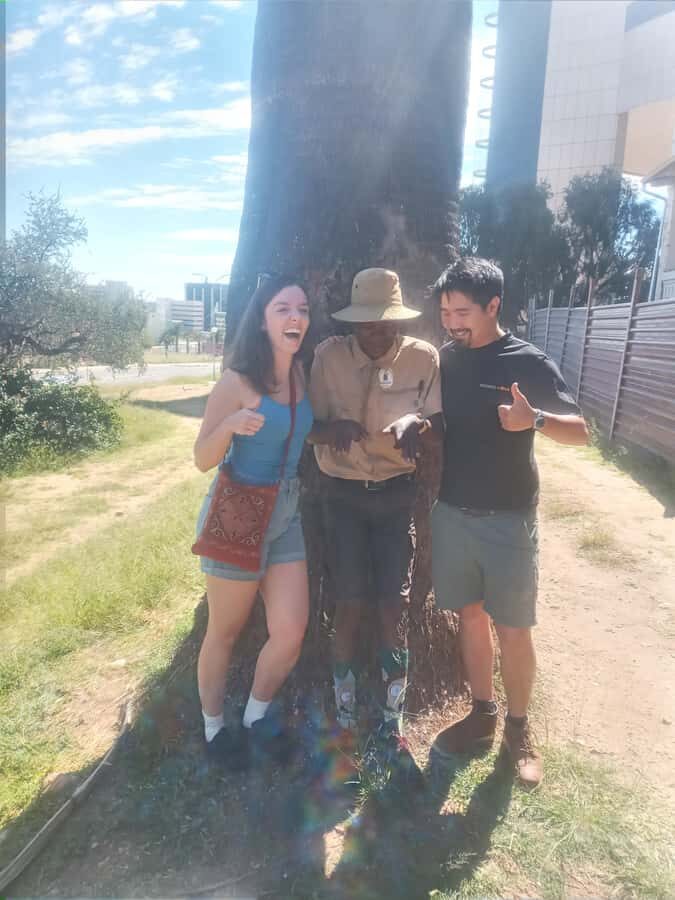
Food is built into the plan through a stop at Pepata Traditional Food Restaurant. You’ll learn about traditional dishes such as omahangu porridge, which is a food reference point for Namibia’s northern grain culture.
The reality with restaurant stops on short city tours is that you’re often sampling, not doing a full meal. Still, even a small tasting can help the day make sense. Namibia’s culture is spoken through music and markets, sure—but it’s also tasted. Food helps you remember the places you visited afterward.
I also like that it’s not treated like a random add-on. It’s part of the cultural pathway of the tour, coming after crafts and before neighborhood market time. You move from watching hands at work to tasting what those hands and community traditions bring to the table.
Possible downside: if you’re hoping for a big meal included in the price, be aware that meals and drinks are not included. Plan your own budget for anything beyond a simple tasting moment.
You can also read our reviews of more city tours in Windhoek

China Town and Okahandja Park: everyday life beyond the main sights
Then the tour pushes you into Windhoek’s everyday geography. You visit China Town, a busy area with a significant Chinese community. After that, you head to Okahandja Park, described as a rural settlement area where you gain insight into residents’ lives.
These stops are valuable because they show Windhoek as a real city, not only a museum corridor. China Town adds one layer of cultural migration and community presence. Okahandja Park gives you a different scale of living—slower, more community-centered, and less tied to the landmark buildings you saw earlier.
Here’s the practical tip: wear shoes that can handle uneven sidewalks, and keep an open mind if you’re asked to adjust to local pacing. These areas aren’t designed to be theme parks. Your guide’s job is to help you understand what you’re seeing without turning people into background props.
One caution based on experience patterns from other bookings: on days when certain indoor stops are closed, the driving-through sections can feel longer than you expected. If a Sunday is your travel day, don’t build your schedule around museum time.
Single Quarter Community Open Market and Old Location: where the city shows its street self
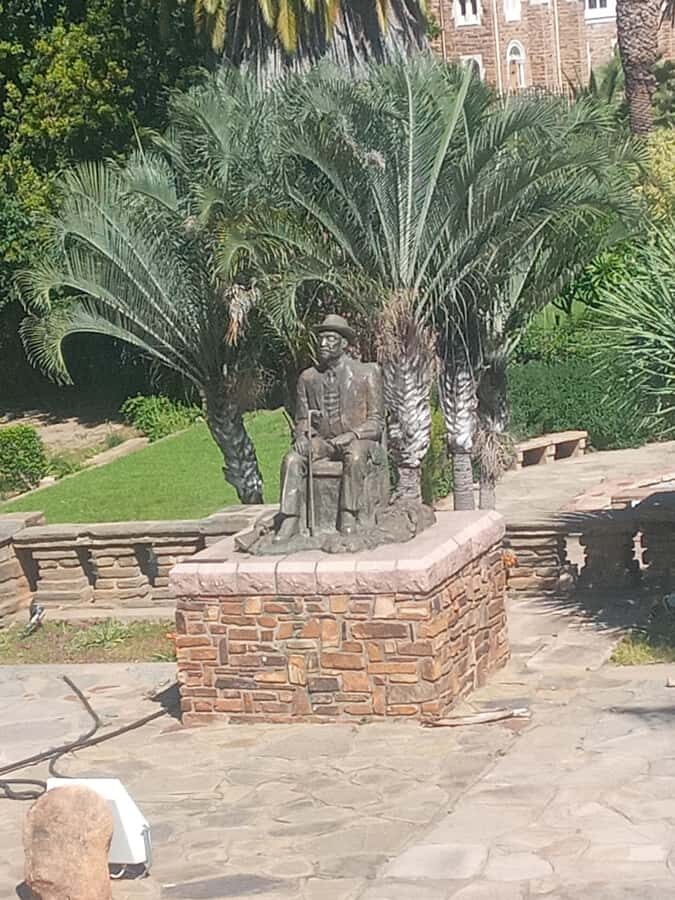
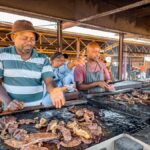
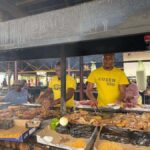
The ending stretch often feels like the tour’s most direct cultural payoff. You’ll go to the Single Quarter Community Open Market, where people from different tribes sell traditional products. This is the part where you see commerce as culture—color, design, materials, and everyday negotiation.
Then you visit Old Location, the first settlement in Windhoek. It’s a history anchor that helps you understand how the city began, and why today’s neighborhood layout isn’t random.
What I like about finishing this way is that the tour closes the loop. You started with buildings tied to foreign settlement and later political structures. You moved through independence and conflict memorials. Then you ended with the city in motion—people selling, working, and living their routines.
If you’re shopping, keep it simple. Ask your guide what’s locally made. If you’re just there to look, focus on learning. The best souvenir from a market stop is often knowledge you can’t pack in a bag.
Price, value, and why the guide matters in a short tour
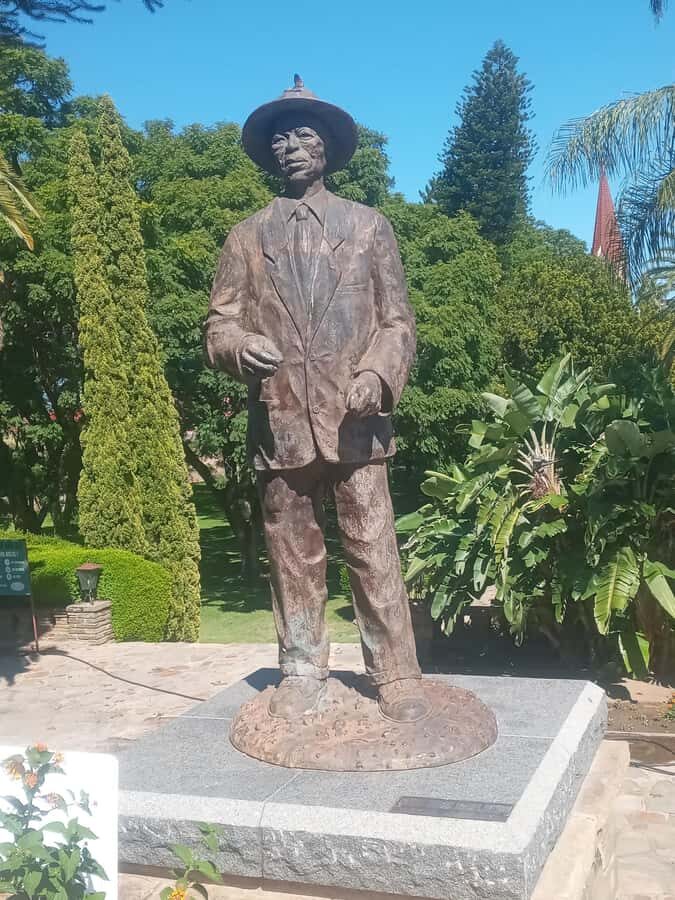
For $49 per person and three hours, you’re paying for a tight bundle: pickup in Windhoek, an English-speaking guide, walking time, and visits to multiple landmark categories—church/parliament buildings, memorial stops, a crafts workshop setting, a traditional food stop, and community markets and settlements.
The value comes from sequencing. If you tried to DIY this route in half a day, you’d spend time figuring out what’s open, how far things are from each other, and who can explain what you’re seeing. Here, the guide does that work for you.
The guide can also shape the emotional tone. In past bookings, James is repeatedly linked with strong storytelling and moving community moments, including the kind of personal access that makes you feel like you learned something more human than just dates and names. That’s the difference between a city walk and a city understanding.
There’s also one more value detail people don’t always notice: a private group helps your pace. If you get a question in your head, you’re more likely to get an answer instead of being hurried along.
Walking logistics: how to show up so the day feels easy
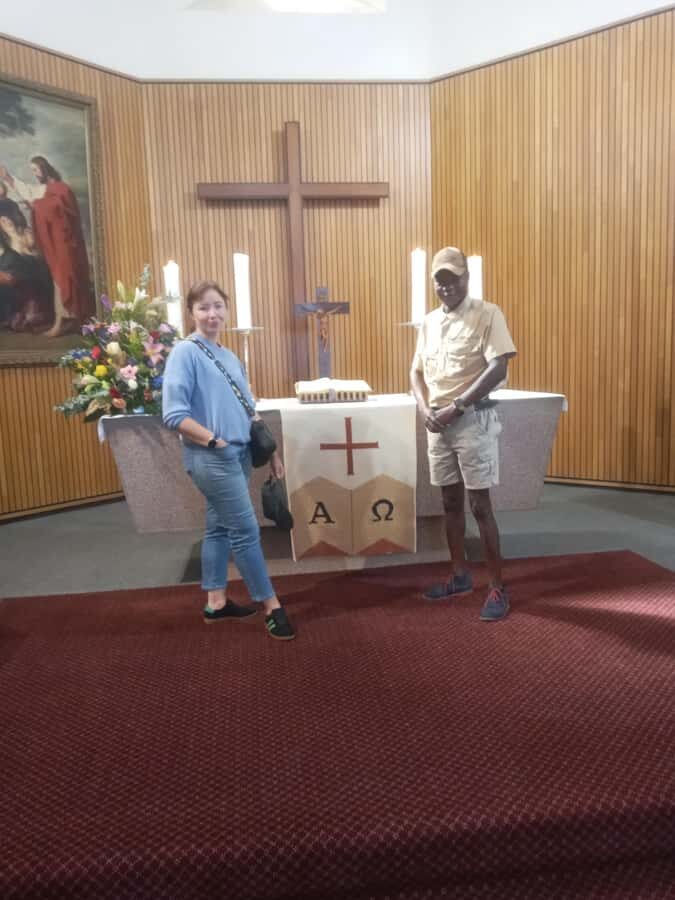
This tour is built on walking. Comfortable shoes are essential. The plan includes stops that may involve standing, short walks between locations, and time in open-air market areas.
Bring a camera if you like photos, and binoculars if you want to zoom in on details. Comfortable clothes matter too, because some parts of the route can involve waiting and walking in mixed light and weather.
The tour also comes with a few vehicle rules. Drinks in the vehicle are not allowed, including alcohol. So don’t plan on relaxing with something cold during transport. Instead, treat the walking and stops as the main experience.
One more “be smart” tip: if you’re planning your Windhoek schedule around this tour, keep your next activity flexible. The route can be affected by what’s open that day, and your guide will adjust to make the tour work.
Who should book Katutura, and who should skip it
This is a strong pick if you want:
- A short, guided introduction to Windhoek that includes Katutura-related neighborhoods, markets, and community spaces
- A mix of architecture, memorial sites, and everyday culture
- An English-speaking guide who can connect sites to Namibia’s independence and conflict story
- A plan that’s easier than stitching together separate taxis and scattered stops
You may want to skip it if:
- You deal with altitude sickness. This tour is not suitable for people with altitude sickness.
- You want a low-walking day or you’re not comfortable with schedule changes due to closures.
- You’re traveling with very limited time and can’t tolerate a slower pace if a site is closed.
If you’re traveling with older family members or anyone with mobility limits, don’t assume it will work. The provided info only states that it involves walking and recommends comfortable shoes. It doesn’t promise wheelchair access or step-free routes.
Should you book this Windhoek Katutura tour?
I’d book it if you have a few hours in Windhoek and you want more than a “see the sights” loop. The combination of Christuskirche, Tintenpalast, memorial stops, the crafts workshop setting, and the Single Quarter Open Market is exactly the kind of lineup that makes Windhoek feel real.
I’d think twice if your trip lands on a Sunday and you’re counting on specific museums or monuments working on that day. The tour can still be worthwhile, but your expectations should stay flexible. And if you’re sensitive to walking or you have altitude sickness, choose something else.
If you do book, message yourself with one simple goal: learn the story, not just the photos. That’s where tours like this turn from “okay” to genuinely memorable.
FAQ
How long is the Windhoek: Katutura Township and City Walking Tour?
The tour lasts 3 hours.
Is pickup included?
Yes. Pickup is included in Windhoek, and the provider should wait at your pickup area.
What language is the live guide?
The live tour guide speaks English.
What is included in the price?
The price includes a walking tour with a guide, visits to Christuskirche, the Parliament building (Tintenpalast), the Independence Memorial Museum, the Genocide Memorial Monument, the Windhoek Crafts Centre, Pepata Traditional Food Restaurant, China Town, Okahandja Park, the Single Quarter Community Open Market, and Old Location.
Are meals and drinks included?
No. Meals and drinks are not included.
Can I cancel and get a full refund?
Yes, free cancellation is available up to 24 hours in advance for a full refund.
Is this tour suitable if I have altitude sickness?
No. It is not suitable for people with altitude sickness.