REVIEW · WINDHOEK
Windhoek: City Tour
Book on GetYourGuide →Operated by Oombe Tours Transfer and Car Hire cc · Bookable on GetYourGuide
A good city tour tells you where people live and why. This one pairs classic Windhoek landmarks with a practical look at Katutura Township and ends with Oshetu market tastings. I really like how the route stays efficient—short stops, clear explanations—and how the guide turns big historical dates into something you can picture on the ground. The one thing to weigh: a couple key sites are mainly passed by, not lingered over, so if you want long museum time, this may feel a bit tight.
The standout value for me is the blend of official places (church, Parliament Gardens, museum areas) and everyday life in Katutura, where you get a real sense of how most people in Windhoek go about daily routines. Guides like Cliff, Nelson, and Benny come across as story-focused and responsive, and that matters on a short tour where your questions need quick answers. If your priority is pure sightseeing photos only, you might find the independence context a stronger feature than expected.
You’ll also appreciate the small group size—limited to 4—plus hotel pickup and drop-off. That setup helps you move without hassle and keeps the conversation going, especially during the township and market portion where questions naturally pop up.
In This Review
- Key highlights worth centering in your plans
- Getting your bearings in central Windhoek: Christuskirche and Parliament Gardens
- The independence thread: National Museum passes and Alte Feste context
- Katutura Township (about 1 hour): how most Windhoek residents live
- Oshetu Community Market and Kapana tastings (about 30 minutes)
- Group size, pace, and what you actually get for $35
- What to bring (and what to skip) so the day runs smoothly
- Who this tour is best for (and who should choose differently)
- Should you book Windhoek: City Tour?
- FAQ
- How long is the Windhoek City Tour?
- What is the price per person?
- Is hotel pickup and drop-off included?
- What’s included in the price?
- What food can I expect to try at the market?
- What is not included?
- What language is the tour guide?
- Are drones allowed?
Key highlights worth centering in your plans
- Christuskirche in the city center: a recognizable landmark, with time set aside to see inside if it’s open
- Parliament Gardens and Namibia independence: quick, focused storytelling tied to what you’re standing near
- Independence to present-day perspective: you’ll connect Dr. Sam Nuyoma and the independence struggle to where Namibia is now
- Katutura Township visit (about 1 hour): a practical snapshot of how over half of Windhoek’s residents live
- Oshetu Community Market tastings (about 30 minutes): Kapana, Mopane worms, mealie pap, and more
- Small group comfort: limited to 4 participants, with English live guiding throughout
Getting your bearings in central Windhoek: Christuskirche and Parliament Gardens
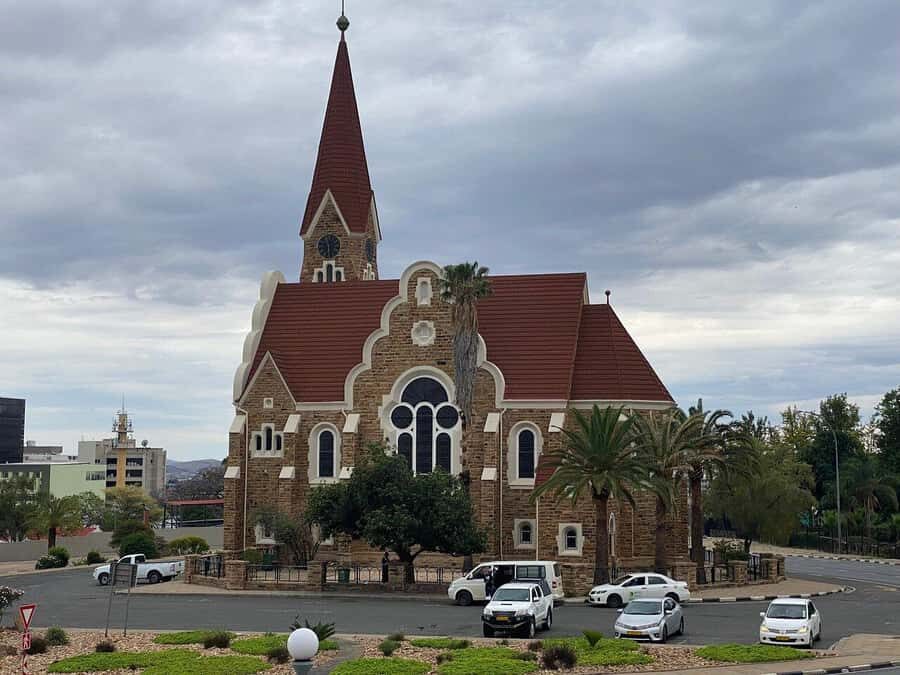
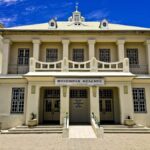
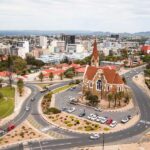
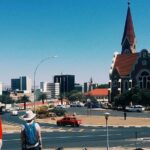
Windhoek’s easiest entry point is its center, and this tour starts where landmarks help you orient fast. Your first stop is Christuskirche, Windhoek’s most recognizable landmark. You’ll have around 15 minutes to look around and, if it’s open, step inside to see this church’s uniquely designed space. Even if you only catch it from the outside, it’s a strong “this is the vibe of Windhoek” marker for the rest of your trip.
What I like about starting here is that it gives the tour a spine. From a practical travel perspective, you’re not just ticking off buildings; you’re building a mental map of the city before you shift into deeper history and then into Katutura. It also works well for photos, because Christuskirche is easy to spot and people-oriented as a meeting point.
From there, you head to the Parliament Gardens, named for its proximity to Parliament House. You get another ~15 minutes here, and the guide focuses on Namibia’s independence story—especially the people who fought for it. It’s a compact stop, but that’s the point. You’re learning the context while your feet are still in the heart of the city. That makes the later transition to Katutura feel less like whiplash and more like a logical follow-on.
One small consideration: if you’re the type who wants museum-depth at every stop, the “about 15 minutes” timing can feel quick. Still, for a short 210-minute city and township combo, it’s a smart pacing choice.
You can also read our reviews of more city tours in Windhoek
The independence thread: National Museum passes and Alte Feste context
After Parliament Gardens, you pass by the National Museum of Namibia. You don’t linger long here, but you do get the key ideas in a way that sets up what you’ll hear next. The tour connects Namibia’s independence struggle to founding figure Dr. Sam Nuyoma, and it also points to where the country is around 30 years after independence. That last bit matters. It turns the story from just “then and there” into something you can recognize as ongoing.
If you’re wondering why a city tour would matter for independence politics, here’s the travel logic: it shapes what you see in public spaces, street life, and even how communities describe their own past. When you later reach Katutura, the explanations aren’t floating in space. You’re carrying a framework.
Then you pass by Alte Feste, and the emphasis shifts to the pre-independence role of Germans and South Africans. Even as a “pass-by” stop, Alte Feste gives you a useful historical anchor. It’s the kind of place where the building itself acts like a hint: this city was shaped by external powers, and those layers still show up in the way people talk about Namibia’s story.
Is it perfect if you want to go inside every historic site? Not really. But it’s strong for something many visitors miss: connecting the architecture and the geography to the human story.
Katutura Township (about 1 hour): how most Windhoek residents live
Here’s where the tour becomes more than a city highlights loop. From central Windhoek, you head into Katutura Township for close to 1 hour.
The tour’s framing is practical: Katutura is a huge area, and it’s where more than 50% of Windhoek residents live. That single detail changes the way you see everything after you arrive. You’re not visiting a small “attraction neighborhood.” You’re going to a place that’s central to the city’s reality.
Another useful point the guide brings up is that Katutura isn’t one uniform experience. It includes different suburbs and spans different socio-economic levels. In other words, it’s not accurate—or fair—to treat it like a single snapshot. You’re there to understand the range of life within the township.
What you’ll get from this portion depends a lot on questions. The best moments usually come when you ask about daily routines, local history, or what people think about change. Reviews connected with guides like Cliff and Nelson highlight how they can answer questions not just about the past but also about current life. That makes this stop feel more like an exchange than a lecture.
A possible drawback to keep in mind: you’re in motion on a schedule, and 1 hour can only cover so much. If you want a deeper dive into one community or want to stay longer with market vendors or residents, you may want to pair this tour with another experience later on. But as an overview that grounds your entire Namibia trip, Katutura is a strong use of time.
Oshetu Community Market and Kapana tastings (about 30 minutes)
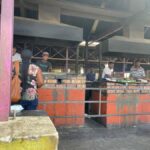
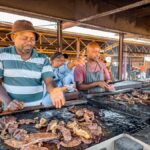
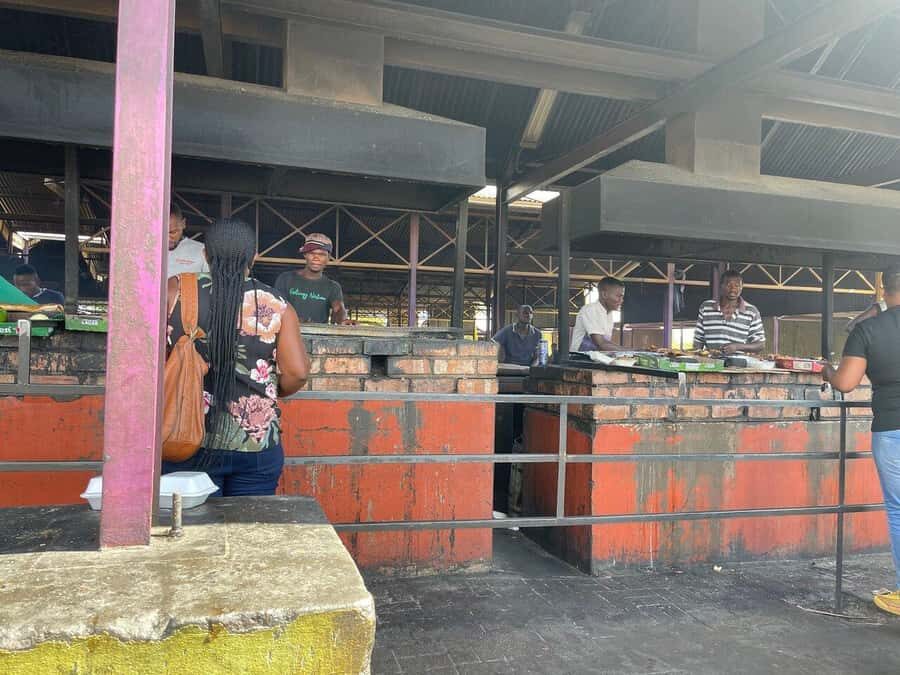
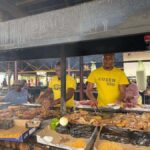
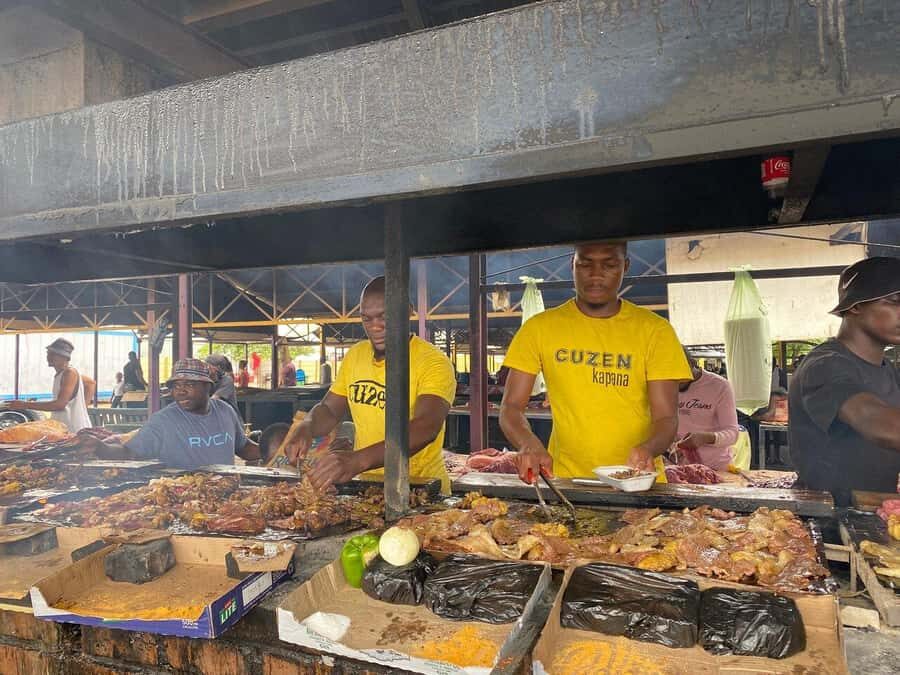
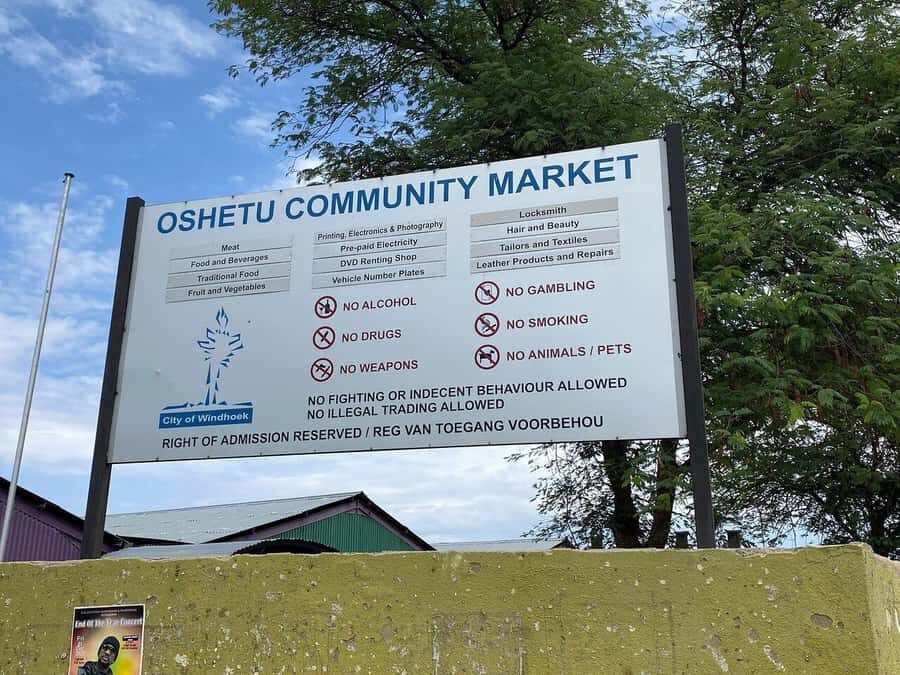
The tour ends with a visit to Oshetu Community Market, with around 30 minutes allocated to explore and try local delicacies. This is the part I’d call the most sensory and easiest to remember later.
The tasting menu isn’t just one safe option. You can try foods like Kapana (BBQ meat), Mopane worms, mealie pap, and more. That variety is a big part of why the market stop feels authentic. It’s not a curated restaurant sampler; it’s local food culture with choices you can weigh based on your comfort level.
From a traveler’s viewpoint, the market is also a great place to confirm what you learned earlier. After hearing about independence context, you’re now seeing community-level life—vendors, food, and everyday trade. That helps the whole tour click into place.
One practical tip: bring cash. The tour specifically lists cash as something to bring, which is a hint that your best chance to snack and buy anything you want will be in cash transactions. Also, you’ll be in the sun for part of the day, so the hat tip isn’t for decoration.
If you’re not a fan of trying unusual foods, the market can still work. You can treat the tasting portion as an opportunity to observe and choose what feels right.
Group size, pace, and what you actually get for $35
At $35 per person for a total 210 minutes (3.5 hours), this tour is priced like a value-focused introduction rather than a long, deep specialist experience. For that money, you’re getting:
- hotel pickup and drop-off
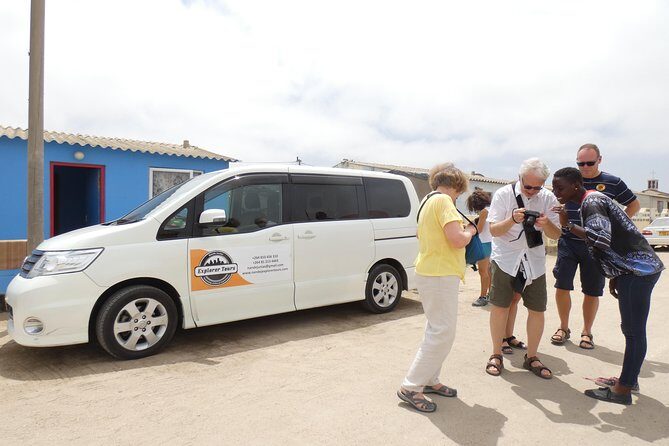
- transport in an air-conditioned minivan
- a live English guide
- a water bottle per person
- food tasting at the market
- all taxes, fees, and handling charges
And what you aren’t getting is also clear: beverages (except water) and lunch aren’t included.
In plain terms, $35 buys you two things: time and context. You’re not spending your day figuring out routes, negotiating directions, or trying to find the right explanation for independence-era sites versus everyday township life. You’re also not doing the market portion solo, which matters for comfort and understanding.
The pace is built around “enough to understand.” You’ll spend about 15 minutes at Christuskirche and Parliament Gardens, pass by National Museum and Alte Feste (so you’ll get context without long indoor time), spend close to 1 hour in Katutura, then about 30 minutes at Oshetu market. That is a deliberate structure for a short schedule.
If your ideal tour is slow and you want to sit with exhibits, you might find the stop lengths feel brief. But if your goal is a high-information overview—done safely, with a guide, and with local food at the end—this format is exactly the point.

What to bring (and what to skip) so the day runs smoothly
The tour gives clear packing guidance, and it’s worth following:
Bring:
- Hat
- Camera
- Cash
The cash advice matters most for the market stop, where you may want to purchase additional items or snacks beyond the included tasting. Water is covered (one bottle per person), but beverages beyond that aren’t included, so if you run warm or you’re a heavy sipper, you may want to plan accordingly.
Not allowed:
- Drones
- explosive substances
This is also one of those tours where thinking about comfort helps. Katutura and the market involve walking and looking around, so good shoes and sun protection can make a noticeable difference, even if the tour doesn’t spell that out.
Who this tour is best for (and who should choose differently)
This Windhoek city and Katutura tour is a great match if you want a practical mix: landmarks plus the township context that most visitors otherwise skip. It’s especially good for:
- first-time visitors to Windhoek who want the city’s layout and main storylines fast
- people who like asking questions and want answers in English from a live guide
- travelers who enjoy local food and want more than a basic meal stop at the end
- couples and solo travelers who benefit from a small group limited to 4
It may be less ideal if:
- you strongly prefer long stops inside museums and historic buildings
- you want a full day (this is 210 minutes, not a half-day of wandering with no schedule)
- you’re not interested in the independence context, since that theme is woven into multiple stops
Should you book Windhoek: City Tour?
If you’re deciding between doing only “pretty sights” or getting the city story plus local life, I’d book this. The strongest reasons are simple: the route covers Windhoek landmarks and then shifts to the place where most residents live, and the tour ends with real food at Oshetu market instead of a tourist-only meal.
I’d say yes particularly if you value a small group and a guide who can handle questions about both history and current life. That matters in Namibia, where context makes the difference between seeing buildings and understanding what shaped them.
One final check before you book: make sure you’re comfortable with a few short stops and a couple pass-by points. This tour is designed to give you a solid overview in a tight time window, not to replace a museum day. If that pacing sounds right, it’s an efficient and meaningful way to start your Namibia trip in Windhoek.
FAQ
How long is the Windhoek City Tour?
The tour lasts about 210 minutes.
What is the price per person?
It costs $35 per person.
Is hotel pickup and drop-off included?
Yes. Pickup and drop-off are included, and you’ll wait at your hotel reception or waiting area.
What’s included in the price?
Included are all taxes and fees, transport by air-conditioned minivan, a local guide in English, one water bottle per person, and food tasting.
What food can I expect to try at the market?
At Oshetu Community Market, the tasting includes options such as Kapana (BBQ meat), Mopane worms, mealie pap, and other local delicacies.
What is not included?
Beverages are not included except water, and lunch is not included.
What language is the tour guide?
The tour is guided in English.
Are drones allowed?
No, drones are not allowed.