REVIEW · WINDHOEK
City Tour of Windhoek Namibia
Book on GetYourGuide →Operated by Motema Tours and Safaris Namibia · Bookable on GetYourGuide
Windhoek has a way of teaching fast. This 3-hour city and township tour puts Namibia’s history and modern city life side by side, with stops that range from iconic buildings to the Katutura area. I especially like that the tour is guided in English and led by history-minded people, including guides such as Betty and Merrin (based on recent experience feedback).
Two things I like a lot: you get a real history-focused route instead of just photo stops, and you also get hands-on culture through a Katutura degustation that isn’t an afterthought. One thing to keep in mind: it is a private tour, but it still runs on a tight 3-hour schedule, so if you want slow, lingering time at museums, you may wish you had more hours in town.
In This Review
- Key things that make this Windhoek tour worth your time
- Getting oriented in Windhoek: where the tour starts to matter
- Christuskirche: the first stop for understanding Windhoek’s history
- City center walking: Independence Avenue, shops, and local rhythm
- Tintenpalast and Alte Feste: parliament and the past in the same day
- Independence Museum: why national milestones are easiest with a guide
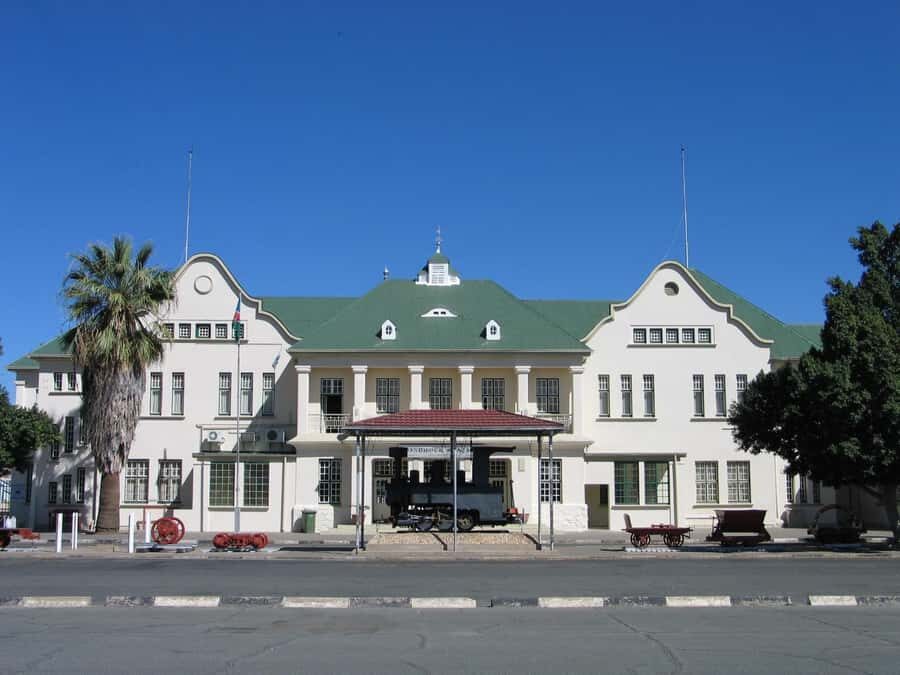
- Train Station Museum: a different angle on heritage
- Katutura Township and the degustation: the human part of the tour
- Culinary delights: more than one way to sample Namibia
- What value you’re actually getting for $84
- Logistics that affect your comfort (without turning your day into paperwork)
- Should you book this Windhoek city tour with Katutura?
- FAQ
- FAQ
- How long is the Windhoek city tour?
- What is the price per person?
- Is this tour private or shared?
- What language is the tour guide?
- Where do you get picked up?
- What stops are included on the tour?
- Is a food tasting included?
- Are entrance fees included?
- What else is included besides the tour sites?
- Is there a way to cancel and get a full refund?
Key things that make this Windhoek tour worth your time
- A guide-led history walk (English) with people praised for being passionate and professional
- Christuskirche as a strong starting point for understanding Windhoek’s past
- Katutura Township visit with a food tasting, not just sightseeing
- Independence-focused stops tied to Namibia’s national story
- Museum variety, including Independence Museum and the Train Station Museum
- Small-group feel thanks to a private group format
Getting oriented in Windhoek: where the tour starts to matter
If you’re arriving in Windhoek for the first time, the hardest part is often simple: where do you go, what do you look at, and how do you make sense of the city’s layers? This tour helps with that fast. You’re picked up in Windhoek and you’ll be taken on a compact route that ties together architecture, national milestones, and local life.
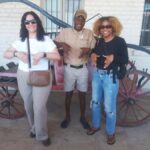
The guide component is the difference-maker. When your person knows how to connect sights to context, you don’t just see buildings—you understand why they show up in stories about Namibia. In the feedback I reviewed, Betty stood out for sharing history in a way that felt personal and clear, and Merrin also earned strong marks for delivering a great tour.
A 3-hour duration means you’ll move, look, and learn without getting stuck. That’s great for a day you’re also using to plan around other Namibian driving times.
You can also read our reviews of more city tours in Windhoek
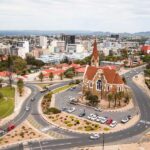
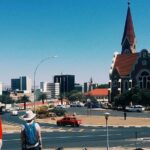
Christuskirche: the first stop for understanding Windhoek’s history
You’ll start with Christuskirche, and that opening choice is smart. A church like this isn’t just a pretty photo—it’s a clue to how Windhoek grew and what outside influences shaped parts of the city.
What you should do here is simple: slow down for a few minutes. Look at the building as a landmark, then listen to your guide’s framing of why it matters. If you’re the type who likes to know what you’re looking at before you move on, this first stop will set you up well for everything that follows.
Possible drawback: if you’re short on time and you personally don’t care about architectural landmarks, you might want to balance it by focusing your questions on historical context and what it connects to later stops.
City center walking: Independence Avenue, shops, and local rhythm
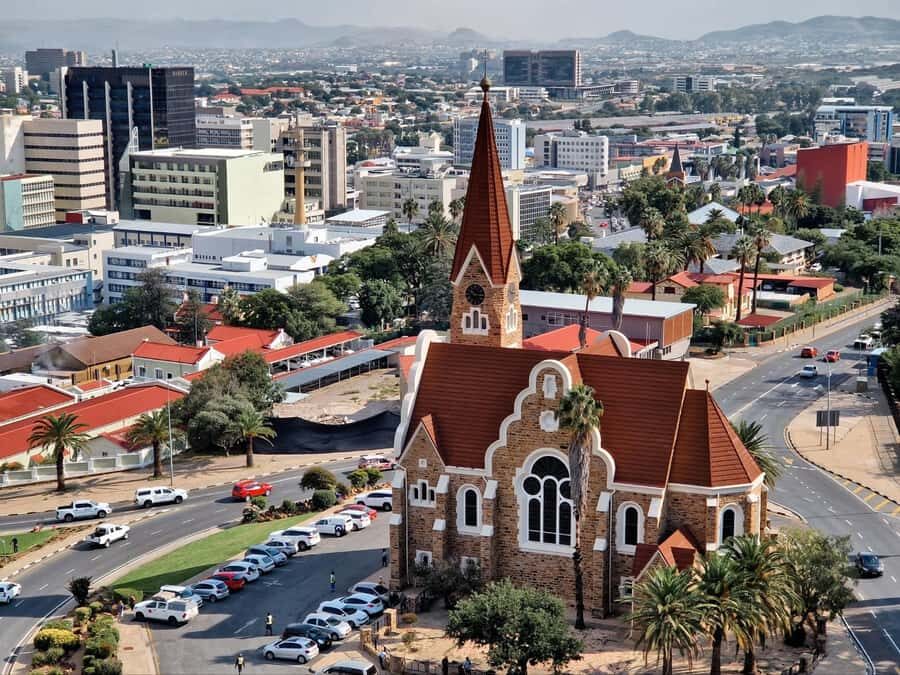
After Christuskirche, the tour shifts into the city center with time for walking and sightseeing. One key corridor you’ll likely pass through is Independence Avenue, where you’ll see a mix of shops, cafes, and places to browse for local crafts and souvenirs.
This is one of those sections where you can get a lot out of very little—just pay attention to how people use the street. Even without shopping, you’ll get a feel for what daily life looks like in central Windhoek.
Practical tip: bring a little cash if you want small crafts or quick snacks, because the tour includes water but doesn’t list any included shopping. If you’re trying to keep your spending under control, set a simple limit before you get to the shops.
Tintenpalast and Alte Feste: parliament and the past in the same day
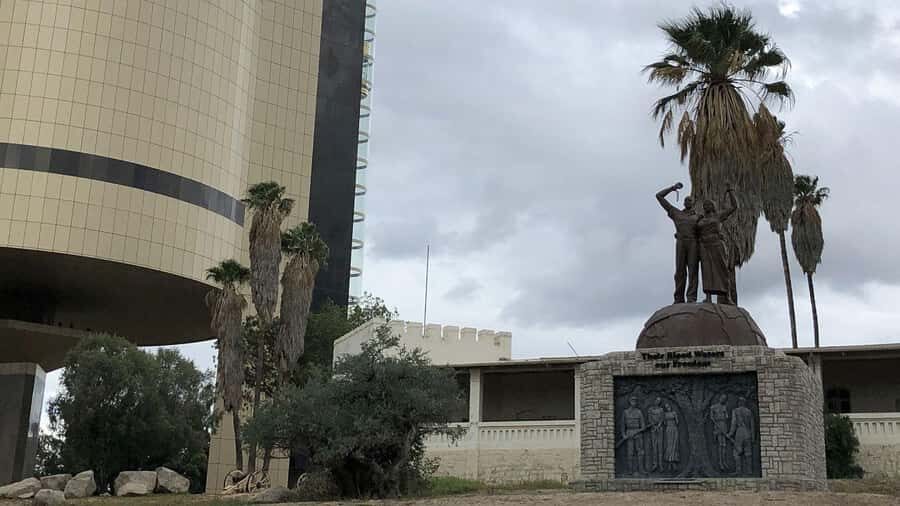
Two landmark stops make the political and historical contrast clear: Tintenpalast (seat of Namibia’s parliament) and Alte Feste, a former fortress now used as a museum space.
These stops are valuable because they help you connect dots. Parliament represents how the country governs today, while Alte Feste points you back to earlier phases of the city and region. Even if you don’t spend a long time inside exhibits, your guide can help you interpret what you’re seeing.
What I’d expect from this part of the tour is not just standing near buildings. It should feel like a guided thread: how Windhoek became a capital, how buildings reflect power structures, and how those stories are told in museum settings.
Independence Museum: why national milestones are easiest with a guide
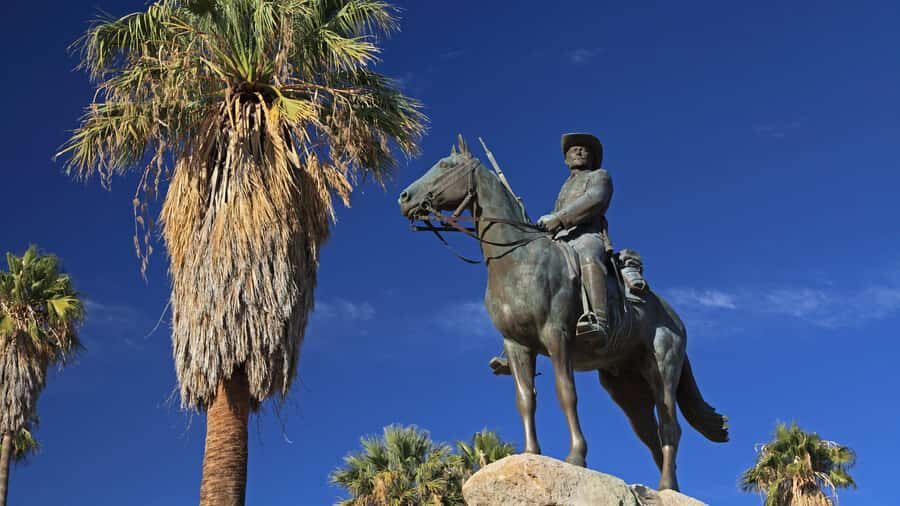
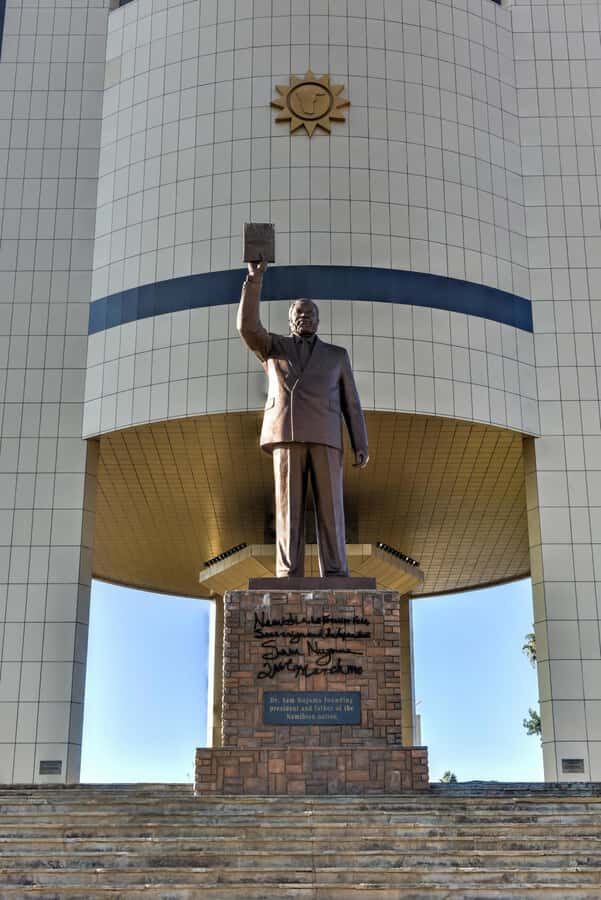
The Independence Museum is one of the tour’s named highlights, and it makes sense to include on a short itinerary. Museums on independence and national storylines can be dense. With a guide, you’re not left trying to translate the big picture alone.
On a 3-hour tour, you likely won’t have unlimited time to read everything. Instead, aim to capture the main idea: how independence is portrayed, and what themes get emphasized. If you want the best value from this stop, ask your guide a question early—something like what people usually miss when they visit quickly—so your attention is directed.

Train Station Museum: a different angle on heritage
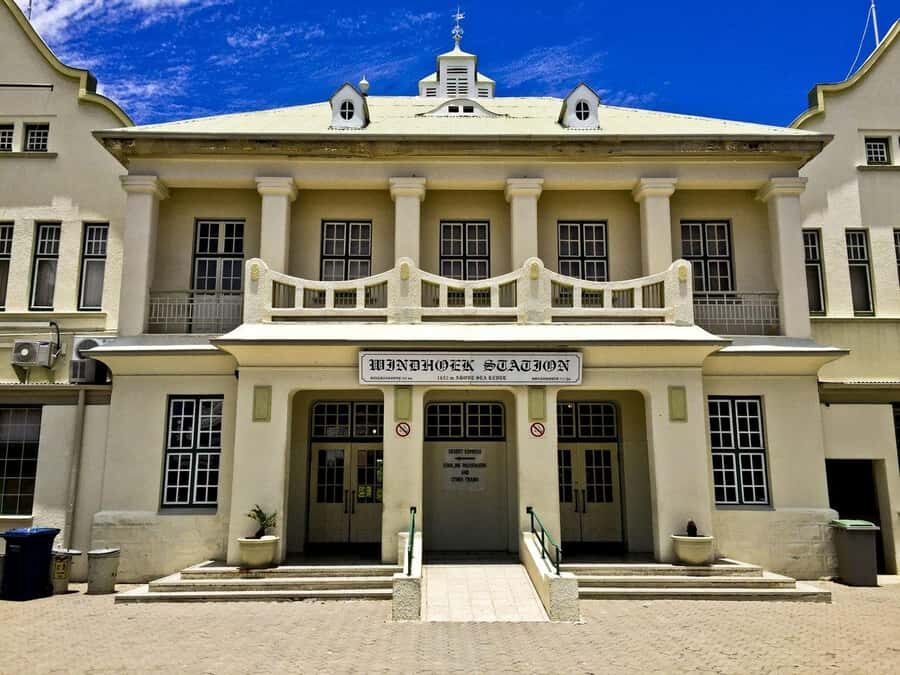
Another listed stop is the Train Station Museum. Even though it’s in the same tour package as political and independence landmarks, it offers a different lens: how transportation, movement, and infrastructure relate to the way places developed.
This is the kind of museum I recommend when you like history that connects to everyday realities. A train station setting can make the story feel tangible, because it links national change to the movement of people, goods, and ideas.
A practical consideration: if you already plan to spend extra time in museums later that day, keep your energy here. This stop works best as a guided highlight rather than a deep, full-day museum session.
Katutura Township and the degustation: the human part of the tour
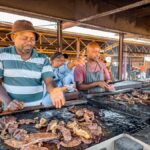
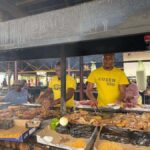
The headline cultural moment on this tour is Katutura Township, plus a included degustation there. In the feedback, the township component alongside the city center was repeatedly praised as excellent, and that matches what you’re likely to feel: this is where the tour stops becoming only about landmarks and starts becoming about people and daily life.
Why the food tasting matters: it’s often the quickest way to experience culture in a respectful, low-friction way. Instead of just walking through, you’re participating in a small shared moment. If you’re open to it, you’ll come away with more than photos—you’ll remember a taste and a setting.
Practical advice for the dégustation:
- Eat what you’re comfortable with, and ask your guide what’s what if options are unfamiliar.
- If you have dietary restrictions, mention them ahead of time if the provider can accommodate.
Possible drawback: township visits can feel intense. Even with a guide, keep expectations realistic. This is not entertainment; it’s a learning experience tied to real communities. If you want a quiet, low-emotion day, you may prefer a purely city-only option.
Culinary delights: more than one way to sample Namibia
Beyond the Katutura degustation, the tour also mentions time for culinary delights—restaurants offering a mix of local dishes and international options. The point here isn’t food as a checklist. It’s food as a way to understand how Namibia blends influences while staying rooted in local identity.
A good strategy: focus on one local item you’ve never tried before. Then pair it with something familiar only if you need it to stay energized.
If you’re the type who takes food seriously, don’t overschedule your day. A 3-hour tour can leave you ready for a proper meal afterward, but not so hungry that you’ll want to eat constantly.
What value you’re actually getting for $84
At $84 per person for a 3-hour private group tour, the value depends on what you need most: guidance, access, and included costs. Here’s why this price can make sense.
Included in the experience:
- Bottle of water
- Entrance fees
- Degustation in Katutura
Those items add up quickly if you try to do it on your own. Museums and guided access often become more expensive once you count entry fees and transport time.
Then there’s the bigger value: a live English guide. In a short time window, you’ll want someone who can explain what you’re seeing and keep the route efficient. The feedback highlights exactly that kind of guide quality—Betty for passionate history, and Merrin for a great tour.
Who gets the best value:
- First-time visitors who want a structured overview without guesswork
- People who like history but don’t want to spend an entire day on reading and searching
- Anyone who wants both city landmarks and a township experience, including food
Logistics that affect your comfort (without turning your day into paperwork)
This tour is in English and is a private group. That matters because it’s easier to ask questions and move at the pace your guide sets rather than being stuck in a large bus-group rhythm.
Pickup happens in Windhoek, and the tour returns you back to Windhoek. Duration is set to 3 hours, so plan your other activities around that. If your next stop requires extra travel time across town, give yourself a buffer.
Also, the tour includes entrance fees and a water bottle, but personal purchases aren’t included—so if you plan to browse Independence Avenue and pick up crafts, budget separately.
Should you book this Windhoek city tour with Katutura?
Book it if:
- You want a guided, history-forward introduction to Windhoek
- You like short, efficient itineraries that cover multiple key spots
- You want a township visit that includes a Katutura degustation, not just a drive-by experience
- You appreciate strong guide delivery (the tour’s recent feedback puts extra focus on guides like Betty and Merrin)
Skip it (or consider another option) if:
- You prefer long museum time and slow walking with lots of free time
- You’d rather avoid structured township components and keep the day strictly city-based
- You’re extremely sensitive to emotionally heavy contexts and want a lighter itinerary
FAQ
FAQ
How long is the Windhoek city tour?
It lasts 3 hours.
What is the price per person?
The price is $84 per person.
Is this tour private or shared?
It’s listed as a private group.
What language is the tour guide?
The tour guide is available in English.
Where do you get picked up?
Pickup is in Windhoek.
What stops are included on the tour?
Key named highlights include Christuskirche, Katutura Township, Independence Museum, and the Train Station Museum.
Is a food tasting included?
Yes. The tour includes a degustation in Katutura.
Are entrance fees included?
Yes, entrance fees are included.
What else is included besides the tour sites?
A bottle of water is included.
Is there a way to cancel and get a full refund?
Cancellation is free up to 24 hours in advance for a full refund.