REVIEW · WALVIS BAY
Pelican Point tours,Lagoon tours, Dune7 Adventure
Book on Viator →Operated by Dune Shuttle and Tours, · Bookable on Viator
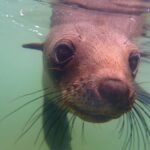
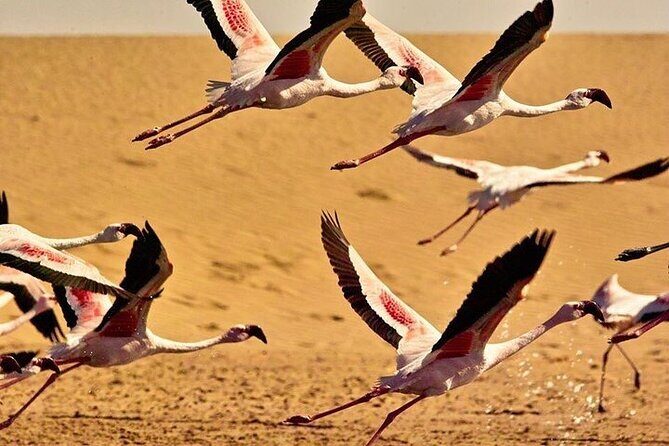
Flamingos and fur seals in one day. In Walvis Bay, the lagoon pulls you in fast: you get close to cape fur seals and you’ll likely spot flamingos sweeping overhead, plus coastal birdlife in big numbers. Add in Dune 7’s views at the top, and this tour turns coastal Namibia into a perfect mix of wildlife watching and sand-dune action.
I especially like how the day is built around what you’re actually there to see. You’re not just driving past scenery; you’re set up to watch seals doing their ocean antics, catch flashes of pelicans and other water birds, and then head for the highest Namib dune area for the sand run. It’s a tight plan with a clear payoff.
One thing to plan around: this is a weather-dependent experience. If conditions aren’t right, timing can shift, and you’ll want a flexible attitude (the good news is you’re not stuck if the tour can’t run).
In This Review
- Key Highlights You’ll Want to Plan For
- Walvis Bay Lagoon and Pink Lake: What Makes This Area Special
- Day 1: Seals, Flamingos, Pelicans, and the Dune 7 Sand Run
- Coastal Stops Beyond Wildlife: Shipwreck Story and Birdwatching Beats
- Day 2: Namib Desert Scale, Museum Time, Kristall Galerie, and Local Market Stops
- Private Tour Pacing: Only Your Group, Plus Specialist Guidance
- Price and Value: Is $250 Per Person Fair for This Two-Day Mix?
- Practical Expectations: Timing, Weather, and What to Bring Your Mind For
- Who This Tour Fits Best (and Who Might Skip It)
- FAQ
- How long is the tour?
- Is this a private tour?
- Where is the tour located?
- What’s included in the price?
- What isn’t included?
- Do I need a mobile ticket?
- Is the tour weather-dependent?
- Should You Book Pelican Point, Lagoon Tours, and Dune 7 Adventure?
Key Highlights You’ll Want to Plan For
- Cape fur seals up close in Walvis Bay’s coastal waters
- Flamingos and big water-bird variety around the lagoon area
- Dune 7 (over 1,256 ft / 383 m) with a climb and gliding run
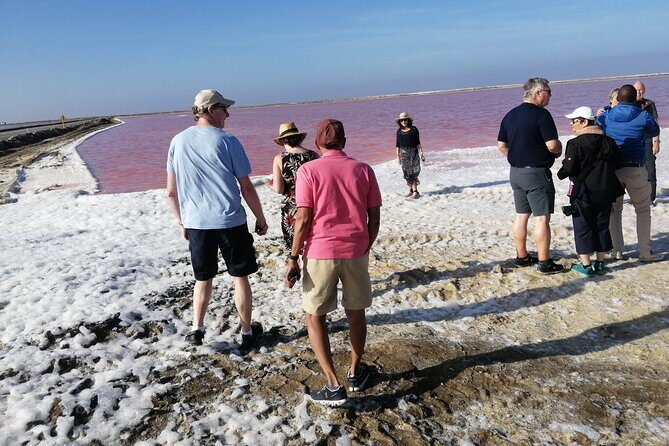
- Pink Lake viewpoints from the lagoon side
- A shipwreck stop with its story during the coastal portion
- A true private group so you’re not sharing the day with strangers
Walvis Bay Lagoon and Pink Lake: What Makes This Area Special
Walvis Bay sits right where sea life, lagoon habitats, and bird migration overlap. That’s why a trip here feels busy in the best way: the shoreline can hold seals resting, then suddenly switch to seals active in the surf. It’s also a place where you can spot multiple bird types in one stretch—think pelicans, avocets, cormorants, damara terns, and flamingos—without having to change regions every hour.
The Pink Lake stop adds a different mood. You’re viewing it in context, with lagoon terrain and wildlife in the same frame. Even if the lake isn’t the main focus for every minute of the day, it gives you a strong visual anchor to the whole trip and helps you connect what you’re seeing in the water to what’s happening around the shoreline.
And because this tour keeps you in the Walvis Bay area instead of scattering your time across far-flung sights, you’ll spend more time actively watching and less time waiting for transport to loop back.
You can also read our reviews of more tours and experiences in Walvis Bay.
Day 1: Seals, Flamingos, Pelicans, and the Dune 7 Sand Run
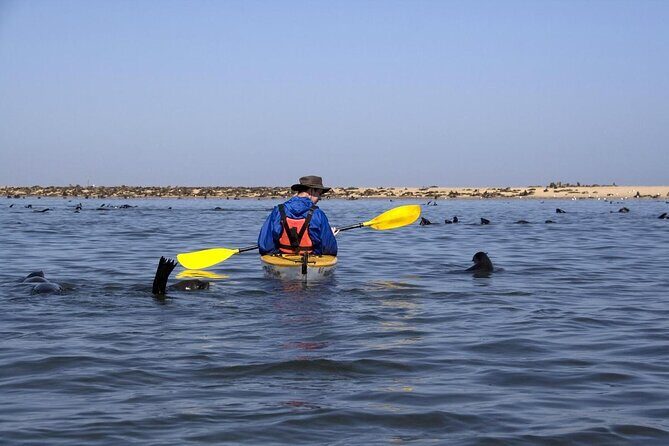
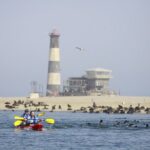
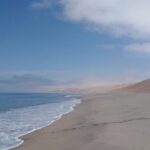
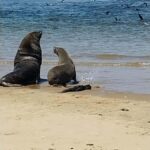
Day 1 is the “eyes on the water” day, with a coastal-and-lagoon focus before you chase altitude. You start in the Walvis Bay area and it’s set up for wildlife watching: cape fur seals are the headline, with the fun of them either basking in the sun or surfing ocean waves. If you’re the type who enjoys watching animals behave naturally rather than just posing for photos, this part clicks.
You’ll also be on the lookout for dolphin and whale sightings (and mola-mola, if conditions line up for visibility and surf). That means your attention stays fluid. One moment you’re scanning the waterline; the next you’re watching birds drift across the lagoon.
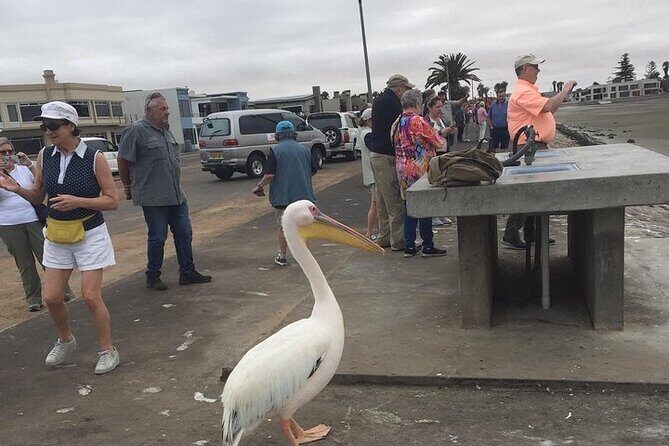
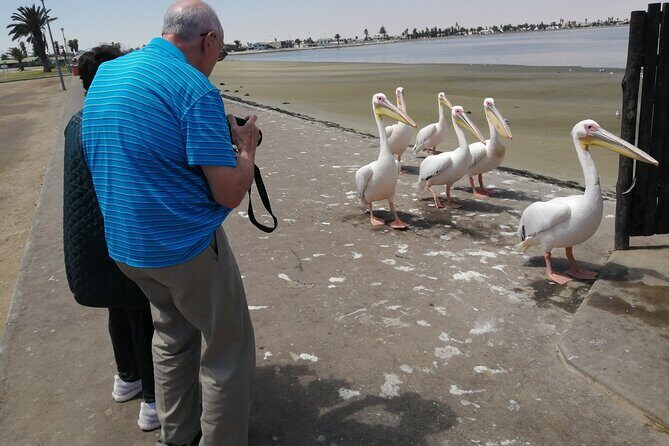
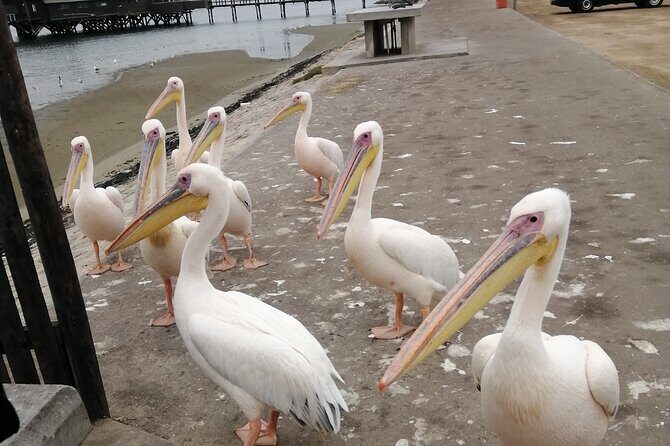
Birding here has a “layer cake” feel. Flamingos can be obvious, but other species help fill in the gaps—damara terns, cormorants, pelicans, and additional migrant water birds. The tour plan is built to keep these sightings in your field of view rather than forcing you to jump between disconnected spots.
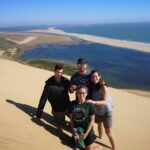
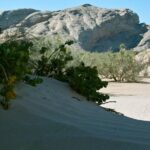
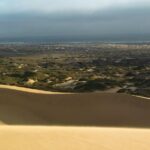
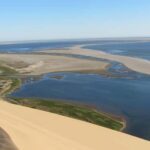
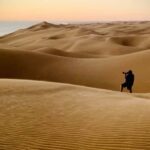
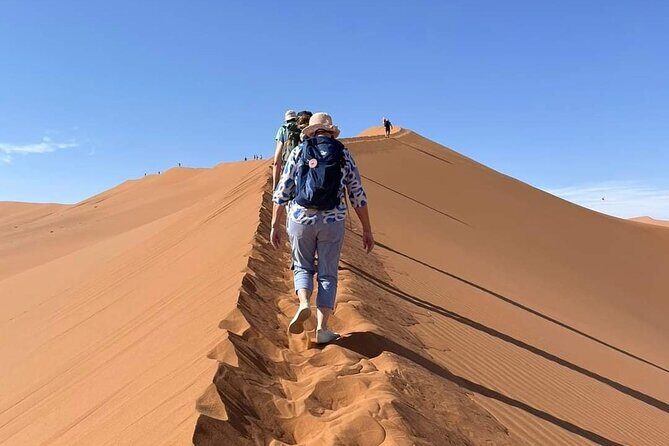
Then comes the pivot: Dune 7. This is the highest dune in the Namib Desert and the highest in Namibia, and that matters because the top gives you the sweeping view you came for. Climbing it is the workout. The payoff is getting to see the lagoon from above and then gliding down at the end, turning a hard climb into a fun finish.
A practical note: since you’re climbing sand and then sliding back down, treat your footing like it’s part of the experience. You’ll get more enjoyment if you wear footwear that handles loose sand and gives you confidence on the slope.
Coastal Stops Beyond Wildlife: Shipwreck Story and Birdwatching Beats
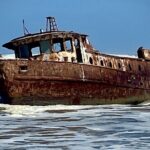
The highlights call out a shipwreck stop with its story, and that’s a smart addition. Wildlife days can become one-note if there’s no human context, but a shipwreck reference gives you a historical thread to hang your observations on. It also helps break up long stretches of looking and scanning, which keeps the mind fresh for the next wildlife window.
After the shipwreck segment, the emphasis stays on the lagoon ecosystem. You’re moving through habitat zones where birds feed and travel. That’s why the bird list feels long and specific: it’s not generic flamingo spotting. You’ll be looking for damara terns and cormorants, plus the pelican presence, and you might also catch avocets and other water birds around the shoreline.
What I like about this approach is that it doesn’t ask you to memorize names to enjoy the tour. You can enjoy it even if you only identify a couple of species. But if you do like learning, the guide-driven focus on what you’re seeing makes it easier to pick up bird details on the go.
Also, note the tone of the day: it’s described as exciting and direct, with a clear “coast first, dune second” structure. That makes it easier to plan your energy—less sightseeing fatigue, more time spent actively watching.
Day 2: Namib Desert Scale, Museum Time, Kristall Galerie, and Local Market Stops
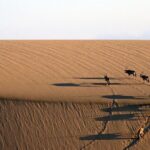
Day 2 shifts from the water’s motion to the desert’s size and culture. You’ll spend time talking through the Namib as the oldest desert and the third largest in the world, and that context changes how you read the scenery. When you know you’re in a desert with that kind of scale, even simple sand and sky moments start to feel meaningful instead of empty.
You’ll also return to Dune 7’s measured height in a way that supports the story of the place. The dune is listed at over 1,256 ft (383 m). That number isn’t just trivia—it helps you understand why the view feels so dramatic once you’re up there. Even if you’ve already done the climbing element on Day 1, Day 2’s perspective helps you “land” the experience and connect the dune to the wider desert.
The museum stop is a good choice on Day 2 because it adds structure. Wildlife days keep you in observation mode; a museum helps you switch gears into understanding—how people interpret the region and what the area means beyond the immediate scenery. If you like turning photo moments into context, this is where that happens.
Then there’s Kristall Galerie and the souvenir shop areas, plus a local open market. The gallery and shops provide a different kind of sensory break: you’re back indoors or around stalls after sand and wind. And the open market is where you get a feel for local daily life rather than only taking in attractions.
If you care about buying something real—rather than just grabbing a generic keepsake—open markets and locally focused stops tend to deliver more character. You’ll have time to browse without the pressure of trying to hit everything in one rushed hour.
Private Tour Pacing: Only Your Group, Plus Specialist Guidance
This is a private tour. Only your group participates, and that changes the feel more than you might expect. With a normal shared tour, you often follow the pace set by whoever’s moving slowest. Here, the plan is more flexible to your rhythm—useful when wildlife spotting takes extra minutes or when the dune segment needs careful timing.
The guide element matters too. Names like Paulus and Jamba show up as part of the specialist team, and the way their driving and stop choices are described suggests you’ll be shown more than just the main “checklist” points. There’s mention of expertly driving over sand and making unexpected stops to show sights and culture. That’s a big deal in Namibia, where the road feels like part of the experience and the best views aren’t always right beside the obvious parking point.
In a private setting, you also get fewer distractions. You’re more likely to hear explanations clearly and to get follow-up details when something catches your eye—like a particular bird movement, seal behavior, or a moment when the lagoon surface changes.
Price and Value: Is $250 Per Person Fair for This Two-Day Mix?
At $250 per person for about two days, this tour lands in the “worth it if you want quality time” category. Here’s why.
First, the price includes all fees and taxes, so you’re not constantly budgeting for add-ons. Day 1 and Day 2 also list admission tickets as free, and that aligns with the idea that most of the key site costs are handled.
Second, you’re getting two different kinds of experiences in a short window: coastal wildlife watching and desert dune altitude plus a desert museum and local market time. That mix is important because it reduces the chance of feeling like you paid for only one highlight. You’re not choosing between birds or dunes—you’re getting both, with an additional coastal story element.
Third, private matters. Even if you compare this to shared tours, you’re paying for exclusivity: only your group, specialist guidance, and a pace built around actual viewing rather than squeezing more stops into less time.
The main “value risk” is your own preferences. If you don’t care much about wildlife watching and you hate physical sand walking or climbing, then the $250 won’t feel as efficient. But if you want a two-day burst of Walvis Bay nature plus Namib Desert views, it’s priced in a way that matches the time and range you’re buying.
Practical Expectations: Timing, Weather, and What to Bring Your Mind For
The tour is listed as approximately 2 days, with about 5 hours per day. That’s a comfortable length for Namibia because it gives you meaningful time at each focus area without turning the whole trip into a long grind of vehicle hours.
You should also treat good weather as part of the plan. The experience requires good weather. If it’s canceled due to poor conditions, you’ll be offered another date or a full refund. Translation: don’t anchor your expectations to one fixed schedule in your mind. Build a bit of flexibility into the rest of your trip, so you can take the replacement date happily if needed.
What to bring your mind for is a simple shift in attention. On the coast, animals and birds are the rhythm; in the dunes, wind and footing take over. The enjoyment comes from staying present in both modes. If you do, you’ll likely come away with more than a checklist of sights—you’ll have clear memories of behaviors: seals in surf, birds moving across lagoon air, and the feeling of height when you reach Dune 7’s top.
Also, use of a bicycle is not included, so don’t plan on biking as your transportation plan during this excursion. The structure is geared toward guided driving and walking on foot.
Who This Tour Fits Best (and Who Might Skip It)
This is a great fit if you:
- Want a private experience in Walvis Bay without sharing the spotlight with strangers
- Love wildlife watching that mixes seals, pelicans, flamingos, and other lagoon birds
- Are excited by dune action, including climbing Dune 7 and gliding down
- Like having context too, so the museum and Kristall Galerie stop matters to you
- Prefer a short two-day plan that still covers multiple “modes” of Namibia
You might skip or rethink if you:
- Want mostly indoor attractions and little outdoor movement
- Have zero interest in dune climbing or walking in sand
- Are very strict about schedule timing on the calendar, since weather and on-the-ground timing can affect how the day flows
FAQ
How long is the tour?
It’s listed as approximately 2 days, with about 5 hours per day.
Is this a private tour?
Yes. It’s a private tour/activity, and only your group will participate.
Where is the tour located?
The tour is in Walvis Bay, Namibia.
What’s included in the price?
All fees and taxes are included.
What isn’t included?
Use of a bicycle is not included.
Do I need a mobile ticket?
Yes, the tour includes a mobile ticket.
Is the tour weather-dependent?
Yes. The experience requires good weather, and if it’s canceled due to poor weather you’ll be offered a different date or a full refund.
Should You Book Pelican Point, Lagoon Tours, and Dune 7 Adventure?
If your ideal Namibia trip mixes animals, birds, and desert views, I’d book this. The value is strongest for people who want a real private day: you get lagoon wildlife focus plus Dune 7’s climb-and-glide payoff, then Day 2 adds desert context with a museum, Kristall Galerie, and a local open market.
If you’re torn, use this quick filter: are you excited to watch cape fur seals and flamingos, and are you okay with sandy walking and the physical step of climbing Dune 7? If yes, this tour is a smart match for a two-day Walvis Bay stop. If no, you’ll probably wish you’d chosen something more relaxed and less outdoors-driven.