REVIEW · WALVIS BAY
From Walvis Bay: Sandwich Harbour World Heritage Site
Book on GetYourGuide →Operated by Africa Edge Tours and Safari cc · Bookable on GetYourGuide
A sea of flamingos turns into a dune playground. I love the combo of wetland bird spotting and real 4×4 dune driving, with guides like Charles and Herman making it feel personal. You also get the photo stops and lunch break that let the place sink in, not just pass by. One consideration: this is weather-and-tide dependent, so beach driving and extra sand activities can vary.
What makes this outing especially good is the focus on small details and careful wildlife viewing. You’ll scan tidal lagoons, mudflats, and sandbars for thousands of wetland birds, plus smaller creatures like the fog-basking beetle and palmetto gecko. I also like that the guides bring a patient eye for photography, and several people mention they were helped to get great shots without feeling rushed.
The main drawback is simple: it’s outdoors, windy, and sandy. Bring a windbreaker, sunglasses, and a change of clothes, because you’ll likely get salt and grit on you even if everything goes perfectly.
In This Review
- Key Things I’d Put at the Top of Your List
- Walvis Bay Lagoon Start: Flamingos, Wetlands, and Quick Wins
- 4×4 Through Tidal Lagoons: Mudflats, Sandbars, and Birdlife Timing
- Sandwich Harbour Lagoon and the UNESCO Coastline Effect
- Photo Stops and Lunch: The Break That Turns It Into a Day, Not a Drive
- Optional Sandboarding and Dune Climbing: Fun If Conditions Allow
- Guides Make the Difference: Charles, Herman, Hans, and the Best Kind of Patience
- Price and Value: Is $153 Worth 4.5 Hours of Wetlands and Dunes?
- Who This 4×4 Sandwich Harbour Trip Suits Best
- Should You Book This From Walvis Bay?
- FAQ
- How long is the tour?
- Where do I meet the guide in Walvis Bay?
- Is sandboarding included?
- What languages is the live guide available in?
- What wildlife and nature should I expect to see?
- What should I bring?
- What’s not allowed during the tour?
- Is the price per person and what’s included?
Key Things I’d Put at the Top of Your List

- Walvis Bay lagoon flamingos first, right at the start, so you get instant wildlife payoff
- Two RAMSAR sites in one day: Walvis Bay wetlands then Sandwich Harbour (UNESCO World Heritage)
- Endangered-bird odds are real, including 11 endangered species regularly observed at the first RAMSAR area
- Guides who work the dunes for safer handling and steady photo stops, with drivers named Charles, Herman, Hans, and others
- Optional lie-down sandboarding if time and conditions allow, plus optional dune climbing
Walvis Bay Lagoon Start: Flamingos, Wetlands, and Quick Wins
Your day begins around Walvis Bay’s waterfront area, either meeting at the Walvis Bay Waterfront close to Flamingo Lagoon spots or via a cruise arrival meet-up. The first payoff is immediate: flamingos in huge numbers in the lagoon. This isn’t a distant, binocular-only moment. You’re positioned close enough to enjoy the scale and watch how birds shift around the water’s edge.
From here, the tone of the tour is set: you’re not just driving. You’re learning how the wetland works—why the birds gather where they do, and what to look for as the habitat changes. That matters because wildlife spotting on a short day is all about choosing the right “search moments.” Starting with flamingos gives you a confident warm-up before you move into the more technical-looking coastline.
A practical note: the lagoon and dunes can be bright and windy. Sunglasses and sunscreen aren’t optional-style gear here. You’ll use them constantly.
You can also read our reviews of more tours and experiences in Walvis Bay.
4×4 Through Tidal Lagoons: Mudflats, Sandbars, and Birdlife Timing
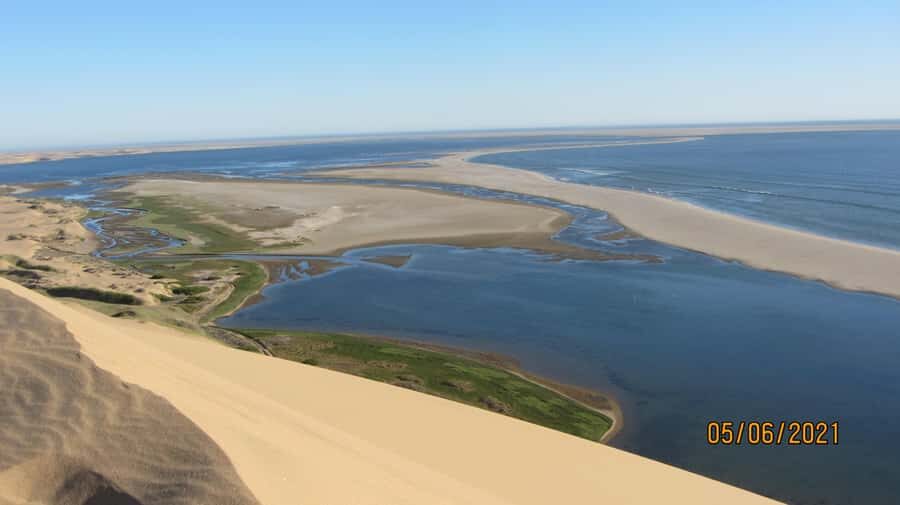
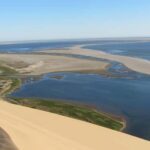
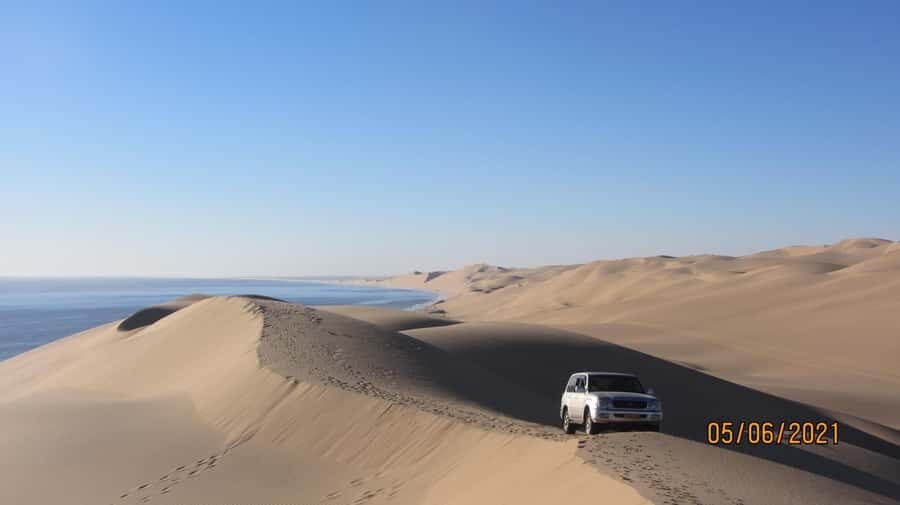
After the initial flamingo views, you head out in a 4×4 with your guide across Namibia’s richest wetlands. The terrain is the star: tidal lagoons made up of adjacent intertidal areas, mudflats, and sandbars. These aren’t just scenery. They’re feeding zones that change as tides move.
This is where your guide’s job gets real. In a few hours you’re trying to catch the best combination of water level and bird movement, so you’ll likely make photo stops when the light and activity line up. The tour description calls out thousands of wetland birds, and the best strategy is to expect lots of motion and to watch patterns, not just individuals.
You’ll also have the chance to look for smaller life in the dunes and coastal edges. The tour specifically mentions the fog-basking beetle, the dancing spider (often referred to as the white lady of the Namib), golden mole, shovel-snouted lizard, and palmetto gecko. Even if you don’t see every one of those species, the mindset is valuable: your guide will teach you what to scan for beyond big animals.
One more detail that helps: a few guides’ reputations in people’s notes focus on safe driving and patient photo time. That’s not fluff. If you’re photographing birds or geckos in sand, you want slow, steady stops and careful repositioning—not constant jostling.
Sandwich Harbour Lagoon and the UNESCO Coastline Effect
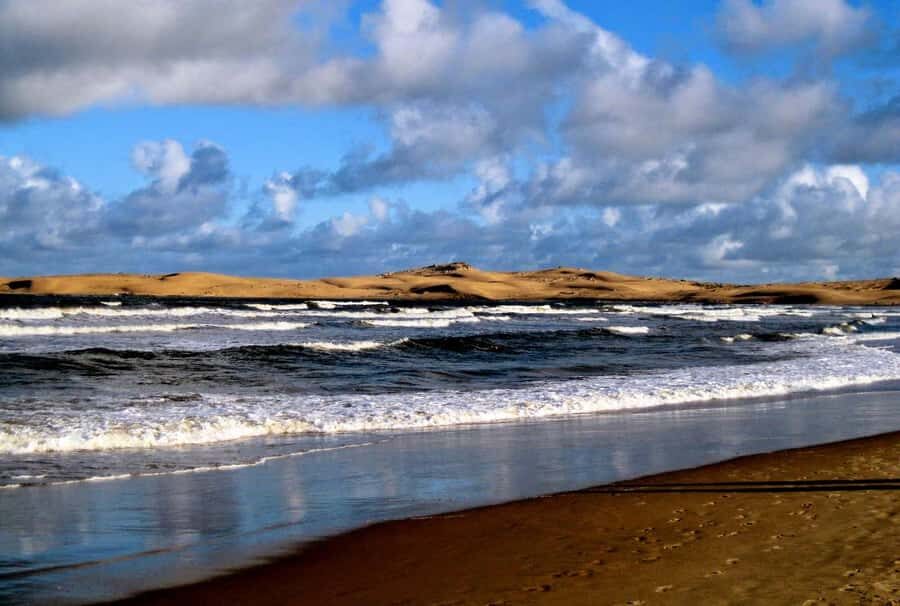
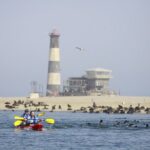
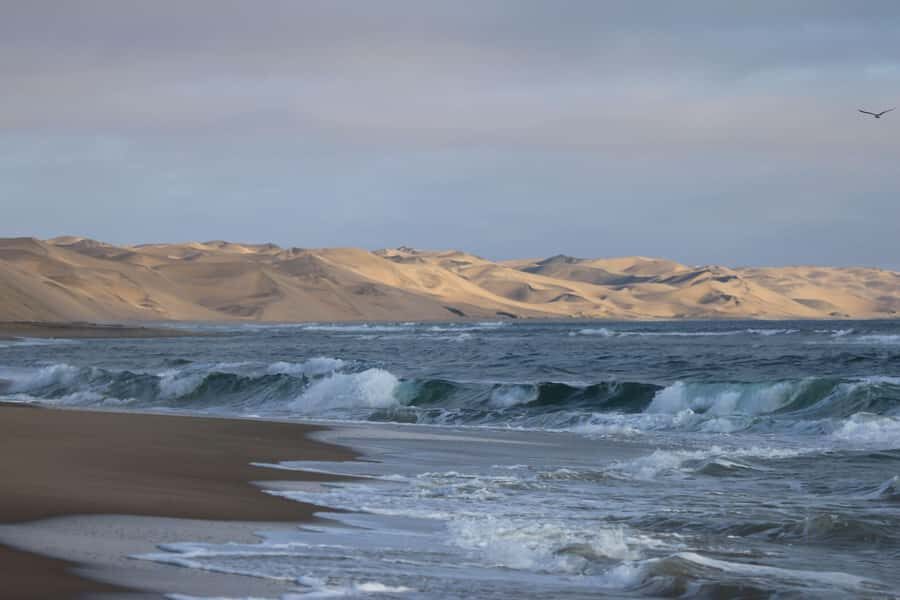
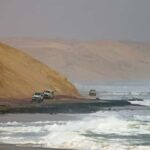
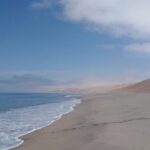
If weather and tides cooperate, you’ll drive along the beach right to the Sandwich Harbour Lagoon. This is one of Southern Africa’s richest wetlands, and it’s also a UNESCO World Heritage Site wedged between the sea and the Namib Dunes.
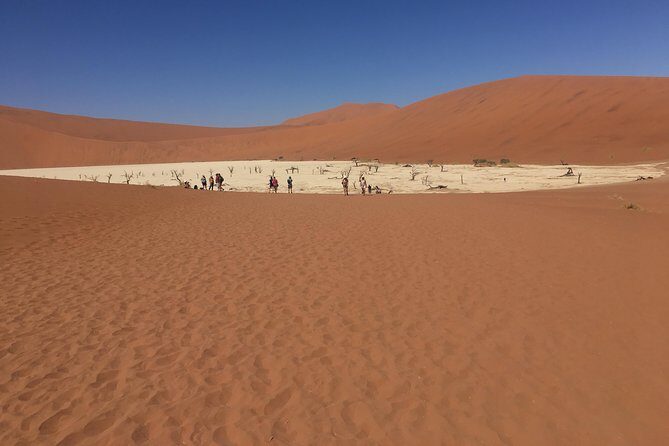
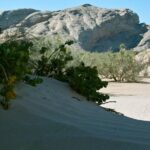
The physical feel of Sandwich Harbour is different from the quieter lagoon start. You get dunes tumbling toward the Atlantic, salt pans, salt bush, and a coastal rhythm where birds can appear on both sand and water depending on conditions. Several people highlight seeing pink-tinged waters and intense birdlife along the wild beach, including cormorants and lots of wading birds. Even if you don’t see every headline species, the sheer variety of settings keeps your attention locked.
Sandwich Harbour also has strong conservation context. The day’s plan references another RAMSAR stop for the coast, and specifically notes eight endangered species among the birdlife you can encounter in the area. That’s part of why this tour is worth doing as a guided trip: you’re not guessing at what’s “important.” Your guide knows what to look for and how to interpret what you’re seeing.
Photo Stops and Lunch: The Break That Turns It Into a Day, Not a Drive
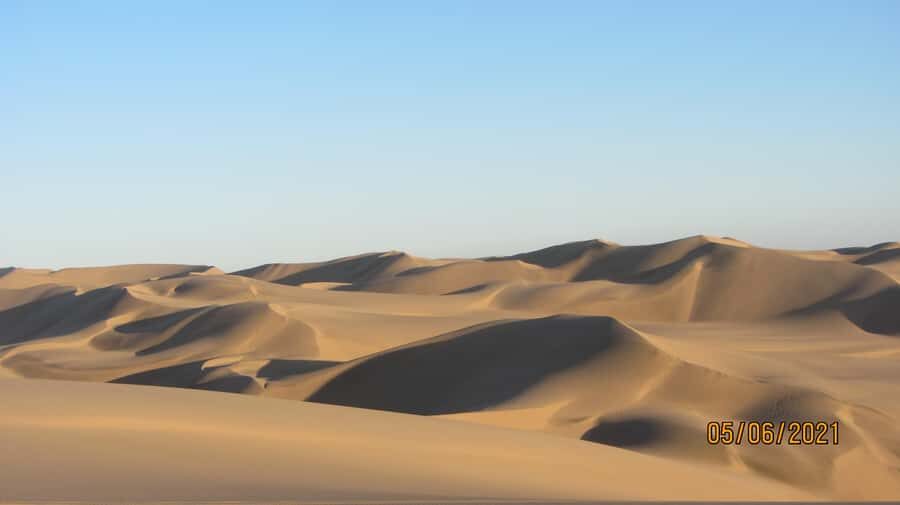
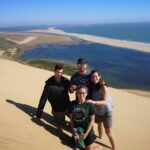
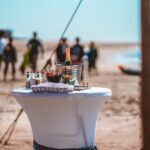
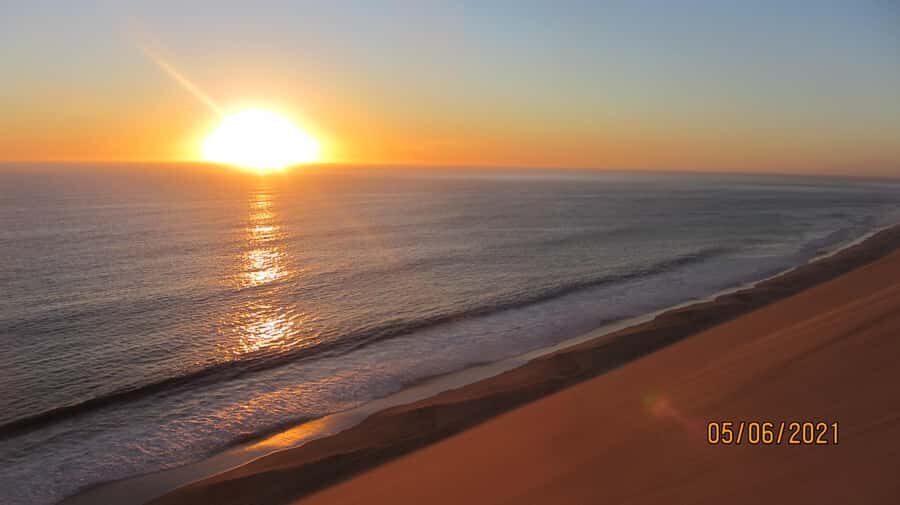
At some point, you’ll pause for a light lunch and drinks on top of a high dune overlooking the Atlantic Ocean, or you may eat on the beach depending on weather and timing. This break is not just for calories. It’s your moment to reorient.
When you’re photographing nonstop—flamingos, wetland birds, dune animals—your brain fills up fast. A lunch stop on a viewpoint helps you connect the dots: where the lagoon sits, how the dunes shape the coast, and why birds use certain stretches. A high dune viewpoint also makes it easier to spot movement farther out, because you’re no longer photographing only what’s close to your feet.
Several people mention the snacks and drinks being well timed and that the day felt capped off in the right way. That’s a sign this isn’t a rushed “grab-and-go” outing. It’s built around short, meaningful pauses.
If you’re thinking about photography, here’s the practical advice: bring a charged smartphone (you’ll use it for burst shots and quick reference), plus binoculars if you have them. Birds can be close, but they can also be spread out across mudflats and sandbars. Binoculars save time and help you pick the best moment to photograph.
Optional Sandboarding and Dune Climbing: Fun If Conditions Allow
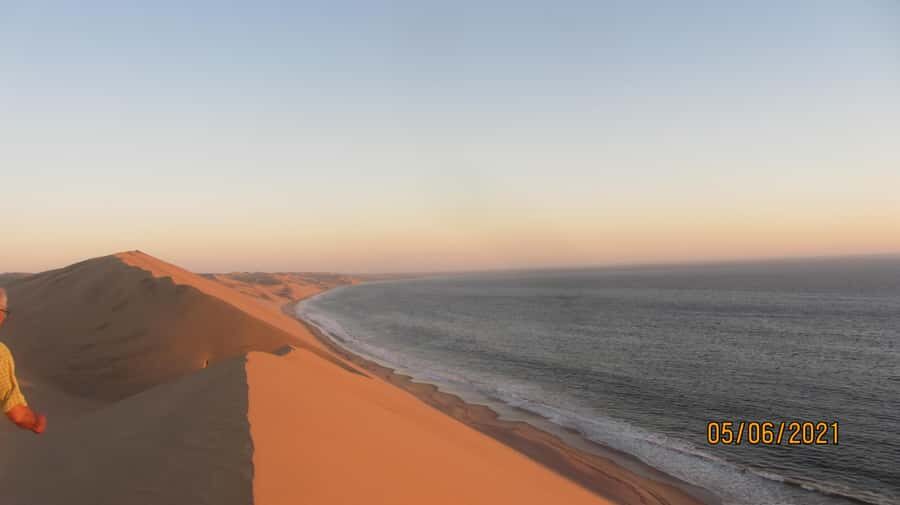
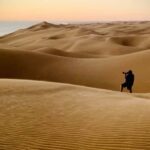
The day includes the option of sandboarding, described as lie down sandboarding for the brave once, if time and weather permit. There’s also mention of optional dune climbing. This is the part that makes the tour feel like more than a wildlife drive, because you get direct contact with the Namib sand rather than just watching it from a seat.
I like that the activity is optional. In this kind of coastal dune area, wind can change fast, and the sand’s behavior matters. If conditions aren’t ideal, the guide can adjust the plan. If conditions are good, this is when you’ll get the kind of photos and stories you won’t forget.
Safety basics matter here:
- wear comfortable shoes
- protect your eyes from sand with sunglasses
- expect that you might need a change of clothes afterward
One small heads-up from a guest note: a vehicle may not have air-conditioning, and the experience can be more open-air than you expect. That’s not a dealbreaker, but it means you should dress for heat and wind and plan for sand exposure.
Guides Make the Difference: Charles, Herman, Hans, and the Best Kind of Patience
On trips like this, the guide can be the whole story. People consistently praise drivers who are both skilled and careful on dunes, plus guides who take pride in the country and the natural world.
You’ll see names come up often, including Charles, Herman, Gerhard/Gérgaardt, Hans, Chris, and Harald. The common thread in those notes is practical: they spot wildlife, they keep the group feeling safe, and they’re patient with photo time. One person even mentions a quick gecko stop in the sand, which is exactly the type of moment that makes a short tour feel special.
This matters for you because Sandwich Harbour and Walvis Bay wetlands reward attention. If you miss small sightings, you feel it later. A guide who knows where to look and when to stop turns the day into a sequence of “there it is” moments rather than just a drive through dunes.
It also helps that this operator is described as long-running, with a claim of being accident free in the dunes for 25 years and operating since 2005. I can’t verify their internal record from a single tour page, but I can say that multiple guest notes focus on safety and confident dune driving. That consistency is what you want.
Price and Value: Is $153 Worth 4.5 Hours of Wetlands and Dunes?

At about $153 per person for roughly 270 minutes (4.5 hours), this tour is priced like a premium wildlife-and-adventure outing. You’re paying for:
- a trained guide (and their ability to spot wildlife fast)
- a 4×4 capable of handling dunes
- permit fees for protected wetland areas
- light snacks and drinks
- time on two major wetland zones, including UNESCO and RAMSAR stops (when tides/weather allow)
Whether it’s a “deal” depends on what you care about most. If you want a bus ride with generic views, you’ll find cheaper options. But if you want targeted bird spotting, dune driving that you don’t have to do yourself, and a schedule built around tide and conditions, the value makes more sense.
Also, the short duration is part of the value. You’re not giving up a full day just to get one highlight. You get flamingos early, wetlands birdlife mid-day, Sandwich Harbour coastal dunes, plus lunch and optional sandboarding. For many Namibia itineraries, time is the real currency.
Who This 4×4 Sandwich Harbour Trip Suits Best
This tour fits best if you like:
- wildlife spotting that’s guided and photo-focused
- coastal dunes and wetlands (not just one or the other)
- a schedule that moves at a good pace without feeling frantic
- short, meaningful adventure activities like sandboarding
It’s also a strong choice if you’re in Walvis Bay for a limited window—especially if you want a single outing that links Walvis Bay wetlands to Sandwich Harbour’s UNESCO status.
Bring along a realistic mindset: animals can be visible, but wildlife isn’t a showroom. The tour is designed to maximize your chances by covering the right habitats and looking for both big birds and smaller dune creatures.
If you’re sensitive to motion, take precautions. The packing list specifically suggests motion sickness prevention, which is smart when you’re bouncing across sand.
Should You Book This From Walvis Bay?
If your priority is real Namibia nature time—flamingos up close, RAMSAR wetlands, UNESCO coastal dunes, and a guide who actively searches for wildlife—then yes, I’d book it. The strongest reason is consistency: multiple people highlight safe dune driving, helpful guidance, and patience for photos, plus the bonus of optional sandboarding when conditions allow.
My one hesitation is weather and tides. If you’re visiting during a period when conditions are poor, some parts may be adjusted. Still, even then, the wetland focus and dune driving should deliver the core experience.
If you want a memorable, practical day that combines wildlife and dune adventure without the stress of planning it yourself, this is a very solid choice from Walvis Bay.
FAQ
How long is the tour?
The duration is listed as 270 minutes, about 4.5 hours.
Where do I meet the guide in Walvis Bay?
You start at Walvis Bay parkrun, and you should spot the car with the local partner’s logo. The tour also notes meeting at the Walvis Bay Waterfront area, and for cruise guests, meeting at the harbor gate.
Is sandboarding included?
Sandboarding is optional and depends on time and weather. Dune climbing is also listed as optional.
What languages is the live guide available in?
The guide is listed as available in English and Afrikaans.
What wildlife and nature should I expect to see?
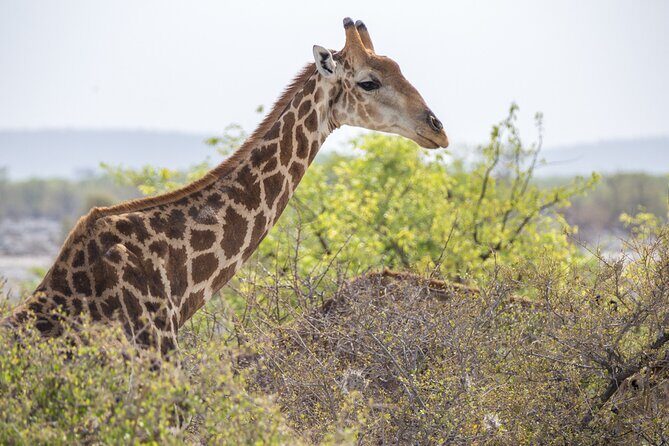
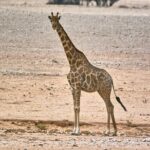
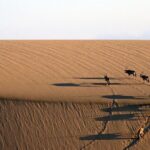
You’ll look for wetland birds around tidal lagoons and mudflats, including flamingos. The tour also mentions endangered birds and smaller creatures such as the fog-basking beetle, dancing spider, golden mole, shovel-snouted lizard, and palmetto gecko. You may also spot spring buck, oryx, black-backed jackal, or ostrich if conditions allow.
What should I bring?
Bring comfortable shoes, windbreaker, sunglasses, sun hat, sunscreen, a camera, charged smartphone, binoculars, and clothing appropriate for weather. The list also suggests a change of clothes and motion sickness prevention.
What’s not allowed during the tour?
Pets, drones, intoxication, smoking indoors, vaping, feeding animals, and explosive substances are listed as not allowed. Drinks in the vehicle are also not allowed.
Is the price per person and what’s included?
The price is listed as $153 per person. Included items are permit fees, trained guides, reliable maintained 4×4 vehicles, and light snacks and drinks.