REVIEW · SWAKOPMUND
Swakopmund:Mondesa Cultural Township Tour
Book on GetYourGuide →Operated by Explorer Tours Swakopmund · Bookable on GetYourGuide
Mondesa feels real because you spend time with people, not behind ropes. This private township tour in Swakopmund mixes local history, neighborhood life on OB Street, and a meal shared in a family home.
I love the direct, human pace: chat with residents, see everyday homes and schools, and learn culture through a guide who can explain what you’re seeing. I also like the food factor—this tour doesn’t just describe traditions; you get to try dishes like Omagungu (mopane worms) and Ondjuhwa (bbq chicken).
One consideration: it’s not the best fit if you have back problems or you’re pregnant, and you should be ready for unfamiliar tastes as part of the experience.
In This Review
- Key things that make this Mondesa tour work
- Where Mondesa fits on a Swakopmund visit
- Your half day starts with hotel pickup
- A short history first, then OB Street for real life
- Craft market stop: meet makers, not souvenir shelves
- DRC housing projects: how improvement is shown on the ground
- Nama herbalist visit: culture through medicine knowledge
- Herero lady and dress notes (afternoons and weekends)
- Shebeen time plus a live Acapela performance
- The family home meal: a clear list of what you’ll try
- What I’d bring (and what to leave behind)
- Price and value: what $80 buys you in practice
- Who should book this Mondesa Cultural Township Tour
- Should you book this Mondesa tour?
- FAQ
- How long is the Mondesa Cultural Township Tour?
- How much does the tour cost?
- Do I get picked up from my hotel?
- What languages are available for the guide and audio?
- Is the tour wheelchair accessible?
- What’s included in the price?
- What should I bring, and what’s not allowed?
Key things that make this Mondesa tour work

- Hotel pickup, then a focused 3-hour loop so you get a full cultural slice without losing the day
- OB Street conversation time plus views of typical homes and schools
- A small home craft market where you can meet different artists and see handmade work up close
- Nama herbalist + Herero culture stop (the Herero lady visit only on afternoons/weekends)
- Shebeen drinks and a live Acapela performance for a more social, sound-on-the-ground moment
- A family home meal with a defined list of local dishes to try
Where Mondesa fits on a Swakopmund visit

Swakopmund is often visited for ocean air and German-influenced architecture. A Mondesa Cultural Township Tour gives you a different lens: how Swakopmund’s community life looks from inside a township, not from the outside. You’ll still keep it practical—this is a 3-hour tour with transport and a private guide, designed for a half-day slot.
Even if you’re short on time, this format helps. You get a set route, but it’s not rushed sightseeing. The focus stays on people, culture, and everyday places—like OB Street, local schools, and housing improvements.
You can also read our reviews of more tours and experiences in Swakopmund.



Your half day starts with hotel pickup
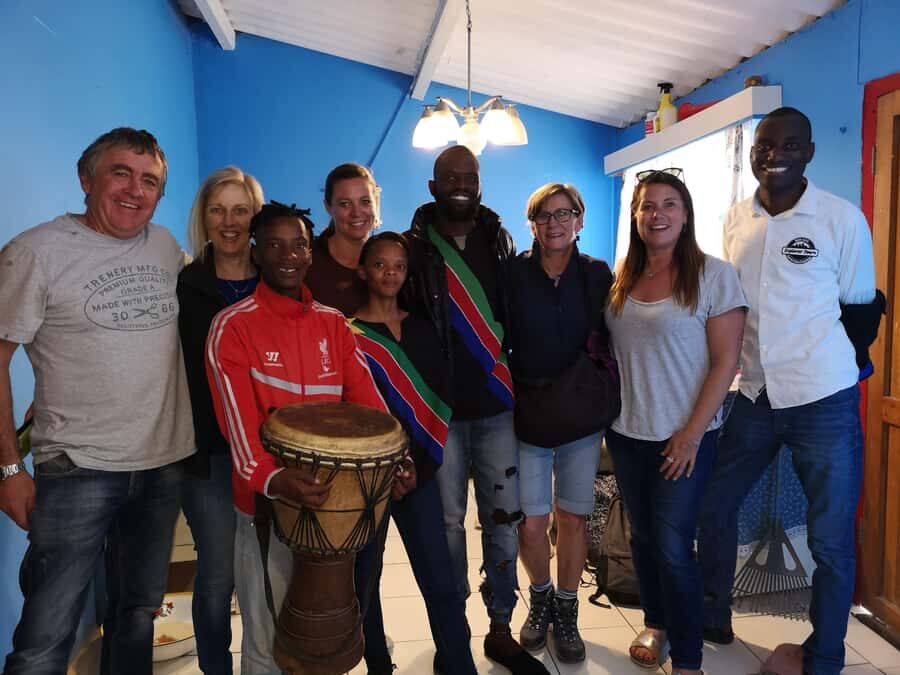
The tour begins with pickup directly from your hotel. That matters more than you’d think. It lowers friction—no figuring out directions, no waiting around, no “what bus do we take” stress.
Because the group is private, you can ask questions as you go. And since the experience runs in English and German (live guide plus audio), you’re not stuck with just one-way interpretation. The audio component helps if you need to pause, re-listen, or catch a phrase you missed.
A short history first, then OB Street for real life
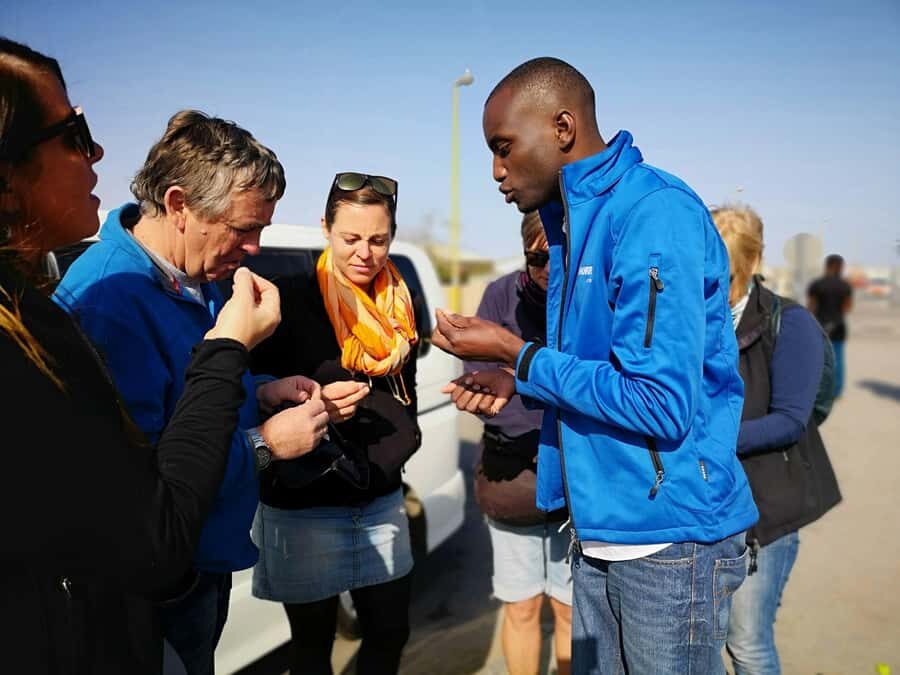
You’ll drive out to Mondesa Township and get a brief history background before you step onto the street. This first layer is useful because it turns what you see from random details into a clearer picture—what you’re looking at and why it looks the way it does.
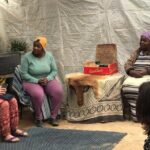
Then comes the heart of the walk: OB Street. Expect a stroll where you can view typical township homes and schools and chat with local residents. The best part is the “talk while you walk” structure. It’s hard to explain culture from behind a camera. Here, conversation is part of the route.
Practical note: bring your patience for normal township pace. This is not a silent museum stop. If you’re friendly and respectful, you’ll get much more out of it.
Craft market stop: meet makers, not souvenir shelves
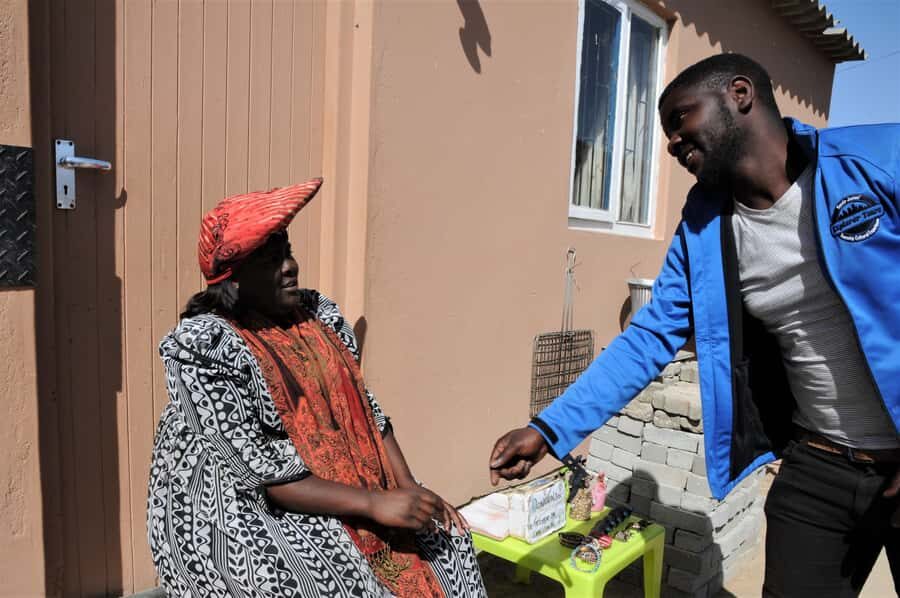
At some point, the tour stops at a small home craft market. Instead of big stalls with identical items, you’ll see different artists’ crafts offered in a more personal setting.
This is a good moment to slow down and ask questions—what an item is made from, how it’s used, or what it means locally. If you’re the type who likes collecting stories along with objects, you’ll get more value here than just buying something.
One thing to know: souvenirs aren’t included, so if you want to take something home, you’ll pay separately. I’d treat this market as your “buy time,” not as a random stop.
DRC housing projects: how improvement is shown on the ground

After the craft market, you’ll drive through DRC (Democratic Resettlement Community). The purpose here is straightforward: learn about housing projects and how the Swakopmund Municipality is improving the area.
This stop adds weight to the day. You’re not only looking at culture and tradition—you’re also seeing development and change. For many visitors, this is the difference between an “entertainment tour” and a “understand the place” tour.
Because it’s a drive-through segment, you won’t have hours to linger. Still, it’s an important context stop, especially if you want to understand the living reality behind the name “township.”




Nama herbalist visit: culture through medicine knowledge
Next you visit a traditional Nama herbalist. This isn’t a generic “herbs for tea” pitch. The focus is on Nama culture and herbal medicines, explained by someone sharing her knowledge.
Even if you’re not into natural remedies, this stop is valuable for one reason: it shows how knowledge gets passed on—through people, not textbooks. It also connects culture to everyday survival and practice, which tends to feel more meaningful than a surface craft demo.
Herero lady and dress notes (afternoons and weekends)

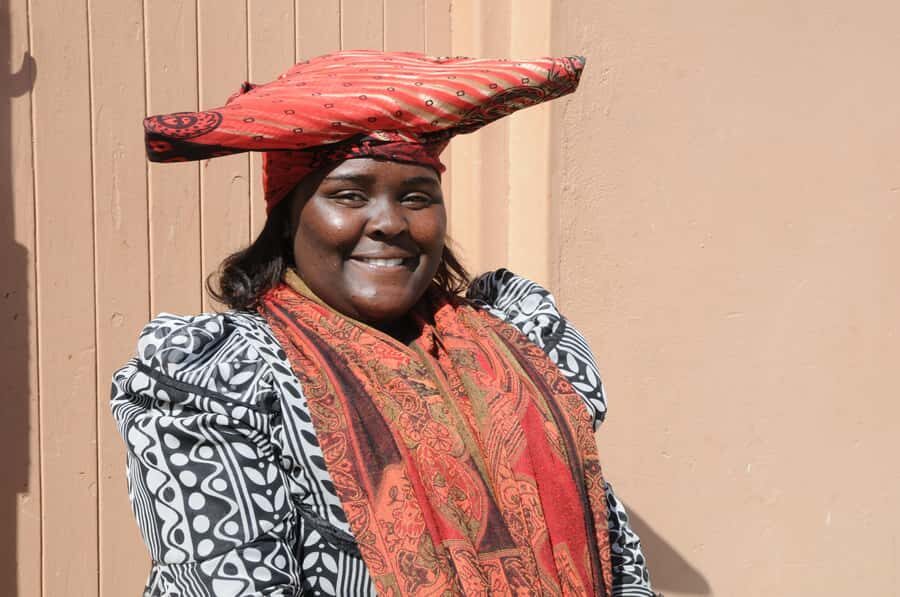
There’s also a Herero culture stop with a Herero lady discussing her dress and Herero culture. The key detail is timing: this is only available on afternoon and weekend tours.
If you’re traveling mid-week or only on a morning slot, this element might not be included. Before you book, check the start time you’re choosing so you don’t end up expecting this specific conversation if your schedule won’t support it.
Shebeen time plus a live Acapela performance

The tour includes drinks at a Shebeen (African bar) and includes a live Acapela performance. This is one of those parts that can make the day feel more like community life and less like a checklist of stops.
Why it’s a highlight: music and casual social spaces are where people relax. That makes the culture easier to read, because you’re not only hearing explanations—you’re experiencing the tone.
I’d treat this section as your “settle in” moment. It’s also a good time to ask short questions about what you’re hearing and seeing, rather than trying to solve every cultural question at once.
The family home meal: a clear list of what you’ll try
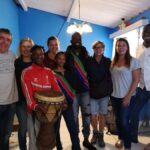
One of the most memorable parts is the meal in a local family home in the township. The tour includes local traditional lunch (and the dinner wording appears in the tour description, depending on timing). Either way, the food is the same idea: a shared meal that reflects everyday eating.
You’ll also get drinks during the Shebeen stop, while the meal itself focuses on these dishes:
- Ondjuhwa (bbq chicken)
- Omagungu (mopane worms)
- Mahangu Porridge (millet)
- Omakunde (beans)
- Oofukwa (ground nuts)
- Onyandi, Oombe and Ondunga (wild fruits and berries)
This is the kind of menu that people either love or approach with curiosity. I think that’s exactly why it’s worth including. It forces you out of the safe-food bubble and turns “culture” into something you can taste and discuss.
If you’re sensitive to trying insects, you can still watch how the meal is served and ask about ingredients. Just be honest with yourself before you go: this tour gives you a chance to try foods like mopane worms, and you shouldn’t pretend you’ll be unaffected.
What I’d bring (and what to leave behind)
Packing for this tour is simple because it’s short and focused. Bring:
- Comfortable shoes (you’ll be walking in the township)
- Sunglasses, a sun hat, and sunscreen
- If you want to be extra thoughtful: sweets or stationary for kids
The tour also lists a clear “don’t” list:
- No pets
- No smoking
- Avoid luggage or large bags
That last point matters. You’ll move between stops, and big bags slow everyone down. A small day bag you can keep close is the easiest approach.
Price and value: what $80 buys you in practice
At $80 per person for a 3-hour private cultural tour, the value comes from how specific and guided it is. You’re not just paying for transport. You’re paying for:
- Pickup from your hotel
- A live guide in English/German
- Audio guidance
- Cultural stops that are built around people and knowledge (OB Street conversation, herbalist visit, craft market, Shebeen moment)
- A local family meal with a defined list of dishes
- Transport between the stops
When tours cost less, you often get either a bus ride with limited interaction or a “look but don’t talk” approach. This tour’s model leans the other way. Private guiding + meal + multiple community-based stops is what makes it feel like a half day, not a quick look.
The one “value tradeoff” is time. You’ll see a lot in 3 hours, but you won’t have the slow, hour-long wandering that some people prefer. If you’re the type who likes deep conversation, plan to ask a few strong questions and then let the guide steer where the energy is.
Who should book this Mondesa Cultural Township Tour
This is a strong fit if you:
- Want a structured township experience with time to chat and look at everyday life
- Like learning through conversation and visiting people (craft market, herbalist, Shebeen, family meal)
- Are okay trying local foods, including items like mopane worms
- Prefer a private group format with English/German support
It may not be the right choice if you:
- Have back issues or need extra mobility support
- Are pregnant
- Don’t want to try any unfamiliar foods
If you’re somewhere in the middle—curious but cautious—you’ll still benefit from going in with the right mindset: polite, curious, and ready to participate at your own comfort level.
Should you book this Mondesa tour?
If you’re visiting Swakopmund and you want something more honest than a checklist, this tour is a solid booking. It gives you a guided route into Mondesa that includes the street-level stuff—OB Street, schools, resident conversations—plus culture stops that go beyond photos.
I’d book it if: you can handle a short walking portion, you’re curious about Nama herbal medicine and Herero cultural notes (especially if your day is an afternoon/weekend slot), and you’re open to a real family-home meal.
I wouldn’t book it if: you’re looking for a low-effort sightseeing day, you’re not comfortable trying traditional foods like Omagungu, or you fall into the back-pain/pregnancy limitations.
FAQ
How long is the Mondesa Cultural Township Tour?
It lasts 3 hours.
How much does the tour cost?
The price is $80 per person.
Do I get picked up from my hotel?
Yes, pickup is straight from your hotel accommodation.
What languages are available for the guide and audio?
The live tour guide and audio guide are available in English and German.
Is the tour wheelchair accessible?
Yes, it is wheelchair accessible.
What’s included in the price?
Transport and a local traditional lunch are included.
What should I bring, and what’s not allowed?
Bring comfortable shoes, sunglasses, a sun hat, and sunscreen. Pets, smoking, and luggage or large bags are not allowed.