REVIEW · SWAKOPMUND
Living Desert Eco Dune Tour
Book on Viator →Operated by The Naturalist Collection t/a Batis Birding Safaris CC · Bookable on Viator
One dune walk, and the desert talks back. This Living Desert Eco Dune Tour takes you from Swakopmund toward the Namib Desert dunes, where your guide helps you read the environment as you go, including the role of fog and shifting sand. I love the way the experience stays practical, with easy spotting tips and a professional guide from the Naturalist Collection.
I also like the comfort side: hotel pickup and drop-off, bottled water, and a snack mean you spend your time looking at dunes, not arranging logistics. Keep in mind it’s weather dependent and typically runs about 4–5 hours, so if you want a long, deep desert expedition, this shorter outing may feel a bit limited.
In This Review
- Key highlights I think you’ll feel right away
- Swakopmund pickup and your route toward the Namib dunes
- Meet the guide who turns tiny tracks into a story
- Namib Desert walk: fog life, sand-diving lizards, and the Horse Graveyard
- The wildlife you can realistically spot in a few hours
- What to bring for 4 to 5 hours in shifting sand
- Price and value of a guided eco dune tour at about $60
- Who this tour fits best in your Namibia plan
- Should you book the Living Desert Eco Dune Tour?
- FAQ
- How long is the Living Desert Eco Dune Tour?
- Do they offer hotel pickup in Swakopmund?
- What’s included in the tour price?
- Is there an admission fee?
- Is the tour affected by weather?
- What if I need to cancel?
Key highlights I think you’ll feel right away
- Guided dune walking from Swakopmund toward the Namib Desert between Walvis Bay and Swakopmund
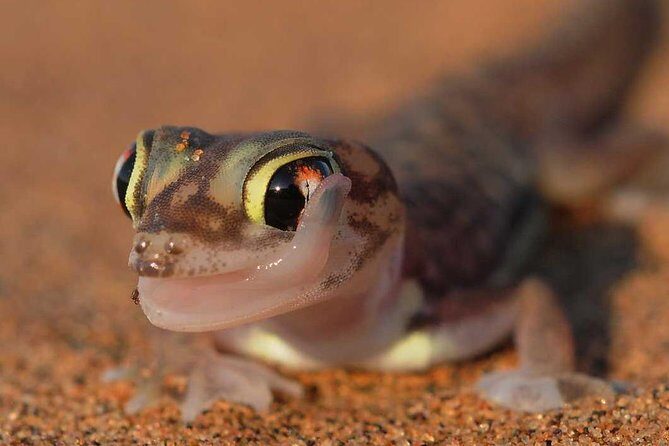
- Wildlife spotting focus on small desert creatures like lizards, snakes, chameleons, and beetles
- Fog-powered desert lessons, including how coastal fog supports life
- Horse Graveyard history stop, adding a human story to the natural one
- Birdwatching moments with chances to spot Tractrac Chat and Red-capped Larks
Swakopmund pickup and your route toward the Namib dunes
This is an easy half-day format that starts in Swakopmund and moves you out into the dune area without making you figure out transport. If pickup is offered for your booking, you’ll be collected from your hotel and taken back afterward, which is a big deal when you’re traveling with limited time (or limited energy).
The group size is capped at 33, so it won’t feel like a tiny private safari, but it also shouldn’t turn into a long conga line. You’ll get a mobile ticket, and confirmation is sent within 48 hours of booking when space is available.
You can also read our reviews of more tours and experiences in Swakopmund.



Meet the guide who turns tiny tracks into a story
What makes this tour work is the way the guide explains what you’re seeing while you’re walking, not after you’re already back in town. The best part is how the desert stops being just big sand and becomes a place with rules: where life can exist, why it looks the way it does, and how animals manage the extremes.
Arnold (from the Naturalist Collection) is specifically praised for an engaging, interactive style—so expect explanations that feel like conversation, not lecture. The guide also helps you spot creatures you might otherwise miss, including reptiles and insects that live right in the open sand.
And yes, this tour’s real strength is that it’s designed for people who love nature, even if they’re not experts. You don’t need special gear, just attention and a willingness to look down as much as you look out.
Namib Desert walk: fog life, sand-diving lizards, and the Horse Graveyard

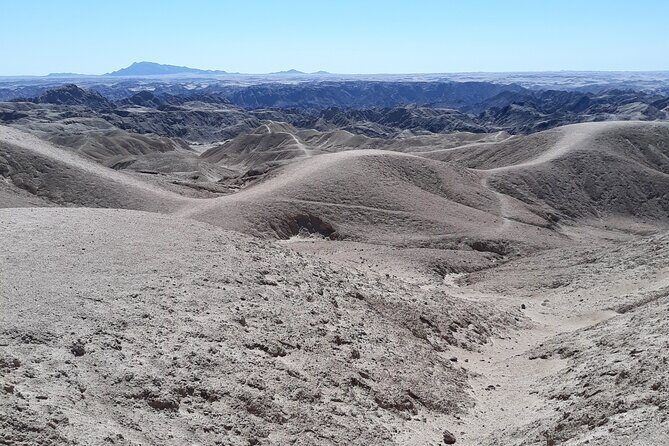
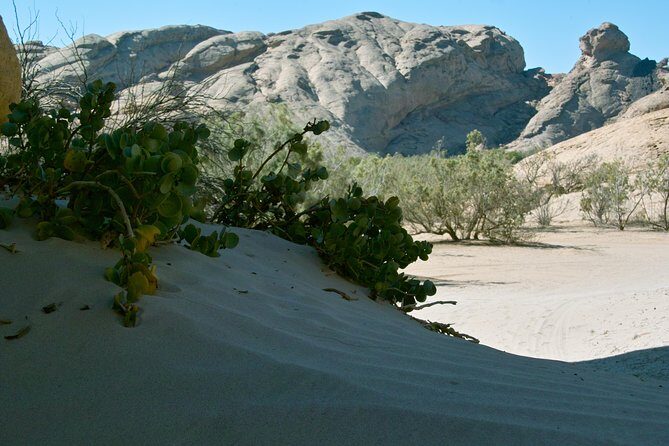
The main event takes place in the Namib Desert dune area, with a walk across sandy expanse that lets you experience the place at a human pace. The guide’s environmental storytelling is anchored in a few big ideas you’ll hear again and again: how the desert functions, how animals survive, and why fog matters more here than you’d expect.
One of the key learning themes is coastal fog and how it sustains life. That’s not just interesting trivia; it explains why the desert isn’t empty. Even when the ground looks dry and still, the ecosystem has its own rhythm.
You’ll also get a history moment at the Horse Graveyard. That stop adds context beyond animals and dunes, reminding you that people have also been drawn to this region’s harsh, dramatic conditions.
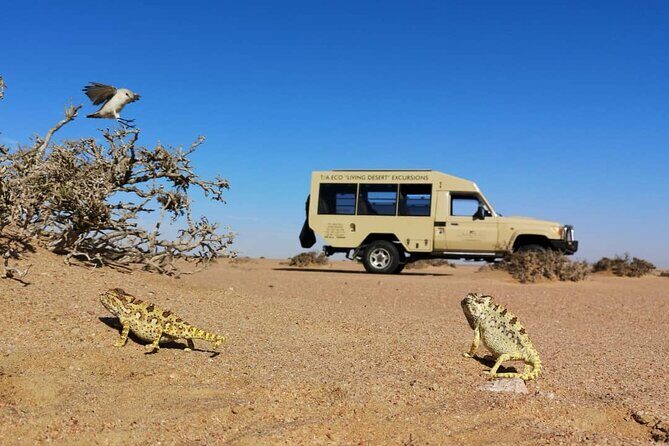
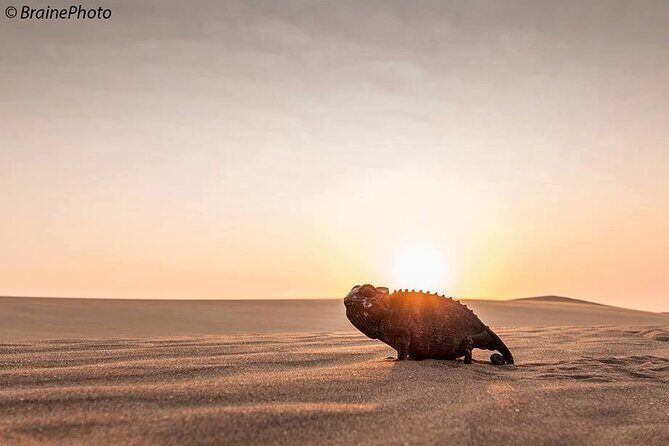
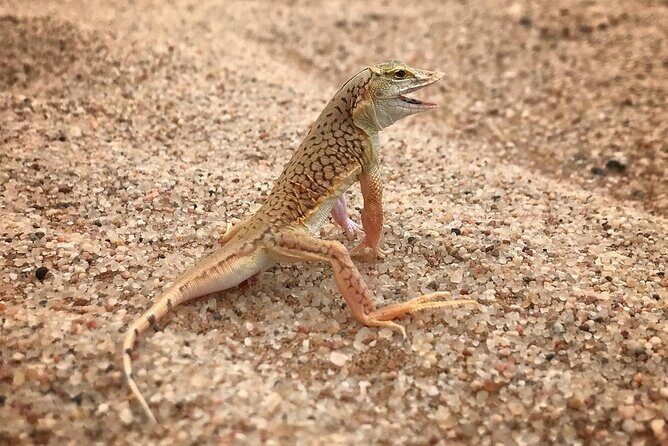
Wildlife-wise, the tour highlights species you can actively keep an eye out for. For example, you may encounter the Namib Sand-diving Lizard and the Namaqua Chameleon during the walk. The idea is not that you’ll see every single creature, but that your guide will help you notice the ones that are there and explain what makes them suited to the Namib.
The wildlife you can realistically spot in a few hours
This is a half-day format, so you shouldn’t expect a long wildlife marathon. Instead, think of it as targeted “spotting practice” with a guide who knows where to focus your attention.
Based on what the tour emphasizes, you’re in the right setting for small, desert-adapted animals such as:
- Lizards and tiny reptiles (including Namaqua Chameleon)
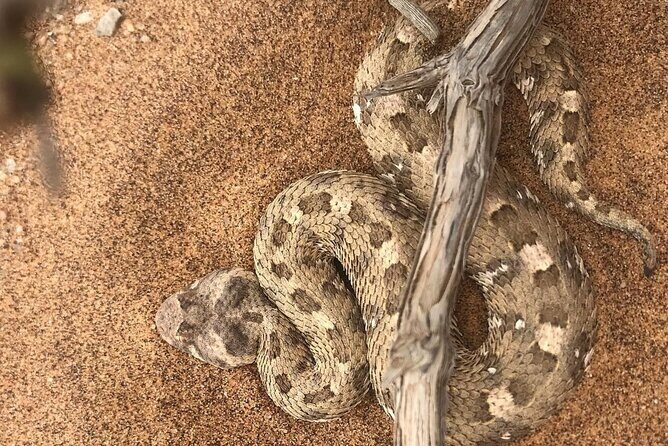
- Snakes
- Beetles
- Desert birds, if conditions and timing line up
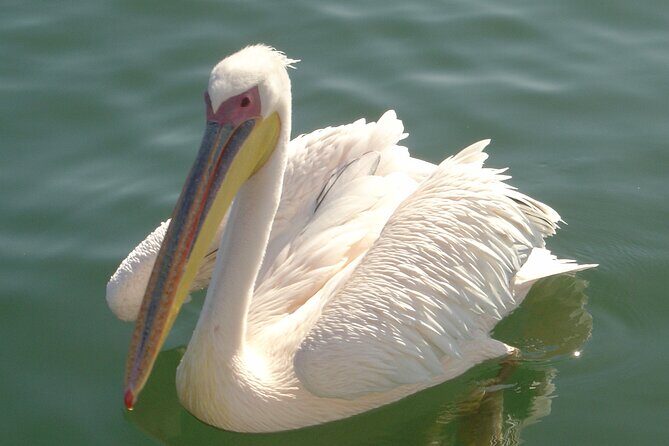
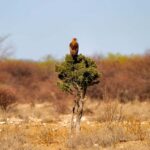
Bird lovers get a bonus. The guide may point out chances for species like Tractrac Chat and Red-capped Larks. I like that these aren’t vague bird mentions; you’re given actual names so you can connect what you spot in real time to what the guide is explaining.
One thing I appreciate about this kind of guided walk is how quickly you start reading the desert. After enough moments scanning the sand and edges of the dunes, you begin to notice small details that feel invisible at first—tiny movement, different textures, and signs of activity.
And that’s exactly where the tour’s value shows up. You’re not paying for a drive-and-stand. You’re paying for a guided way to see more.
What to bring for 4 to 5 hours in shifting sand

You don’t need much to join, but you do want to be comfortable for a dune walk. The tour includes bottled water and a snack, so you’re covered on basics—but your personal comfort is still your responsibility.
Here’s what I’d plan for:
- Closed-toe shoes with decent grip for sand
- Sun protection (hat and sunscreen), since you’re outdoors for several hours
- A light layer, because deserts can change mood as the day goes on
- A camera or phone with enough battery for wildlife moments
Also, the tour is weather dependent, so if the forecast looks harsh, it may be adjusted. In Namibia, that matters. Wind and sand can change the feel of dunes fast, so keep your expectations flexible.



Price and value of a guided eco dune tour at about $60
At $60.39 per person, this tour sits in the “reasonable day-trip” range, especially because it bundles the hard parts together. You’re getting a professional guide, bottled water, a snack, and hotel pickup and drop-off (when available). That reduces the usual hidden costs: taxi time, coordination stress, and hunting down entry fees.
There’s also a strong value angle in the time. You’re out for roughly 4 hours on average (with the overall duration listed as 4 to 5 hours). If you’re basing yourself in Swakopmund and want a real nature experience without eating your whole day, the timing is practical.
The tour notes admission ticket free, which is one less surprise payment. For a guided experience where your “product” is spotting wildlife and learning desert ecology, that’s exactly the kind of detail that keeps value high.
Who this tour fits best in your Namibia plan
This is a good match if you:
- Love nature and want to understand desert life, not just look at dunes
- Want wildlife chances with a guide who helps you actually notice things
- Prefer a half-day activity with clear start-to-finish structure
- Are in Swakopmund and want an outing that feels connected to the wider Namib ecosystem
It’s also a great option for people who feel intimidated by “self-guided” desert exploring. The guide does the heavy lifting—pointing out desert creatures, explaining fog’s role, and linking the dune features to the animals that survive there.
On the other hand, if you’re chasing a long, rugged trek with big physical demands or you want multiple stops far beyond the dune walk, you may find the duration short. Think of this as a focused education-and-spotting outing.
Should you book the Living Desert Eco Dune Tour?
I’d book it if you want a guided Namib Desert experience that’s easy to fit into a Swakopmund itinerary and built around real learning—fog-driven life, desert animals, and even a bit of place history at the Horse Graveyard.
Skip it only if you strongly prefer long expeditions or you know your schedule needs something that’s not weather dependent. Otherwise, this tour is one of those simple-sounding plans that pays off fast once you’re out on the sand and someone helps you see what’s actually living there.
FAQ
How long is the Living Desert Eco Dune Tour?
The tour runs about 4 to 5 hours (approximately), with a typical duration around 4 hours for the main desert experience.
Do they offer hotel pickup in Swakopmund?
Yes. Hotel pickup and drop-off are included, and pickup is offered for the tour.
What’s included in the tour price?
The tour includes a professional guide, bottled water, a snack, and hotel pickup and drop-off.
Is there an admission fee?
Admission is listed as ticket free.
Is the tour affected by weather?
Yes. The tour is weather dependent.
What if I need to cancel?
This experience is non-refundable and cannot be changed for any reason.