REVIEW · SWAKOPMUND
Full-Day Tour in Namib Desert from Swakopmund, Namibia
Book on Viator →Operated by Kallisto Tours & Services · Bookable on Viator
Swakopmund’s sand turns into science fast. This full-day Namib Desert trip is interesting because you get the story of Namib Naukluft Park and the world’s oldest desert, not just a drive and a few photos. I especially loved hearing how Welwitschia survives here, with your guide translating harsh climate into real plant facts.
I also liked the small-group feel and the relaxed pace inside the rugged scenery, which makes it easy to ask questions as you go. One consideration: this is a 7-hour day in open desert terrain, so plan for sun, wind, and getting out of the vehicle when the guide spots something worth stopping for.
In This Review
- Key Highlights That Make This Tour Worth Your Time
- From Swakopmund to the Namib by 9:00am: The Pace You’ll Actually Like
- Namib Naukluft Park and the Moonscape Feeling: Leaving Civilization Behind
- Plants in Survival Mode: Succulents, Rare Lichens, and Welwitschia
- Wildlife Stops: What You Can Reasonably Hope to See
- The Picnic Lunch Break: A Desert Day Needs a Real Pause
- Photography in the Rocky Namib: What to Shoot and Why
- Price and Value: Is $125.31 a Fair Deal?
- Who Should Book This Full-Day Namib Desert Trip
- Should You Book Kallisto Tours’ Namib Desert Day?
- FAQ
- FAQ
- What time does the full-day Namib Desert tour start?
- How long is the Namib Desert tour from Swakopmund?
- How much does the tour cost?
- Is pickup offered?
- Is admission to the park included?
- Will there be a picnic lunch?
- How big is the group?
- Do I receive a mobile ticket?
- Is the tour suitable for most people?
- What is the cancellation policy?
Key Highlights That Make This Tour Worth Your Time
- Welwitschia spotlight: a living fossil found only in this region, explained in plain language.
- Moonscape scenery: rocky, “left the world behind” terrain inside the Namib Naukluft Park area.
- Flora + climate, not just sights: you’ll hear how geology and coastal-desert conditions shape life here.
- Picnic lunch included: a break that turns the day from rushing to actually enjoying it.
- Up to 7 travelers: easier conversation with your guide and fewer people blocking your views.
- Pickup offered from Swakopmund: you start the day already traveling, not searching for a meeting point.
From Swakopmund to the Namib by 9:00am: The Pace You’ll Actually Like
This tour starts at 9:00am, which is a smart time for a desert day. You’re not stuck waiting around all morning, and you get moving early enough to make the most of daylight for scenery and photos.
Pickup is offered, and the tour runs with a small group (maximum 7 travelers). That matters more than people think. Fewer bodies means more chances to hear details from the guide without craning your neck, and you’ll spend less time watching for the slowest person to reappear by the car.
In practical terms, you’ll be transferring out of Swakopmund and into Namib Naukluft Park territory. Your guide keeps the day focused: geology first, then what that means for plants, and then what you might be able to spot in the wild.
If you’re the kind of traveler who likes facts but doesn’t want a lecture, this format usually lands well. The guide explains the desert’s origin, the local conditions, and how life persists there. It turns the “cool view” into a “wait, that makes sense” moment.
A few more Swakopmund tours and experiences worth a look
Namib Naukluft Park and the Moonscape Feeling: Leaving Civilization Behind
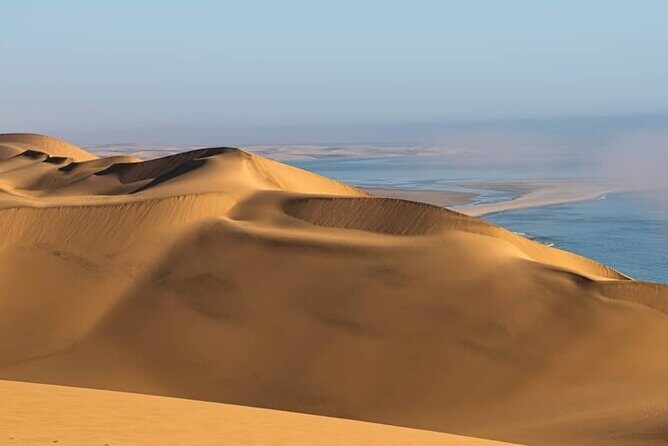
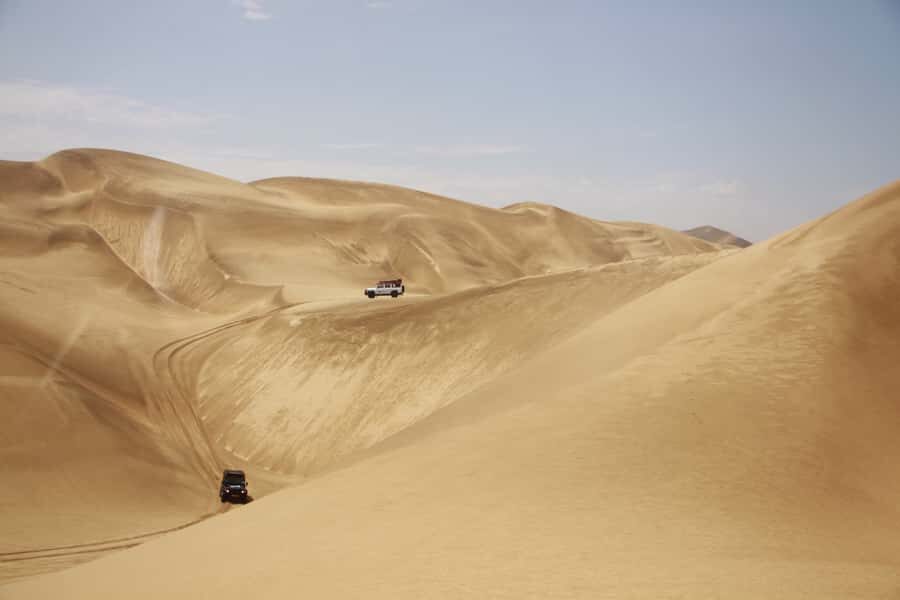
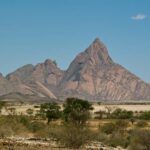
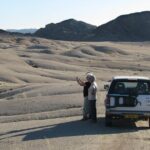
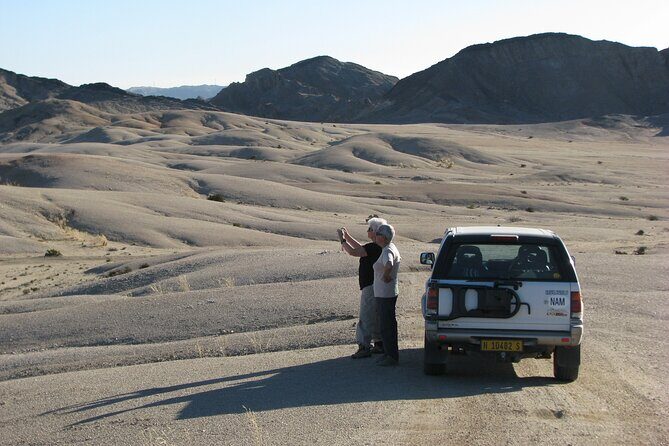
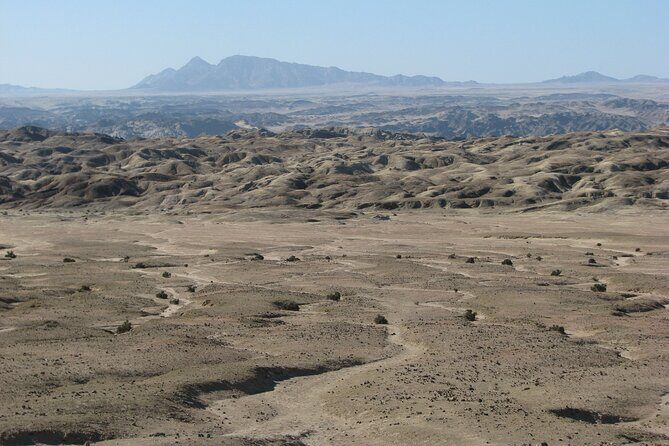
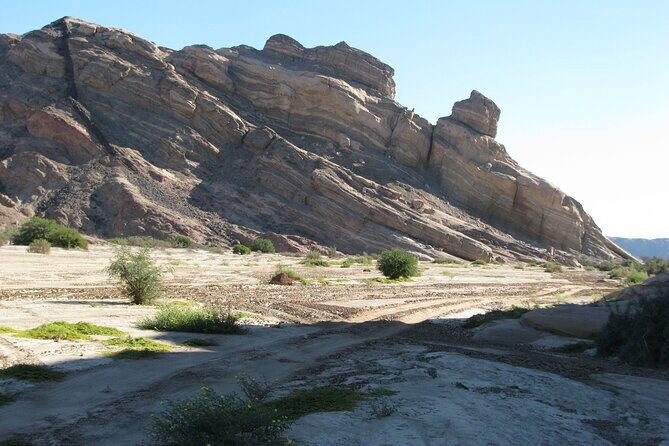
The drive pushes you into a part of the Namib where the world feels stripped down. You leave behind every trace of civilization and enter rugged, rocky terrain often described as a moonscape. Even if you’ve seen desert photos before, the scale and the surface texture hit differently when you’re actually there.
What makes the stop-through scenery more than scenic wallpaper is the way your guide frames it. You’ll learn the origin of the Namib Desert and the geological and climatic conditions of this coastal desert. That’s not trivia for trivia’s sake. Once you understand why this landscape looks the way it does and why it stays so dry, the plants and animals start to feel less random.
A helpful way to think about this portion: the scenery is your classroom. The rocks and the exposed ground aren’t just for photos. They’re part of the explanation for why life has to be strategic here.
Plants in Survival Mode: Succulents, Rare Lichens, and Welwitschia
This tour shines in the plant education. You’re not only told what you might see; you’re told why those species matter and how they handle extreme conditions.
You’ll be guided through indigenous succulents and rare lichens. These two groups are a big deal in the Namib because they show how life can persist with minimal water and harsh exposure. Lichens are especially interesting to hear about because they don’t behave like typical plants. They’re part plant, part fungal partner, working together to handle tough conditions. (Your guide will connect this to the local environment as you look at them.)
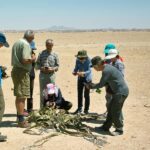
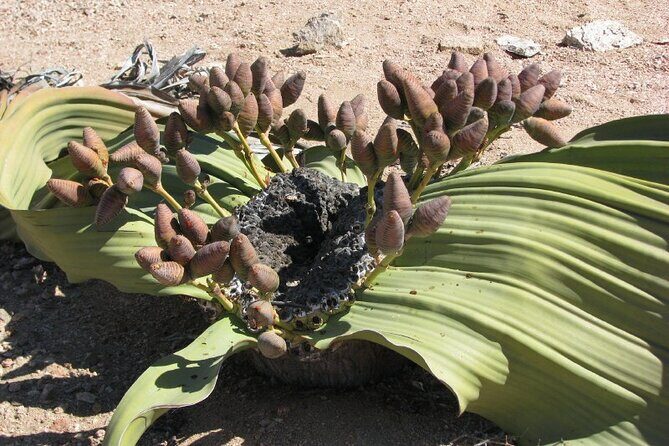
Then comes the star attraction: Welwitschia. You’ll learn it’s a living fossil found only in this geographical area. The guide’s explanation makes it easier to appreciate why it’s famous. When you see Welwitschia in person, it stops being just a name on a sign and becomes a symbol of how the Namib has shaped survival strategies over ages.
If you like nature that’s a little unusual—life that looks like it shouldn’t work—this is one of the best parts of the day. It’s also a great opportunity for close-looking. Desert plants reward patience, not speed.
One more practical point: because the tour centers on plant spotting, you’ll likely slow down at the moments that matter. That’s good. It gives you time to see details and take photos without the whole day turning into a fast shuffle from stop to stop.
Wildlife Stops: What You Can Reasonably Hope to See
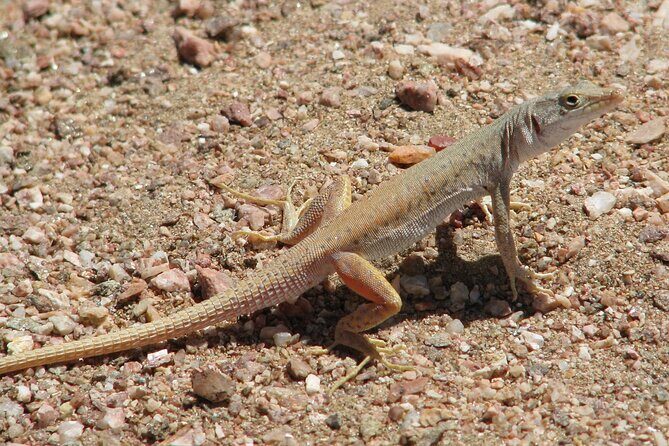
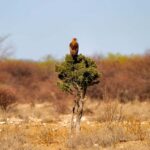
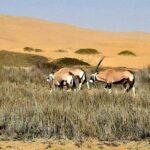
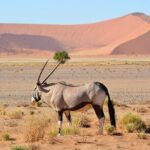
You won’t be guaranteed specific animals—desert wildlife has its own schedule—but this day is set up for hopeful spotting. The guide notes the possibility of seeing animals that can handle the Namib conditions.
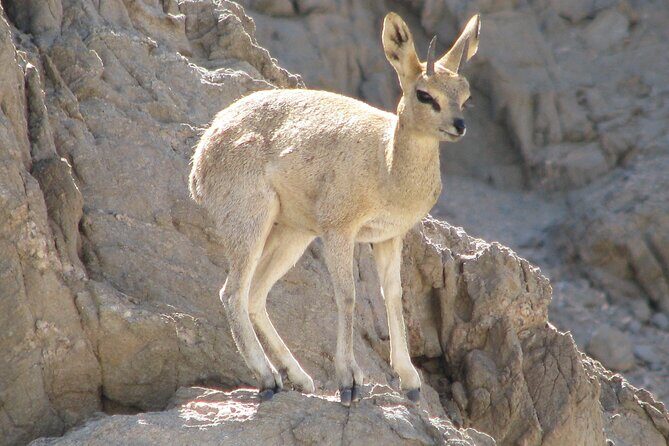
At least two species are specifically mentioned as possibilities: Springbok and Klipspringer. Those are both credible matches for this harsh landscape. The important thing is how the guide approaches wildlife: you’re not just scanning randomly. The explanations around habitat and survival help you understand what to look for and why you’re likely to see certain species in certain settings.
Here’s how I’d set expectations if you want to get the most out of the wildlife portion: go looking for tracks, posture, and movement patterns as much as you go looking for a big dramatic sighting. In a desert environment, wildlife sometimes shows up as a quick glimpse rather than a long hangout.
Also, with a group size of up to 7 travelers, you’re less likely to have a crowd blocking each other when something moves. That’s a real quality-of-life upgrade.
The Picnic Lunch Break: A Desert Day Needs a Real Pause
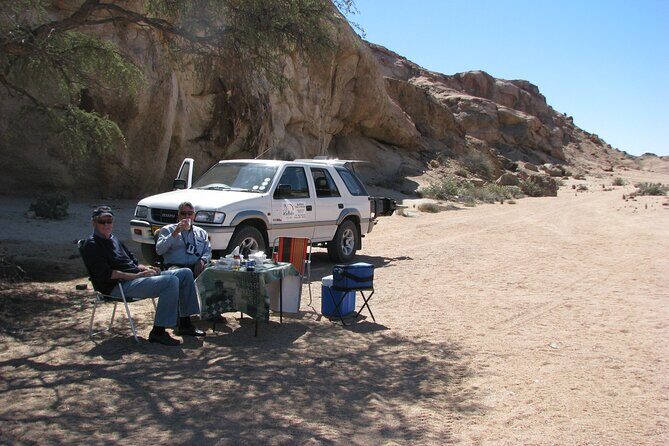
A picnic lunch is part of the experience and it’s described as a popular feature. That’s not a small thing. Without lunch, a long desert drive can feel like you’re just burning time between scenic moments.
With lunch built into the day, you get a natural reset—time to sit, chat, and let the morning’s plant and geology info settle into your memory. It also helps you avoid the typical travel problem where you’re too hungry to enjoy the best part of the landscape.
Because the day runs about 7 hours, the lunch spot usually matters for how you feel by the afternoon. If you handle your energy, you’ll enjoy the later scenery and any final wildlife checks without feeling drained.



Photography in the Rocky Namib: What to Shoot and Why
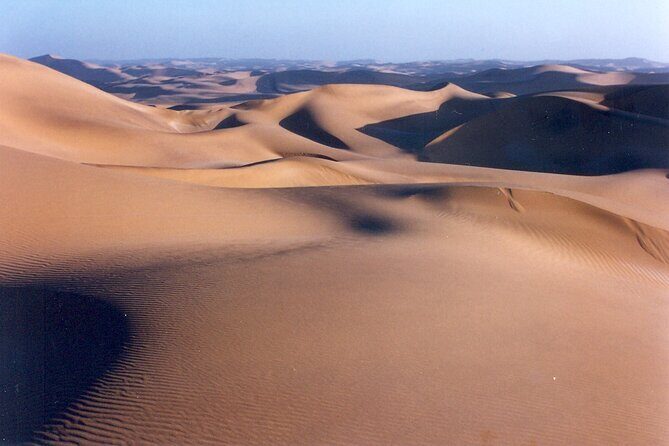
The tour’s scenery is rugged and rocky, and that lends itself to photography. The “moonscape” feeling gives you strong textures—rock edges, sparse ground cover, and plant shapes that don’t look like anything from wetter parts of Africa.
What I’d focus on during your photo stops:
- Plant close-ups: succulents and lichens can look almost abstract when you get near enough.
- Welwitschia context shots: include a bit of surrounding terrain so it’s clear how this plant survives in such a harsh setting.
- Rugged terrain angles: move your camera slightly to capture the scale of the rocks.
You’ll probably get the most satisfying photos when you treat stops as observational moments rather than sprint opportunities. Ask the guide to point things out. You’re more likely to get the shot if you understand what you’re looking at first.
Also, a bit of reality: desert photography takes light and patience. If you’re planning to photograph, wear something comfortable and be ready to step out and stand still when the guide says a stop makes sense.
Price and Value: Is $125.31 a Fair Deal?
At $125.31 per person for a tour that runs about 7 hours, the value comes down to what’s included and how the day is structured.
Here’s what supports the price:
- A guided explanation of the desert’s origin, geology, and the local climate.
- Focus on rare, defining features like Welwitschia and other desert flora.
- Picnic lunch, which removes a common cost and fatigue factor.
- Pickup offered in Swakopmund area planning.
- Admission ticket free (no separate park admission cost is listed for this experience).
- A maximum of 7 travelers, which improves the quality of the guide interaction and viewing time.
Also, the fact that this tour is often booked about 21 days in advance suggests it’s a popular way to experience the Namib without dealing with logistics on your own. You can wait and see, but if your dates are fixed, booking earlier is the safer move.
If you’re comparing this to cheaper options, the real question isn’t just price. It’s whether you want a guide to explain why the desert looks and works the way it does. This trip leans hard into that understanding, and it’s why the day feels fuller than a simple sightseeing drive.
Who Should Book This Full-Day Namib Desert Trip
This tour fits best if you:
- want a guided nature day that explains desert survival, not just a route on a map
- care about plants and are curious about unusual species like Welwitschia
- prefer small groups (max 7 travelers) and a pace where you can ask questions
- would enjoy a picnic lunch built into the schedule
It’s also a solid option if you’re already based in Swakopmund and want a day that feels like a real step away from town—without committing to multi-day desert logistics.
On the other hand, if you hate being outdoors and can’t handle sun or wind, you may want to plan for a more sheltered style of tour. This one is built for the open desert experience.
Should You Book Kallisto Tours’ Namib Desert Day?
I’d book it if your ideal Namib day includes three things: learning something real, seeing the rocky moonscape up close, and spending time on desert plants (especially Welwitschia) with a guide who makes the explanation stick.
The strongest reason to choose this specific setup is the guide-led focus plus the small group size. The day doesn’t sound like a rushed checklist. It sounds like a guided path through geology, flora, and the hopeful search for animals such as Springbok and Klipspringer.
If you’re on the fence, here’s a simple test: ask yourself whether you want to understand the desert, or just look at it. If understanding is part of your vacation style, this is a very good fit.
FAQ
FAQ
What time does the full-day Namib Desert tour start?
The tour starts at 9:00am.
How long is the Namib Desert tour from Swakopmund?
It runs for about 7 hours.
How much does the tour cost?
The price is $125.31 per person.
Is pickup offered?
Yes, pickup is offered.
Is admission to the park included?
Admission ticket is listed as free for this experience.
Will there be a picnic lunch?
Yes, a picnic lunch is included and is a popular feature.
How big is the group?
The maximum group size is 7 travelers.
Do I receive a mobile ticket?
Yes, the tour includes a mobile ticket.
Is the tour suitable for most people?
Most travelers can participate.
What is the cancellation policy?
You can cancel for a full refund if you cancel at least 24 hours before the experience’s start time. If it’s canceled because a minimum number of travelers isn’t met, you’ll be offered a different date/experience or a full refund.