REVIEW · SWAKOPMUND
Pelican Point Peninsula Tour
Book on GetYourGuide →Operated by Red Dune Safaris Namibia · Bookable on GetYourGuide
Pelican Point is small in time, huge in wildlife. This 3-hour tour links the Walvis Bay lagoon, salt production, and an off-road drive to the peninsula tip where seals and birds take center stage.
I like how the day is built around two world-class nature scenes: thousands of flamingos and the chance to see an enormous Cape fur seal colony. I also like that the route mixes wildlife with a real-world look at salt refining, so you get more than just scenic stops.
One thing to consider: it includes an off-road 4×4 drive in deep, loose sand, so comfortable closed shoes matter, and you’ll want to be ready for a bit of bumpy riding.
In This Review
- Key points at a glance
- Why Pelican Point works as a short Namibia outing
- Walvis Bay waterfront briefing, then straight into the lagoon
- Salt refining at a major solar production plant in Africa
- Off-road 4×4 through deep sand, plus shipwreck and old jetty remains
- Reaching the peninsula tip: seals, birds, and a short break with refreshments
- Price, value, and what you need to pay separately
- What to bring for a comfortable, photo-ready day
- Guide style and the one detail that matters most
- Who this tour suits best
- Should you book the Pelican Point Peninsula Tour?
- FAQ
- How long is the Pelican Point Peninsula Tour?
- Where does the tour start and end?
- Is pick-up from Swakopmund included?
- What wildlife will I see?
- How many Cape fur seals are expected?
- Do I learn anything about salt refining?
- What is included in the price?
- What should I bring?
Key points at a glance
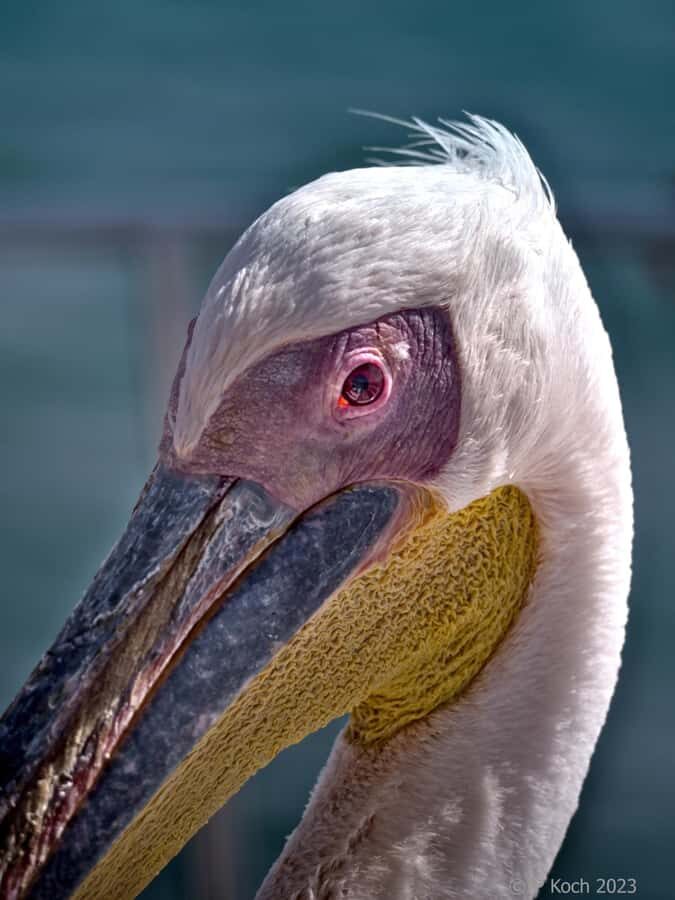
- Flamingo-filled Walvis Bay lagoon: hundreds of birds, plus pelicans and avocets
- Solar salt refining lesson: you’ll learn how production works at Africa’s largest solar plant
- Deep-sand 4×4 driving: an off-road route that feels like you’re really getting off the map
- Shipwreck and old jetty remains: quick photo stops with a clear historical story
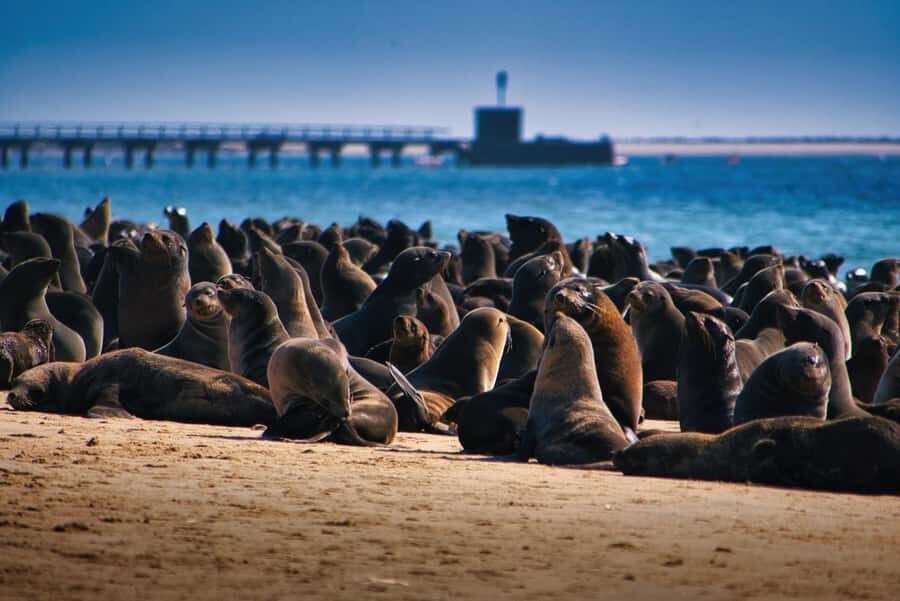
- Cape fur seals in massive numbers: up to 100,000 seals at the peninsula tip
Why Pelican Point works as a short Namibia outing
Most wildlife tours in Namibia either go all day or stay too focused on one type of viewing. This one solves that problem by stacking three very different experiences into a tight schedule: lagoon birds, a salt refinery stop, and then serious seal viewing at the peninsula tip. You leave with variety, not just one long stretch of waiting for the best photo angle.
The timing also helps you. A 3-hour tour means you can fit it around beaches, breweries, or desert drives without turning your day into a full mission. And since the tour starts and ends at the Walvis Bay waterfront, it’s easy to build other plans before or after.
You can also read our reviews of more tours and experiences in Swakopmund.
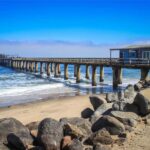
Walvis Bay waterfront briefing, then straight into the lagoon
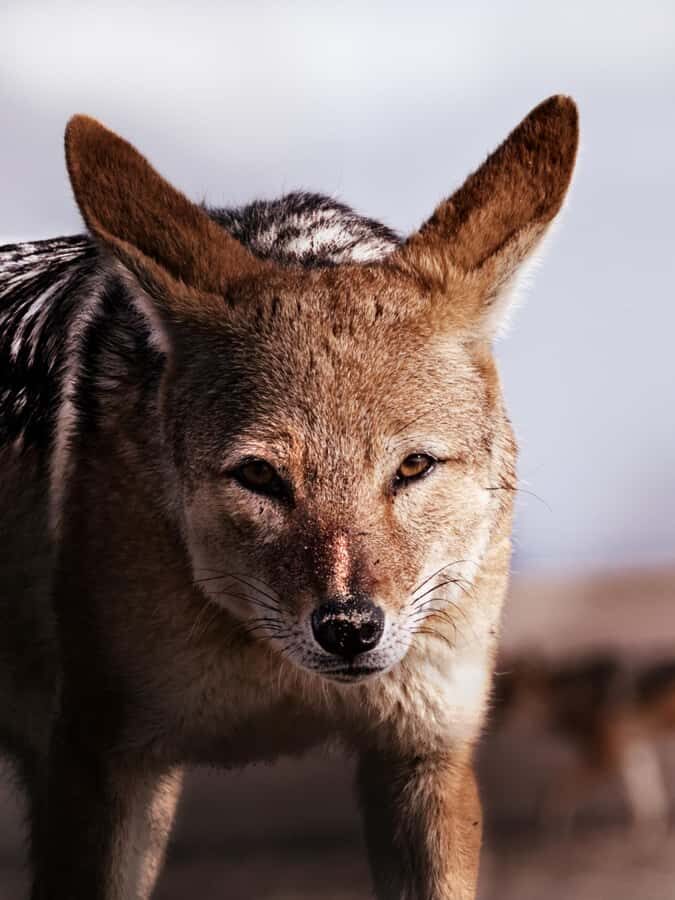
Your tour kicks off at the Walvis Bay waterfront with a quick briefing. That short setup matters more than it sounds—when you’re about to visit a bird-heavy lagoon, you want to know where to look and how the day will flow.
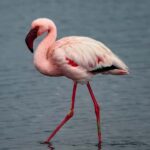
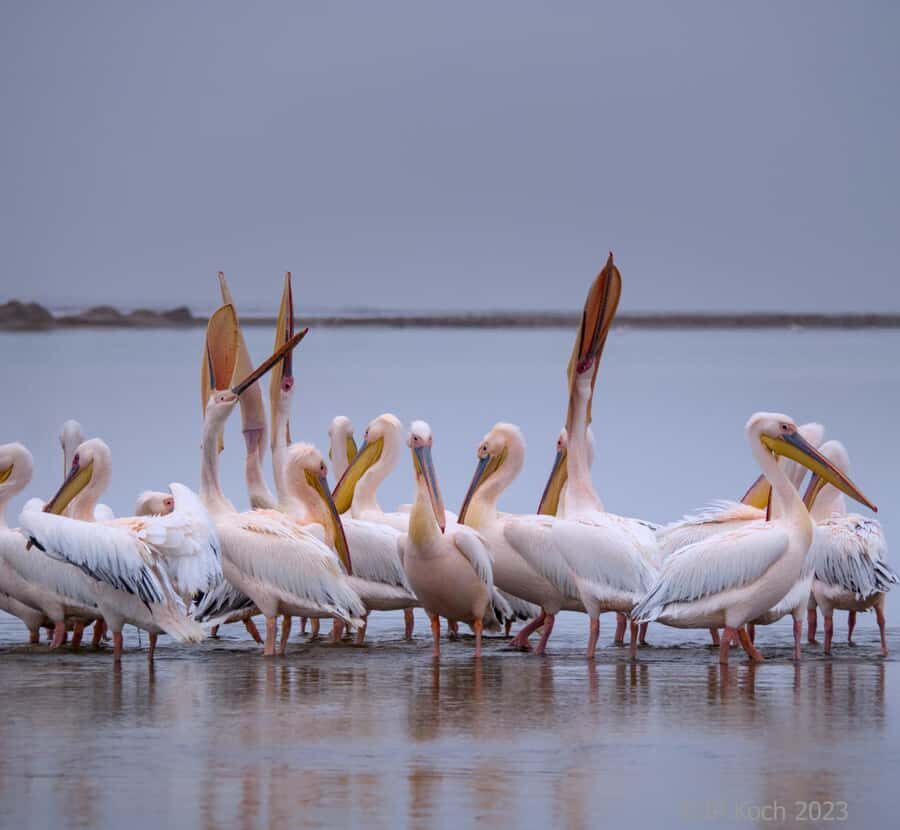
Then you head to the Walvis Bay lagoon, the first big highlight. Walvis Bay is considered one of the most important lagoons in southern Africa, and it’s packed with birdlife. This is where you get the payoff: you can see hundreds of flamingos (and the experience description highlights thousands), along with pelicans and avocets.
What I like about this stop is that it’s not presented as a vague wildlife walk. You’ll make a photo stop and also get more context about what you’re seeing. Birds can look random from a distance, but a bit of guidance helps you spot patterns—feeding areas, moving flocks, and where the birds tend to gather.
Practical note: the lagoon viewing is outdoors and you’ll likely spend time looking upward and sideways. Bring sunglasses and a camera, and don’t plan on reading tiny details—this is about seeing the action clearly from a few viewpoints.
Salt refining at a major solar production plant in Africa
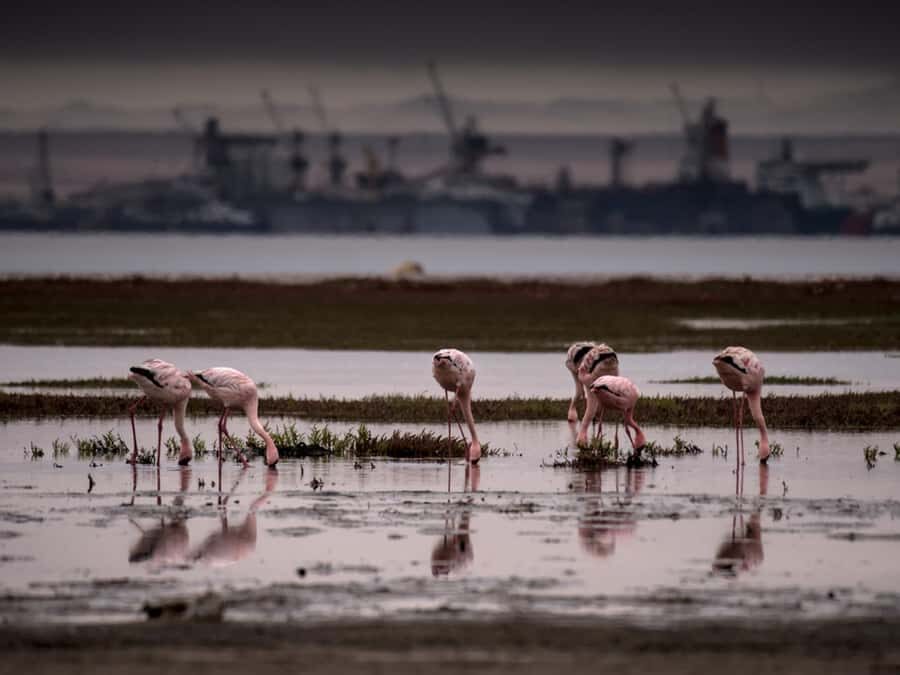
After the lagoon, you move to the Walvis Bay salt refinery. This is the kind of stop that sounds technical until your guide explains what you’re looking at, and then it clicks fast. You’ll hear about the production process, and you’ll learn how the facility ties into solar power and large-scale salt production.
The tour description points out that it’s the largest solar production plant in Africa. That detail matters for value: you’re not just passing by an industrial area. You’re getting a guided explanation at a site that plays a real role in how salt is produced using sunlight and heat.
For me, this is where the tour becomes more than a wildlife checklist. The day adds depth by showing how people use the local conditions—sun, coastal climate, and the geography of the region—to run an industrial operation. It’s a useful reminder that nature and industry can sit side by side in Namibia, and you can learn from both in one morning.
A small consideration: this part is more educational than scenic. If you only want maximum bird time, you might find yourself wishing for an extra lagoon minute. But if you like understanding how places work, this stop is a great balance point.
Off-road 4×4 through deep sand, plus shipwreck and old jetty remains
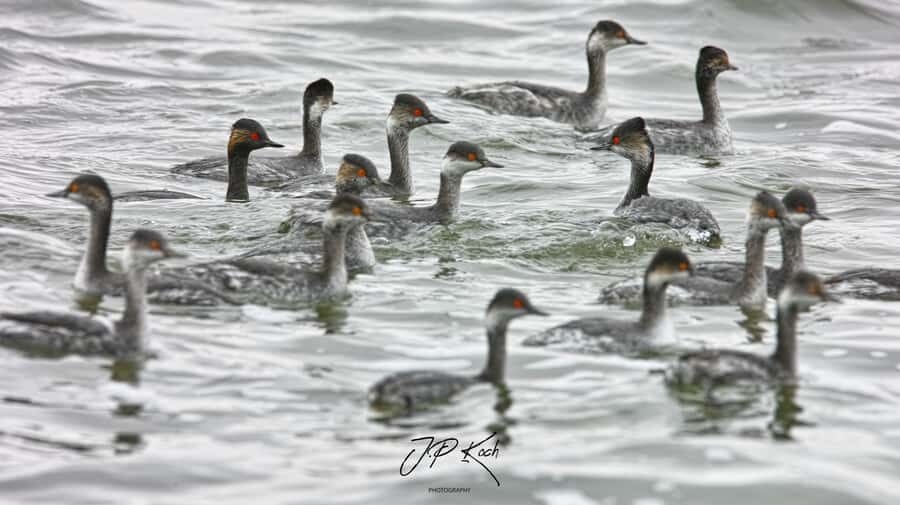
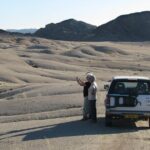
Next comes the off-road driving: an off-road, 4×4 route through deep, loose sand. This is the part of the tour that tends to feel the most adventurous. Even if you’ve ridden in a 4×4 before, sand driving has its own rhythm—slower and more deliberate, and you’ll feel the vehicle work to keep traction.
Along the way, you stop for photos and to look at two historically interesting reminders of the coast’s past: a shipwreck and the remains of an old jetty. Those stops are quick, but they add texture. Instead of only seeing wildlife and modern infrastructure, you also get a sense of how ships and coastal access have shaped this area over time.
As you approach the lighthouse, your guide provides historical information about the landmark. If you like context, this is one of those “small moments” that turns a viewpoint into a story. It also helps you connect the geography—the peninsula, the open Atlantic side, and the weather exposure—with why the lighthouse exists where it does.
Drawback to keep in mind: the sand drive can be bumpy, and you’ll want to hold onto your spot and keep your camera stowed safely when asked. This is not the moment for flimsy footwear or a delicate tripod setup.
Reaching the peninsula tip: seals, birds, and a short break with refreshments
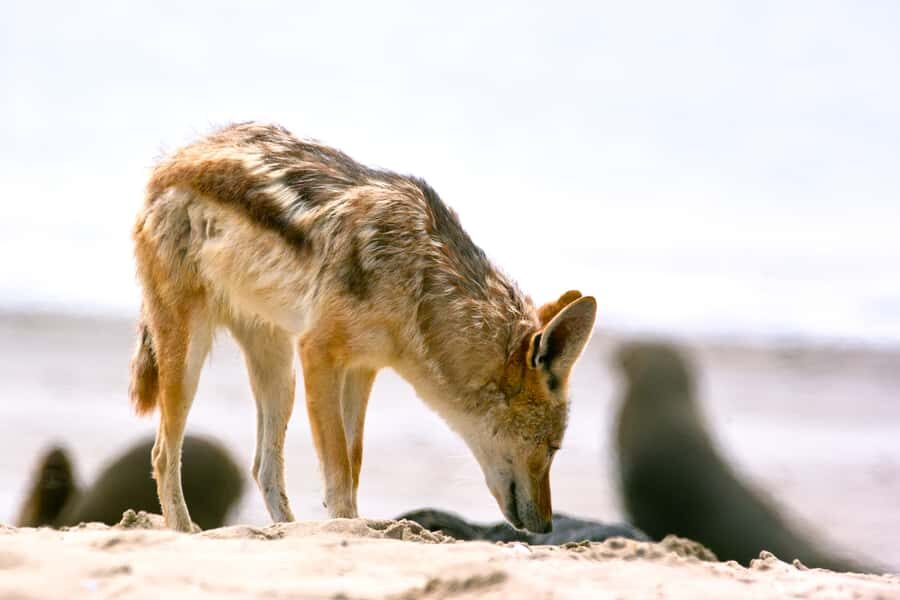
Eventually you reach the tip of the peninsula. This is where the tour earns its title in real terms: you get the Walvis Bay lagoon on one side and the mighty Atlantic Ocean on the other. It’s not just a view—it’s a natural “meeting point,” where birds and seals use the geography to feed, rest, and move.
Before you fully settle into viewing time, you get a break with refreshments. Then comes the best free-time element of the day: you can watch the seals and birds at your own pace.
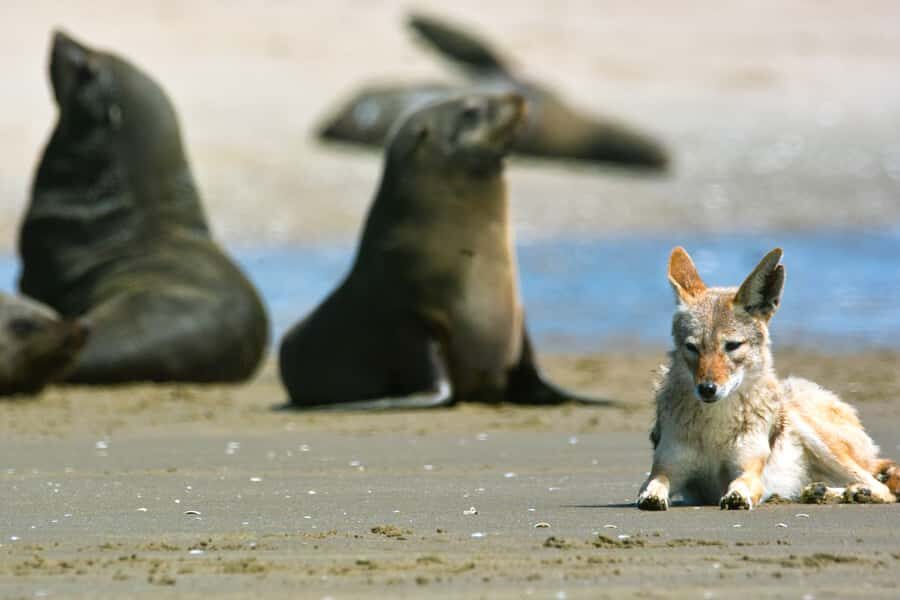
The seal numbers here are the headline. The tour description says you’ll see 100,000 Cape fur seals. That’s a wild statistic, but what it means in practice is that you’re entering a colony where you can see lots of animals close enough to notice movement, breathing patterns, and how the colony spreads out.
And it’s not only seals. Because the peninsula sits between lagoon and open ocean, the bird activity you saw earlier isn’t totally gone—it’s just shifted. You’ll likely spot more birdlife around the same coastal vantage areas where you’re watching seals.
Photo tip that actually helps: give your eyes a minute to adjust. If you try to photograph immediately, you may miss the best motion moments. Once you spot where the seals are moving, the camera becomes easier.
Price, value, and what you need to pay separately
The tour costs $130 per person for the 3-hour experience. For Namibia, that’s not a budget price, but it also isn’t priced like a private charter. What makes it feel like value is that it stacks multiple big-ticket elements: lagoon bird viewing, a stop at a major salt production facility, and an off-road 4×4 route into deep sand. You’re paying for guided access to several different “worlds” without having to coordinate them yourself.
What’s included is also straightforward. The tour includes permits and refreshments. Permits matter here because wildlife/coastal areas often require controlled access, and that’s exactly the kind of hassle you want removed from your plans.
What’s not included: hotel pick-up and drop-off in Swakopmund costs N$100.00 per person. That detail changes the value calculation depending on where you’re staying. If you’re already in Walvis Bay, the tour’s logistics will likely feel simple. If you’re in Swakopmund, factor in the extra cost early so there are no surprises.
What to bring for a comfortable, photo-ready day
This tour is outdoors for key segments, and the off-road driving means you’ll feel the coastal conditions. Pack like you’re spending time at the water with sun and wind.
Bring comfortable shoes because you’ll likely be stepping around photo stops and loose terrain areas. Add a sun hat and sunglasses—that coastal light can be sharp. Bring your camera, and if you use a phone, make sure it’s charged before you go.
You might also appreciate quick-dry outerwear if you’re sensitive to wind, even if the day is sunny. The description doesn’t promise weather control, and in coastal Namibia, conditions can shift.
One more practical idea: keep your hands free during the sand drive. If you’re juggling lenses or loose items, you’ll enjoy the ride less. Use a small bag you can manage while seated, and bring out the camera when you reach each stop.
Guide style and the one detail that matters most
There’s one praise point that carries across the experience: the tour guide style. Monika specifically praised the guide for being open, accessible, and responsive to questions and requests, calling it the way a guide should be.
That matters because this tour is a mix of wildlife, industrial education, and driving. When the guide answers questions well, you get more from every stop. If you’re the type who asks what you’re looking at—what species, what behavior, why this place is important—you’ll get a better day.
If you want a tour that feels like it’s guided, not just scheduled, this one fits.
Who this tour suits best
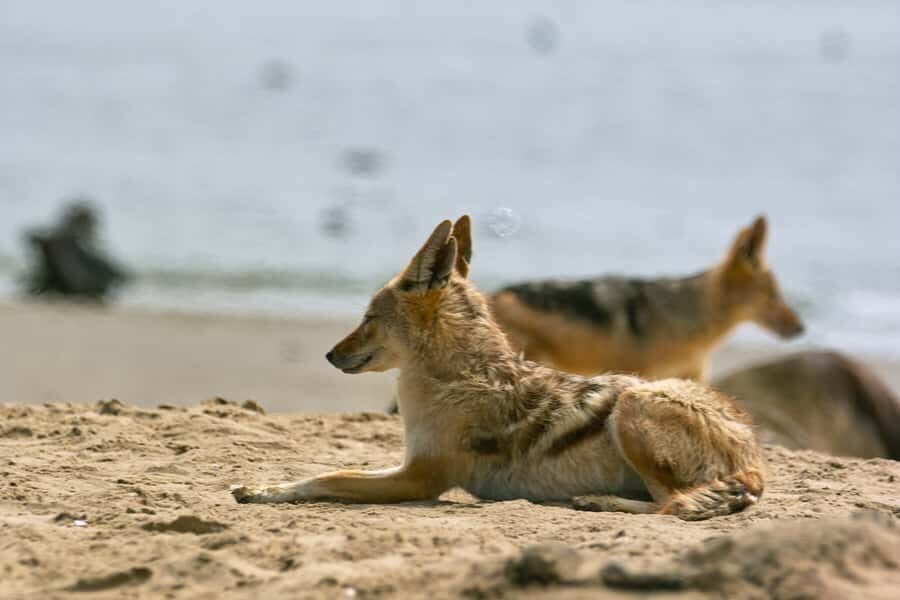
This tour is a strong match if you want a fast hit of Namibia that still feels meaningful. It suits:
- Nature lovers who want both birds and seals in one outing
- People curious about how the region works, not just what it looks like
- Travelers who prefer guided interpretation over self-driving guesswork
- Anyone staying in Walvis Bay who wants something efficient but not shallow
It may be less ideal if you dislike off-road driving or need an entirely smooth, low-movement experience. The deep-sand 4×4 part is a real element here.
Should you book the Pelican Point Peninsula Tour?
I’d book it if you want a well-paced 3-hour mix of wildlife and place-based learning. The lagoon bird viewing gives you immediate spectacle, the salt refinery stop adds real-world context, and the peninsula tip is your payoff with the chance to see Cape fur seals on an enormous scale—plus birds and ocean views.
I’d think twice only if sand driving would stress you out, or if you’re not interested in the industrial education portion. For most visitors, though, the structure is a win: you get big sightings, guided explanations, and a clear ending back at the Walvis Bay waterfront.
FAQ
How long is the Pelican Point Peninsula Tour?
The tour runs for 3 hours.
Where does the tour start and end?
It starts at the Walvis Bay waterfront and returns there to end the tour.
Is pick-up from Swakopmund included?
No. Hotel pick-up and drop-off in Swakopmund is not included and costs N$100.00 per person.
What wildlife will I see?
You’ll see birdlife at the Walvis Bay lagoon, including flamingos, pelicans, and avocets, and you’ll have a chance to see Cape fur seals on the peninsula.
How many Cape fur seals are expected?
The experience description says you can see 100,000 Cape fur seals.
Do I learn anything about salt refining?
Yes. You’ll visit the Walvis Bay salt refinery and hear about the production processes at the largest solar production plant in Africa.
What is included in the price?
Permits and refreshments are included.
What should I bring?
Bring comfortable shoes, sunglasses, a sun hat, and a camera.