REVIEW · SWAKOPMUND
Swakopmund Cultural Township Private Day Tour
Book on GetYourGuide →Operated by Explorer Tours Swakopmund · Bookable on GetYourGuide
Mondesa teaches fast. This private Swakopmund cultural day tour connects you with local life through school visits and a home-cooked meal with the chance to learn basics of Damara click language. One caution: the experience can feel shorter than you expect, and you’ll want to confirm timing so the day runs smoothly.
I like that the tour is led by people rooted in Mondesa. Nande grew up there and started guiding about 15 years ago while he was still in school, so the stories feel personal, not rehearsed. Still, it’s a community visit—so bring the right mindset and practical gear, especially comfortable shoes and a camera you’ll use respectfully.
In This Review
- Key Highlights I’d Mark on Your Map
- Mondesa With a Local Guide: What You’re Buying With This Tour
- Pickup From Swakopmund and the Best First Stop: The Food Market
- Walking the Streets, Seeing Homes, and Visiting Schools the Right Way
- Damara Click Language: A Quick Lesson With Real Cultural Weight
- Home Visit and Traditional Food: Why This Part Feels Personal
- Ending With a Township Choir Performance That Changes the Mood
- Price and Value: Is $65 Per Person Reasonable?
- Practical Tips So You Don’t Feel Rushed or Unprepared
- Who This Tour Suits Best (And Who Might Want Another Option)
- Should You Book the Swakopmund Cultural Township Private Day Tour?
- FAQ
- What is included in the Swakopmund Cultural Township Private Day Tour?
- How much does the tour cost?
- Where does the experience take place?
- What language is the tour in?
- What should I bring, and are there any restrictions?
- Is the tour suitable for pregnant women?
- What is the cancellation policy?
Key Highlights I’d Mark on Your Map
- Meeting your guide in Mondesa and learning about Namibia’s tribes from people who live the culture day to day
- Township market time where you can see how everyday food and ingredients work in real life
- Schools and a kindergarten visit plus community arts and craft projects that show local creativity
- A home welcome and traditional meal prepared for you, not staged
- A live choir performance to end the tour with singing that carries real energy
Mondesa With a Local Guide: What You’re Buying With This Tour
This tour isn’t about ticking off monuments. It’s about getting a guided look at how people live in Mondesa, a community in the Swakopmund area in Namibia’s Erongo region. You’ll be with a local guide who can explain what you’re seeing in plain language and with context that tourists often miss.
Nande is the named guide for this experience. He grew up in Mondesa and began guiding about 15 years ago while he was still in school. That matters, because you’re not just hearing facts about Namibia’s groups—you’re hearing how those groups and histories show up in daily life. The tour also includes cultural learning tied to Namibia’s tribes, including Ovambo, Damara, Herero, and Ovahimba, with a specific moment for learning Damara click language.
This is a private tour format, so you should expect more of a conversation than a lecture. You’ll also get time to walk the streets of Mondesa, taking pictures of local homes. That photo time is useful, because a township view from the outside can feel like a blur—your guide helps you slow down and notice what’s meaningful.
A quick reality check: this isn’t built for everyone. The tour is marked as not suitable for pregnant women, and it’s very much geared toward walking, standing, and moving through a neighborhood.
You can also read our reviews of more private tours in Swakopmund
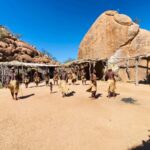
Pickup From Swakopmund and the Best First Stop: The Food Market
You’ll get picked up from your accommodation in and around Swakopmund. From there, the tour starts in the township with a visit to the local food market. If you want an easy way to understand a place fast, food markets do it. Even without knowing the language, you can read what people buy, how they talk, and what ingredients are central to meals.
At this stop, I’d focus less on filming everything and more on asking one good question: what are common foods here, and how are they used at home? The tour is designed around tasting local food later, so the market gives you context you’ll actually use.
For photography, be thoughtful. You’ll be walking in a community setting with homes and everyday activity. A quick ask before taking close portraits is a good habit. And if you’re the type to bring your camera out constantly, set limits—your guide will likely appreciate that you’re present, not just collecting images.
Walking the Streets, Seeing Homes, and Visiting Schools the Right Way
After the market, you’ll walk through Mondesa’s streets and see local houses. This portion can be surprisingly powerful, because it turns a “photo backdrop” into real architecture and real routines. You’ll also be able to take pictures of the homes along the way, but again, keep it respectful.
Then comes one of the most meaningful parts: school visits. The tour includes visits to local schools and a kindergarten. It also includes community arts and craft projects, which is a smart choice. Schools show education, but arts and crafts show confidence, imagination, and the kind of creativity young people are practicing right now—not just a future plan.
Here’s what I think makes this segment valuable for you:
- It’s not abstract. You see the spaces where learning happens.
- Your guide can connect what you’re seeing to Namibia’s wider cultural context.
- You can witness how community projects keep kids engaged.
I also like that you’re encouraged to bring something small for children—sweets or stationary. That doesn’t turn the visit into a transaction. It’s a practical way to show goodwill, especially when you’re entering school spaces and meeting families.
Bring the right footwear. This isn’t a sit-and-watch day. Comfortable shoes help you enjoy the day without counting every minute of standing.
Damara Click Language: A Quick Lesson With Real Cultural Weight
One of the tour’s standout cultural moments is a click-language tutorial connected to the Damara tribe. Click sounds can seem intimidating on paper. In real life, the trick is repetition, timing, and the guidance of someone who grew up hearing it.
You won’t be expected to become fluent in a short visit, but you should expect to understand how clicks fit into speech and why they matter. The value here is not performance. It’s awareness. When someone teaches you a few sounds in context, you start to notice the structure of language rather than treating it like a curiosity.
If you’re the kind of person who loves language learning, this is a nice bonus. If you’re not, you’ll still come away with a deeper respect for the way local communication works.
Home Visit and Traditional Food: Why This Part Feels Personal
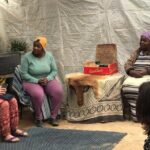
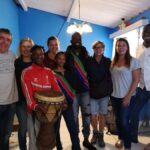
The home visit is the heart of the day. You’ll be welcomed during a family stop, and you’ll taste local traditional food prepared at a family home. This is the portion that tends to stick with people, because it turns cultural learning into shared time.
I’d treat this segment like an invitation, not a show. That means you listen more than you speak, you follow your guide’s lead on what’s appropriate, and you keep questions simple and respectful. If you take photos indoors, do it only when it feels welcome and your guide confirms what’s okay.
Also, pay attention to the food itself. The tour is designed for you to taste, not just observe. You’ll start with the market earlier, then get the meal later. That flow helps you understand ingredients and cooking in a way that a restaurant stop can’t.
One practical tip: if you’re sensitive to spice or unfamiliar flavors, be honest with your guide beforehand if you can. The tour data confirms you’ll have local food lunch or dinner, but it doesn’t list specific menus, so your guide will be your best source for what to expect on the day.

Ending With a Township Choir Performance That Changes the Mood
The tour typically ends with a live performance by a local choir from the township. This is a smart closing choice, because it shifts the tone from learning and walking to music and celebration.
The musical element is often the biggest surprise for people. Singing in a community setting has a different energy than a stage performance. Even if you’re not a big music person, it’s the kind of moment that helps you process the day emotionally.
If you want a “why this tour works” answer, it’s this: you spend hours seeing everyday life, then you leave with something shared that people keep alive through practice and pride.
Price and Value: Is $65 Per Person Reasonable?
At $65 per person, this tour sits in a range that can feel either reasonable or steep, depending on what you expect from it.
Here’s what you’re actually paying for:
- Pickup and transfer from Swakopmund
- Local food (lunch or dinner) included
- Time with a local guide from Mondesa, including school visits and a home visit
- A final live performance
That inclusion matters. Many cultural tours charge extra once you get to the market, the meal, or the entrance moments. Here, the main value blocks are bundled.
The only caution on value is time. While the name suggests a day-length experience, some people found the active tour time shorter than they expected. If you’re budgeting your day tightly, leave buffer time around pickup and the ending point. If you’re expecting a full long outing, ask your provider for a clear schedule when you book.
One more value factor: this tour is private. You get a more personal pace and a guide who can tailor explanations. For many visitors, that’s worth paying for.
Practical Tips So You Don’t Feel Rushed or Unprepared
This is a community tour. That means your comfort and your behavior shape the experience.
Bring:
- Comfortable shoes
- Sunglasses
- Camera
- Some sweets or stationary for kids, if you want to use them respectfully
Not allowed:
- Pets
- Smoking
Also, pack light. You’ll walk, and you’ll want your camera ready without carrying a heavy load.
If your schedule is tight, do yourself a favor and double-check the pickup arrangement the day before. One bad day—like a missed pickup—can wreck the whole plan. A quick confirmation call or message helps you avoid stress.
Who This Tour Suits Best (And Who Might Want Another Option)
This tour is a great fit if you:
- Want authentic, people-first cultural encounters
- Like practical learning—schools, food, language basics, and music
- Enjoy guided context that connects what you see to Namibia’s tribes and histories
- Feel comfortable visiting residential neighborhoods with a local guide
It may be less suitable if you:
- Want a strictly structured, long sightseeing day with lots of viewpoints
- Are not comfortable walking and standing through community areas
- Need accessibility accommodations that aren’t described in the tour info
- Are pregnant (explicitly not suitable)
Should You Book the Swakopmund Cultural Township Private Day Tour?
I think this is worth booking if you want real conversation, real daily life, and a meal you didn’t cook yourself. The combination of Mondesa’s schools, a home welcome, traditional food, and a closing choir performance creates a full cultural arc. It’s one of those experiences that reminds you Namibia is not a museum—it’s a living place.
I’d only hesitate if your main goal is a long, predictable timetable or if you’re the type who hates uncertainty around timing. If you do book, confirm pickup timing, wear comfortable shoes, and go with respect. You’ll get more out of it, and you’ll help keep the visit positive for everyone involved.
FAQ
What is included in the Swakopmund Cultural Township Private Day Tour?
The tour includes pickup, transfer, and local food lunch or dinner.
How much does the tour cost?
It costs $65 per person.
Where does the experience take place?
It takes place in Namibia’s Erongo region, focused on the Mondesa community near Swakopmund.
What language is the tour in?
The tour is conducted in English.
What should I bring, and are there any restrictions?
Bring comfortable shoes, sunglasses, and a camera. Pets are not allowed, and smoking is not allowed.
Is the tour suitable for pregnant women?
No, it is not suitable for pregnant women.
What is the cancellation policy?
You can cancel up to 24 hours in advance for a full refund.