REVIEW · SWAKOPMUND
Explorer Historical Private Township Cultural Tours
Book on Viator →Operated by Explorer Cultural Township Tours in Swakopmund /WalvisBay · Bookable on Viator
Mondesa shows Namibia the way postcards never will. This private township cultural tour pairs street-level walking with hands-on cultural lessons, from the Damara click language to a family-prepared meal and a community choir finish. Two things I especially like are the focus on meeting people on their own terms and the chance to learn real phrases like Uuharapo and talk about Ubuntu. The one thing to keep in mind is that timing can feel tight on the ground, so go in with patience and a flexible mindset.
You’ll start in Swakopmund and head straight into the Community of Mondesa with local guide Nande, walking through the open market area, schools, and neighborhood streets. You’ll also get cultural context about multiple groups in Namibia, including Ovambo, Damara, Herero, and Ovahimba—plus a specific click-language lesson. If you’re sensitive to schedule changes or long stops, plan to slow down and enjoy the flow rather than counting minutes.
In This Review
- Key Things That Make This Mondesa Tour Worth Your Time
- Entering Mondesa: What You’re Really Doing on This Tour
- Price and Group Size: Is $120 for Two Good Value?
- Pickup, Timing, and How the Day Flows From Swakopmund
- Walking the Open Market: Real Life First
- Schools and Kindergarten Visits: The Part You Should Prepare for
- Culture Lessons: Damara Click Language and Phrases You Can Actually Use
- Herero and Himba Culture: How It Comes Up on the Ground
- Beer at a Local Shebeen: A Small Taste of Social Life
- The Family Home Meal: Mopane Worms and Real Food Stories
- Crafts Center and Market Photos: Collect Souvenirs With Context
- The Choir Performance Finish: Why the Day Ends With Music
- What to Bring (And What to Leave at Home)
- Timing, Weather, and the One Real-World Caution
- Should You Book Explorer’s Mondesa Township Tour?
- FAQ
- What is the duration of the Mondesa Township Cultural Tour?
- Where does the tour take place?
- How much does it cost?
- Is pickup included?
- What language is the tour conducted in?
- What’s included in the experience?
- Is an entrance fee included?
- What should I bring?
- Is this tour private?
- What happens if the weather is bad?
Key Things That Make This Mondesa Tour Worth Your Time

- Local guide Nande leads the day, keeping the story grounded in everyday life.
- Damara click language lessons plus phrase practice like Uuharapo.
- School and kindergarten visits where you spend time with kids, not just take photos and rush off.
- Shebeen and home meal with a chance to try local food, including mopane worms.
- Crafts center stop where you can learn how community art work gets made.
- Live choir performance from Mondesa to close the loop on culture.
Entering Mondesa: What You’re Really Doing on This Tour
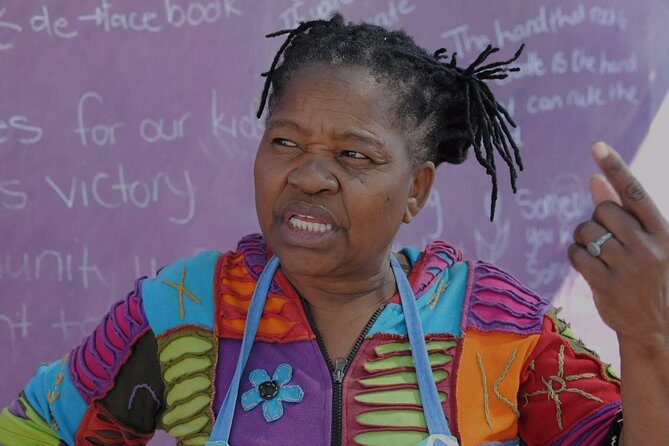
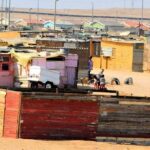
This isn’t a drive-by “see a township” outing. It’s built around walking the streets of Mondesa so you can understand daily rhythms—children playing, people chatting, barbecues along the way, and the small details that make a place feel lived-in rather than staged. You’ll learn about Namibia’s diverse groups while moving through community spaces, which helps the cultural lessons land in a real setting.
What I like most is that the tour treats people as the point, not scenery. You’re not just looking at houses or markets—you’re being guided through meaning: what words are used, how community life works, and how different cultures connect across Namibia. It’s a very “talk with people, then understand more” approach, and it tends to stick with you longer than museum-style explanations.
The other key: you get practical access to community spaces—open market time, a crafts center visit, and school and kindergarten moments—plus a home meal and a community choir at the end. That blend gives you both context and a sensory memory: taste, sound, and conversation.
You can also read our reviews of more private tours in Swakopmund
Price and Group Size: Is $120 for Two Good Value?
At $120 per group (up to 2) for about 4 hours, you’re paying for private, guided access with multiple stops packed into one afternoon or morning block. On a per-person basis, it can feel like a splurge compared with bigger-group tours—but the value is in how personal it gets. You get pickup, a dedicated guide, cultural lessons, and structured visits to several community locations, not just one highlight.
Here’s how I’d think about the value before you book:
- If you want more than photos—if you want language lessons, school time, and a home-cooked meal—this price reflects that work.
- If you’re traveling as a couple (or solo), the “up to 2” setup is often the sweet spot.
- If you prefer long, slow visits and you’re easygoing about schedule shifts, you’ll get more out of the day.
Bottom line: it’s priced like a private cultural experience, not a quick sightseeing add-on. For many travelers in Namibia, that’s exactly what they’re looking for.
Pickup, Timing, and How the Day Flows From Swakopmund
You’ll get round-trip transfers from your accommodation in and around Swakopmund, and the start time is listed as 10:00 am. The operator also offers morning and afternoon departure options, so you can match it with the rest of your itinerary.
Keep your expectations realistic. The duration is listed at about 4 hours, but in real life, township days can shift. If there are delays or if the day runs tighter than planned, you might find the schedule feeling compressed. I wouldn’t plan a critical connection immediately after, and I’d keep your next activity flexible.
Also: this is a private tour/activity. Only your group participates, which usually means fewer awkward pauses while waiting for other people and less chance of the guide losing your thread. In practice, that matters for conversation and for how comfortable you feel asking questions.
Walking the Open Market: Real Life First
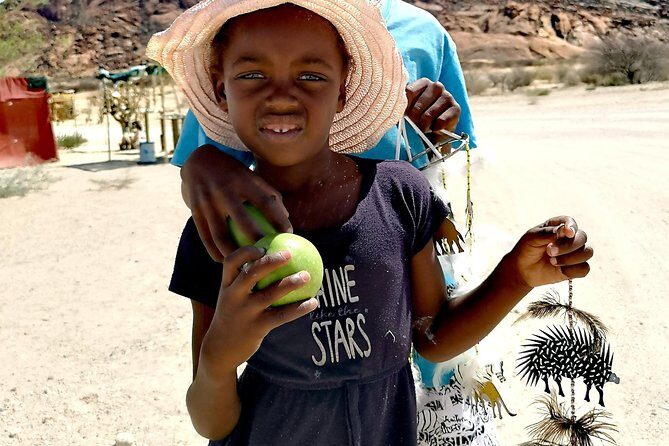
One of the earliest stops is the Open Market in the township, guided by Nande. This is where you’ll see how commerce, daily needs, and neighborhood interactions mix together. You’ll also have time to take souvenir photos in the market area, which is great if you want images with meaning rather than generic street shots.
What makes this stop useful is that you’re not doing it alone. Your guide can explain what you’re seeing and connect it to the broader cultural story of the region. And because the tour is designed around walking—rather than only driving—you’ll pick up details that you’d miss from a vehicle window.
Photo note (practical): you’ll be walking in residential areas and market spaces, so keep your camera ready but respectful. If you’re going to photograph kids and homes, move slowly and let the guide lead the rhythm.
Schools and Kindergarten Visits: The Part You Should Prepare for

You’ll visit schools and kindergarten and spend time with kids in the community. This is one of the most human parts of the tour, and it’s also where a little preparation makes a big difference.
The tour advises you to bring sweets for the kids. Do that. Simple, small items go a long way, and they fit the tone of what the tour is trying to do—create a friendly, positive interaction.
A couple of practical considerations:
- Bring patience. School settings have a flow of their own.
- Follow your guide’s lead on what’s appropriate and when to move on.
- Expect the emotional “this matters” factor. If you’re quick to get overwhelmed, give yourself a moment before you step into the classroom-type energy.
If you’re a parent or you love meeting children on trips, this stop can become the emotional anchor of the day.
You can also read our reviews of more historical tours in Swakopmund

Culture Lessons: Damara Click Language and Phrases You Can Actually Use
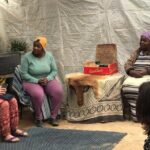
One of the most distinctive parts is the language piece. You’ll get exclusive lessons in the click language of the Damara tribe, plus practice saying Uuharapo. You’ll also learn about Ubuntu, which is described in the tour as tied to warmth and humanity—less a concept to memorize and more an attitude to recognize in daily life.
Why this is valuable: language lessons make a tour feel personal fast. Instead of staying in the realm of facts, you’re trying something with your mouth and your ear. Even short lessons can change how you communicate and how people respond.
You’ll also learn about culture across Namibia, including Herero and Himba culture, and you’ll hear about different tribes such as Ovambo, Damara, Herero, and Ovahimba. The tour frames these as part of understanding the region’s diversity—not as a checklist, but as lived community identities.
This is also where a private setup helps. When you’re only with your group, you can ask questions without feeling like you’re holding everyone else up.
Herero and Himba Culture: How It Comes Up on the Ground
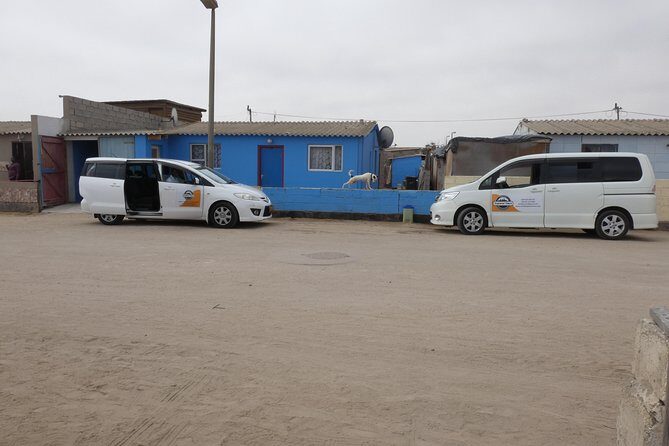
The tour includes learning about Herero and Himba culture, which is a big reason many visitors choose this experience. The most important thing here is that culture isn’t taught only through talk. You’ll be learning while visiting real community spaces—arts and crafts, local projects, and neighborhood interactions—so the cultural context feels connected to how people create, work, and live.
Since the tour includes crafts and community arts time, it’s easier to connect cultural background to tangible work—how items get made, how creativity shows up locally, and how people pass on skills.
Just a quick expectation check: this is a guided cultural introduction. It won’t replace a full Namibia cultural tour circuit, but it gives you a meaningful foundation in a short, friendly format.
Beer at a Local Shebeen: A Small Taste of Social Life
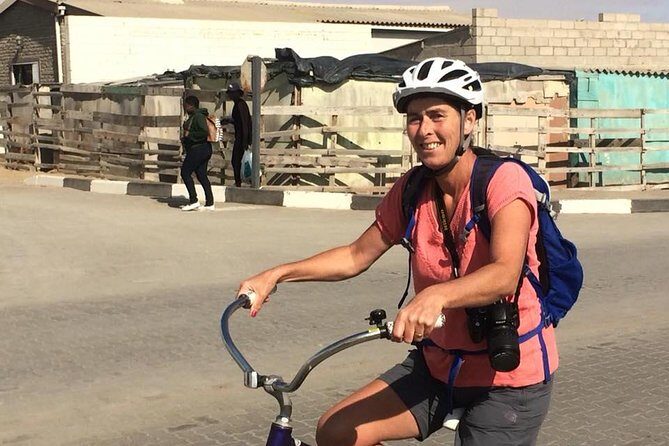
You’ll stop at a local shebeen/tavern and enjoy a local beer with the locals. This is one of those moments where you see that hospitality isn’t just a concept—it’s practiced.
What I like about including a shebeen stop is that it brings the tour out of “classroom mode.” You’re in a social setting. You can hear how people talk and share time in a way that feels natural.
If you’re not a big beer drinker, you’ll still likely enjoy the atmosphere and the social exchange. Just remember: this is part of a walking tour, so don’t plan to race through it or treat it like a bar crawl.
The Family Home Meal: Mopane Worms and Real Food Stories
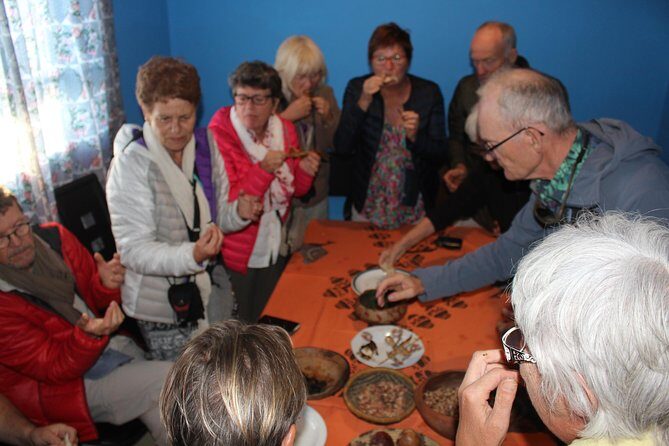
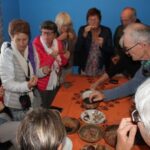
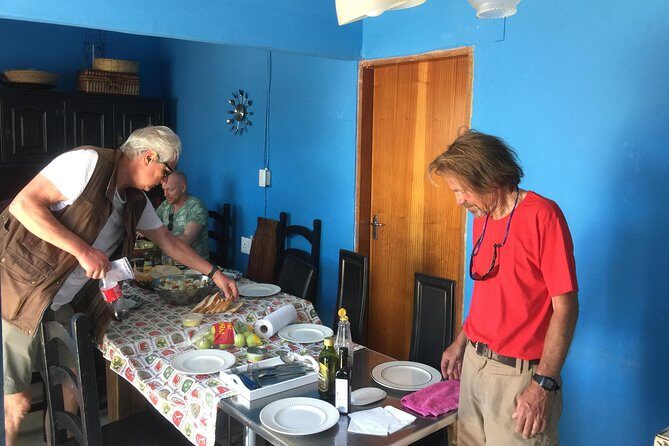
The tour includes a local meal prepared at a family home, and the food list specifically mentions trying mopane worms. If you’ve heard of them and wondered what they taste like, this is the moment to find out.
Food on trips does two things:
- It turns culture into something you can taste, not just read.
- It makes you slow down and ask questions, because you’re part of the experience.
The home meal is also a sign that this tour’s concept is built around hospitality. You’re not only learning about community life—you’re being fed as part of it. That changes the tone of the day.
If you have dietary restrictions, the provided details don’t spell that out. So ask before you go, and don’t assume you’ll get alternatives.
Crafts Center and Market Photos: Collect Souvenirs With Context
You’ll visit a community arts and craft area where you can see local creative projects and get taught the click language portion tied to Damara lessons. You’ll also have time for souvenir photographs in the bustling market area.
This is a smart way to shop (or photograph) responsibly. When the guide explains the work, you’re more likely to buy something with meaning rather than just grabbing a random trinket.
Practical tip: if you’re planning to buy crafts, keep small cash on hand and be ready for careful decision-making. The goal here isn’t to spend big—it’s to support community work and leave with something you actually understand.
The Choir Performance Finish: Why the Day Ends With Music
The tour ends with a live performance by a local choir from Mondesa. This final stop gives the day a natural emotional close. You’ve heard about tribes, words, community life, and social spaces; then you finish with sound.
Music is also a universal translator on travel days. Even if you don’t understand every word, the energy carries. And because it’s from the community itself, it feels like a continuation—not a tourist show.
If you’ve had a day that’s been heavy with cultural context, the choir is a relief valve. It’s the moment where the tour’s message lands as feeling.
What to Bring (And What to Leave at Home)
This kind of township walking tour is simple, but it rewards good prep. Based on the tour guidance, I’d pack:
- Sweets for the kids (the tour specifically requests this)
- Comfortable shoes for walking
- A camera you’re ready to use, but not constantly
- A light layer, because weather can matter in Namibia
- Your best attitude for conversation and learning
And I’d leave at home the mindset that this is a checklist. The best part of Mondesa is time spent with people. If you treat it like a mission, you’ll miss what it’s trying to teach.
Timing, Weather, and the One Real-World Caution
Two things can affect your experience: weather and the day’s pacing. The operator notes the experience requires good weather, and if poor weather cancels it, you’ll be offered a different date or a full refund.
The other caution is schedule pressure. Even though the tour is listed as about 4 hours, it can still feel rushed if the day runs late or if stops need to be shortened. I’ve learned to build my day with a buffer around community tours. Don’t stack a long driving plan right after, and keep your next commitment flexible.
If you’re the type who panics when plans change, this may feel annoying. If you’re the type who enjoys adapting on the road, it can be great.
Should You Book Explorer’s Mondesa Township Tour?
I think you should book this if you want a real, people-first cultural day in Swakopmund that goes beyond watching from the outside. The strongest reasons to choose it are the Damara click language lesson, the school and kindergarten visit, the home-cooked meal (including mopane worms), and the local beer at a shebeen—all wrapped with a choir finish.
Skip it (or be cautious) if you need a perfectly timed itinerary with zero chance of compression, or if you’re not comfortable walking and spending time in community settings. This isn’t a sit-and-stare tour. It’s active, social, and very human.
FAQ
What is the duration of the Mondesa Township Cultural Tour?
The tour is listed as about 4 hours.
Where does the tour take place?
It takes place in Swakopmund, Namibia, with visits to the Community of Mondesa.
How much does it cost?
It’s $120 per group (up to 2).
Is pickup included?
Yes. Pickup is offered at your accommodation in and around Swakopmund, with round-trip transfers.
What language is the tour conducted in?
The tour is conducted in English, with French and German-speaking options available at booking.
What’s included in the experience?
It includes visits to the open market, walks through Mondesa, shebeen/tavern time with local beer, school and kindergarten visits, learning about Herero and Himba culture, community arts and craft projects, Damara click language lessons, a local family home meal, and a live choir performance.
Is an entrance fee included?
No entrance fee is needed.
What should I bring?
The tour advises you to bring sweets for the kids and to wear shoes suitable for moderate physical walking.
Is this tour private?
Yes. It’s a private tour/activity, and only your group participates.
What happens if the weather is bad?
If it’s canceled due to poor weather, you’ll be offered a different date or a full refund.