REVIEW · SWAKOPMUND
Swakopmund Best Cultural Historical Township Tours Namibia
Book on Viator →Operated by Explorer Cultural Township Tours in Swakopmund /WalvisBay · Bookable on Viator
A township visit can change how you see a place. In Mondesa, you get a guided look at daily life, culture, and the apartheid-era story behind how these communities were formed. I especially liked the chance to learn real language and culture details (not just facts on a sign) and the warmth of meeting people through a private format; the only downside is that you should be ready for a more human, less comfortable kind of travel than a typical sightseeing stop.
This is priced like a small tour, but it includes more than a quick drive-through. You’re taken by a local guide (for example Nande, Natal, or Antonia, depending on your group), you visit the open market, and you also spend time in community arts and craft projects where you’ll get hands-on learning. One practical consideration: because it’s in-town walking and time on your feet, bring a moderate level of fitness and solid shoes.
The best moment for me is the home-cooked meal with a family, because it turns the whole day from history lessons into lived experience. You’ll also learn about Herero and Himba culture and get taught the Damara click language. Just keep expectations grounded: it’s a cultural exchange, so be flexible and respectful, and you’ll get a lot out of it.
In This Review
- Key highlights worth planning for
- Mondesa Township with a Private Local Guide, Not a Drive-By
- Responsible Tourism with a 25% Community Return
- Herero, Himba, and Cultural Learning That Feels Practical
- Damara Click Language: A Skill You’ll Actually Use
- Open Market Moments and Community Arts Projects
- Meeting a Local Family for a Home-Cooked Meal
- Swakopmund on Foot: Desert Meets Atlantic, With Colonial-Era Bones
- Price, Time, and What $40 Really Buys
- What to Expect on the Ground (and How to Prepare)
- Should You Book This Mondesa Cultural and Historical Tour?
- FAQ
- How long is the Mondesa cultural and historical township tour?
- Is pickup included?
- Is this a private tour?
- What’s included in the tour price?
- Who can join and what fitness level is needed?
- Is the tour responsible tourism focused?
- What happens if I cancel?
Key highlights worth planning for
- Private Mondesa guiding that feels personal rather than crowded
- Community-supported tourism, with 25% of payments going back to the community
- Open market time where you see day-to-day life up close
- Damara click language lesson plus culture learning around Herero and Himba traditions
- A home meal with a local family, included in the tour
- Swakopmund context on foot, where German-colonial history meets the Atlantic coast
Mondesa Township with a Private Local Guide, Not a Drive-By
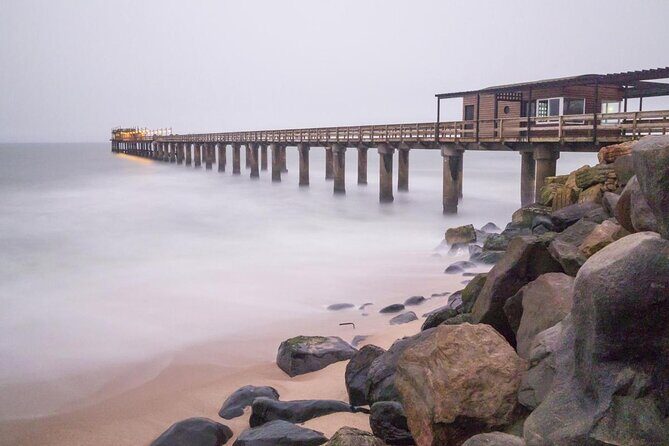
Swakopmund is a coastal town where the desert meets the Atlantic, and Mondesa sits close enough that the shift in scenery feels immediate. What makes this tour work is the focus on how you arrive: not as a passive observer, but with a local private guide who can translate the past and explain the present in plain language.
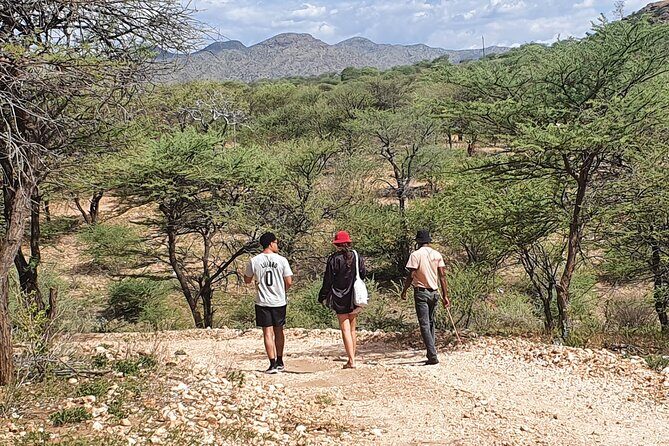
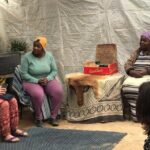
In Mondesa, you walk through residential streets and spend time in community spaces, guided by your host. That street-level approach matters. It’s how you notice the small things that don’t show up in photos well—how people move through their neighborhood, how homes are laid out, and what the community builds and maintains day after day.
If your guide is Nande, you can expect a lot of history and development context, plus careful explanations of what you’re seeing as you go. If your guide is Natal or Antonia, the vibe tends to be attentive and detail-oriented, including time to help you understand culture, traditions, and everyday life from inside the neighborhood rather than from a distance.
You can also read our reviews of more historical tours in Swakopmund

Responsible Tourism with a 25% Community Return
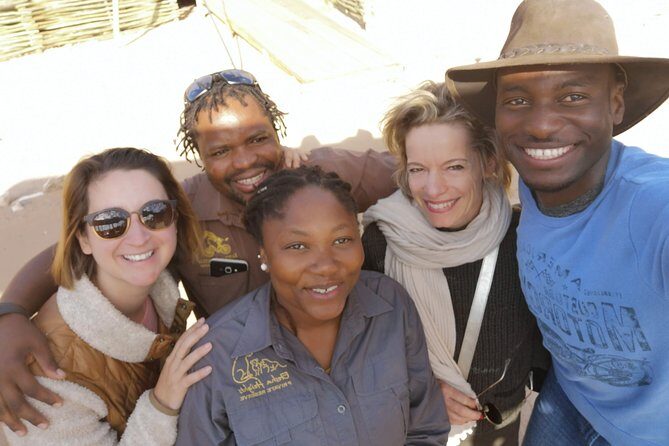
This is not positioned as charity tourism, and I like that it’s framed around sharing income and support directly. You’ll see the practical side of that through visits connected to community life: the open market, community arts and craft projects, and the home meal itself.
The big number here is that 25% of your payment is returned to the community. For you, that changes the value equation. You’re still spending $40, but you’re not just buying a tour. You’re helping fund local initiatives and community activities the guide can explain in context—so your money has a trail you can understand.
There’s also credibility behind the provider’s responsibility focus. Explorer Cultural Township Tours in Swakopmund / Walvis Bay were finalists for the 2018 African Responsible Tourism Awards and selected as best Responsible Cultural Experience in Africa at the awards held in Johannesburg on 9 April (as stated in the tour info). That doesn’t make the day “perfect,” but it suggests this isn’t a last-minute “tourist gets dropped off” operation.
Herero, Himba, and Cultural Learning That Feels Practical
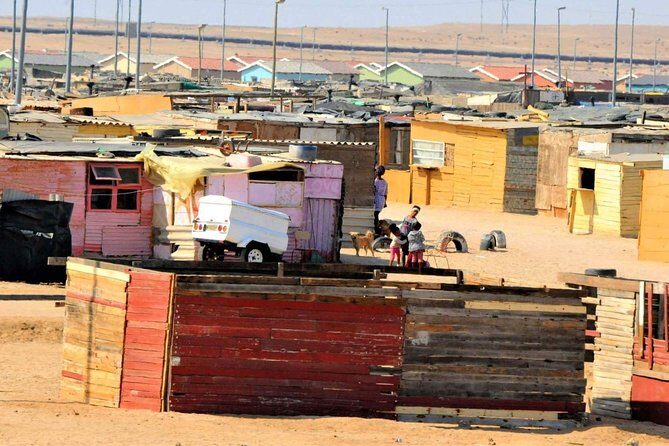
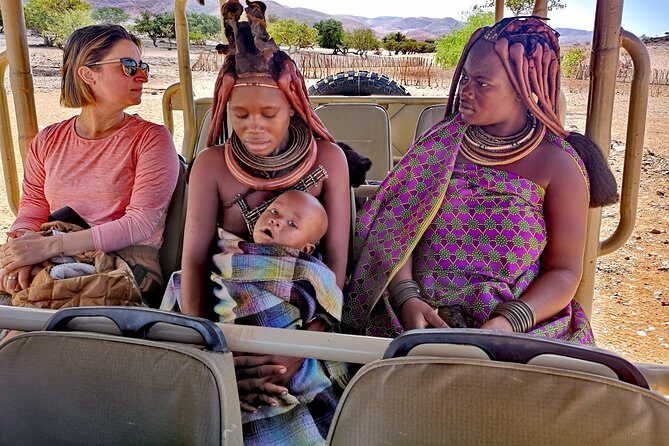
Namibia’s cultures are diverse, and this tour keeps the teaching tied to what you can actually ask and see in the community. You’ll learn about Herero and Himba culture during the visit, with a local guide helping connect the dots between the wider national story and what life looks like in Mondesa.
The practical value is that cultural learning doesn’t stay abstract. You’re not just hearing definitions—you’re getting help understanding how people describe identity, tradition, and community life in their own terms. That’s especially useful if Namibia is new to you, or if you’ve mostly experienced the country as scenery.
A note for your expectations: you’re learning in a real neighborhood context, not in a museum setting. Sometimes that means you’ll move at a human pace—stopping for questions, letting conversations shape the route, and taking breaks when it makes sense for the day.
Damara Click Language: A Skill You’ll Actually Use
One of the most memorable parts is the Damara language lesson focused on click sounds. You don’t need a linguistics degree. You just need patience, ears that are open to new sounds, and a willingness to try.
This part stands out because click language isn’t something you can casually pick up from a phrasebook. When your guide teaches it, it comes with context and pronunciation coaching. Even if you only manage a few correct clicks, you’ll leave with something that feels like a real souvenir—knowledge made by doing, not buying.
Tip: try it a few times even if it feels awkward. The first attempt usually sounds off. By the second or third try, you start hearing the difference your guide wants you to make.
Open Market Moments and Community Arts Projects
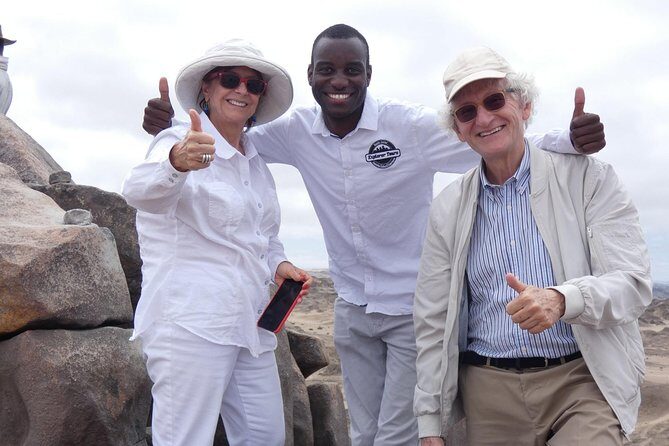
The tour includes a visit to the Open Market in the township, guided by your local guide. Markets are where you see people organizing their day. You’ll get the feeling of rhythm—what gets attention, what’s common, and how the community shares information and goods.
You’ll also visit community arts and craft projects, where you’ll be taught the click language from the Damara tribe. That combination is smart: it links language learning with creative work and community spaces, so it feels less like a classroom and more like real cultural exchange.
Photo-wise, you’ll likely be in places where you can take pictures of kids and houses (this is included in the tour details). I’d handle that with care. Ask when appropriate, keep a respectful distance, and remember that your camera is powerful. Use it to share, not to take.
Meeting a Local Family for a Home-Cooked Meal

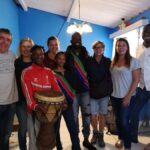
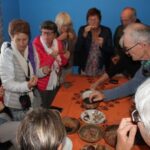
If you want one reason to do this tour, it’s the home meal. The tour includes a local meal prepared at a family home, with lunch also included. This is where the day shifts from “learning about a place” to “being treated as a person in someone’s day.”
You’ll see the hospitality side of Mondesa, and you’ll get a chance to talk with your hosts through your guide. Even if your conversations are limited by language, the meal carries meaning: food is one of the quickest ways to connect and understand daily life.
Cultural etiquette matters here. Keep your manners simple—be on time, follow your guide’s lead, and avoid turning the home visit into a performance. You’re not there to inspect; you’re there to share time.
Swakopmund on Foot: Desert Meets Atlantic, With Colonial-Era Bones

The day doesn’t ignore Swakopmund itself. You’ll get an in-depth look at Mondesa and Swakopmund, and you’ll also get time that emphasizes Swakopmund’s walkable feel.
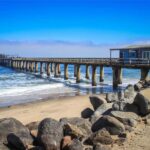
Swakopmund is described as a town where the desert hugs the Atlantic Ocean, north of Walvis. It was the original settlement of German colonists, and the town still carries a quirky style that survived even with growth. Walking on foot helps you catch details that you’d miss if you only ride in a car: small architectural cues, street character, and that sense of an old coastal town that never fully lost its personality.
This is also a good way to get your bearings before and after the township visit. The mood shift can be big—walking helps smooth the transition so you process what you’re seeing without rushing.
Price, Time, and What $40 Really Buys

At $40 per person for around 4 hours, this tour is short enough to fit into a packed Namibia schedule but long enough to do more than one stop. You also get pickup offered and a mobile ticket, which keeps the logistics simple.
The value piece isn’t just the duration. It’s the bundle:
- Local guided walking through Mondesa
- Open market time
- Community arts and craft projects
- A Damara click language lesson
- Herero and Himba cultural learning
- A home-cooked meal (and lunch)
Then there’s the added responsibility angle: with 25% returned to the community, your payment is doing more than covering guide time and transportation.
One practical timing point: this tour is often booked about 28 days in advance on average. If you’re traveling in peak season or you’ve got tight plans, you’ll save stress by booking early.
What to Expect on the Ground (and How to Prepare)
This is a private tour, so it’s only your group—and that usually makes the questions and pace feel more natural. You’ll have in-depth exploration of Mondesa and Swakopmund, with walking involved.
Fitness note: the tour calls for moderate physical fitness. That doesn’t mean difficult hiking, but it does mean you should expect sidewalks, uneven surfaces, and time standing and walking during market and neighborhood stops. Bring comfortable shoes and plan for a full half day.
Also, remember that this is a cultural and historical experience connected to apartheid-era townships. The goal is to understand, not to sensationalize. Go in ready to listen.
Should You Book This Mondesa Cultural and Historical Tour?
Book it if you want a Namibia experience that’s about people, not just places. If you’re the kind of traveler who likes getting names, learning sounds (hello Damara clicks), and sharing a meal with locals, this hits those buttons. The private format and the included home-cooked lunch make it feel more respectful and less intrusive than tours that only “pass through.”
Hold off if you want a super light, purely sightseeing day, or if you’re uncomfortable with the emotional weight of apartheid-era history. Also rethink if your mobility is limited, since walking and being on your feet are part of the plan.
For most visitors to Swakopmund, this is one of the best ways to understand Namibia beyond the coastline—and to do it in a way that sends real support back where it matters.
FAQ
How long is the Mondesa cultural and historical township tour?
The tour runs for about 4 hours.
Is pickup included?
Pickup is offered, and you’ll also receive a mobile ticket.
Is this a private tour?
Yes. It’s a private tour/activity, meaning only your group participates.
What’s included in the tour price?
Included are visits to the open market in the township, time in Mondesa streets, learning about Herero and Himba culture, community arts and craft projects (including a Damara click language lesson), a local meal at a family home, and lunch.
Who can join and what fitness level is needed?
You should have a moderate physical fitness level. The tour also requires a minimum of 2 people per booking.
Is the tour responsible tourism focused?
Yes. The tour info states that 25% of your payments go back to the community.
What happens if I cancel?
The experience is non-refundable and cannot be changed for any reason.