REVIEW · SWAKOPMUND
From Swakopmund: Living Dunes Experience
Book on GetYourGuide →Operated by Charly's Desert Tours · Bookable on GetYourGuide
Tiny footprints tell the desert’s story. On this Living Dunes tour near Swakopmund, you track small creatures of the Namib step-by-step, guided by people who know exactly where life hides in shifting sand.
What I like most is the focus on small desert animals instead of the usual big-safari routine. And I really value the practical help you get with reading tracks and spotting the subtle signs that most people miss, including how careful guides find creatures like Johnny and explain what you’re looking at with humor and care.
One drawback to consider: this tour isn’t suitable for people with mobility impairments, because it involves walking on dunes and getting out of the vehicle for tracking and photos.
In This Review
- Living Dunes Key Moments to Know
- Why the Namib Coastal Dunes Feel Alive (Not Empty)
- Getting Picked Up in Swakopmund and Entering the Dune Belt
- The 3.5-Hour Search: Tracking Geckos, Lizards, and the Small Five
- Photo Opportunities That Don’t Feel Forced
- How the Guides Make Tiny Creatures Visible
- The Short Dune Drive Finale Back Toward Swakopmund
- Price and Value: What $61 Really Buys You
- What to Bring So You Can Focus on the Hunt
- Who This Tour Fits Best (And Who Might Be Happier Elsewhere)
- Should You Book Living Dunes near Swakopmund?
- FAQ
- How long is the Living Dunes Experience?
- Where does pickup happen?
- What transport is used during the tour?
- What animals does the tour focus on?
- Is the tour guided and what language is it in?
- What should I bring?
- Is food included in the price?
- Is the tour suitable for people with mobility impairments?
- Can I get a refund if plans change?
- Is pay-later booking available?
Living Dunes Key Moments to Know
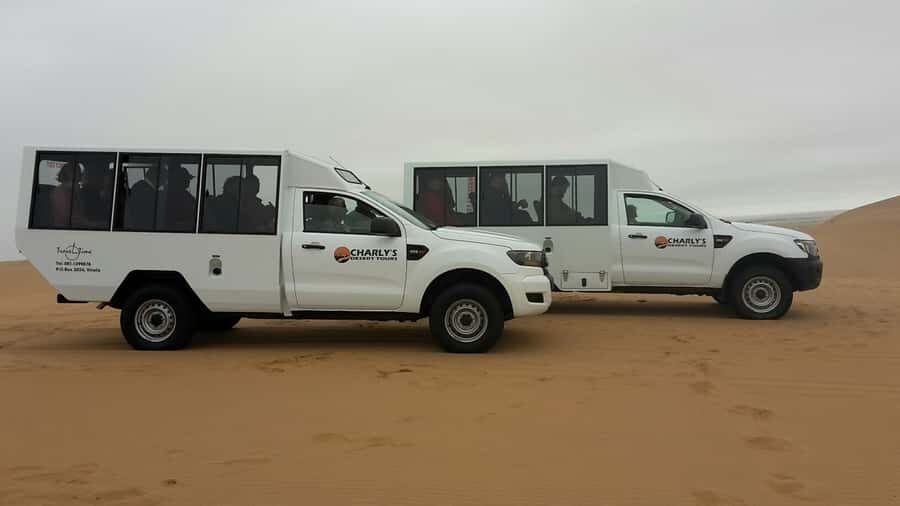
- The small-creature hunt: geckos, lizards, snakes, chameleons, plus spiders and scorpions
- Track-reading in action: you’ll learn how to identify subtle tracks left in sand
- Photo time with a purpose: you’re looking at real subjects, not just scenery
- Desert survival adaptations: you’ll connect animals to the skills they use to cope
- A short, faster dune drive: you end with momentum and fresh views
Why the Namib Coastal Dunes Feel Alive (Not Empty)
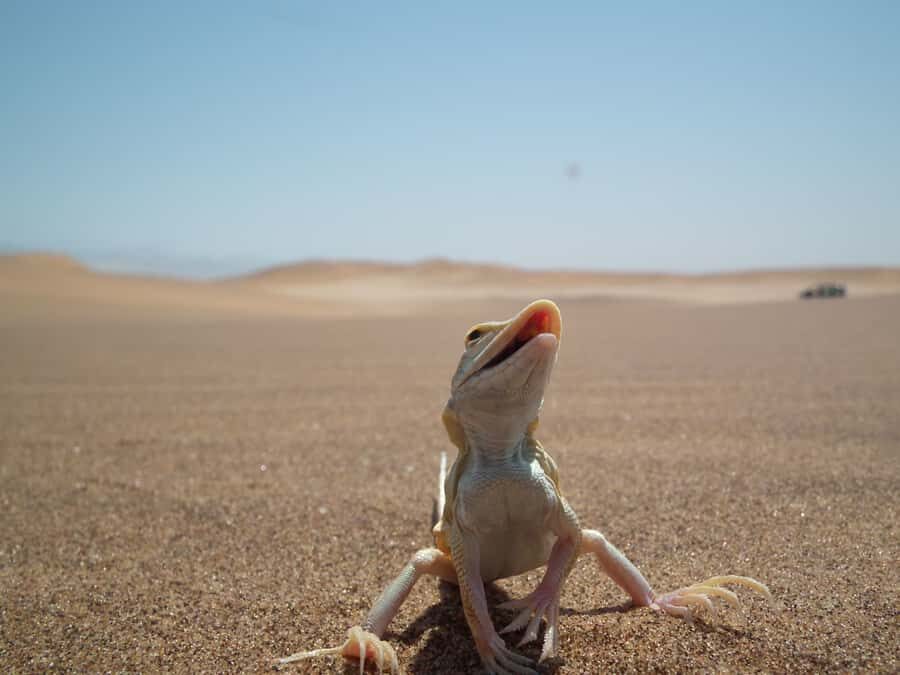
The Namib isn’t just sand. It’s a desert system built for survival, and coastal dunes just outside Swakopmund hold a surprising number of endemic species. The tour’s whole point is to train your eyes to see that hidden life.
I like that it doesn’t ask you to guess. Your guide helps you shift from wondering what’s out there to knowing what to look for: movement, tracks, sand patterns, and the little clues that signal a lizard or gecko is close.
This is also the rare wildlife experience where you can keep your distance but still feel like you’re really participating. The focus stays on careful searching, learning what makes each creature tough, and taking photos when conditions line up.
You can also read our reviews of more tours and experiences in Swakopmund.


Getting Picked Up in Swakopmund and Entering the Dune Belt
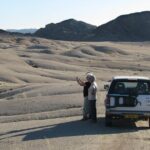
You start in Swakopmund with hotel pickup, then you’re in a Jeep / SUV heading out into the coastal dune belt beyond the city limits. The first transfer is quick, but it matters because it gives you time to settle in and get your safety briefing before you start tracking.
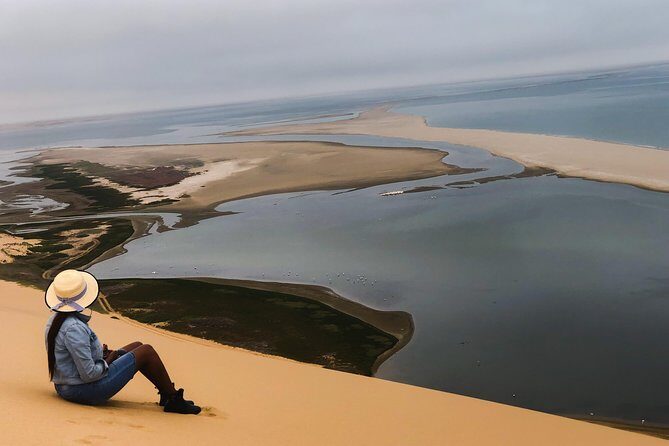
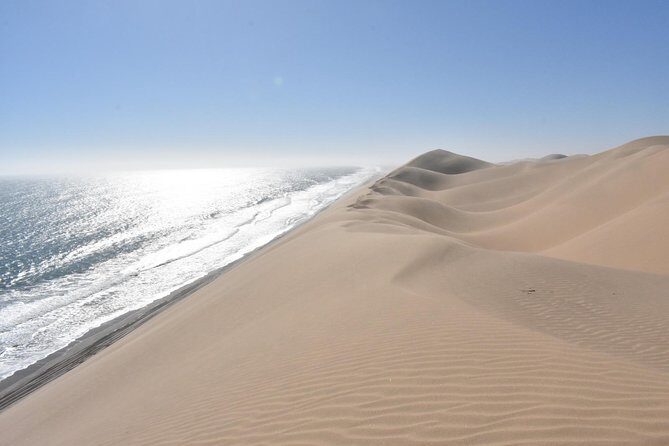
Once you’re out there, you’ll see how the dunes look ordinary at first glance. That’s part of the trick. The tour teaches you how to unlearn the habit of thinking sand means nothing is happening.
On the way, there’s also a guided scenic pass with a photo stop. It’s not just a break; it’s your warm-up for recognizing dune shapes, wind effects, and the kinds of ground where small animals leave the clearest signs.
The 3.5-Hour Search: Tracking Geckos, Lizards, and the Small Five
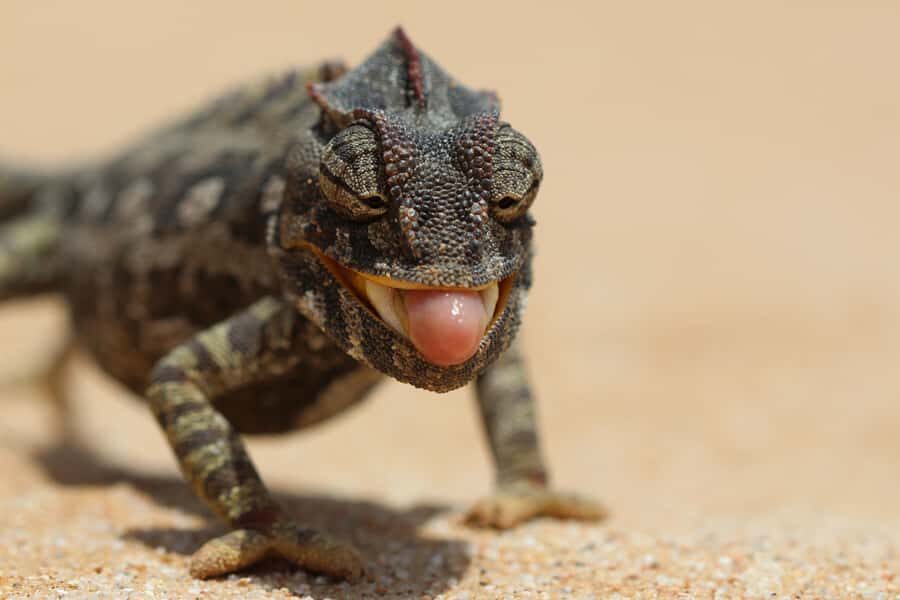
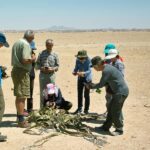
Most of the time is spent at the main dune area, and that’s where the tour earns its name. You’ll be on a long guided session—walking, stopping, and scanning—so the hunt doesn’t feel rushed. This is when you track multiple species and learn how to separate real evidence from coincidence.
Here’s the standout lineup you can expect to search for:
- Palmato Geckos
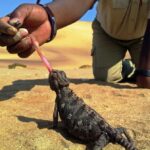
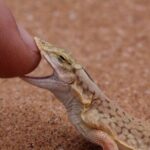
- Sand-diving lizards
- Tok-tokkie beetle, famous for fog-basking
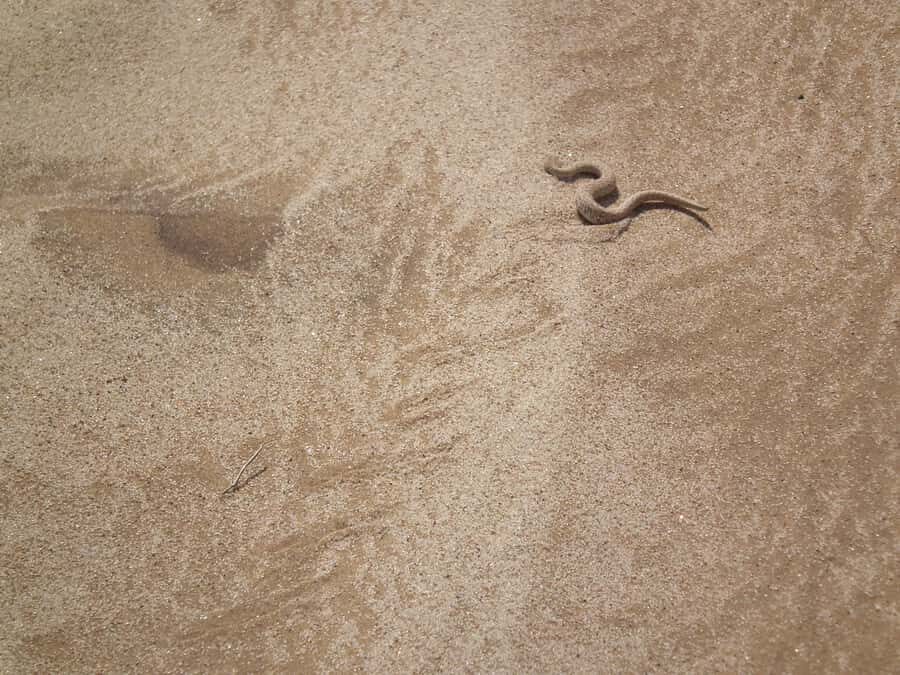
- Sidewinder snakes
- Chameleons
- Plus spiders and scorpions
The key idea is that you’re not just doing a checklist. You’re learning why these animals belong here. Desert survival is a mix of behavior and timing—moving when conditions help, using body design that handles heat and sand, and finding cover before you’d ever notice it alone.
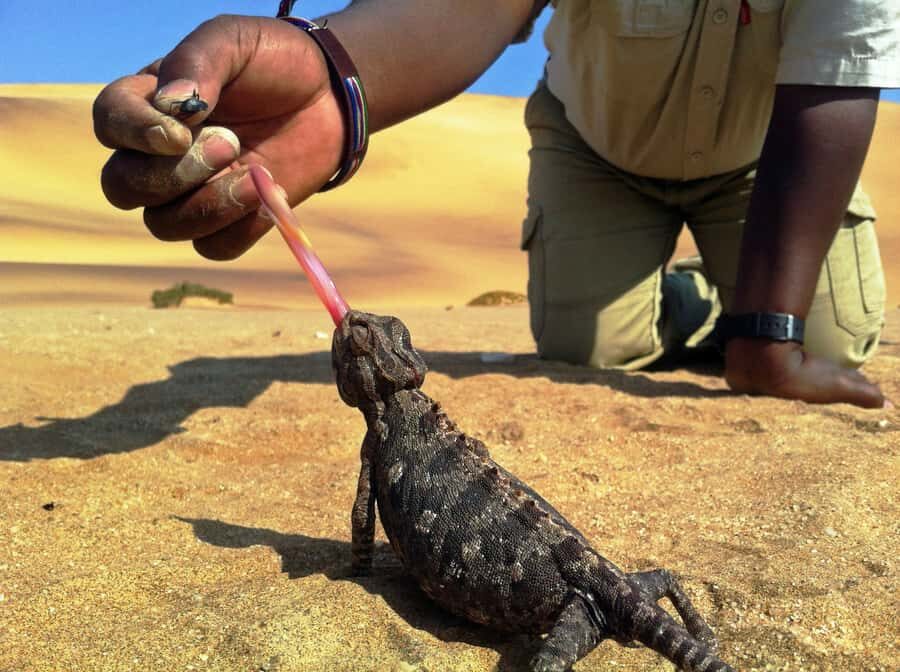
And you learn it with your feet on the ground. Your guide helps you interpret what you see, including subtle tracks and the patterns animals leave behind.
Photo Opportunities That Don’t Feel Forced
You’ll get chances for photos, but they’re tied to actual wildlife moments: a track you can follow, a creature your guide pinpoints, or a close look at desert adaptations. The value here is that you’re not just taking pretty pictures of dunes—you’re documenting living details.
I also like that the tour builds in short pauses. That makes it easier to focus, steady your camera, and avoid the rush that often ruins photos in wildlife outings.
How the Guides Make Tiny Creatures Visible

The difference between seeing dunes and seeing the desert depends on your guide. This tour leans hard on skill: spotting where an animal is likely to be, reading the sand correctly, and guiding you safely while keeping attention where it belongs.
From the guides highlighted in past experiences—people like Johnny, Björn, and Immanuel—a pattern shows up: they explain clearly, work carefully around animals, and keep the mood light. That matters. Small creatures are easy to miss, and good humor helps you stay patient when the desert takes its time.
You also get learning that sticks. Instead of vague descriptions, you’re taught identification basics—how to connect an animal’s movement style to the kind of track it leaves, and how to interpret signs without stepping on the evidence.
If you’re the type who likes wildlife but also enjoys learning the “how,” you’ll probably have one of those trips where you leave with a new skill. You won’t just remember names; you’ll remember what the sand can tell you.
The Short Dune Drive Finale Back Toward Swakopmund
After the main search, you finish with a short dune drive where you pick up speed again. That change of pace is more than fun—it gives you a wider perspective on the dune belt you spent time studying close-up.
You’ll still be thinking like a tracker, but now you can watch how wind and dune structure create the conditions small animals use. It’s a good wrap because it turns learning into context.
Then it’s back for the return transfer to your hotel in Swakopmund, so you’re not stuck figuring out how to get home after dark or after a long walk.
Price and Value: What $61 Really Buys You
At about $61 per person for roughly 210 minutes (3.5 hours), this is a value-first experience. You’re paying for a guide who focuses on low-profile wildlife, plus hotel pickup and drop-off and still mineral water.
Why that matters: small-animal wildlife is hard to do on your own. Without track-reading skill and local searching experience, you’ll likely see only dunes and maybe a lucky glimpse. Here, you’re paying for the eyes and method that turn the desert into a solvable puzzle.
Also, the tour is in English, which keeps the learning direct. And it’s a practical length—long enough to matter, short enough to fit easily into a Swakopmund itinerary.
One note for planning: food isn’t included. If you’re the kind of person who gets cranky mid-walk without a snack, you’ll want to eat before pickup or plan something afterward.
What to Bring So You Can Focus on the Hunt
This tour is outdoors, on dunes, and you’ll be exposed to sun for portions of the experience. Bring sunscreen and a hat, and treat them as mandatory rather than optional.
Comfort helps too. You’ll be walking while scanning and sometimes stopping quickly to look for tracks. If your footwear isn’t made for sand and uneven ground, you’ll feel it. The goal is to keep your attention on the animals, not on your feet.
Your guide provides water, but you should still plan your day around hydration and sun.
Who This Tour Fits Best (And Who Might Be Happier Elsewhere)
This is a great fit if you love wildlife but don’t need the biggest animals to feel satisfied. If you enjoy the detective side of nature—tracks, adaptations, and finding creatures you’d never spot alone—you’ll likely love this.
It’s also a good choice for photographers who want more than “pretty dunes.” The best shots come from timing and focus, and the tour is designed to help you slow down and look correctly.
If you have mobility impairments, this one isn’t suitable. The tour includes walking and dune terrain, so it wouldn’t be comfortable or realistic.
Should You Book Living Dunes near Swakopmund?
I’d book it if you want an experience that feels different from the standard safari pattern. The combination of hotel pickup, a real guide-led search, and the chance to look for specific desert specialists makes the time feel purposeful.
I’d skip it if your ideal wildlife trip depends on big, fast sightings or if you need an easy-on-the-body route. This is about tiny life, patient searching, and desert skills you can actually learn.
If you’re excited by the idea of tracking geckos, lizards, sidewinder snakes, and that fog-basking tok-tokkie beetle, then you’re exactly the right kind of traveler for the Living Dunes experience.
FAQ
How long is the Living Dunes Experience?
It lasts about 210 minutes, or roughly 3.5 hours.
Where does pickup happen?
Pickup is included from your accommodation in Swakopmund.
What transport is used during the tour?
You travel by Jeep / SUV for the transfers and drives during the experience.
What animals does the tour focus on?
You’ll search for creatures such as palmato geckos, sand-diving lizards, the tok-tokkie beetle, sidewinder snakes, spiders, scorpions, and chameleons.
Is the tour guided and what language is it in?
Yes, it includes a live tour guide, and the tour is in English.
What should I bring?
Bring sunscreen and a hat.
Is food included in the price?
No, food is not included.
Is the tour suitable for people with mobility impairments?
No, it’s not suitable for people with mobility impairments.
Can I get a refund if plans change?
You can cancel up to 24 hours in advance for a full refund.
Is pay-later booking available?
Yes, you can reserve and pay later.