REVIEW · SWAKOPMUND
Swakopmund: Desert Dunes Quad Biking with Optional Sandboard
Book on GetYourGuide →Operated by Desert Explorers · Bookable on GetYourGuide
Dunes turn your brain off—in a good way. I love the big dune hits (hello Roller Coasters to Big Billy) and I also love that you’re not just riding blindly; a live guide leads the route from the Swakopmund River mouth into the dune belt. You’ll get that stark Namib Desert feeling fast, with natural stop points built into the adventure.
The only real catch: sandboarding can be rough on your body. Some people report sore wrists and you’ll also want to protect your neck/chest during the drop, since the impact can be painful if you tuck wrong. If you’re first-timer nervous, plan to lean on the guide’s pacing, because you’ll likely want a bit more induction time before going full send.
What makes this worth your time is the payoff. After the ride, you head back where you started, and you can relax with a drink at the pub—so you’re not just wiped out, you’re satisfied. It’s also a great fit for families and mixed experience levels, since the guides adjust and keep everyone moving safely.
In This Review
- Key Things You Should Know Before You Go
- The Namib Dunes Feel Close, Not Staged
- Your Ride Path: From River Mouth to Big Dune to the Sea
- Starting off: Into the dune belt
- Weave through smaller dunes toward the Amphitheater
- Roller Coasters to Big Billy: the first big push
- The drink stop and the views check
- Devil’s Dip down: where adrenaline turns real
- Berms, spirals, slopes toward Table Top (sea view!)
- Back to the start and a pub drink
- Sandboarding Optional: Great Fun, Plan for Small Injuries
- Safety and Guide Style: You’re Not Left to Figure It Out
- How Long Should You Ride: 1 Hour vs 3 Hours
- If you book the shorter option
- If you book the longer option
- Price and Value: Why $36 Feels Fair
- Getting There, What to Bring, and How to Prepare
- Who This Quad Biking Adventure Fits Best
- Should You Book This Quad Biking with Optional Sandboarding?
- FAQ
- FAQ
- How long is the quad biking experience?
- What’s included in the price?
- Is pickup available in Swakopmund?
- Are there age limits?
- What languages will the guide speak?
- Is it suitable for people with mobility impairments?
- Can I cancel for a refund?
Key Things You Should Know Before You Go
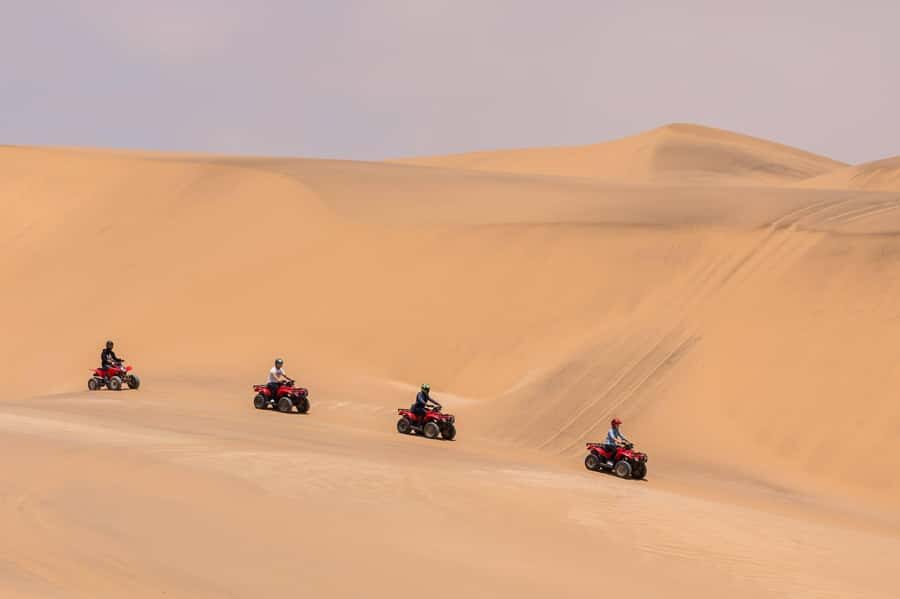
- Big Billy first, then bigger terrain: expect an early confidence booster climb before the more serious dune lines.
- Devil’s Dip and fast dune berms: the fun is in the roller-coaster-like descents and curve work, not just flat sand.
- Table Top brings sea views: one of the best photo moments is the dune with the ocean backdrop.
- Optional sandboarding adds risk and sore-body potential: it’s genuinely fun, but plan for wrist strain and drop-impact care.
- Guides actively manage comfort and safety: guides like Romeo, Benito, Willy, and Ben are known for patient, watchful riding.
- You’ll likely get video/photo help: multiple guides offer to take pics and record your run, which makes the memory last.
The Namib Dunes Feel Close, Not Staged
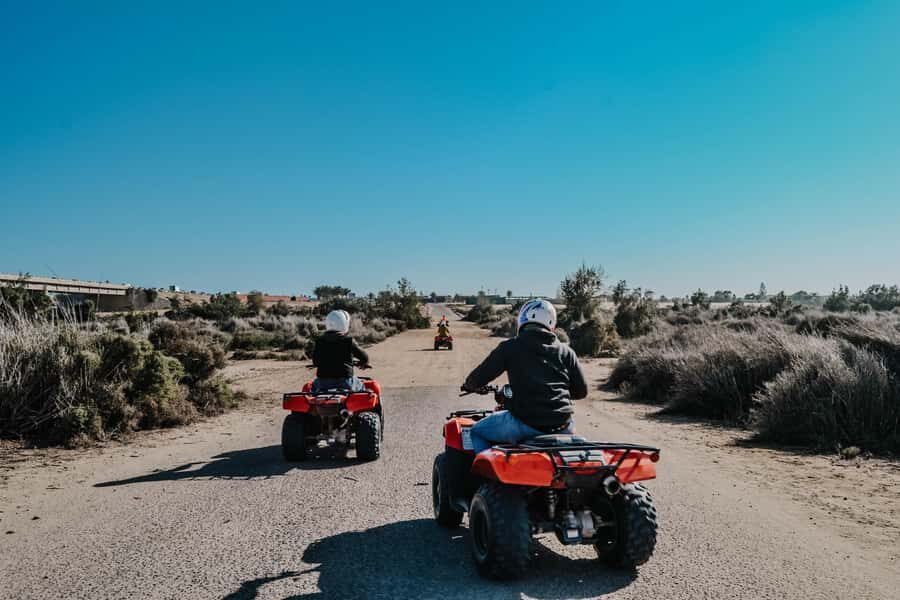
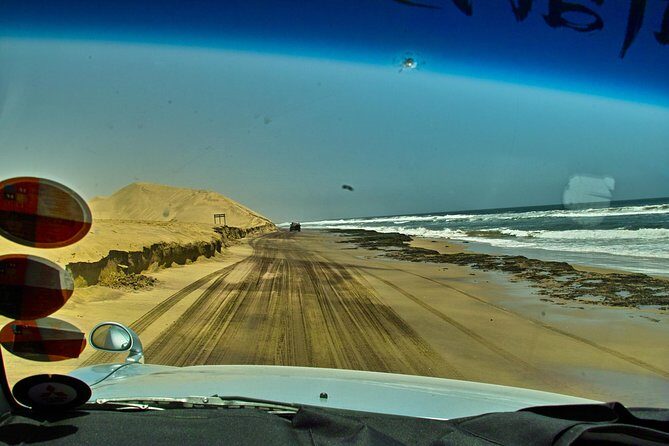
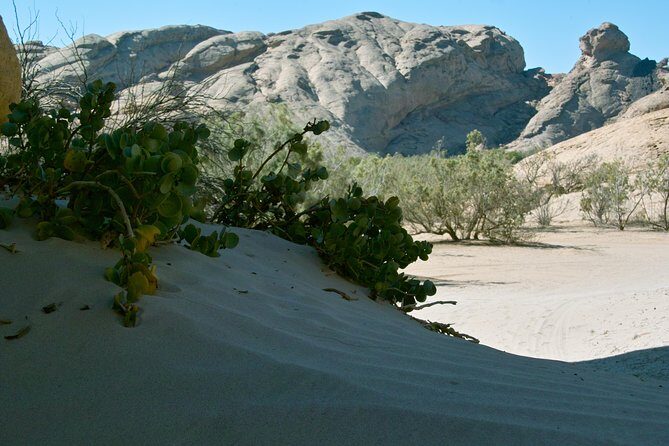
Swakopmund sits right on Namibia’s edge of wildness, where the dunes don’t look like a theme park version of desert. They’re raw, shifting, and huge in a way that makes quad biking feel less like sport and more like a small adventure inside a natural power system.
This ride matters because you’re led into a proper dune belt, not just around a small training loop. Once you rev up and roll in from the Swakopmund River mouth, the terrain starts doing what dunes do: it changes your grip, tests your balance, and turns every climb into a little negotiation with gravity.
I also like that the experience is built around landmarks you can picture. The Roller Coasters section and stops at places like Big Billy and the Table Top dune turn the ride into a story, not random driving. That helps you stay present, not just focused on not getting stuck.
You can also read our reviews of more cycling tours in Swakopmund
Your Ride Path: From River Mouth to Big Dune to the Sea
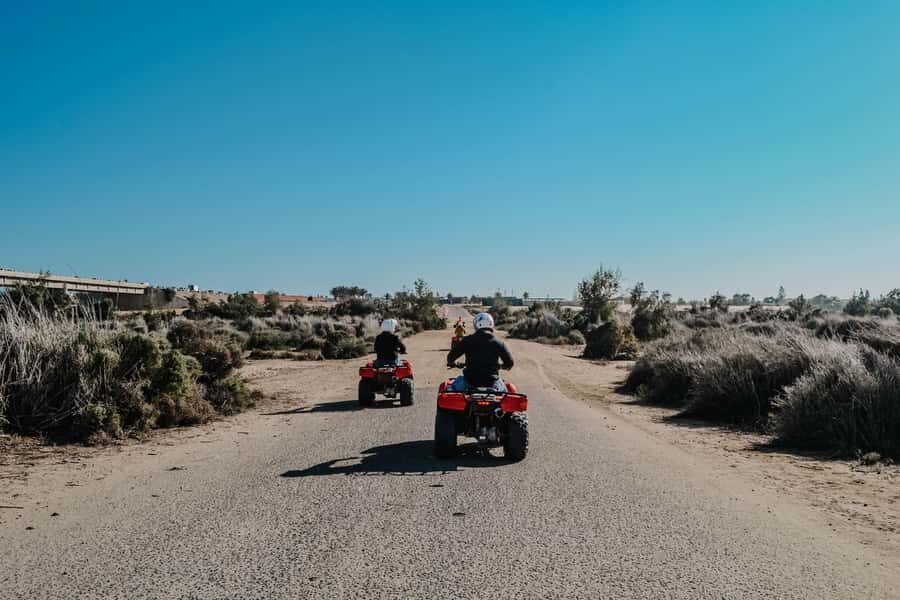
The route is built like an adrenaline staircase. You start with coaching and setup, then gradually move toward bigger dunes and steeper drops as the group finds its rhythm.
Starting off: Into the dune belt
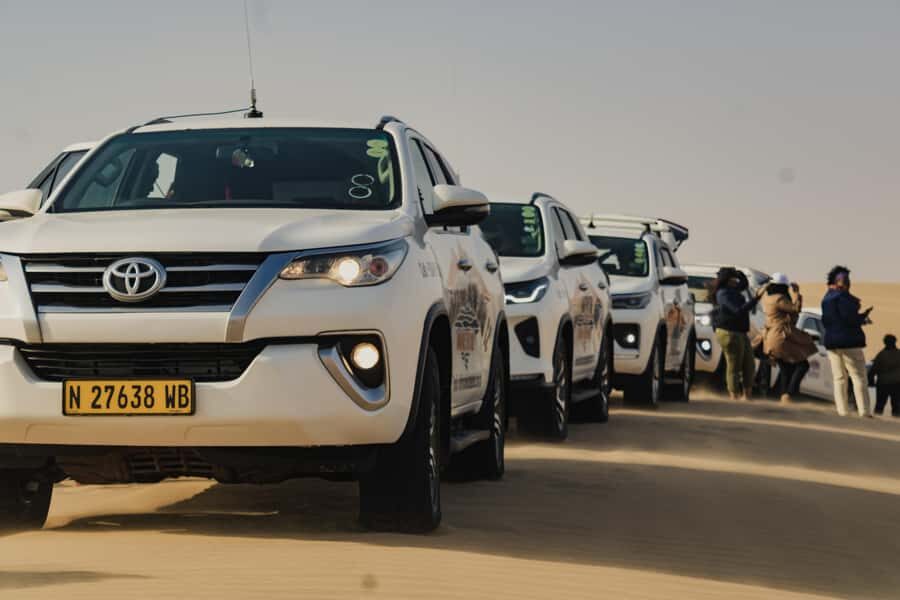
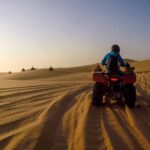
Right after you’re geared up with a helmet and the engines come to life, your experienced guide leads you through the Swakopmund River mouth into the dune zone. This is the part where you learn the basics that keep you moving: how to hold your line, how to react when sand gets looser, and how not to waste energy when the dune starts steepening.
If you’re new, the first few minutes decide how you’ll feel for the rest of the ride. One of the most consistent takeaways is that guides keep you safe without killing the fun. Some people noted that first-time riders would benefit from a touch more induction, so if that’s you, say so right away.
Weave through smaller dunes toward the Amphitheater
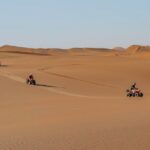
As the towering dunes come closer, you don’t go straight to chaos. You weave your way through smaller dunes toward the Amphitheater area. Think of this as your warm-up geometry: you build confidence on sand that still allows recovery, while learning how the quad behaves in turns and slopes.
This section also gives you breathing room for photos. The dune shapes here are dramatic, and you’ll notice how quickly the lighting in the Namib Desert makes shadows look carved.
Roller Coasters to Big Billy: the first big push
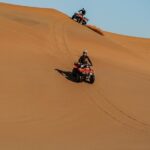
Then comes the headline climb: you power up and blast your way to the top of the first big dune via the Roller Coasters. The destination is Big Billy—and it’s designed to be a real emotional win. Hitting a big summit early changes the whole ride. You stop worrying about the height and start enjoying the ride mechanics.
A few more Swakopmund tours and experiences worth a look
The drink stop and the views check
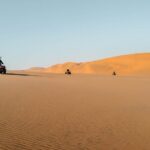
After that peak, there’s a stop for a drink. This is more than a break. It’s a chance to look around while your body catches up. The desert here can look brutally beautiful: pale sand, sharp wind-carved lines, and a horizon that feels almost too clean to be real.
Some guides also help document the moment. You may be offered photos and video, and that’s a big deal because sand biking looks more dramatic than normal travel photos capture.
Devil’s Dip down: where adrenaline turns real
After the climb, you ride down Devil’s Dip. Descents like this are what separate dune riding from a casual drive. You’ll feel the quad shift as the slope changes, and your job is to stay relaxed but ready—letting the machine move while you keep control.
If you’re prone to tensing up, this is when you’ll feel it most. The best guides coach you to stay loose and follow the right line. People who rode with guides like Romeo, Ben, and Willy repeatedly mention that the guides keep a close eye and adjust to your comfort.
Berms, spirals, slopes toward Table Top (sea view!)
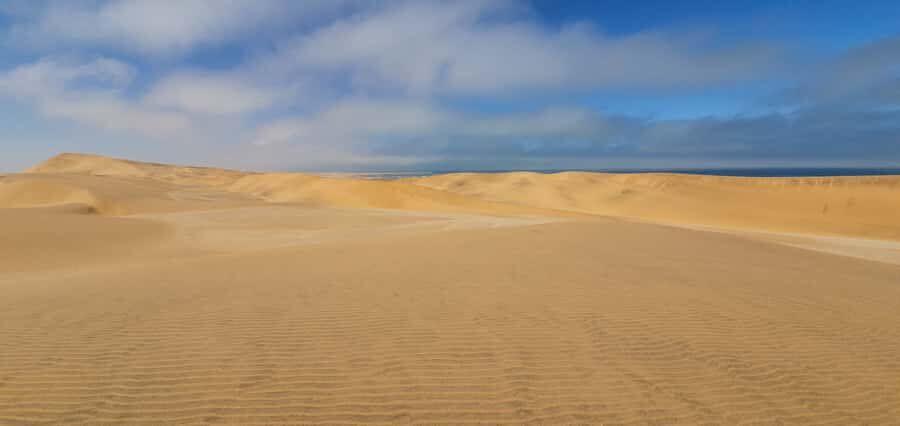
Once you’re past the main drop, the route gets more fun-tech. You ride through berms, spirals, and slopes as you cruise toward the Table Top dune. Table Top is the payoff for the hard parts: it offers a spectacular view toward the sea.
That ocean line in the distance is a mind-blower the first time you see it from deep sand. It gives you a sense of scale—desert meets water, and the dunes suddenly feel even bigger.
Back to the start and a pub drink
When the ride ends, you’re led back to where everything started. Then you can relax and enjoy a drink at the pub. For an activity like this, that matters. The dunes are exhausting in a sneaky way—you spend energy bracing, correcting, and focusing. Ending with an easy decompression beats getting rushed out somewhere.
Sandboarding Optional: Great Fun, Plan for Small Injuries
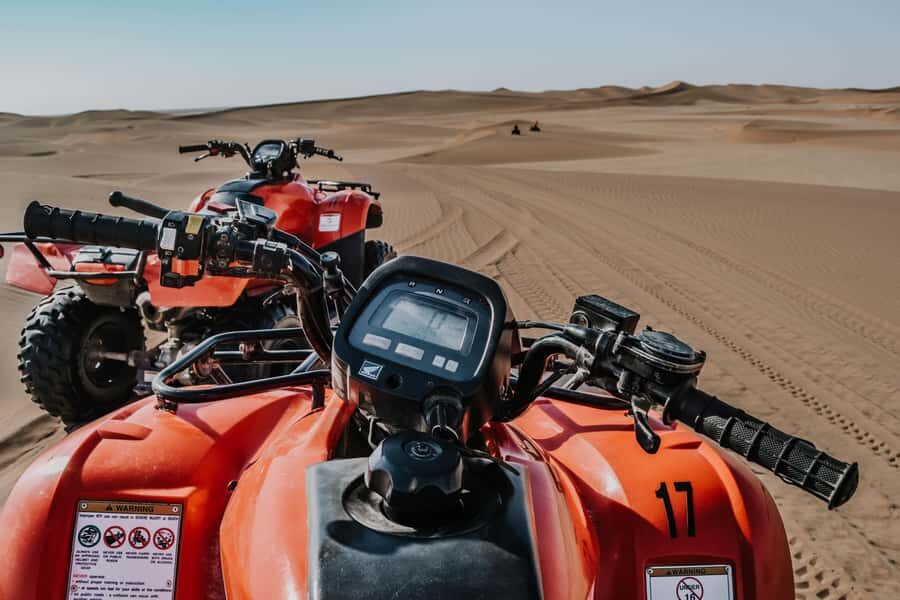
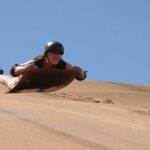
This is the part where your expectations should be honest. Sandboarding on dunes can be incredibly fun, but it’s not zero-impact.
A key detail from rider feedback: some people found it scary at first and others reported sore wrists after the experience. Another useful tip: when you drop, lift your chin/chest rather than tucking in a way that forces your face and body into the sand at impact. Also, the hike back up the dunes can take longer and feel hard, especially if you do multiple runs.
So here’s how I’d frame it for you:
- If you want more adrenaline and you don’t mind getting a bit banged up, sandboarding is a killer add-on.
- If you’re sensitive to pain in arms/hands, go slow on your sandboarding attempts and listen to the guide about your safest body position.
If your priority is a quad-bike adventure, you can treat sandboarding as optional seasoning, not the main course. If your priority is sand sports, then choose the longer duration option so you’re not rushed.
Safety and Guide Style: You’re Not Left to Figure It Out
Quad biking in soft sand demands quick learning. Good news: the guides here spend time coaching.
From rider accounts, guides consistently:
- keep an eye on how far you’re pushing
- check in to make sure you’re okay
- adjust pacing depending on experience
- help with photos and video, so you don’t have to choose between riding and documenting
You’ll hear names in the mix—Romeo is praised for being kind and helpful, Benito for being accommodating and patient, Willy for making first-timers feel safe, and guides like Malcolm, Ben, Richard, Luke, Armando, Hilton, and Sakkie show up in feedback for safety-first attitudes and careful coaching.
One smart, practical detail: some groups are divided by ability, so beginners can move at a pace that builds comfort. That’s a big deal because dune riding feels very different when you’re surrounded by people flying ahead. If you’re nervous, ask for the slower group option if it’s available on your day.
How Long Should You Ride: 1 Hour vs 3 Hours
You can choose 1–3 hours, and the duration changes what kind of experience you get.
If you book the shorter option
The shorter rides tend to focus on the core thrills: dune entrances, the early big climb, and the most dramatic descents. It’s ideal if you want the highlight without using up your whole day.
One rider said 90 minutes was enough—and that’s a pretty solid reality check. The dunes are intense. You don’t need endless time to feel the desert’s power.
If you book the longer option
The longer rides give you more room for extra dune lines and (if you choose it) sandboarding. It’s also more forgiving if you want extra photos, slower coaching, or repeated practice runs.
If you’re planning sandboarding, longer often feels better because you can pace yourself instead of treating each run like a sprint.
Price and Value: Why $36 Feels Fair
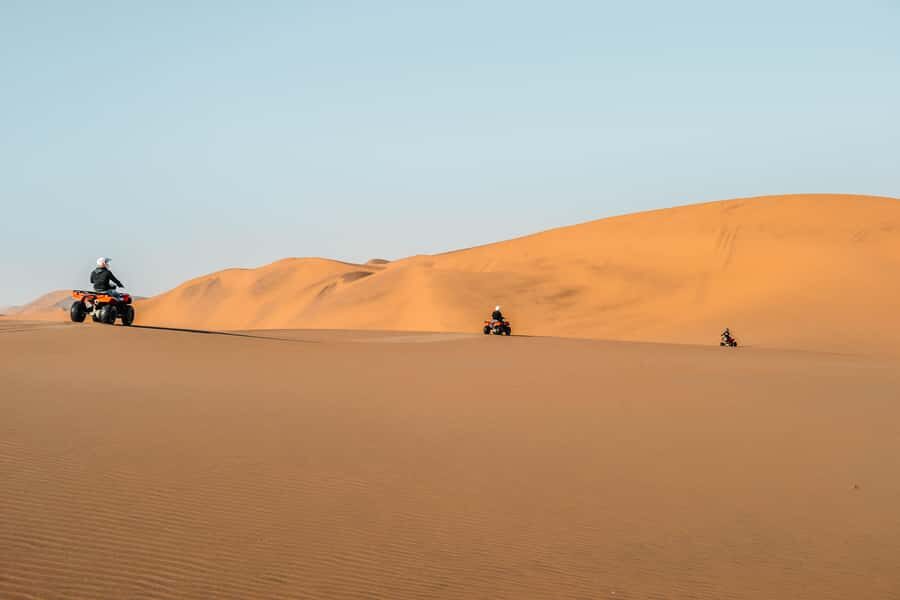
At $36 per person, this sits in the value zone for what you’re actually getting. You’re not just renting a quad and wandering. You’re paying for:
- guided dune access and routing
- a real safety briefing and on-the-ground control
- helmets included
- major dune highlights designed for an experience arc (Big Billy, Devil’s Dip, Table Top)
- optional sandboarding
The biggest value question is what you personally want from the day. If you’re chasing a quick adrenaline hit with iconic dune moments, the price makes sense fast. If you’re hoping for a long outdoor day with multiple sandboarding runs and lots of breaks, the duration matters more than the base price.
One cost note to keep in mind: food isn’t included. You’ll want to plan a meal before you go or grab something after, especially if your ride runs later in the day.
Getting There, What to Bring, and How to Prepare
Meeting point can vary depending on your booking, and pickup is optional. If you choose pickup, you wait in your accommodation reception area at least 30 minutes before the activity starts, and the provider can contact you using the info you share.
Here’s what you should bring or plan for (based on how sandboarding and dunes feel in real life):
- closed-toe footwear you trust in sand
- sunscreen and water (the ride is outdoors in a desert environment)
- eye protection if you’re sensitive to sand
- gloves if you’re worried about wrist strain during sandboarding attempts
Also, wear the mindset of a new hobby, not a race. Your goal is clean control on dunes, not trying to prove something on the first attempt.
If you’re traveling as a couple or solo and the schedule allows, you might end up in a smaller group on quieter days. That can make the coaching feel more personal, since guides can spend extra attention on you.
Who This Quad Biking Adventure Fits Best
This activity fits best if you want the dunes to be the main event. It’s ideal for:
- first-timers who are willing to follow a safety briefing and ride at their comfort pace
- couples and friends who want a shared adrenaline experience and photos afterward
- families where kids can ride as long as a guardian signs a liability form; if they can’t drive, they can ride as a passenger with an adult
It’s not suitable for people with mobility impairments, since dune riding and movement in sandy terrain typically require a level of physical mobility that this activity doesn’t accommodate.
Should You Book This Quad Biking with Optional Sandboarding?
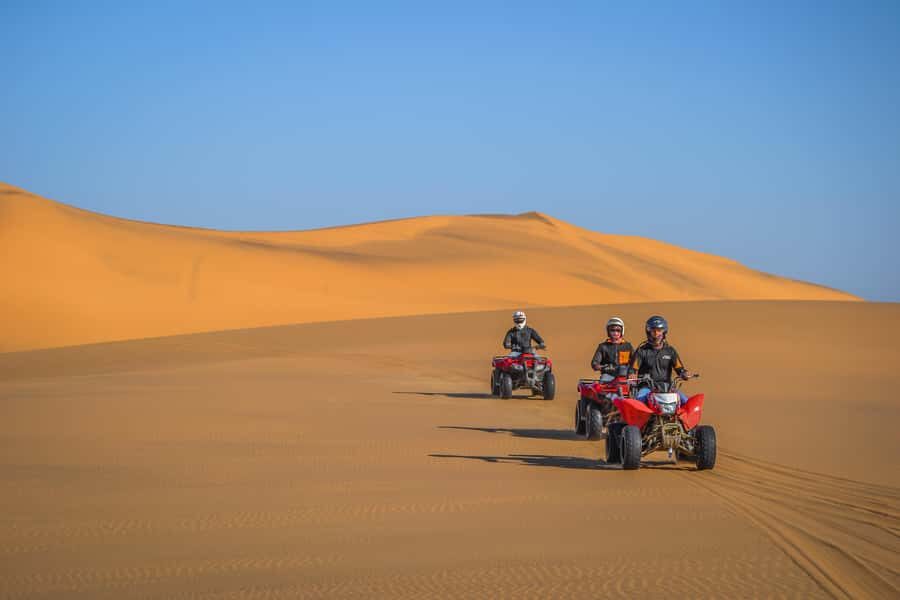
If you want one of the most classic Swakopmund adventures and you like the idea of a guided route that hits the big moments—Big Billy, Devil’s Dip, and Table Top—then yes, this is a strong booking.
I’d especially book it if:
- you want a structured dune ride with a guide who watches comfort and safety
- you like the idea of optional sandboarding but don’t need it to be perfect
- you want a day that ends with an easy reset at the pub
If you’re worried about pain or impact from sandboarding, you can still enjoy the quad portion fully. And if you’re nervous at the start, choose the longer option only if you’re comfortable taking it slow; otherwise, go for a shorter ride and keep your body fresh.
FAQ
FAQ
How long is the quad biking experience?
The duration is listed as 1 to 3 hours, depending on the option you choose. You can check starting times based on availability.
What’s included in the price?
Helmet is included. Food is not included.
Is pickup available in Swakopmund?
Pickup is optional. If you choose pickup, you wait in your accommodation reception area at least 30 minutes before the activity starts.
Are there age limits?
There is no age restriction listed. Children can ride if a legal guardian signs a liability form. If children cannot drive, they ride as a passenger with an adult.
What languages will the guide speak?
The live tour guide speaks English and Afrikaans.
Is it suitable for people with mobility impairments?
No. The activity is not suitable for people with mobility impairments.
Can I cancel for a refund?
Yes. Free cancellation is available up to 24 hours in advance for a full refund.
If you tell me your group ages, whether you want sandboarding, and what time of day you’re arriving in Swakopmund, I can help you pick the best duration option.