REVIEW · SWAKOPMUND
Half Day Swakopmund Cultural Historical Township Tour
Book on Viator →Operated by Explorer Cultural Township Tours in Swakopmund /WalvisBay · Bookable on Viator
Mondesa tells Namibia’s story in real time. On this half-day Swakopmund cultural and historical township tour, you walk through Mondesa and the Democratic Resettlement Community with a local guide, mixing everyday street life with clear context about Damara and Herero heritage. I especially love how it’s people-first, not scenery-first.
Two things I liked a lot: first, the traditional food tasting built into the day, including local dishes like mopane worms and locally brewed beer. Second, you get real help from your guide, including translations and explanations that make the place feel understandable fast (and even if you trip over a click sound, they’ll work with you).
The main drawback to keep in mind is simple: it’s only about 3 hours, so it moves at a brisk but friendly pace. You’ll leave with a strong picture, not a full textbook on every detail of township life and resettlement history.
In This Review
- Key Highlights You’ll Actually Feel
- Why Mondesa and the Democratic Resettlement Community Matter
- Pickup, Timing, and the Easy Start at 10:00
- Nande Junia’s Explorer Tours and the Local-Guide Advantage
- Walking Mondesa Streets: What to Expect on the Ground
- The Market-to-Community Feel You Might Catch Along the Route
- The Food Stop: Mopane Worms, Locally Brewed Beer, and Local Comfort
- How the History Pieces Fit Together Without Overcomplicating It
- Value Check: Is $51.29 a Good Deal for This Half-Day?
- Who This Tour Is Best For (and Who Might Skip)
- Should You Book the Half Day Cultural Historical Township Tour?
- FAQ
- How long is the Swakopmund Cultural Historical Township Tour?
- What time does the tour start?
- Where does the tour start and end?
- Is hotel pickup and drop-off included?
- Is the tour private?
- What’s included in the tour price?
- Is a ticket required?
- What kind of food will I try?
- What fitness level do I need?
- What happens if the weather is poor?
- Can I change or cancel after booking?
Key Highlights You’ll Actually Feel

- Hotel pickup and drop-off so you don’t burn time figuring out transport
- Walk Mondesa streets to see day-to-day life instead of staying inside a vehicle
- Traditional food tasting that includes local favorites like mopane worms
- Guides who connect the dots between culture, community, and history with translation help
- Two-course lunch or dinner plus bottled water, built into the tour flow
- A short route with big context that fits a half-day schedule without rushing you out the door
Why Mondesa and the Democratic Resettlement Community Matter

Swakopmund is often associated with ocean views and desert-adjacent adventures. But a big part of Namibia’s real story plays out in townships, where history, identity, and community networks are lived—not just explained.
This tour takes you into Mondesa and the Democratic Resettlement Community so you can connect names and timelines to actual people and everyday routines. The focus isn’t on shock value or tourist performance. It’s on understanding how communities formed, how cultures coexist, and how people keep traditions alive.
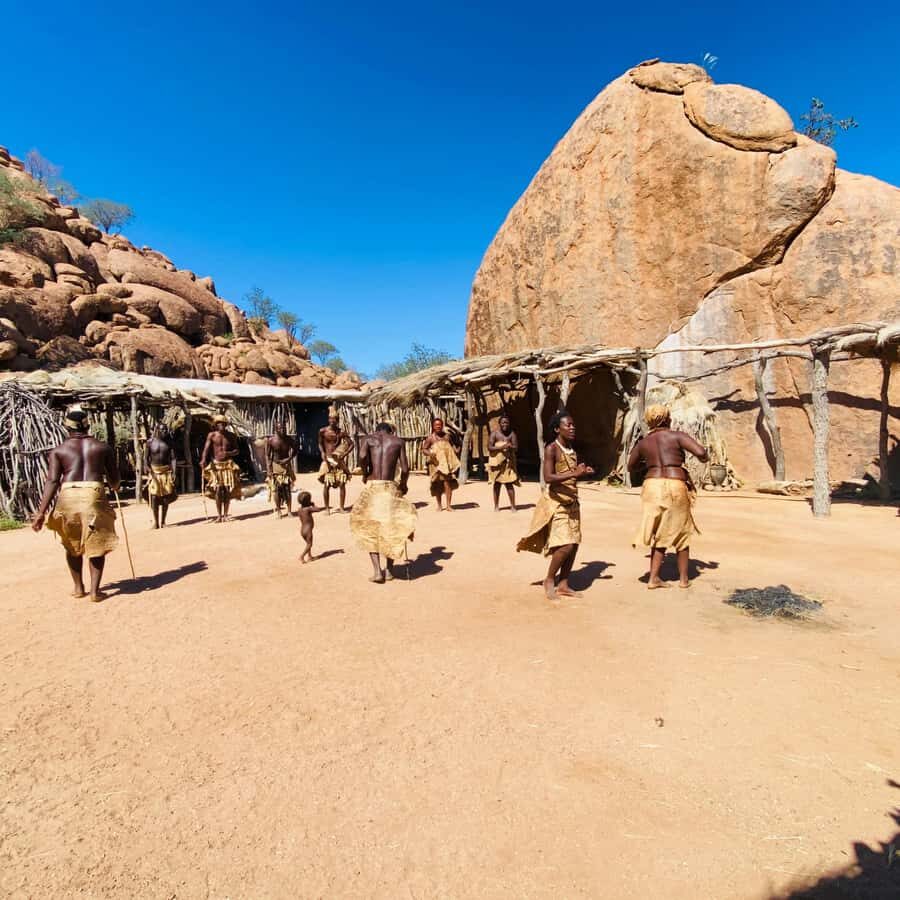
You’ll also get cultural grounding around Damara and Herero culture, plus the wider tribal context your guide shares for Namibia overall. It’s the kind of context that makes the rest of your trip easier, because once you understand the social history here, other conversations in Namibia click into place.
You can also read our reviews of more historical tours in Swakopmund

Pickup, Timing, and the Easy Start at 10:00

The experience is built to be straightforward. It starts at 10:00 am in Swakopmund and ends back at the meeting point, with hotel pickup and drop-off included. That matters because township tours work best when you’re not juggling street logistics.
It’s also about 3 hours total. That length is the sweet spot for many visitors: long enough to walk, meet people, and eat. Short enough that you can still enjoy the rest of your day in Swakopmund.
You’ll confirm booking details at the time of reservation, and you’ll get a mobile ticket. If you like to travel light (or you just hate printing stuff), that’s a plus.
One more practical note: the tour is rated for moderate physical fitness. You don’t need to be an athlete, but you should be ready for walking through town areas and spending a few hours on your feet.
Nande Junia’s Explorer Tours and the Local-Guide Advantage
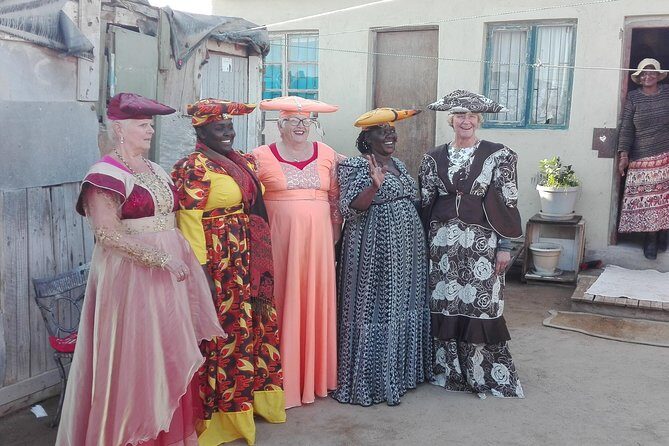
Tours like this rise or fall on one thing: your guide. This experience is guided, and the guide’s role goes beyond pointing things out. You’re there to learn, and your guide provides insight and translation help as you move around.
In the past, guides mentioned by name include Theo, Constance, and Nande. Even if you don’t get the same person, the pattern is clear: you should expect a guide who can explain history in a way that feels personal, not like a lecture. One of the best signs is when the guide can connect how Mondesa developed over time to what you’re seeing in front of you right then.
You’ll learn about different tribes in Namibia through the lens of what people are living with today. The tour description specifically references groups including Ovambo, Damara, Herero, and Ovahimba. That matters because it keeps the conversation from staying too general.
Also, you’ll be more than a passive observer. The tour is designed so you’ll be able to meet important members of the local community, and that turns “culture” into something you can actually talk to.
Walking Mondesa Streets: What to Expect on the Ground
The heart of this tour is walking. The description is clear about it: you have to walk the streets of Mondesa to really experience the warmth, friendliness, and humanity of township residents.
As you go, you’ll likely notice the everyday rhythm of the community: children playing nearby, side-of-the-street barbecues, and the normal social life that makes a place feel alive. Even the simple smells and sounds are part of the story here, because township life is not a museum.
There’s also a cultural learning component built into the walk. You’ll hear the guide share local expressions and language moments, including terms like Uuharapo and references to the click language. The tour also ties these language cues to the idea of Ubuntu, which you’ll hear explained in a way that connects people, community, and belonging.
One practical consideration: township walking can be uneven, so comfortable shoes really matter. If your plan is to wear fragile sandals or new stiff sneakers, swap them out. You want stable footing, not shoe drama.
The Market-to-Community Feel You Might Catch Along the Route

Some routes on this tour style include a stop at a local market, which can help you see everyday goods and how people shop and trade. If your schedule lines up with the route that includes it, you’ll get a more grounded view of daily life than you’d get from a purely “history stops only” approach.
If a market stop is on your route, it’s often where you can make your questions simple and real: What’s used for what? How do people organize their day? How do local sellers think about the community?
Even without a market stop, the walk still acts like a lived-in map. You’ll come away understanding how history shows up in normal routines.




The Food Stop: Mopane Worms, Locally Brewed Beer, and Local Comfort
This is one of the biggest reasons people love this tour. The day includes traditional food tasting and a two-course lunch or dinner. You’ll also have bottled water provided, which is practical when you’re out walking.
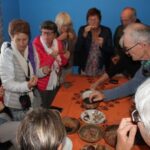
The tasting is where you move from “learning about culture” to tasting culture. The experience is designed around local favorites, including mopane worms and locally brewed beer. Even if you’re not a big adventurous-eater, this is a manageable way to try something local because it’s not a random eating challenge. It’s presented as part of how the community cooks, drinks, and shares food.
And yes, there’s a local restaurant and bar component built into the experience. That’s important because it shifts the setting from the street into the kind of social space where stories get traded, jokes get made, and people’s perspectives come forward faster.
A quick honesty note: if you have dietary restrictions, you’ll want to think through how comfortable you are with local foods that may include things you don’t usually eat. The tour data confirms traditional food tasting and a two-course meal are included, but it doesn’t list specific dietary options. Plan accordingly.
How the History Pieces Fit Together Without Overcomplicating It

The tour’s cultural and historical focus is practical. You’re not just collecting facts—you’re building mental models.
Your guide explains the history and development of Mondesa and the Democratic Resettlement Community over the years, and you’ll learn how both connect to the present. That’s a big difference between a tour that gives you names only and a tour that helps you understand why those names matter.
You’ll also get tribal context: not just listing groups, but talking about how different cultures live side-by-side in the township. The guide’s explanations and translation support keep this accessible, especially if you’re not familiar with Namibia’s background.
The best moments are usually the small ones: a language phrase tied to identity, a concept like Ubuntu explained through community behavior, or a short story that makes the “why” behind an area suddenly obvious. It’s the kind of learning that makes the whole trip feel more coherent.
Value Check: Is $51.29 a Good Deal for This Half-Day?
At $51.29 per person, this isn’t an impulse bargain, but it also isn’t overpriced for what you get. What makes it good value is that the tour bundles several costly pieces that travelers often pay separately:
- Guide time for about 3 hours
- Hotel pickup and drop-off
- Traditional food tasting
- A two-course lunch or dinner
- Bottled water
When a tour includes a proper meal and transportation, it often becomes cheaper than paying for those things on your own plus paying for a guide separately. The group cap is also set at a maximum of 100 people per booking, but it’s described as private for your group only, which is a meaningful quality upgrade if you prefer a less chaotic experience.
Booking is also fairly common here, with an average booking window around 23 days in advance. If you’re traveling in peak season, it’s smart to reserve early so you don’t end up with limited guide availability.
Who This Tour Is Best For (and Who Might Skip)
This tour is a strong match if you want:
- a local, people-focused experience in and around Swakopmund
- hands-on cultural learning, including food tasting
- a guide who can explain history and culture clearly with translation support
- a half-day plan that doesn’t steal your whole day
It’s also a good fit if you feel tired of the standard tourist circuit and want something that helps you understand how Namibians actually live and connect with each other.
Consider skipping or adjusting expectations if:
- you’re unwilling to walk and spend a few hours on your feet
- you don’t want to try traditional foods (the tour includes tasting and a full two-course meal)
- you want a deeper, multi-day study of history and culture (this is half-day paced, not a long seminar)
Should You Book the Half Day Cultural Historical Township Tour?
I’d book it if you’re the kind of traveler who likes real context with your vacation. This tour is built around street-level life, guided translations, and a meal that doesn’t feel like an add-on. The value is helped by pickup, a real two-course lunch or dinner, and the chance to learn phrases and concepts like Ubuntu in a practical way.
You should think twice only if you have strong food restrictions or you hate walking. Otherwise, it’s exactly the kind of half-day experience that makes a place feel human, not packaged.
If you want a Swakopmund day that goes beyond postcards and gets you talking to Namibia like a neighbor, this is the ticket.
FAQ
How long is the Swakopmund Cultural Historical Township Tour?
It runs for about 3 hours.
What time does the tour start?
The start time is 10:00 am.
Where does the tour start and end?
It starts in Swakopmund (meeting point in Swakopmund) and ends back at the same meeting point.
Is hotel pickup and drop-off included?
Yes, hotel pickup and drop-off are included.
Is the tour private?
Yes. It’s described as private, with only your group participating.
What’s included in the tour price?
The tour includes a guide, hotel pickup and drop-off, traditional food tasting, a two-course lunch or dinner, lunch, and bottled water.
Is a ticket required?
A mobile ticket is included.
What kind of food will I try?
The experience includes traditional food tasting, with local items such as mopane worms, and a two-course lunch or dinner.
What fitness level do I need?
You should have a moderate physical fitness level.
What happens if the weather is poor?
The experience requires good weather. If it’s canceled due to poor weather, you’ll be offered a different date or a full refund.
Can I change or cancel after booking?
No. It’s non-refundable and cannot be changed for any reason.