REVIEW · WINDHOEK
7 Day Taste of Namibia Lodging Safari
Book on Viator →Operated by Chameleon Safaris · Bookable on Viator
Namibia hits hard in seven days. I love how this tour mixes real-world wildlife care at N/a’an ku se with top-tier Etosha game viewing in a tight week. It’s a strong sampler of Namibia, built for people who want big sights without having to plan every turn.
I also like the small-group setup and the way your driver-guide stays sharp on timing, especially for sunrise gates in Etosha. A good example from previous groups: guides like Chilo and Greg are praised for being calm, attentive, and on top of logistics. The main drawback is simple: it’s fast-paced, with long driving days and early starts that assume you’re okay staying on the move.
In This Review
- Key things you should know before you go
- Why this Taste of Namibia runs like a highlights show (with substance)
- N/a’an ku se: conservation you can see up close
- Etosha National Park: sunrise game drives in a water-scarce world
- Etosha Pan and the real rhythm of predator-and-prey viewing
- Damaraland on the road to the Skeleton Coast region
- Tropic of Capricorn and Namib gravel plains: passes, canyons, and time on the move
- Sesriem at sunrise: Sossusvlei dunes and the science of early light
- Solitaire cheetahs and the apple pie moment that ties it together
- Price and logistics: does the package feel worth it?
- The day-to-day feel: guides, groups, and staying comfortable on long drives
- Should you book this Taste of Namibia Safari?
- FAQ
- How long is the tour and how many nights are included?
- What kind of rooms are included?
- Are meals included?
- Is pickup available in Windhoek?
- Are park entry fees included?
- How big is the group?
Key things you should know before you go
- N/a’an ku se carnivore feeding: you see how rehab work is done, and you’ll hear why some animals can’t be re-released.
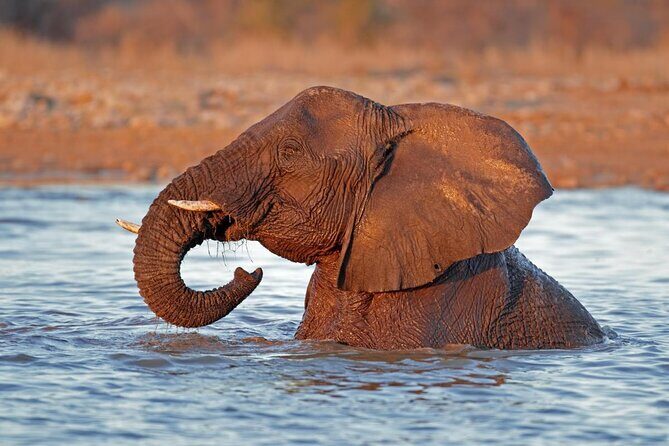
- Etosha at sunrise: you’re aiming for productive early viewing when big cats often move after hunts.
- Damaraland and Brandberg region culture: you travel through gravel stretches and meet local communities in traditional dress.
- Sesriem/Sossusvlei early-morning dunes: pre-dawn starts are part of the plan for the best light.
- Solitaire cheetah conservation: you visit a local project where cheetahs can’t go back to the wild.
- Max 10 travelers: smaller groups help keep the ride personal even when the days are packed.
Why this Taste of Namibia runs like a highlights show (with substance)
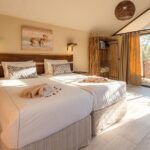
This is a one-week, 7-day taste built around Namibia’s most famous contrasts: hands-on conservation, big-game safaris, and the country’s desert drama. You start in Windhoek and spend six nights in twin-share rooms with en-suite bathrooms, moving via an air-conditioned vehicle with a professional English-speaking guide. For many first-timers, that combo matters. Namibia is vast, and having someone else manage the pacing, routing, and park entry friction is a big part of the value.
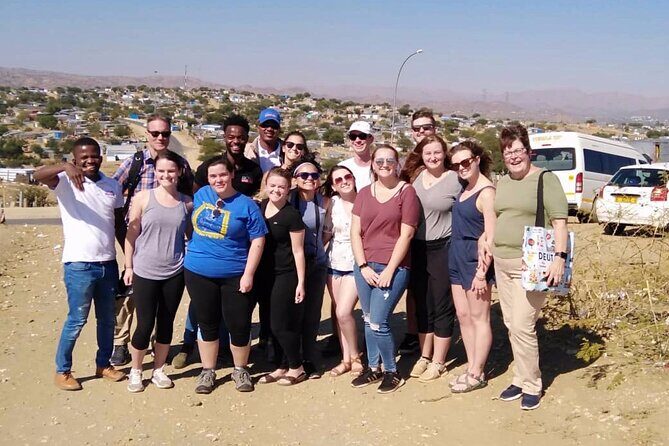
You’ll be in a group capped at 10 people, which helps. You’re not stuck shoulder-to-shoulder, and you can actually hear your guide’s explanations when you stop for wildlife or scenery. You also get pickup within Windhoek city limits (and return airport transfers are included), which reduces the awkward, stressful parts of arriving in a new place.
The pacing is the trade-off. This route is designed to cover major regions, so you should expect long days in the vehicle. If you like slow travel and lots of downtime, this one may feel like a sprint.
A few more Windhoek tours and experiences worth a look

N/a’an ku se: conservation you can see up close
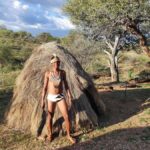
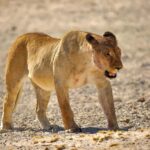
Your first big stop is N/a’an ku se Wildlife Sanctuary, about 50 km east of Windhoek. This isn’t a distant exhibit. It’s a rehabilitation sanctuary focused on sick, injured, and orphaned animals, with the goal (when possible) of reintroducing them into the wild. The tour also makes room for the hard reality: some animals can’t fend for themselves again, so they live out a permanent “early retirement” life at the sanctuary.
What I like about this stop is that it gives you context before you chase predators and prey in Etosha. You’ll see why wildlife conservation isn’t just about spotting animals. It’s about recovery, long-term care, and decisions that are sometimes painful but necessary.
There’s also a carnivore feeding activity included at N/a’an ku se, plus an admission ticket is part of the package. That feeding moment can be a high point because it shows day-to-day sanctuary operations rather than just a walk-through. Still, keep expectations grounded: sanctuary work prioritizes animal welfare, not big safari spectacle.
Etosha National Park: sunrise game drives in a water-scarce world
Etosha National Park is where the tour really earns its name. After a 07:00 pickup from your Windhoek accommodation within city limits, you transfer to Chameleon Safaris headquarters for a short pre-departure meeting. You’ll then head north, with a quick stop in Otjiwarongo to gather last-minute supplies and a light lunch packed for the road while you continue toward Etosha.
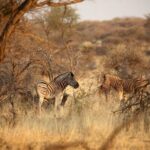
Once you’re inside the park, you’ll do game drives from your overnight base at Halali Camp. Daytime driving in Etosha can still be productive, but the plan leans heavily into early. The gates open at sunrise, and the tour aims to be underway right as the sun breaks the horizon. In practice, that timing matters because animals are more active when temperatures are cooler and water becomes the center of the action.
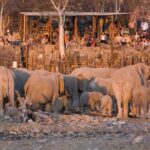
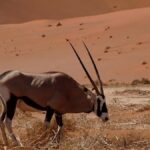
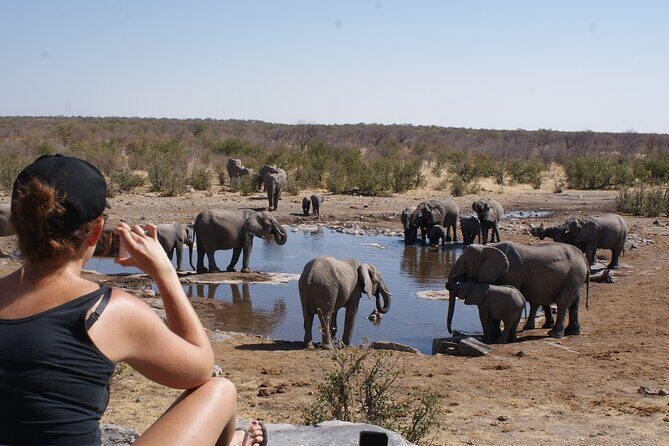
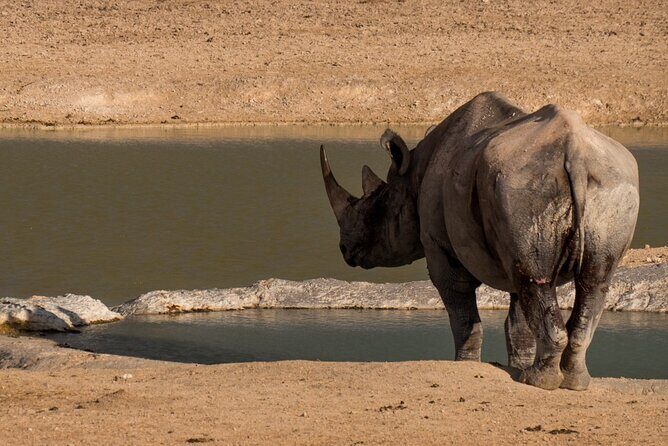
A key clue in Etosha is the park’s desert feel: water is scarce. That shapes everything you see. You’ll often spot animals drawn toward the limited water sources, and you’ll understand faster why prey matters as much as predators here. This isn’t just about spotting a single “icon” animal. It’s about reading the ecosystem’s rules.
Etosha Pan and the real rhythm of predator-and-prey viewing
You get a full day to explore Etosha with the emphasis on maximizing wildlife opportunities. The tour’s structure is practical: return to Halali for breakfast, load up the vehicle, and head back out again once you’re refreshed. That matters because a long game drive is more comfortable (and safer) when you aren’t trying to power through on empty.
The goal is to catch the moments when hunting and movement are most likely. The guidance is straightforward: big cats returning from a hunt are often something you might catch early in the day. If you love animal behavior, this kind of schedule gives you enough time in both early morning and later game-drive hours to notice patterns.
One consideration: Etosha can be visually intense but emotionally draining if you’re hoping for constant action. Some drives are “watching drives,” not “chasing drives.” You’ll spend time scanning, and sometimes the best outcome is being there when the right movement finally happens.
Damaraland on the road to the Skeleton Coast region
After breakfast, you aim to be on the road by 07:30 toward the Skeleton Coast area, taking the scenic route. You pass through Outjo and then move into Damaraland, shifting from main roads to gravel. This is where the tour changes gears from pure wildlife focus to scenery, geology, and culture.
Damaraland is described as a big-sky experience, and it’s easy to understand why once you’re looking at towering pink granite koppies that seem to touch the horizon. The tour also connects the region to Namibia’s highest mountain, The Brandberg, which becomes a backdrop for cultural encounters along the way.
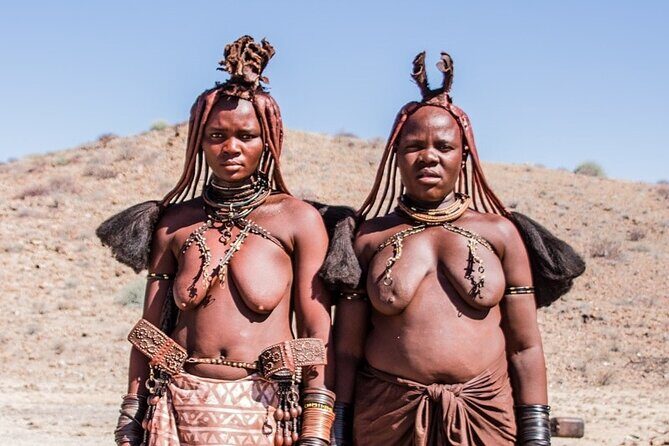
You may meet locals such as Himba, Herero, and Damara communities, often in traditional dress, with roadside stalls that offer a pause from the vehicle. I like this part because it keeps the trip from feeling like you’re only consuming nature. You’re seeing how people live near and interact with these landscapes.
The drawback here is road reality. Gravel roads and long hours happen, and the tour expects moderate physical fitness. That doesn’t mean it’s a hiking trip, but it does mean you should be comfortable with uneven roads and sustained time sitting.
A few more Windhoek tours and experiences worth a look
Tropic of Capricorn and Namib gravel plains: passes, canyons, and time on the move
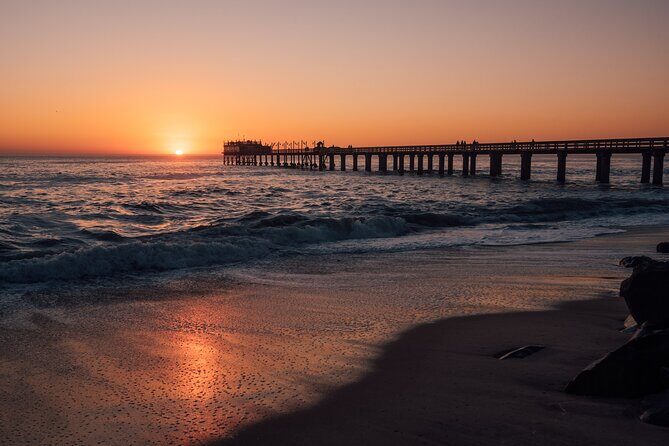
As you depart the Swakopmund area in the mid-morning, the day leans into classic desert driving. You cross Namib gravel plains, with flat stretches broken by mountain inselbergs. Then you tackle two mountain passes in the afternoon, with the first being Kuiseb Pass.
Kuiseb Pass is where the scenery starts moving fast: you follow the road from the top and drop steeply down into a canyon carved over eons by the Kuiseb River on its way to Walvis Bay. It’s exactly the kind of “drive-and-look” moment that makes Namibia feel larger than its map.
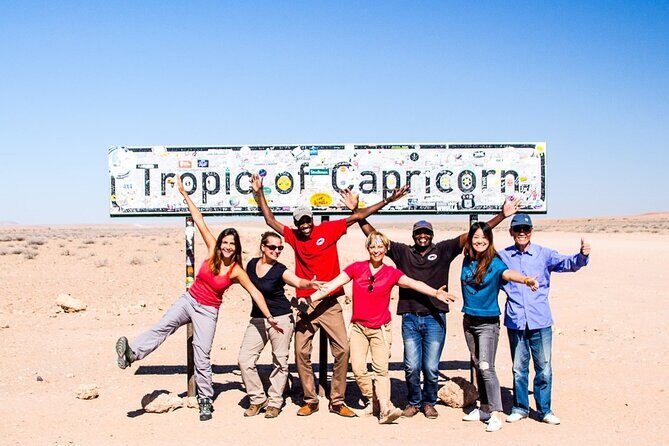
There’s also a stop at the Tropic of Capricorn Sign, with an included admission ticket. It’s a short, easy stop, but it works as a marker in the day—something you can point to and say you were here when the trip started sliding into dunes and desert light.
Sesriem at sunrise: Sossusvlei dunes and the science of early light
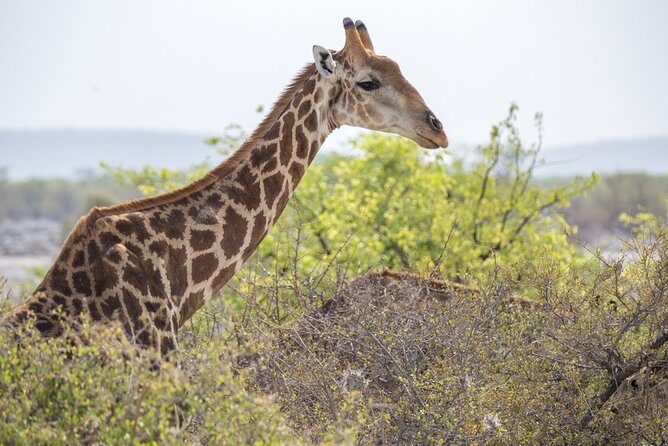
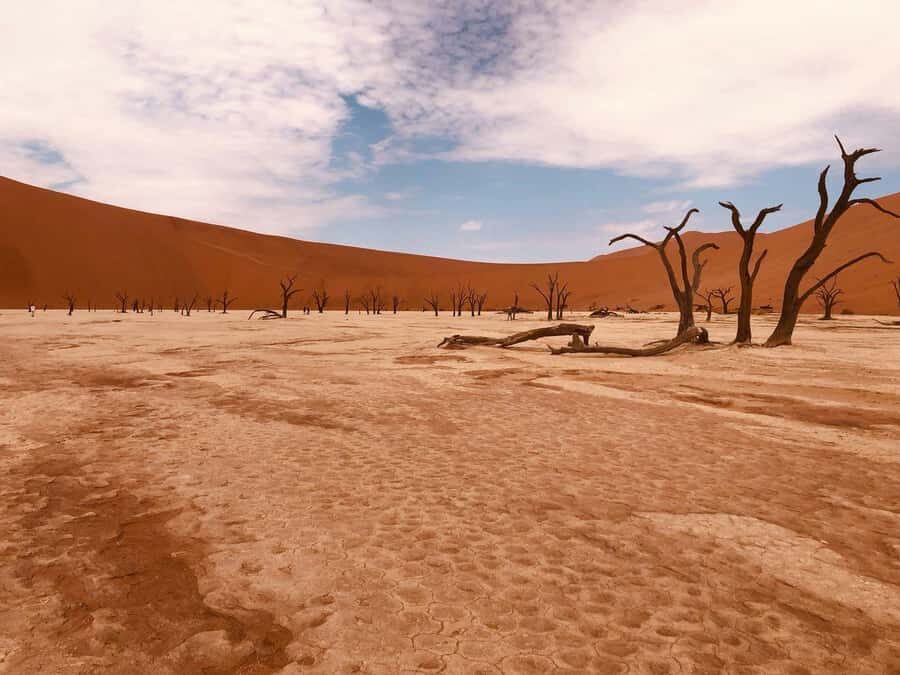
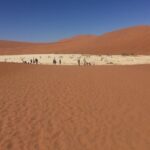
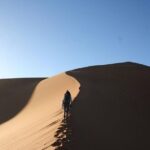
This is the pre-dawn day. You’ll rise for sunrise in the dunes and that means a very early breakfast. If you’re the type who cares about how photos look, this is one of the most important parts of the entire trip because the tour is timed around color changes: glowing orange and apricot-red light on one side, with long shadows on the other.
The Sossusvlei piece is included as an excursion with a 4×4 shuttle. The tour route includes Sesriem as the staging area, and the itinerary is clearly designed to get you into position before the best light disappears. This is also a day where you’ll feel the balance between spectacle and logistics. You’re up early, you’re moving early, and then you get the pay-off.
One practical consideration: mornings can feel cold before the sun fully climbs, especially when you’re moving between vehicles and waiting for light. Bring layers and expect the schedule to be tight.
Solitaire cheetahs and the apple pie moment that ties it together
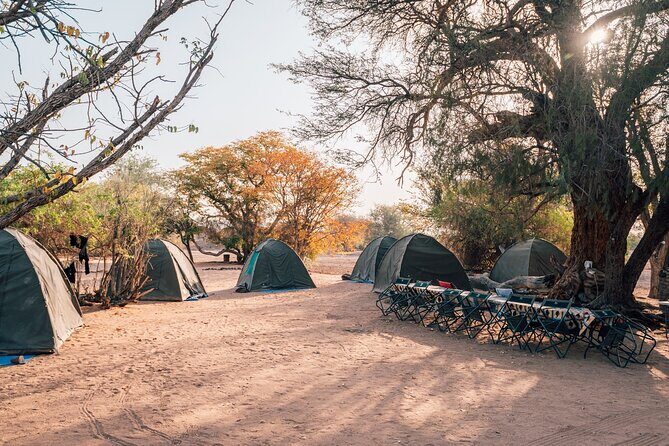
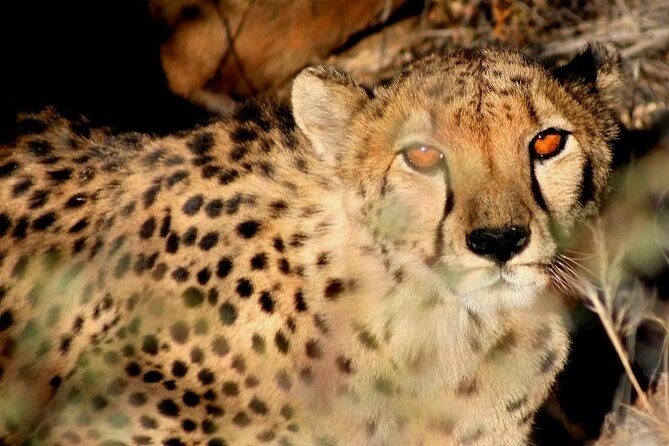
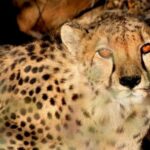
Your last day brings you to Solitaire. You join an open vehicle visit to a local conservation project focused on cheetah. The reason this works as a closing chapter is that it mirrors what you saw earlier at N/a’an ku se: some animals can’t be released back into the wild for different reasons, and conservation programs provide a safe home and care.
In this case, you learn about the cheetah and the work of the local project. You can also get some incredible photo opportunities of the world’s fastest land mammal, which is exactly the kind of final-day memory people like to take home.
Then you sample the apple pie that Solitaire is famous for. It’s a small thing compared to predators and dunes, but it’s a classic travel rhythm: a human-made comfort food finish after a week of big, natural scale.
Price and logistics: does the package feel worth it?
At $2,543.82 per person for a 7-day, 6-night trip, you’re paying for three things that add up quickly if you DIY in Namibia: guided logistics, park fees, and carefully timed access.
Included with the tour are national park entry fees for two days in Etosha and one day for Sossusvlei. You also get accommodation in twin-share en-suite rooms, meals across the trip (six breakfasts, four lunches, three dinners), an air-conditioned vehicle, a professional English-speaking guide, and activities at both N/a’an ku se (including carnivore feeding) and Solitaire (cheetah project). Return airport transfers are included too.
That’s why the price can make sense. Namibia isn’t hard because you can’t travel there. It’s hard because doing it efficiently costs time. This package turns that time cost into money, and for many people, that’s a fair trade.
Where you should be careful is in expectations: this is not a “sit and relax” week. You’ll spend significant time driving, and you’ll be up for sunrise and pre-dawn viewing. If you’re okay with that, you’ll probably feel like you got a lot of Namibia per day.
Also note what’s not included: personal travel insurance, optional activities, snacks between meals, tips, and water. Since water isn’t included, you’ll want to plan for it, especially because Etosha is water-scarce as a park reality.
The day-to-day feel: guides, groups, and staying comfortable on long drives
One of the most praised parts of this tour is the guide experience. Names that came up in past groups include Chilo, Greg, Kennedy, Gideon, and Tulimo. The common thread is attention and calm problem-solving. People liked that the guides gave clear direction, kept the schedule moving, and made the group feel cared for.
That matters on a route like this because the days include early pickups, gate timing, gravel roads, and changing scenery fast. A good driver-guide is what makes it feel smooth instead of chaotic.
Comfort-wise, you’re in an air-conditioned vehicle, which helps during warmer driving stretches. Lodges are described as excellent by past guests, and at least some accommodations include pools, which is a nice way to reset after a long day outside.
Packing advice based on the nature of the trip is simple:
- bring layers for early mornings
- plan for sun and dust
- use comfortable shoes for quick walking around stops
- don’t forget water and small snacks for between-meal gaps
Should you book this Taste of Namibia Safari?
Book it if you want a week-long sampler that hits conservation, Etosha wildlife, and Namib desert scenery without needing to juggle a dozen separate bookings. It’s also a strong fit if you like sunrise-focused travel, small groups (max 10), and guides who keep things organized.
Skip it or consider a slower alternative if you dislike early mornings, don’t like long vehicle days, or want deeper time in fewer regions. The tour’s strength is that it’s a fast, efficient route. The same trait can feel like pressure if you’re the kind of traveler who plans for long afternoons.
If your goal is to see major Namibia highlights with reliable structure and a conservation-centered lens, this one is a solid choice.
FAQ
How long is the tour and how many nights are included?
It runs for 7 days and includes 6 nights of accommodation.
What kind of rooms are included?
You get twin-share rooms with en-suite bathrooms.
Are meals included?
Yes. Breakfast is included 6 times, lunch 4 times, and dinner 3 times.
Is pickup available in Windhoek?
Yes. Pickup is offered within Windhoek city limits, and return airport transfers are included.
Are park entry fees included?
Yes. National park entry fees are included for 2 days in Etosha and 1 day for Sossusvlei.
How big is the group?
The tour has a maximum of 10 travelers.