REVIEW · WINDHOEK
Katutura – Classic Township Experience
Book on Viator →Operated by Anchor Adventures Namibia · Bookable on Viator
Katutura shows Windhoek’s other side fast. In this private Katutura township experience, I love the Pioniers Park stop for the apartheid-era relocation context, and I love the Oshetu Market walk for the street food snacks and real conversations. It’s a 3 to 4 hour outing in Windhoek that mixes history with day-to-day life, guided by locals from Anchor Adventures Namibia.
One thing to keep in mind: this is not a neat, postcard sightseeing loop. You’ll be moving through a working township, so expect basic infrastructure, some rough moments, and topics that deserve a calm, respectful attitude.
In This Review
- Key highlights that make this tour worth your time
- The Windhoek you usually miss: why Katutura matters
- Starting near Christuskirche, then heading out by taxi
- Pioniers Park: where the earlier settlement story begins
- Passing the Old Location: learning without pretending it’s simple
- Wanaheda and the grassroots project stop
- Oshetu Market in Single Quarters: street food and a guided stroll
- Private and local: why the guide quality shapes the whole day
- Price and value: what you get for $40.65
- Timing, weather, and comfort in a working neighborhood
- Who should book this Katutura township experience?
- Should you book Katutura: Classic Township Experience?
- FAQ
- How long is the Katutura Classic Township Experience?
- Where does the tour start and end?
- Is pickup offered?
- Is this a private tour?
- What is the price per person?
- What’s included in the tour price?
- Is alcohol included?
- Do you visit Oshetu Market?
- Do the stops require paid admission?
- What happens if the weather is bad?
Key highlights that make this tour worth your time

- Pioniers Park to Old Location context: you’ll pass the earlier settlement sites connected to forced apartheid relocation
- Wanaheda as a living neighborhood: you get a drive through different areas plus a visit to a grassroots social project
- Oshetu Market in Single Quarters: street food snacks and a guided stroll through local streets
- Private format with local guides: only your group, with room to ask questions and set your pace
- Practical inclusions: snacks and bottled water are included, and admission tickets for stops are listed as free
The Windhoek you usually miss: why Katutura matters
If your Windhoek plan is mostly museums and viewpoints, this tour gives you the other half of the story. Katutura is known in part for the history behind the name, often described as the place no one wants to live. That line hits harder once you see how the city was shaped by apartheid-era segregation and forced movement.
I like that this experience doesn’t treat the township as a “look at this” side attraction. You’re taken through specific places tied to relocation—starting with the earlier settlement sites—and then continuing into today’s neighborhoods. It’s a clear line between past policy and present challenges, told in a human way, not in a lecture.
The best part for me is how the day is structured around lived experience: where people go, what they eat, and what community projects are trying to change. That matters because it makes your questions sharper. You’re not asking only why something happened decades ago. You’re also asking what people are doing now.
You can also read our reviews of more tours and experiences in Windhoek.

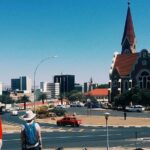

Starting near Christuskirche, then heading out by taxi
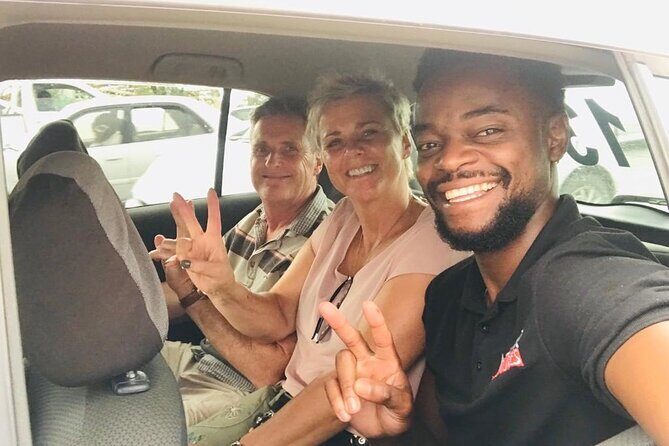
Your guide meets you at the Christuskirche area on Robert Mugabe Avenue, and then you get moving by taxi. One of the nice practical touches is that pickup is offered, which helps if you don’t want to scramble for transport before a half-day plan.
Once you’re in the car, the timing stays friendly. The first drive is short, and the tour keeps a steady rhythm. You’re not stuck waiting around. You’re also not rushed from one dramatic photo spot to the next, because this day is about understanding how the city’s layout connects neighborhoods to history.
If you’re the type who likes to get oriented fast, you’ll appreciate this approach. You get bearings on the map and then you learn what you’re looking at as you go.
Pioniers Park: where the earlier settlement story begins
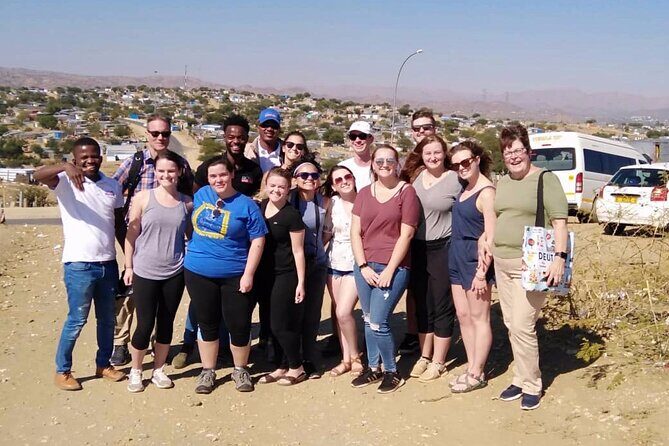
The tour starts with a stop at Pioniers Park, described as the previous settlement site of pioneers. You’ll spend about 20 minutes there, and the admission ticket is listed as free.
This is where the story turns from a name to a place. You’re not just told that apartheid-era policies separated people. You’re shown where a community once lived, and then you’re shown how relocation reshaped Windhoek’s geography.
What I like here is the balance. Even though this is history on the ground, the tour doesn’t freeze time. It sets up the next sections—Old Location, then the newer settlement areas—so your understanding grows step by step.
Possible drawback: if you expect a lot of museum-style explanation with big displays, you might find this stop more observational than “interactive.” Still, it’s a strong starting anchor.
Passing the Old Location: learning without pretending it’s simple
As you continue, the route includes a drive past the Old Location. This was a settlement for the segregated population during apartheid in Namibia. The tour notes that people were forced to relocate north of the city.
This is one of those moments where being “shown” is almost more powerful than being “told.” You’ll get the sense of how decisions made by authorities created long-term housing and movement patterns that can still be felt in a city’s layout.
I also appreciate that the tour keeps this section relatively short. It gives you the context you need without turning the whole afternoon into a history marathon.
Wanaheda and the grassroots project stop
Next comes Wanaheda, described as the new settlement area commonly associated with Katutura. The tour emphasizes that you’ll drive through different parts of the township to experience variety in culture and development, then you’ll visit a grassroots social project for about an hour.
This is where the day becomes more than a “where things happened” lesson. You’re seeing how community networks function in real time. And because the visit is to a grassroots project, the focus is on what people are doing locally—solutions that come from within the neighborhood rather than programs dropped in from far away.
A practical note: a project visit can mean a mix of conversation, observation, and questions from your group. If you want to get the most out of it, bring curiosity rather than a checklist. Simple questions tend to land best: what the project does, how people participate, and what support actually helps.

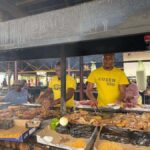

Oshetu Market in Single Quarters: street food and a guided stroll
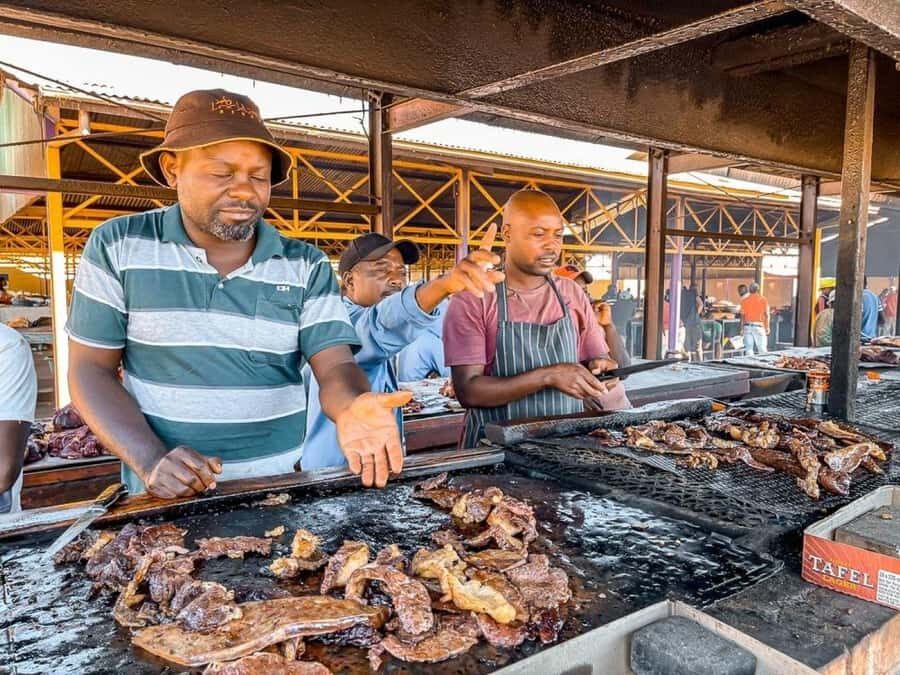
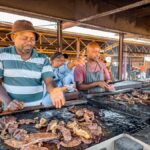
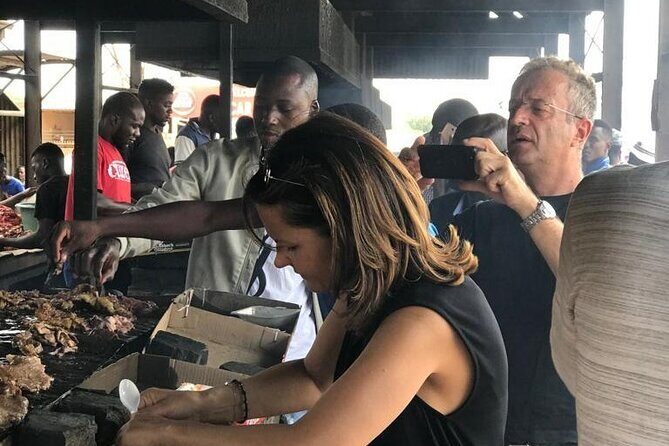
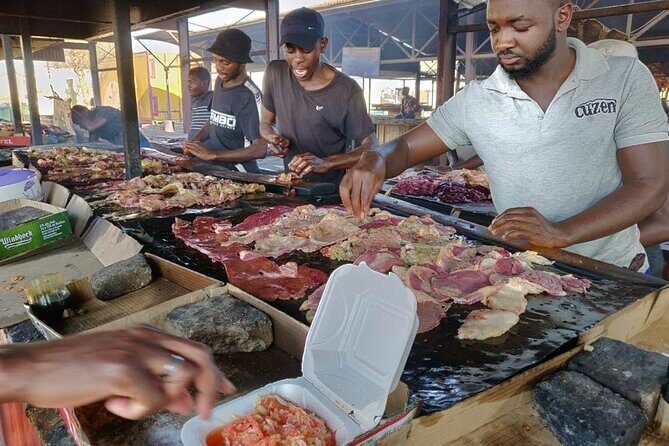
The tour finishes with a visit to Oshetu Market in Single Quarters, also for about an hour. This is the stop built for sensory understanding—walking streets with local guides and sampling local food options.
Street food is part of the point here. The tour includes snacks, and you can try from a variety of street food options. Bottled water is also included. Alcoholic beverages aren’t included, so plan your day with that in mind if you’re thinking of pairing food with drinks.
What I find valuable about ending at the market is that it turns learning into something you can taste and see. You’re not only receiving information; you’re watching everyday commerce and social rhythms. Markets are where people gather for practical needs, yes—but they’re also places where culture shows up in small decisions: what’s being prepared, what’s selling, how people interact while they eat.
If you have dietary restrictions, you’ll want to be ready to ask direct questions at the food stalls. The tour encourages trying options, so a little flexibility helps.
Private and local: why the guide quality shapes the whole day
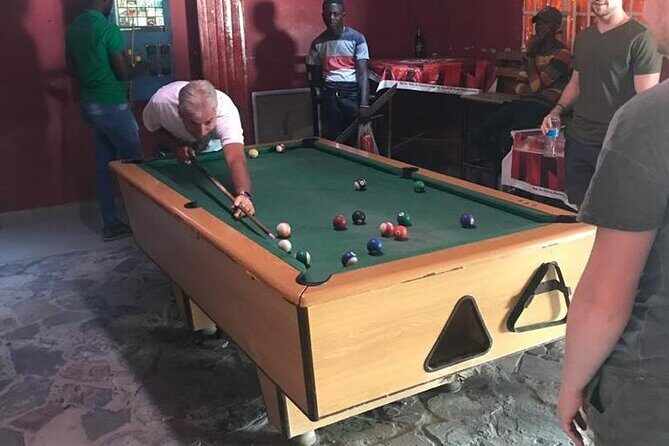
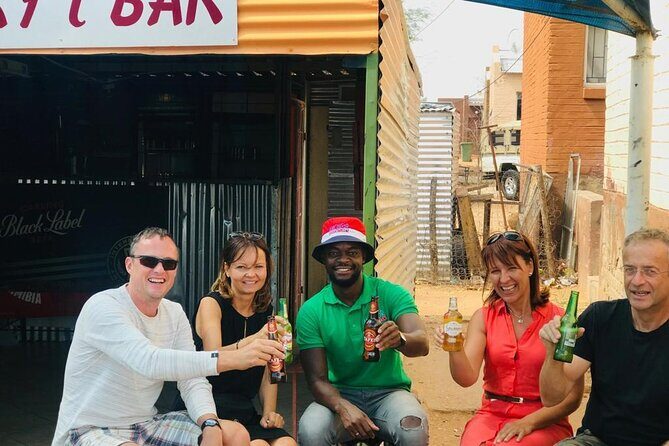
This is a private tour, so it’s just your group. That matters in a township setting where context and conversation can’t be rushed. You’re more likely to get direct answers and you have more control over how long you pause or ask questions.
From the guiding team associated with Anchor Adventures Namibia—often including names like Linda and Andrew—the consistent theme is a confident mix of history and neighborhood life. One thing I like about this format is that it doesn’t separate “important facts” from “normal life.” It treats them as connected, which is exactly what you need if you want more than a surface-level impression.
Language and pacing also seem to be a strength. In past experiences described, there’s praise for friendly hosting and the ability to handle questions. That’s useful because township tours work best when you feel comfortable asking the things you’re genuinely curious about.
Price and value: what you get for $40.65

At $40.65 per person, this tour sits in a price range that can make a real difference for how you spend a short stay in Windhoek. For that cost, you get private transportation, snacks, and bottled water, plus free admission tickets are listed for the stops.
Here’s the value logic: you’re not just paying for transport. You’re paying for access—local guidance in places many visitors pass by without understanding. In a private format, the guide can respond to your questions instead of sticking to a scripted group explanation.
One more value point: the tour length is listed as about 3 to 4 hours. That’s long enough to feel like a real experience, but short enough that it won’t wreck your schedule if you still want to do other Windhoek highlights afterward.
If you’re traveling with a small group and want something that feels more personal than a big bus ride, this price can make sense fast.
Timing, weather, and comfort in a working neighborhood
The experience requires good weather, and if it’s canceled due to poor weather you’ll be offered another date or a refund. That’s not a detail to ignore. Windhoek can change quickly, and walking through market streets and around township areas is easier when conditions cooperate.
Also, this is a half-day plan in a neighborhood environment. Even if the route is planned and guided, you should expect everyday realities: basic facilities, some distance on foot, and a style of touring that’s more about people and places than polished infrastructure.
My practical advice:
- Wear comfortable shoes. You’ll be walking in streets and around the market area.
- Bring sun protection if you go on a clear day. Market time is about seeing and eating, not sitting inside.
- Keep your phone charged, but remember the day’s about understanding and interaction. Take photos when appropriate.
Who should book this Katutura township experience?
This tour fits best if you want:
- A structured way to understand apartheid-era relocation and how it shaped Windhoek
- A chance to see township life beyond headlines, with a local guide handling context
- Food time that’s practical and included, not an awkward last-minute hunt
It may not be the best choice if you mainly want classic sightseeing from a distance—big monuments, scenic overlooks, and minimal interaction. This is a conversation-first day, and that style takes the right mindset.
Should you book Katutura: Classic Township Experience?
I’d book it if you’re in Windhoek for a short visit and want your time to mean something. The combination of Pioniers Park, the Old Location relocation context, a stop in Wanaheda with a grassroots project, and a final hour at Oshetu Market gives you a complete arc: past → place → people → present.
Choose it if you appreciate local guidance, want included food snacks, and are ready to be respectful and curious. If you’re sensitive to heavy topics, just go in with a calm attitude and accept that the story is connected to real life.
FAQ
How long is the Katutura Classic Township Experience?
The tour lasts about 3 to 4 hours.
Where does the tour start and end?
The tour starts near Christuskirche on Robert Mugabe Avenue in Windhoek, and it ends back at the meeting point.
Is pickup offered?
Yes, pickup is offered.
Is this a private tour?
Yes. It’s a private tour/activity, so only your group participates.
What is the price per person?
The price is $40.65 per person.
What’s included in the tour price?
Included are private transportation, snacks you can try from a variety of street food options, and bottled water.
Is alcohol included?
No, alcoholic beverages are not included.
Do you visit Oshetu Market?
Yes. The final stop includes a visit to Oshetu Market in Single Quarters.
Do the stops require paid admission?
The provided stop details list admission tickets as free at Pioniers Park, Old Location drive-past area, Wanaheda, and Oshetu Market.
What happens if the weather is bad?
The experience requires good weather. If it’s canceled due to poor weather, you’ll be offered a different date or a full refund.