REVIEW · WINDHOEK
7 Day Northern Namibia and Skeleton Coast Camping Safari
Book on Viator →Operated by Chameleon Safaris · Bookable on Viator
Chasing rhinos, seals, and culture in one week. This 7-day northern Namibia trip strings together Etosha National Park waterhole drives, the Himba experience, and Skeleton Coast camping with a Cape Cross seal stop. It’s a busy route, but the pacing gives you real wildlife time, not just quick photo stops.
What I like most is the way the itinerary focuses on outcomes: you get multiple chances for predator viewing by planning around the light (including sunrise and evening waterhole activity). I also like the human scale of the tour, capped at 12 travelers, with a guide-driver team that handles camp setup and meals so you can stay present.
The main consideration is the camping style. You’ll sleep in camps on most nights, and a sleeping bag is not included, so plan on packing for cool desert nights and bringing the right gear.
In This Review
- Key Highlights You’ll Actually Care About
- Northern Namibia In 7 Days: Good Mixing, Real Time
- Windhoek Start: Markets, Rhino Work, and a Sunset Drive
- Etosha National Park: Sunrise, Waterholes, and That Floodlit Night
- Okaukuejo and Halali Pace: Camping Comfort With a Wildlife Schedule
- Himba Culture at Otjikandero: A Guided Visit, Not a Spectacle
- Mount Etjo and Rhino-Trust Context: Why It Matters Before Etosha
- Skeleton Coast Camping: Cape Cross Seals and the Zeila Shipwreck
- Swakopmund Free Time: Adventure Options and a Good Dinner Reset
- Getting There and Getting Around: Pop-Top Safari Vehicle and Small Group Feel
- What’s Included: Meals, Camping Gear, and the Stuff You Must Bring
- Price and Value: How $1,846.99 Stacks Up for This Route
- Should You Book This Northern Namibia Camping Safari?
- FAQ
- FAQ
- What time does the tour start?
- Where is the meeting point?
- Is pickup included?
- Does the tour include a sleeping bag?
- What camping support do I get?
- Are meals included?
- Do I get wildlife time in Etosha National Park?
- Is there a Himba cultural visit?
- What will I see at Cape Cross?
- Is it refundable if I cancel?
- How big is the group?
Key Highlights You’ll Actually Care About
- Etosha’s waterhole rhythm: sunrise drives, daytime camp breaks, and the chance to see wildlife at a floodlit waterhole after dark.
- Rhino conservation at Mount Etjo: learn how black and white rhinos are supported, then hunt for them on reserve drives.
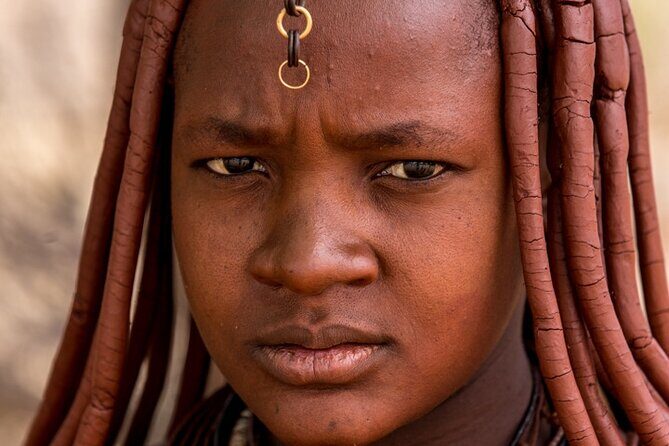
- Otjikandero Himba Orphan Village: a guided cultural visit designed to share daily life and exchange with your own culture.
- Cape Cross Seal Reserve: one of the planet’s biggest Cape fur seal breeding areas, with serious sights and smells.
- Skeleton Coast add-ons that feel real: Zeila Shipwreck viewing and the harsh, foggy coastline atmosphere.
- Swakopmund on your terms: you get time in a town that’s built for optional adrenaline.
Northern Namibia In 7 Days: Good Mixing, Real Time
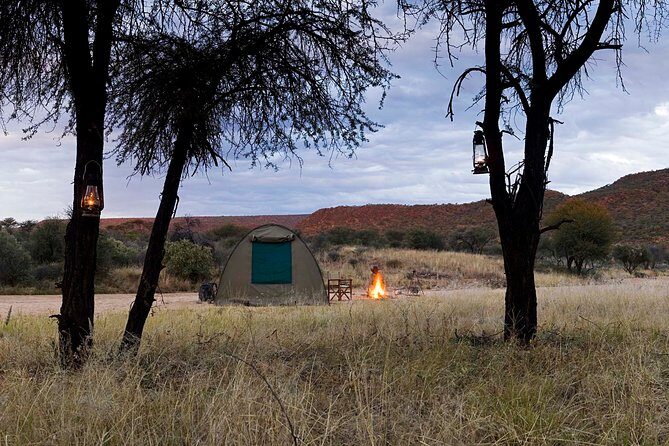
This tour hits three different Namibia “moods” in one week: wildlife focus (Etosha and nearby reserves), culture (the Himba village visit), and coastline starkness (Skeleton Coast and Cape Cross). The value is in the variety, but the secret is how often you’re moving between “stay in place and watch” moments rather than pure driving.
You start the trip near Windhoek with a short planning session and local stops, then you work north toward Etosha. Once you’re in the park, the days are built around animal behavior: predators are most active early, herbivores cluster at water, and nights bring a different set of sightings. That structure matters because Etosha is big, and random driving wastes daylight.
The tour also keeps the experience hands-on. You’re camping, eating camp-style meals cooked by your guide over an open fire, and getting guided interpretation rather than just being dropped at gates. That’s why this week feels like a safari, not a checklist.
A few more Windhoek tours and experiences worth a look
Windhoek Start: Markets, Rhino Work, and a Sunset Drive
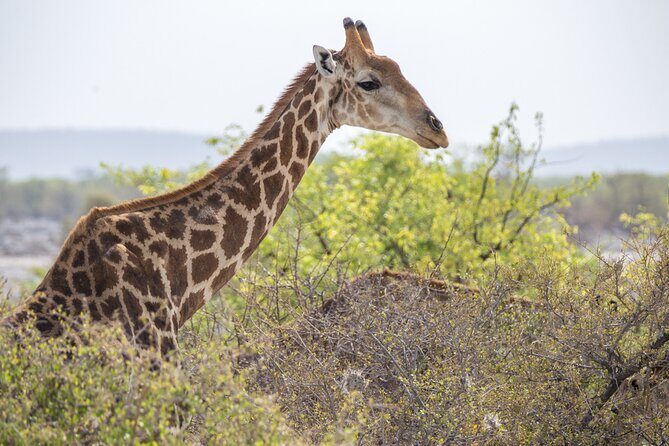
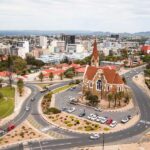
The departure begins at Chameleon Safaris on Ferry Street in Windhoek, with an early start time of 7:00 am. Before the long haul, you get a couple of quick stops that set context fast.
One is Okahandja Mbangura Woodcarvers Craft Market. It’s brief, but it gives you a chance to see how Namibian artisans sell work from across the country. If you like marketplaces, this is a good place to practice friendly haggling while supporting local craft.
Next comes Mount Etjo Game Reserve, tied to the Mount Etjo Rhino Trust’s conservation mission for black and white rhinos. The practical value here is that your later Etosha rhino encounters will feel more meaningful. Conservation talk isn’t just “feel-good,” it changes how you interpret what you see when you spot large mammals in a protected landscape.
Your afternoon includes a game drive on the reserve with sunset viewing. This is a strong on-ramp day: you’re not thrown straight into long days of driving, and you’re learning what to look for before Etosha.
Etosha National Park: Sunrise, Waterholes, and That Floodlit Night
Etosha is the centerpiece, and the tour uses it well. You enter the park, reach camp, and then head out again for afternoon wildlife viewing. Then the next day starts at sunrise, when predators are more active and visibility is often better.
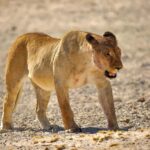
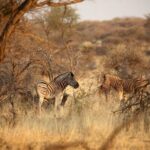
What you’re really buying in Etosha is the park’s “waterhole strategy.” You’ll move from water source to water source, watching for plains game, birds, and the bigger predators that show up when animals come in to drink. If you want one safari skill, it’s learning how to read the waterhole patterns, and this itinerary gives you the chance to do that.
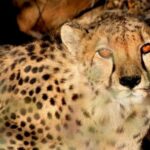
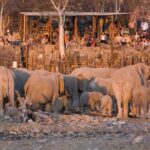
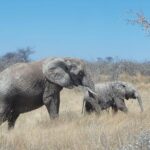
A standout moment is the floodlit waterhole visit. The tour includes time to see animals drawn to artificial light after dark, with frequent appearances such as rhino, elephant, giraffe, lion, and hyena. This is one of those experiences that feels different from day drives because the animals are close, and you’re watching nighttime behavior through a steady, guided lens.
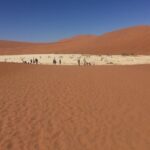
You also get the chance to step out of the vehicle at the Etosha Pan area, described as a huge saline desert. Even if the salt pan looks barren, it changes how you understand Namibia’s scale. Then you’re back on the road to keep searching on the drive.
Okaukuejo and Halali Pace: Camping Comfort With a Wildlife Schedule
The Etosha part of the trip uses a camp rhythm that keeps you fed and functional. Lunch and breaks are built in, and the plan includes downtime so you can rest your legs and reset your eyes for the next drive.
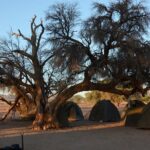
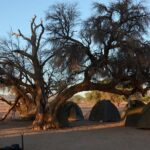
You’re also camping in and around Etosha, which is a big part of the charm. Sleeping in the bush means you hear the place. You get meals prepared by your guide over an open fire, which is both comforting and practical: it’s warm food after long wildlife watching blocks.
There’s one practical note: you’re in the field on a schedule, so pack layers. Days can be warm and nights can get cool fast in this part of Namibia. If you show up only with light clothing, you’ll feel it when the sun drops.
Himba Culture at Otjikandero: A Guided Visit, Not a Spectacle
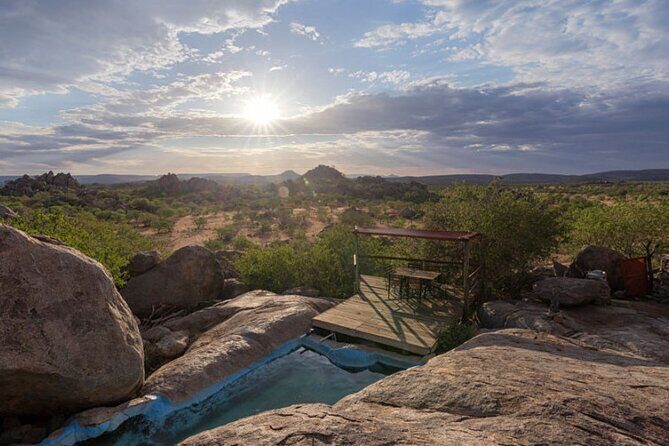
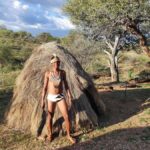
One of the most memorable parts of this tour is the cultural stop at Otjikandero Himba Orphan Village. You arrive and take a guided tour around the village, which is built around understanding daily life and customs, plus an exchange where you share your own culture.
Why this is valuable is how it’s structured. You’re not just chasing images. You’re there with a guide, in a setting that aims for learning and interaction rather than quick sightseeing.
This part is also where the tour gets emotionally “human” compared with wildlife-only days. After Etosha’s predator intensity and the Skeleton Coast’s harshness, the Himba experience brings texture, conversation, and a reminder that this trip is happening inside living communities.
A few more Windhoek tours and experiences worth a look
Mount Etjo and Rhino-Trust Context: Why It Matters Before Etosha
If you care about wildlife beyond big-name animals, the Mount Etjo component helps. The reserve’s mission is specifically tied to helping black and white rhinos survive in their natural habitat. That means your first rhino-focused drive isn’t just chance-based.
Instead, it’s guided learning: you see how conservation works, then you head into Etosha where wildlife viewing becomes more about waterhole patterns and timing. That combination makes the rhino topic feel practical, not abstract.
Even if your sightings vary day to day, you’ll leave with a better framework for understanding why some animals are where they are, and what reserves do to support them.
Skeleton Coast Camping: Cape Cross Seals and the Zeila Shipwreck
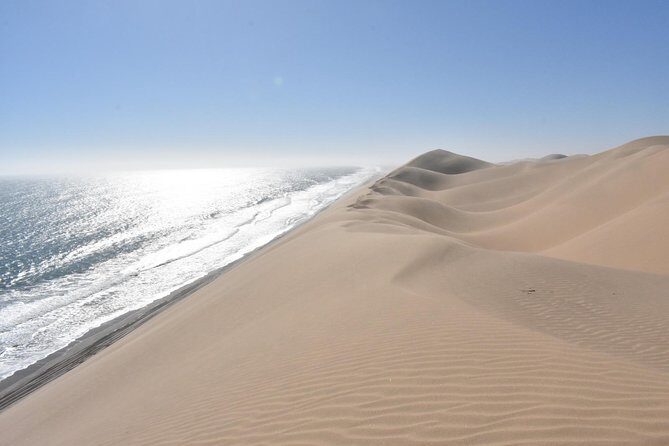
Then you swing hard toward the Atlantic. Today’s driving takes you into Skeleton Coast National Park, a coastline known for harsh conditions, shipwreck history, thick fog, unpredictable currents, and rough seas. It’s not a place that feels friendly, and that’s exactly why it’s fascinating.
You reach Cape Cross mid-afternoon and set up camp. The first sunset over the Atlantic here is special because it feels wide-open and wind-tested. Dinner is cooked over an open fire, so even when the coast is cold, the routine keeps you grounded.
The next morning includes a short walk to the Cape Cross Seal Reserve, home to one of the world’s largest Cape fur seal breeding colonies. During breeding season (noted as November–December), numbers can reach 200,000+ seals basking on the beach. Even outside peak season, you’re going to get big-scale wildlife energy close up—plus that unforgettable seal smell.
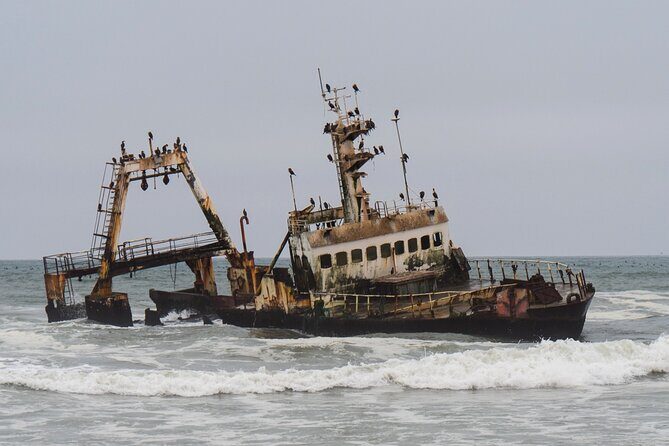
After seals, you stop at the Zeila Shipwreck, described as a later Skeleton Coast casualty from as recent as 2007. This isn’t a museum stop. It’s about witnessing the coastline’s ongoing danger and understanding why boats keep ending up here.
One personal-care note: if you don’t love sleeping near the ocean with constant wind and noise, consider whether you want the full night at Cape Cross. This tour does include that night, and it’s part of the experience, but it can be a lot for light sleepers.
Swakopmund Free Time: Adventure Options and a Good Dinner Reset
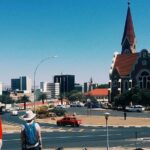
Swakopmund is your “breather” day. You arrive early afternoon and have time on foot to explore. This is also where you can choose optional activities depending on how much adrenaline you want—skydiving, quad biking, sandboarding, and more are listed as options.
Dinner tonight is at your own expense. That’s a smart setup because it lets you eat what you want after days of camp-style meals and controlled schedules. Your guide can help with restaurant recommendations or bookings if you want that support.
This town stop can be a plus or a mismatch depending on your travel style. If you’re a wilderness-only person, plan to keep your time focused—short walk, one good meal, then back to rest. If you like creature comforts and a lively setting, Swakopmund hits the spot.
Getting There and Getting Around: Pop-Top Safari Vehicle and Small Group Feel
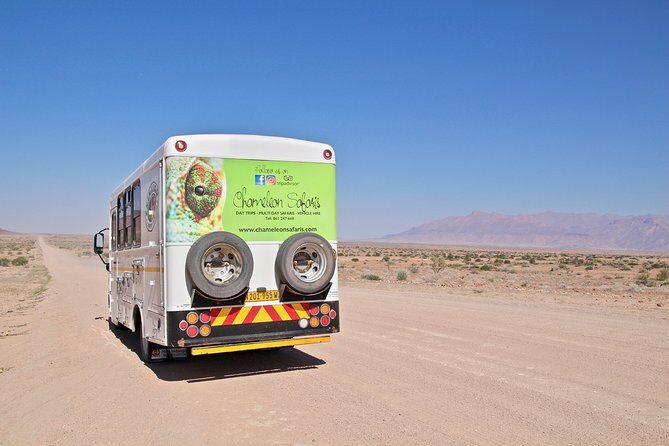
Transportation is done in a custom-built safari vehicle with a pop-up roof, built for wildlife viewing. That matters because it keeps sightlines open without you constantly shifting positions. It’s especially useful when animals are just at the edge of a clearing or moving between water sources.
The group size is capped at 12 travelers, and that’s a big reason this trip tends to feel relaxed. A small group also makes it easier for the guide to manage timing, answer questions, and keep the day from turning chaotic.
You’re told to have moderate physical fitness. Most of the effort is about standing for game drives, moving around camp, and doing short walks like the one to the seal reserve. You’re not climbing mountains here, but comfort with long days matters.
What’s Included: Meals, Camping Gear, and the Stuff You Must Bring
Here’s the practical breakdown of what the tour covers:
- Meals: 6 breakfasts, 6 lunches, and 5 dinners are included.
- Camping equipment: included except for your sleeping bag.
- Tap water: provided, which helps if you bring a refillable bottle.
- Guiding: a professional English-speaking driver and guide throughout.
- Activities: Himba village experience and Cape Cross seal colony visit are included.
- Park time: Etosha game driving is built into multiple days, with both daytime and evening options.
What’s not included is where you should pay attention: drinks (including mineral water), soft drinks, and alcohol are not included, and there are no snacks. That means you need to plan for hydration and small energy boosts between meals, especially on long driving blocks.
Also, pack for nights in camp. A sleeping bag isn’t optional on this trip in practice; it’s part of your comfort level, warmth, and sleep quality.
Price and Value: How $1,846.99 Stacks Up for This Route
At $1,846.99 per person for about 7 days, this safari isn’t a budget deal. You’re paying for several things at once: long-distance transport across Namibia, park access, guided culture time, and the staff work that makes camping smooth (tent/camp setup and meal cooking).
The value angle is simple. You’re not doing a self-drive route where you pay for gas, time, and stress. You’re also not just visiting one park. You’re combining Etosha wildlife viewing with Skeleton Coast scenery, then adding the Himba cultural visit and Swakopmund free time. Getting all that in one week is where the price starts to feel reasonable.
If you compare it to the cost of doing these areas separately (and paying for guides, lodging, and park fees on top), the bundled structure becomes the point. You’ll still need to spend on drinks, snacks, and Swakopmund add-ons, but the core logistics are handled for you.
Should You Book This Northern Namibia Camping Safari?
Book it if you want a single week that mixes major wildlife viewing, a guided cultural encounter, and the drama of the Skeleton Coast without turning it into a stressful DIY mission. This is especially a good fit if you like small-group travel, want camp-style meals and setups handled for you, and enjoy early starts when the animals are most active.
I’d hesitate if you’re sensitive to night noise, hate camping without your own sleeping setup, or strongly prefer only one type of travel (pure wilderness or pure cities). This route has a strong wilderness core, but it also includes Swakopmund time and camping nights by the coast.
FAQ
FAQ
What time does the tour start?
The tour starts at 7:00 am from Chameleon Safaris on Ferry Street in Windhoek.
Where is the meeting point?
The meeting point is at Chameleon Safaris, Ferry Street, Windhoek, Namibia.
Is pickup included?
Pickup is offered within Windhoek city limits, and drop-off is also within those limits.
Does the tour include a sleeping bag?
No. Camping equipment is included, but a sleeping bag is not included.
What camping support do I get?
You’ll have camping equipment included (with sleeping bag excluded), plus meals prepared by the guide and camp setup handled during the trip.
Are meals included?
Yes. The tour includes 6 breakfasts, 6 lunches, and 5 dinners.
Do I get wildlife time in Etosha National Park?
Yes. The tour includes multiple game drive blocks in Etosha, including early morning viewing and a chance to visit a floodlit waterhole.
Is there a Himba cultural visit?
Yes. You visit Otjikandero Himba Orphan Village for a guided cultural experience.
What will I see at Cape Cross?
You’ll visit the Cape Cross Seal Reserve, described as a major Cape fur seal breeding colony, plus you’ll have time to enjoy the Atlantic coastline at camp.
Is it refundable if I cancel?
No. The experience is non-refundable and cannot be changed for any reason.
How big is the group?
The maximum group size is 12 travelers.
If you want, tell me your travel month and your comfort level with cold nights. I can help you decide what to pack for camping and how to plan Swakopmund so the day feels right for you.