Dawn over dunes feels like another planet. This 3-day Sossusvlei budget camping safari from Windhoek is a smart way to taste the Namib Desert’s big skies and dramatic dune scenery without spending a fortune or burning your whole schedule driving solo. I really like the small-group setup (max 12), which keeps things friendly and makes it easier to get your questions answered.
My other favorite part is the chance to catch Dune 45 at sunrise and then keep moving through Deadvlei and into Sossusvlei. I also appreciate that dinner is cooked over an open fire at camp, so the trip feels like camping, not just sightseeing. The main drawback to consider: it starts early, you’ll do some climbing on dunes, and a sleeping bag is not included (you can hire one).
In This Review
- Key highlights you’ll actually care about
- Why this Sossusvlei budget camping safari feels worth it
- Getting out of Windhoek: Tropic of Capricorn to Sesriem camp
- The big morning: Dune 45 at sunrise (and what to expect)
- Deadvlei: bleached clay pans and the camelthorn effect
- Sossusvlei and Sesriem Canyon: seeing more than just dunes
- Two nights camping: the comfort basics you should plan for
- Day 3: Solitaire cheetah education and the return through Naukluft
- Price and value: $632 for a full desert-focused package
- Small-group pacing: how the schedule actually feels
- Packing and comfort tips for Namib desert camping
- Should you book this Windhoek-to-Sossusvlei camping safari?
- FAQ
- What’s the duration of the 3-day Sossusvlei budget camping safari from Windhoek?
- Where does the tour start and end?
- What’s included in the price?
- Do I need to bring a sleeping bag?
- What vehicle will I ride in?
- How big is the group?
- Is drinks or alcohol included?
- If my plans change, how much refund can I get?
- Is it okay to fly on the last day?
Key highlights you’ll actually care about
- Sunrise timing at Dune 45 with a climb to the top before the day crowds in
- Deadvlei’s surreal contrast: bleached clay, cracked pans, towering dunes, and ancient camelthorn trees
- Sesriem Canyon visit to see why this small water source matters to wildlife
- Two nights under the stars with camp setup in Sesriem and an open-fire dinner
- Cheetah education at Solitaire Carnivore Conservation project on the way back to Windhoek
Why this Sossusvlei budget camping safari feels worth it
This tour is built for one thing: getting you to the Namib Desert’s signature sights on a realistic timetable, while still letting you sleep out under the Milky Way. The value here comes from what’s bundled. You’re paying for transportation, a professional English-speaking driver/guide, two nights camping, and key stops in the Sossusvlei region—plus meals at camp.
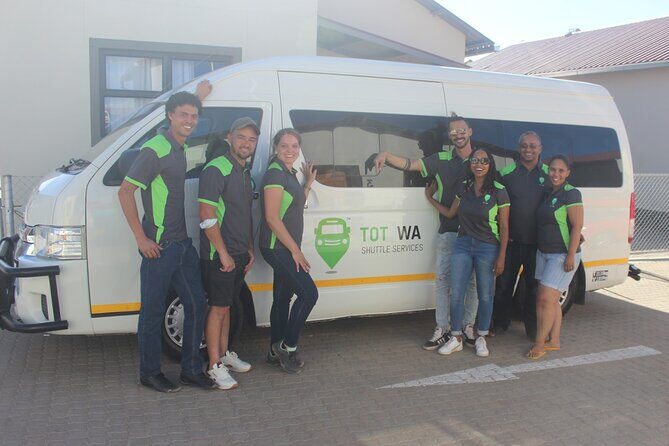
Also, the group size matters. With a maximum of 12 people, you’re less likely to feel like you’re stuck in a line of bodies. You get more breathing room for photos, and it’s easier to keep track of what’s next. The vehicle is a Toyota Quantum mini-bus without a popup roof, so think “comfortable and functional,” not luxury.
One more practical point: pickup and drop-off are within Windhoek city limits, so you don’t need to solve transport on your own. It starts at 7:00 am from Chameleon Safaris on Ferry Street, and it ends back at the meeting point, which keeps your day planning simple.
A few more Windhoek tours and experiences worth a look

Getting out of Windhoek: Tropic of Capricorn to Sesriem camp
Day 1 is your transfer day, but it doesn’t feel like dead time. You leave Windhoek on a short scenic drive, with a quick stop at the Tropic of Capricorn sign. It’s brief—just time to stretch your legs and grab a few photos—yet it’s a nice reset before you go full desert mode.
Then you continue on to Sesriem, arriving late afternoon. That timing is important. You’re not expected to sprint into the dunes immediately. Instead, you set up camp and take a walk for sunset views. You get that first hit of the Namib’s scale when the light softens and the dunes change color.
Dinner at camp is prepared by your guide over an open fire. That’s not a small detail. In places like this, the meal is part of the experience. It gives you a natural break to swap stories, ask questions, and get your gear squared away without rushing.
What I’d watch for on Day 1: after a long day of driving, you’ll likely want to keep your energy for sunrise the next morning. So plan to pack smart and keep your “grab-and-go” stuff easy to reach.
The big morning: Dune 45 at sunrise (and what to expect)
Day 2 starts pre-dawn. You head into the dunes about one hour before sunrise, which is exactly what you want for Dune 45. This is the kind of place where timing turns a good view into a memory you’ll keep replaying.
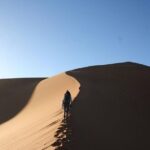
When you reach Dune 45, you can scale to the top. That climb is the physical part of the whole tour. It’s not just for show, either. From the top, you see the Namib Desert stretching out under the early light—dunes layered like waves. Then you go back down and enjoy breakfast at the bottom.
A realistic consideration: dunes are sand. Sand is slow going. Your legs will feel it later, even if you’re reasonably fit. If you’re traveling with a moderate fitness level, pace yourself and take breaks when needed. The guide will help you keep moving, but you still control your own effort.
After sunrise at Dune 45, you move deeper into the Sossusvlei area. This is a good flow: you get the signature spectacle first, while your group is fresh and the desert is quiet.
Deadvlei: bleached clay pans and the camelthorn effect
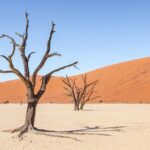
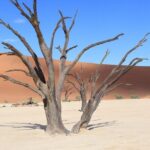
Next up is Deadvlei, starting from the 4×4 carpark. The scenery shift here is dramatic. You’re looking at bleached, cracked clay pans surrounded by towering dunes, with ancient camelthorn trees standing where they seem almost too tall for the scene.
You’ll spend around three hours exploring, and that time is the point. Deadvlei isn’t a “five-minute selfie stop.” It rewards slow looking—watching how the light sits on the clay cracks, and how the trees contrast against the pale ground. This is also where your guide’s understanding really matters. Even when wildlife isn’t right in front of you, the desert still feels alive once you know what you’re looking at.
One drawback to keep in mind: Deadvlei means lots of walking over uneven ground. Bring shoes that handle sand and rock, and don’t plan to wear anything that’s painful after an hour.
Sossusvlei and Sesriem Canyon: seeing more than just dunes
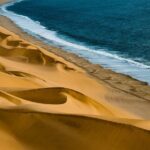
After Deadvlei, you continue to Sossusvlei. You get about two hours there to explore. Compared with Deadvlei, Sossusvlei can feel like the wider stage—more open space, more dune lines, and more opportunities to pick your own viewing spot. This is a nice balance after the earlier walking: you can choose what matches your energy level and photography style.
Then comes Sesriem Canyon, which is short but meaningful. You explore it for about an hour and it’s described as a small but important water source for local wildlife. This matters because it shifts the story from scenery to survival. In an environment like the Namib, small water points can make the difference between life and nothing at all.
If you want to get the most out of Sesriem Canyon, slow down. You’ll likely see more by standing still and watching than by rushing through.
A few more Windhoek tours and experiences worth a look
Two nights camping: the comfort basics you should plan for
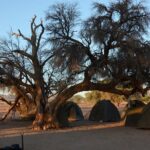
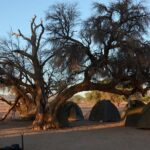
This safari includes 2 nights camping in the Sesriem area, plus breakfast and dinner during the camping days. Camping equipment is included except for a sleeping bag, which can be hired. That one detail can make or break your comfort, especially if the desert nights cool down.
So here’s my practical advice: if you’re even slightly unsure about your sleeping setup, hire the sleeping bag through the tour rather than gambling on your own gear. You don’t want your first Namib experience to be a cold night and a grumpy morning.
You’ll also have tap water provided. Drinks—like mineral water, soft drinks, and alcohol—are not included. That means you should plan how you’ll handle water and thirst. In desert heat, relying on “we’ll buy later” can become stressful.
What I liked about the camping format is that it turns the day trips into part of a longer experience. You’re not just arriving, snapping pics, and leaving. You’re sleeping in the same region you’re exploring, which makes everything feel more real.
Day 3: Solitaire cheetah education and the return through Naukluft
Day 3 begins with packing camp and an early breakfast. Then you travel to Solitaire, where you spend about an hour at the Solitaire Carnivore Conservation project, focused on cheetahs. This is a good tonal change after dunes and pans. The desert can feel empty at first. A conservation education stop reminds you that the Namib isn’t just scenery—it’s also wildlife habitat and human responsibility.
From there, you head back to Windhoek past the Naukluft Mountains and Rehoboth, arriving early afternoon. The tour notes that no flights are recommended on this day. That’s smart advice. You’re returning by road, and road travel can run on desert time—meaning it might be slower than the schedule in your head.
Price and value: $632 for a full desert-focused package
At $632, the big question is what you’re actually buying. You’re not just paying for “getting to Sossusvlei.” You’re getting:
- A professional English-speaking driver/guide
- A Toyota Quantum mini-bus for transfers
- Two nights camping
- Meals: breakfast twice, lunch twice, and dinner twice
- Key visits in the Sossusvlei region, including Dune 45, Deadvlei, and Sesriem Canyon
So the price makes sense if you want to keep costs controlled while still doing the core sights. The money you save by bundling transport and guide time is real, especially when you’re working with limited days.
What’s not included is also clear, and you should budget for it:
- Sleeping bag (can be hired)
- Drinks and snacks
- Optional activities
- Personal travel insurance
If you’re the type who expects mineral water and snacks to be included, you’ll want to bring extra cash. If you’re comfortable packing and managing your own drinks, the price-to-experience ratio holds up well.
Small-group pacing: how the schedule actually feels
This is a three-day trip with a lot of “motion,” but it’s not frantic. Day 2 is the busiest day, built around sunrise at Dune 45, then Deadvlei, then Sossusvlei, then Sesriem Canyon. But the time blocks are reasonable. You get a mix of climbing, exploring, and slower viewing.
You should also know there’s a moderate physical fitness expectation. You’ll likely be fine if you can hike on uneven ground and climb sand without needing to stop every five minutes. And if you’re traveling with kids under 18, they must be accompanied by an adult.
Group size of up to 12 also affects pacing. In a big group, guides have to herd people along. Here, you can usually slow down for a photo or a question without feeling punished by the clock.
Packing and comfort tips for Namib desert camping
This is one of those tours where good packing matters. Here are the basics I’d plan around, using what the tour does provide and what it doesn’t:
- Sleeping bag: since it’s not included, confirm whether hiring it works for your setup
- Shoes: you’ll walk and climb sand and uneven ground
- Sun protection: early starts don’t mean the sun is gentle later
- Water plan: tap water is provided, but drinks are not included
- Layering: desert mornings and nights can feel cooler than you expect
Also, start time is 7:00 am, so your first morning will be early by default. Keep your essential items where you can grab them quickly.
Should you book this Windhoek-to-Sossusvlei camping safari?
I’d book it if you want:
- A budget-friendly way to hit the big Namib sights
- A true camping vibe with two nights under the stars
- A small group and a guide who can explain what you’re seeing
- The Dune 45 sunrise and Deadvlei combo in just a few days
You might skip it if you’re:
- Not comfortable with early mornings or dune climbing
- Hoping for drinks, snacks, or luxury comfort to be included
- Looking for a slow, unstructured trip with no packed schedule
If you’re on the fence, here’s my decision shortcut: if sunrise and Deadvlei are on your must-do list, this itinerary is tight in the right way—and the camping adds value by keeping you in the Namib region for more than just a drive-through day.
FAQ
What’s the duration of the 3-day Sossusvlei budget camping safari from Windhoek?
It runs for 3 days, with timings set by the day’s driving and early start. The start time is 7:00 am from the meeting point in Windhoek, and you return early afternoon on the third day.
Where does the tour start and end?
The tour starts at Chameleon Safaris, Ferry Street, Windhoek, Namibia. It ends back at the same meeting point in Windhoek.
What’s included in the price?
The tour includes 2 nights camping, camping equipment excluding the sleeping bag (can be hired), meals (breakfast, lunch, and dinner), a professional English-speaking driver/guide, pickup and drop-off within Windhoek city limits, tap water, and the Sossusvlei-region exploration day.
Do I need to bring a sleeping bag?
A sleeping bag is not included, but it can be hired for the trip. Camping equipment is provided except for that sleeping bag.
What vehicle will I ride in?
You’ll travel in a Toyota Quantum mini-bus without a popup roof.
How big is the group?
The tour has a maximum of 12 travelers.
Is drinks or alcohol included?
No. Drinks, including mineral water, soft drinks, and alcohol, are not included. Snacks are also not included.
If my plans change, how much refund can I get?
You can cancel up to 6 days in advance for a full refund. For cancellations 2–6 days before the start, the refund is 50%, and if you cancel within 2 days, you won’t receive a refund.
Is it okay to fly on the last day?
The tour specifically says no flights are recommended on the third day, since you return to Windhoek early afternoon by road.