REVIEW · WINDHOEK
Windhoek City Tour
Book on Viator →Operated by Blue Berry Travel · Bookable on Viator
Windhoek can feel like a quick stop on the map—this tour helps you read it fast. I like the mix of key landmarks with real context, from Christuskirche to the Parliament Gardens, and I also like the hands-on human side of the route through Katutura and the Penduka craft work. It’s a small-group style day (around seven people, max 13), so you’re not stuck listening to a headset through a crowd.
One heads-up: the pacing is tight at about 2–3 hours, and not every building is guaranteed to be open when you arrive. That matters most at stops where you might want a quick look inside, like Christuskirche, since timing can affect access.
In This Review
- Key Points to Know Before You Go
- A Tight, Human-Scale Windhoek City Tour (2–3 Hours)
- Christuskirche: An Iconic Church Stop in the City Centre
- Parliament Gardens at the Tintenpalast: Green Space with Independence Stories
- Alte Feste: Windhoek’s Old Fort Stop (Quick, But With Teeth)
- Katutura and the Township Market: Understanding Apartheid’s Ongoing Impact
- Penduka Craft Market: Souvenirs With a Clear Purpose
- Price and Logistics: Pickup, Group Size, and the Morning Run
- When Sites Are Closed: How to Keep This Tour Worth Your Time
- Who This Tour Fits Best in Windhoek
- Should You Book the Windhoek City Tour?
- FAQ
- What time does the Windhoek City Tour start?
- How long is the tour?
- Is pickup offered?
- How many people are in the group?
- Are there entry fees for the stops?
- What are the rules for children?
- What if the weather is bad, or I need to cancel?
Key Points to Know Before You Go
- Small-group feel: typically around seven people, with a maximum of 13
- A focused route: Lutheran Christuskirche, Parliament Gardens by the Tintenpalast, and the oldest-building stop at Alte Feste
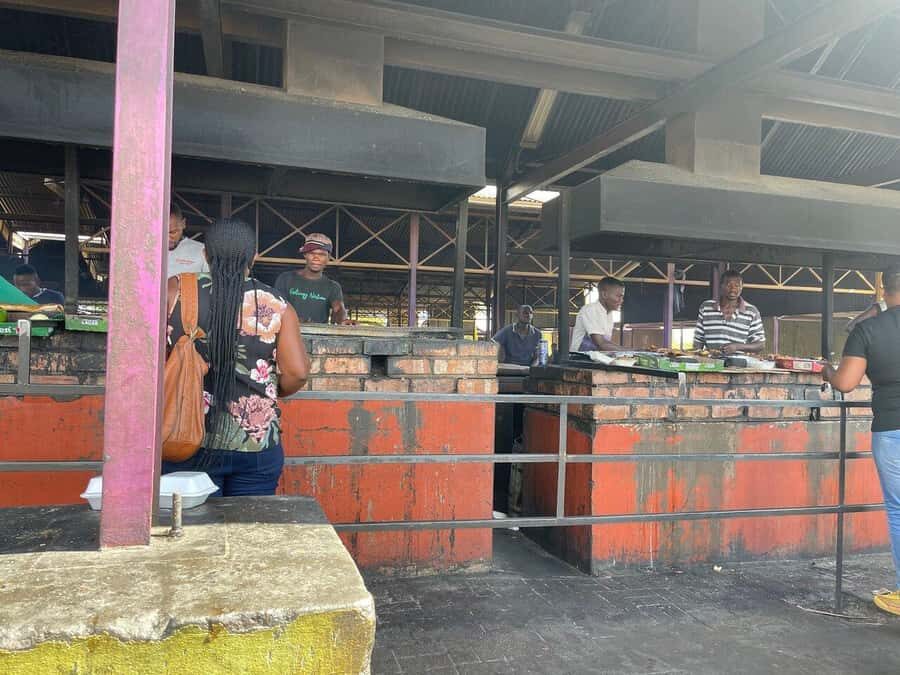
- Township context: Katutura and the reality of everyday life shaped by apartheid, plus a market visit
- Penduka craft market: a women-led project where you can buy souvenirs with purpose
- Plan for closures: some sites may be open only at certain times, so expect variations
A Tight, Human-Scale Windhoek City Tour (2–3 Hours)
This is the kind of Windhoek outing that works when you want clarity, not chaos. The itinerary keeps you moving through the center, then shifts to Katutura—so you get both the official face of the capital and the lived reality of more than half of Windhoek’s population. The whole thing is designed to be manageable in a morning slot, starting at 8:00 am, and running about 2–3 hours.
The price is also refreshingly straightforward: $48 per person. For many city tours, that kind of time usually buys you a fast bus loop. Here, you’re getting a meaningful mix: landmarks like Christuskirche and the Parliament Gardens, plus a cultural township stop with a local market.
Where the value really shows: you’re not just looking at places—you’re learning how they connect. You’ll hear about German colonization in Namibia, plus the local indigenous history and traditions. And you’ll see how apartheid’s legacy still shapes neighborhood structures in Katutura. That context tends to stick better than a list of street names.
You can also read our reviews of more city tours in Windhoek
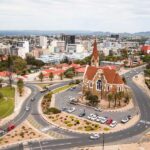
Christuskirche: An Iconic Church Stop in the City Centre
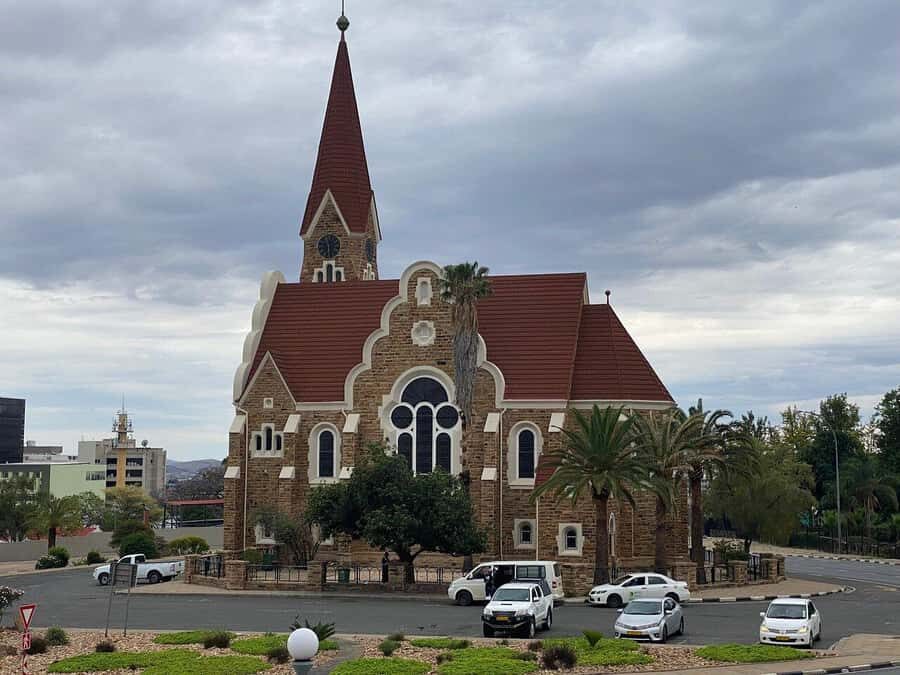
Your first anchor point is Christuskirche (Christ Church), a Lutheran church right in Windhoek’s center. Even if you only have a short time window, it’s a strong visual start: it’s described as one of Windhoek’s most iconic landmarks, and the tour gives you a chance to learn its story.
Here’s what to expect in practice:
- You’ll spend about 15 minutes at the church.
- Admission is free, and if timing works, you may have the option to look inside.
The main consideration is simple: buildings don’t always cooperate with tour schedules. In some cases, access can be limited because of opening hours or whether the site is running visitor access that day. I’d treat the inside look as a bonus, not a guarantee.
Also, since this is a morning start, dress for comfort in the sun and heat—Windhoek mornings can be warm, and your time at the first stop is short.
Parliament Gardens at the Tintenpalast: Green Space with Independence Stories
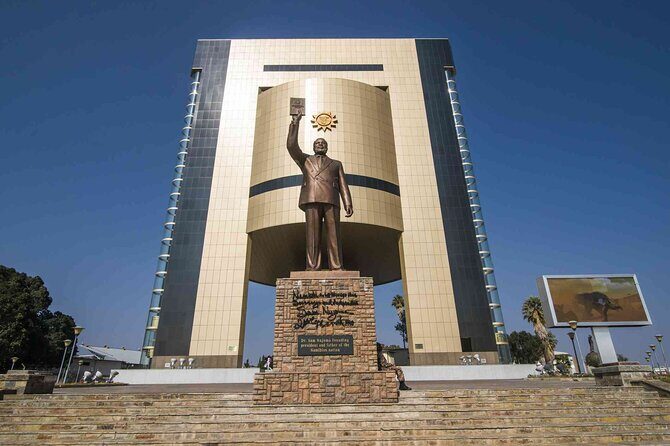
Next you head to Parliament Gardens, set at the base of the Tintenpalast, Namibia’s Parliament Building. This is one of those stops where your brain calms down because it’s greener than the surrounding city streets.
You’ll spend about 20 minutes, and admission is listed as free. What makes it meaningful:
- The gardens are home to three statues of iconic Namibians who were instrumental in gaining independence.
- The tour explains not only why these independence figures matter, but also the current political processes shaping modern-day Namibia.
This part is valuable because it gives you a “present-tense” layer. A lot of history stops are stuck in the past. Here, you get a thread that connects independence to how government works now.
If you like photos, this is an easy one: gardens + parliament architecture tends to look good, and you don’t feel rushed the whole time. Just keep in mind this is a short stop by design.
Alte Feste: Windhoek’s Old Fort Stop (Quick, But With Teeth)
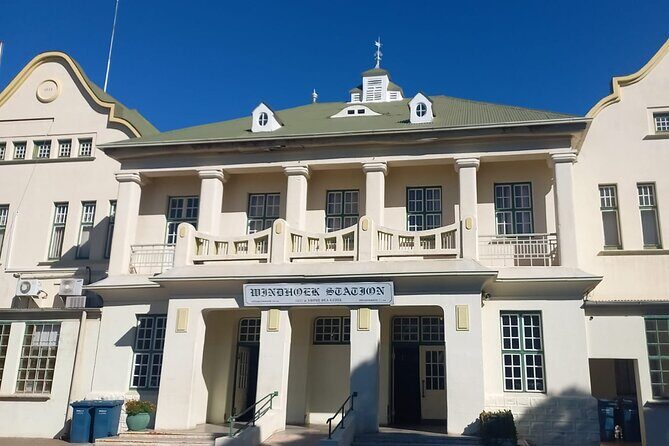
Then comes Alte Feste, described as Windhoek’s very first building and used by the German army to defend their hold on the city. In more recent times it stood as a museum, but on this tour it’s noted that it now stands empty.
Translation: expect a short visit that leans on explanation more than on hands-on exhibits.
- You’ll spend around 10 minutes.
- Admission is listed as free.
Is it still worth it? For many people, yes—because it anchors the German colonization story in a physical spot you can point to. Even if there isn’t much to see inside, the “this is what was here first” angle is the point.
The possible downside is your own expectations. If you’re hoping for a long, museum-like experience, this isn’t that stop. It’s more like a historical marker with a guide-led story attached.
Katutura and the Township Market: Understanding Apartheid’s Ongoing Impact

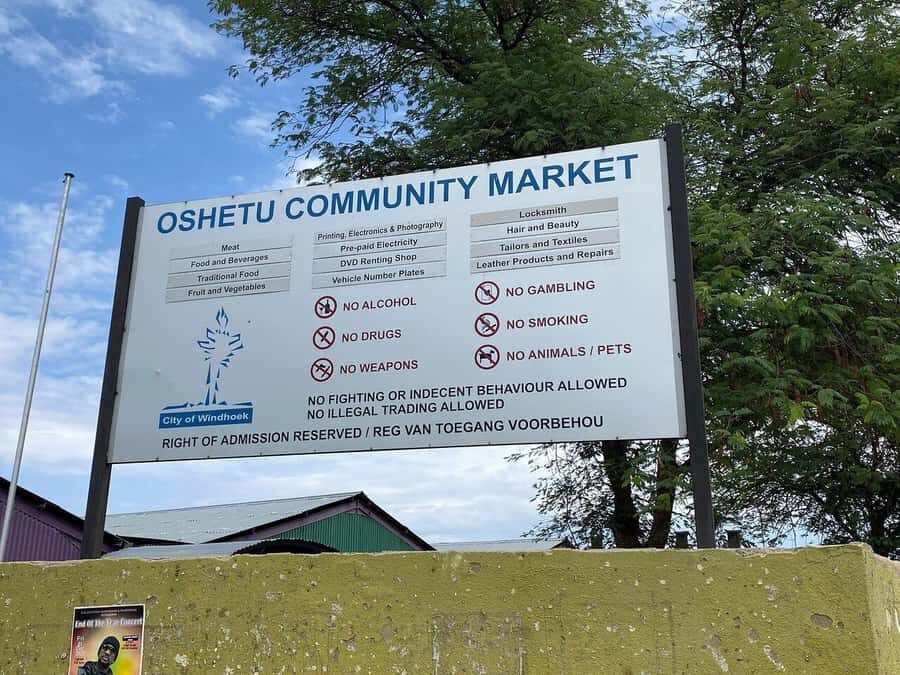
The emotional center of the tour is the township segment: Nande Explorer Cultural Township Tours, focusing on Katutura. This is where the tour stops being a postcard tour and becomes a human reality tour.
You’ll spend about 1 hour here, and admission is listed as free. The goal is to help you understand how over half of Windhoek’s population lives, by walking through an area that’s described as diverse—ranging from large modern houses to shack dwellings.
You’ll also hear the somber side of the story: Katutura’s connection to the apartheid regime. Importantly, the tour framing is not only about suffering—it also notes how the area is now bustling and alive.
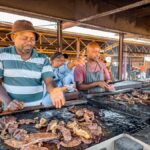
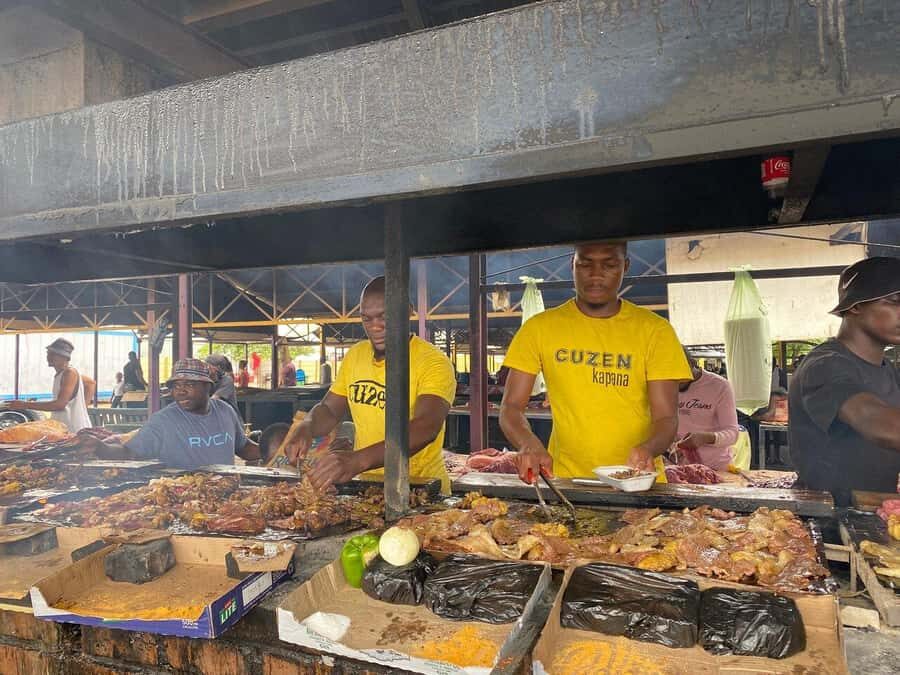
You can also expect a market stop within this segment. That’s where you get an everyday-feeling moment—where local life is visible beyond the landmark checklist.
My practical tip for this section: keep your curiosity switched on and your questions respectful. A good guide can make the difference between feeling like you’re watching and understanding what you’re seeing. And because you’re in a smaller group, you’re more likely to get real answers.


Penduka Craft Market: Souvenirs With a Clear Purpose
Your final stop is Penduka, a craft project designed to uplift and inspire local women so they can support themselves and their families. This is also where you get a chance to buy souvenirs or gifts before heading back.
You’ll have about 30 minutes, and admission is listed as free.
Why this stop feels worthwhile on this specific tour: it’s not treated as an optional shop detour. It’s presented as part of the community story, which changes how you view what you’re purchasing. If you care about where your money goes, this is one of the few “souvenir moments” in a city tour that comes with an explained purpose.
Practical approach:
- Give yourself time to browse, not just grab-and-go.
- If you’re looking for specific items, use the whole 30 minutes rather than rushing through.
Price and Logistics: Pickup, Group Size, and the Morning Run
Here’s the reality check on how this tour operates day-to-day.
You’ll start at 8:00 am, and pickup is offered. Also, hotel drop-off is included if that option is selected. The tour is sold with a mobile ticket, and you should receive confirmation at booking time.
The group size is kept small: it’s described as about seven people, with a maximum of 13 travelers. That small-group cap matters because it affects whether your guide can slow down, answer questions, and keep the group together—especially at the township stop.
However, the most important logistics consideration is vehicle comfort and schedule stability. There have been reports of a vehicle with malfunctioning air conditioning and limited window access, which can make the ride uncomfortable in warm conditions. The fix wasn’t magical—opening windows helped where possible—but it’s a reminder to plan for heat.
And yes, there’s also the chance of day-of confusion: itinerary mix-ups can happen early on, then get sorted once you’re at the first stop. One pattern I’d learn from: be ready to confirm the plan quickly after meeting up, and don’t be afraid to ask for clarity right away.
The other big factor is access. In at least some cases, multiple sites weren’t open during the time of the visit. That doesn’t automatically mean you’ll lose the entire tour—but it does mean you should keep expectations flexible, especially for stops that could require access to interiors.
When Sites Are Closed: How to Keep This Tour Worth Your Time
This tour is built around a short list of stops, so closures matter more than on a longer day. The good news is the route still holds together even if an interior isn’t available, because the external architecture and the guide’s explanations can carry the experience.
Here’s what to do so you don’t feel short-changed:
- Treat inside access as a bonus, not the core promise.
- Focus on the story the guide connects to each stop: Christuskirche as an iconic Lutheran landmark, Parliament Gardens as independence-era memory plus current governance, and Alte Feste as a German hold point in Windhoek’s earliest built form.
- Remember that the township and Penduka segments are still key parts of the tour experience even if one landmark site is closed.
If you’re traveling with a tight schedule in Windhoek, this tour can still work. If you’re expecting a museum-style walkthrough at every stop, you may feel the mismatch.
Who This Tour Fits Best in Windhoek
I’d put this tour in the “get oriented with substance” category.
It’s a great match if:
- You have only a few hours and want a structured route.
- You want to see central Windhoek and Katutura in one morning.
- You like guided context—especially around apartheid’s impact and the independence story.
- You value women-led community projects, like Penduka, more than a generic shopping stop.
It may be less ideal if:
- You hate schedule uncertainty and need guaranteed interior access.
- You’re very sensitive to vehicle comfort issues (warm rides can happen).
- You want a slow, unhurried city walk with lots of optional downtime.
Also, kids can participate, but there’s a specific policy: children must be accompanied by an adult, and the child rate applies only when sharing with 2 paying adults.
Should You Book the Windhoek City Tour?
For most people, I think this is worth booking—if you go in with the right expectations and you treat logistics as part of the experience.
If you want a compact route that covers Christuskirche, Parliament Gardens by the Tintenpalast, the Alte Feste fort site, a real Katutura township visit with market time, and the Penduka craft work, this tour hits a useful set of priorities in one go.
Just do two simple things before you commit:
- Confirm your pickup details clearly the day before, since there have been reports of late or missed pickup situations.
- Keep an eye on opening/access realities for landmark sites, because short stop times can mean you get only what’s available that day.
If you can handle that flexibility, you’ll likely come away with a much clearer sense of Windhoek—its official center, its deeper story, and the places where people build community every day.
FAQ
What time does the Windhoek City Tour start?
The tour meeting/start time is listed as 8:00 am.
How long is the tour?
The duration is 2 to 3 hours (approx.).
Is pickup offered?
Yes, pickup is offered, and hotel drop-off is included if the option is selected.
How many people are in the group?
The tour is described as a small group, typically around seven people, with a maximum of 13 travelers.
Are there entry fees for the stops?
The stops listed (Christuskirche, Parliament Gardens, and Alte Feste) show admission ticket free.
What are the rules for children?
Children must be accompanied by an adult. The child rate applies only when sharing with 2 paying adults.
What if the weather is bad, or I need to cancel?
This experience requires good weather. If canceled due to poor weather, you’ll be offered a different date or a full refund. There is free cancellation up to 24 hours in advance for a full refund.