REVIEW · SWAKOPMUND
Swakopmund: Mondesa Township Day Tour Experience
Book on GetYourGuide →Operated by Explorer Tours Swakopmund · Bookable on GetYourGuide
Mondesa is the real Swakopmund. This short Mondesa township tour is built around walking the neighborhood, meeting people, and sharing family-home food you won’t get on a typical city stop. I love the school-and-street approach, plus the live acapella moment that turns a quick visit into something more personal. The main catch is simple: you’ll be on foot, and the tour asks for closed-toe shoes and forbids shorts or sandals.
I also like the hotel pickup convenience and the fact the experience runs with an English-speaking guide and an English audio guide. You’ll learn practical, day-to-day things from locals, including how to say Uharapo, and you’ll hear stories tied to Nama, Damara, and Herero community life.
One more consideration before you book: this tour isn’t for everyone. It’s not suitable for pregnant women, and the pace works best for people who are comfortable walking through a real residential area.
In This Review
- Key things I’d circle before you go
- Why Mondesa Township is worth your time near Swakopmund
- The 3-hour flow: pickup, township streets, and acapella singing
- School visits and street walking: what you’ll notice in Mondesa
- Community projects and cultural conversations with local guides
- Family-home Namibian food, drinks, and the Kito-style singing moment
- Price and value: does $65 for 3 hours make sense?
- What to bring, what not to wear, and how to be a good visitor
- Who should book (and who should skip)
- Booking smart: avoiding pickup hiccups and getting the most from your guide
- Should you book the Mondesa Township day tour?
- FAQ
- How long is the Mondesa Township day tour?
- What does the tour cost?
- What’s included in the price?
- Is pickup included?
- What language is the tour guide?
- What’s the dress code?
- Is the tour wheelchair accessible and is it suitable for pregnant women?
Key things I’d circle before you go
- Mondesa street walk that keeps it human-sized and conversational, not checklist tourism
- School and kindergarten visits that show everyday learning, not staged photo ops
- Live acapella performance during the visit, with music that feels part of the community
- Local guide with township roots (names like Nande, Frans/Franz, and Nico show up in guide feedback)
- Family-home meal and drinks included, including traditional food and locally brewed beer
Why Mondesa Township is worth your time near Swakopmund

Swakopmund is all about coastal Namibia: ocean light, German-era architecture nearby, and a big “gateway” feel. Mondesa is different. It’s not a postcard. It’s a living neighborhood just outside town, and the tour is designed so you experience that difference on purpose.
The real value here is the way you connect dots between people, places, and culture. You’re not just seeing buildings. You’re walking the streets where kids play, where people gather, and where school life happens. That everyday feel matters. It helps you understand that culture is not a museum topic. It’s something you hear, smell, taste, and talk about.
On this tour, you also get more than one cultural thread. You’ll visit spaces connected to Nama, Damara, and Herero communities, and you’ll hear background about other Namibian groups too, including Ovambo and Ovahimba. Even when you only catch pieces, it’s a practical way to start building a mental map of Namibia’s diversity beyond the headline facts.
You can also read our reviews of more tours and experiences in Swakopmund.


The 3-hour flow: pickup, township streets, and acapella singing
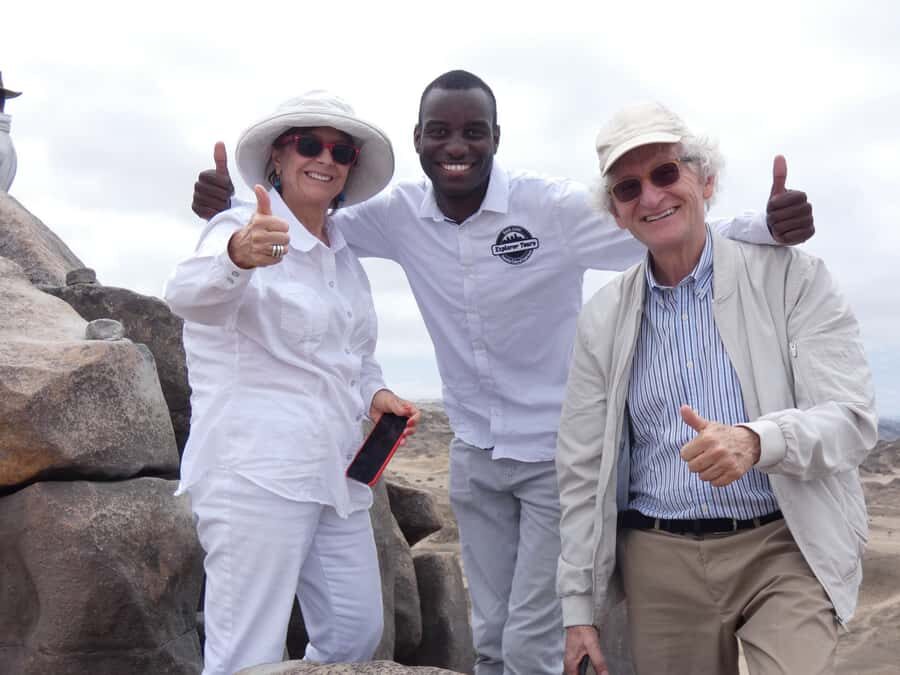
This is a compact experience by design. With a 3-hour duration, it’s built for focus, not wandering. The basic rhythm looks like this:
First, you get pickup from your accommodation in or close to Swakopmund. That matters because it saves energy and keeps you from having to figure out transport the moment you arrive. Once you’re in Mondesa, you follow your guide on foot, moving between community stops.
A key part of the experience is the walk through the streets. You’ll get the “listen with your eyes” view: children’s activity, neighborhood routines, and the informal rhythm of daily life. It’s also where your questions matter most, because the guide can explain what you’re seeing as you go.
Then comes the learning and performance piece. The tour includes a live acapella moment, which you’ll experience as part of the visit, not as a separate show. It’s one of those times when the tour stops being just informative and becomes memorable. If you’ve ever wondered what makes community music feel different from a concert, this is a good chance to find out.
The visit also includes time at community projects, plus a culminating stop for traditional food at a family home. You should expect the tour to feel like a guided conversation with a few purposeful waypoints, rather than a bus ride with short photo breaks.
School visits and street walking: what you’ll notice in Mondesa
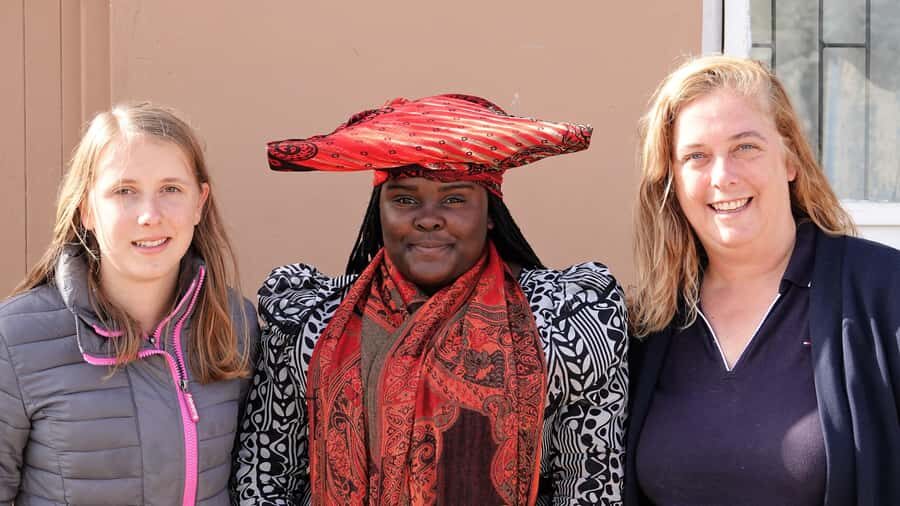
The tour’s school component is one of its strongest features because it shows structure. Kindergartens and schools are places with routines, priorities, and a clear sense of continuity. When you step into that environment with a guide who can explain the context, you start to understand the township as a place of learning and future-building, not just a place people talk about.
As you walk the streets, you’ll notice how the neighborhood is lived in. That can include casual street cooking, the soundscape of children at play, and the way small spaces are shared. Your guide can help you connect those details to bigger cultural or practical realities in Namibia.
One practical note: because you’re moving on foot, your shoes matter more than you think. Closed-toe shoes are required, and sandals or flip-flops are not allowed. If you have any knee or balance issues, plan accordingly, because this isn’t a fully paved, tourist-friendly route in a city grid.
What you shouldn’t expect is a quiet, museum-style silence. This tour works best when you’re ready to be present, ask questions, and let the pace be real. It’s not a “stand here, take a picture, leave” type of stop.
Community projects and cultural conversations with local guides
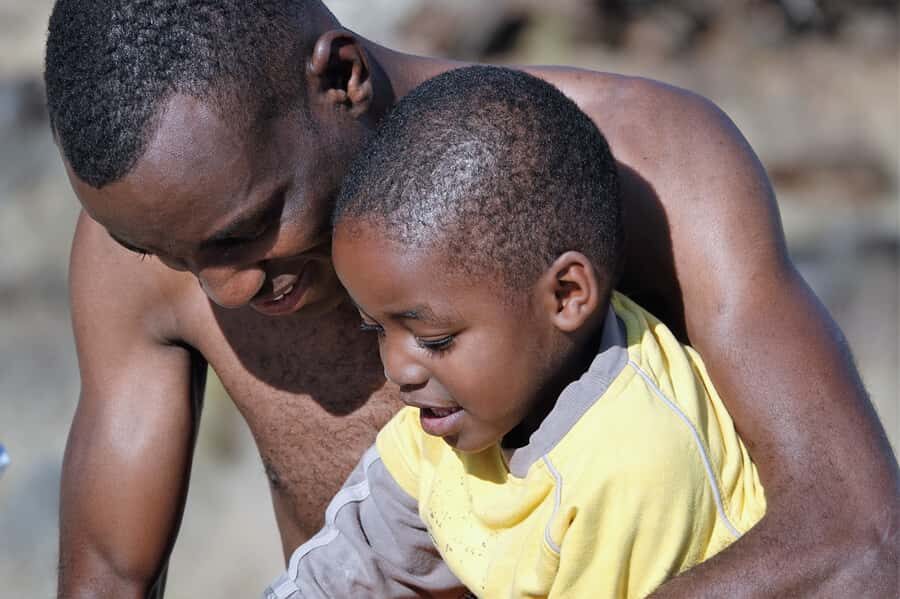
A township tour lives or dies on the guide. Here, you get a locally connected guide from Mondesa, including names such as Nande, who has guided for years while still studying and grew up in the township area. That kind of background changes the whole tone. You’re not hearing generic talking points. You’re hearing explanations rooted in lived experience.
Guides also bring practical language learning into the mix. You’ll learn at least a small piece of greeting culture, including Uharapo. It’s small, but it’s the kind of detail that helps you connect with people rather than staying stuck in “visitor mode.”
The tour also includes community projects. Even without needing a long lecture, these stops help you see township life as active and organized, with local initiatives that people rely on. It’s not only about what’s challenging; it’s also about what people are building and maintaining.
As for cultural context, you’ll hear about multiple groups tied to Namibia, including Ovambo, Damara, Herero, and Ovahimba. The goal isn’t to become an expert in three hours. It’s to start seeing how different communities fit into the same national story.
Family-home Namibian food, drinks, and the Kito-style singing moment
The food stop is where this tour turns from “interesting” into “I’ll remember that.” You’ll eat at a family home, and the tour includes meals and drinks. That inclusion is part of the value: you’re not spending extra money to find food on your own, and you’re not relying on a restaurant that could be anywhere in Namibia.
The traditional food element is guided by the people hosting you. You might also be offered locally brewed beer, since drinks are part of what’s included. If you’re the type who wants to try local flavors but worries about whether it’s a tourist trap, this is the safer bet: it’s served through the home setting the tour is built around.
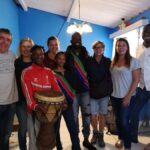
One of the stand-out moments mentioned in guide feedback is the combination of eating with singing. In at least one case, the family-home host is associated with the name Kito, and the meal came with soulful vocal performance. Even if your host’s name is different, you can expect music to be part of the emotional payoff.
This is also where you’ll likely feel the warmth people talk about with township visits. You’ll get a chance to meet locals in a home setting, not just around a public building. That shift matters. It turns the experience into something interactive, where the guide helps you ask the right questions and understand what you’re eating and why it matters.



Price and value: does $65 for 3 hours make sense?
At $65 per person for about 3 hours, you should think about what’s included and what it replaces.
You get:
- Hotel pickup and drop-off in and around Swakopmund
- Meals and drinks
- A professional guide in English (plus an English audio guide)
- Time built around visits to schools, community projects, and a family home
If you were doing this independently, you’d still need transport, a local guide, and a plan for food. Even basic pickup and parking time can cost money in a coastal tourism hub where things don’t always run on strict “walk out the door” schedules. Add a guided walk through a township, where someone local helps you understand what you’re seeing and where you’re allowed to go, and the total starts to look more reasonable.
This is also a pay-for-purpose type of tour. You’re paying for access and interpretation, and you’re spending that time in community spaces where a local guide helps you connect responsibly. The tight duration keeps it from turning into a long day, which makes it easier to fit into your Swakopmund schedule.
Bottom line: it’s good value if you want the human connection and the home meal, and you’re comfortable with the practical rules (shoes, no shorts, and a real walking pace).
What to bring, what not to wear, and how to be a good visitor
The tour gives clear guidance, and I’m glad it does. These rules aren’t there to be picky; they keep everyone comfortable and respectful in a working neighborhood.
Bring:
- Comfortable closed-toe shoes (required)
- A willingness to walk and stand for stretches of time
Avoid:
- Shorts
- Sandals or flip-flops
Optional kindness:
- If you want to bring small items for children, you can bring sweets or stationary. That’s often a thoughtful touch, but keep it simple and light.
If you tend to travel with a “no rules” attitude, this is your reminder that one good day trip comes from following the local lead. You’ll get a better vibe and a smoother experience when you follow the dress code and move at the tour pace.
Who should book (and who should skip)
This tour suits people who want a short, meaningful cultural experience with real conversation. It’s especially good if you:
- Like meeting locals rather than only seeing landmarks
- Want a guided introduction to Nama, Damara, and Herero community life
- Prefer a structured half-day plan over a long itinerary
- Enjoy music moments, like the live acapella included here
It may not suit you if:
- You’re pregnant (the tour isn’t suitable)
- You don’t want to walk on foot in a residential area
- You need a strictly sedentary experience
Good news for mobility planning: the tour is listed as wheelchair accessible. That said, you’ll still want to consider how street surfaces and stops work in practice. When you book, ask questions about how the guide handles movement and timing for wheelchair users.
Booking smart: avoiding pickup hiccups and getting the most from your guide
Pickup is part of what makes the tour easy. Still, I recommend you confirm your pickup point clearly the day before, and again on the morning of the tour. One issue that can happen is a missed pickup, and a quick check prevents the stress that turns a cultural visit into a frustrating start.
Also, keep your expectations realistic. This isn’t a rushed drive-by. You’re there to learn and talk. A less talkative guide can still deliver the route and the sites, but your experience will be better if you come with curiosity and a few questions ready.
If you’re interested in adding extra context, you might find that some guides can help arrange an extra stop, such as the Swakopmund Genocide Museum, when it fits the day. It’s not guaranteed as part of the standard experience, so ask your guide with care and see what’s possible.
Should you book the Mondesa Township day tour?
I think this is a strong pick if your goal is a human introduction to Namibia beyond Swakopmund’s main tourist strips. The blend of school visits, township street walking, a live acapella moment, and a family-home meal (with meals and drinks included) makes the price feel fair.
Book it if you’re comfortable following the dress code, enjoy conversations, and want something you can’t do by just wandering around town. Skip it if you need a non-walking experience or if you fall into the groups the tour says it’s not suitable for.
If you want a short day that actually helps you understand the people of Mondesa, this is the kind of tour you’ll be glad you made time for.
FAQ
How long is the Mondesa Township day tour?
The tour duration is 3 hours.
What does the tour cost?
The price is $65 per person.
What’s included in the price?
Hotel pickup, meals, and drinks are included.
Is pickup included?
Yes. You’ll be picked up from your accommodation in or close to Swakopmund, and you’ll be dropped off after the tour.
What language is the tour guide?
The live tour guide is English, and an English audio guide is included as well.
What’s the dress code?
You should wear comfortable shoes (closed-toe). Shorts are not allowed, and sandals or flip-flops are not allowed.
Is the tour wheelchair accessible and is it suitable for pregnant women?
The tour is listed as wheelchair accessible, but it is not suitable for pregnant women.