REVIEW · SWAKOPMUND
Sandwich harbour and Welwitschia Tour
Book on Viator →Operated by Desert Dunes and Dust Tours · Bookable on Viator
You’ll drive where dunes meet time. This full-day Namib Desert 4×4 tour strings together Sandwich Harbour, Walvis Bay wildlife, the Moon Landscape, and Welwitschia survival—plus lunch and hotel pickup.
I love the Moon Landscape stop: you’re standing in a place described in hundreds of millions of years, and it really has that other-world feel. I also love the Welwitschia mirabilis viewing, because it’s not just a plant on a sign. You get to see how this wind-ravaged survivor works in real desert conditions.
One possible drawback is the time on the road. Expect about 7 to 8 hours with gravel and dune driving, so plan for a long day in sun and wind.
In This Review
- Key things that make this day tour special
- A Namib Desert day in one long, practical 4×4 plan
- The Moon Landscape: when “old” actually means other-planet old
- Welwitschia Plains: the 1500-year-old plant that doesn’t need much
- Goanikontes oasis: small stop, big meaning for Swakopmund
- Walvis Bay lagoon: flamingos, salt lakes, and dune views
- Sandwich Harbour: the dune-and-sea rollercoaster you came for
- Price and value: what you’re really paying for at about $218
- Logistics that affect your comfort more than you think
- What I’d do to get the most out of this day
- Should you book the Sandwich Harbour and Welwitschia Tour?
- FAQ
- How long is the Sandwich Harbour and Welwitschia tour?
- Is pickup included?
- How big is the group?
- Does the tour include lunch?
- Do I need moderate fitness for this experience?
- What about German guides?
- Is Sandwich Harbour entry affected by tides?
Key things that make this day tour special
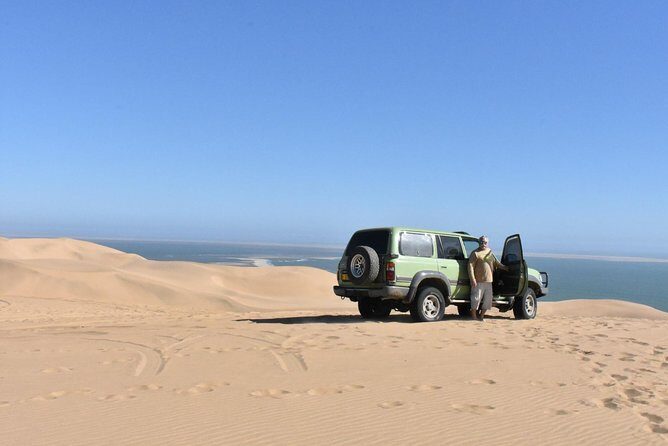
- Sandwich Harbour is tide-dependent so the guide may reverse the order to catch the best timing
- Moon Landscape has extreme age and harsh weather with details about ice ages and volcanic lava flows
- Welwitschia plants are bizarre on purpose the famous “two leaves” shape how they handle drought
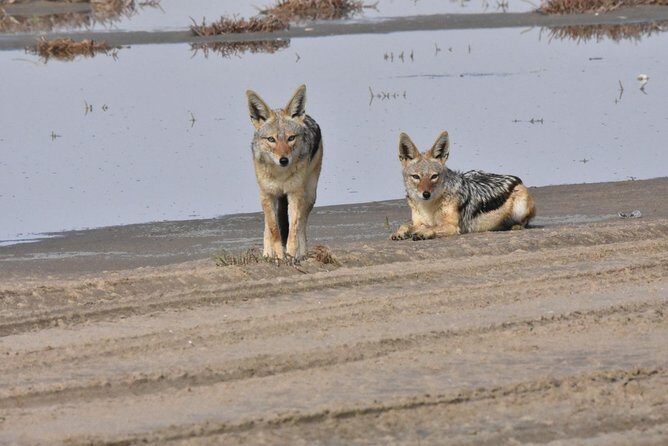
- Walvis Bay delivers real wildlife odds flamingos and waders in the lagoon, with a chance of seals and jackals
- Small-group size (max 16) helps you move through viewpoints without feeling herded
A Namib Desert day in one long, practical 4×4 plan
This is the kind of tour that makes sense if you’re based in Swakopmund and want more than one hit of the Namib Desert. You’ll spend the day bouncing between deserts, dunes, and coastal wildlife areas, all while learning what makes this region so tough—and so alive.
The best part is that it’s not a “checklist bus tour.” It’s a 4×4 day with enough stops to make each place feel different: ancient rocks, desert plants, lagoon birds, and then the dune-and-sea drama at Sandwich Harbour. And yes, it’s long—about 7 to 8 hours—so bring your calm patience.
You can also read our reviews of more tours and experiences in Swakopmund.
The Moon Landscape: when “old” actually means other-planet old
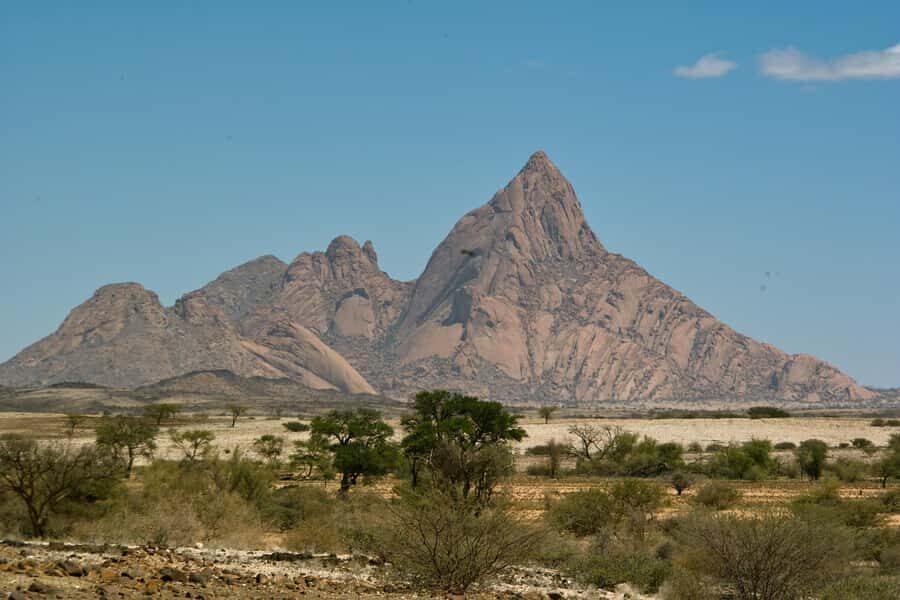
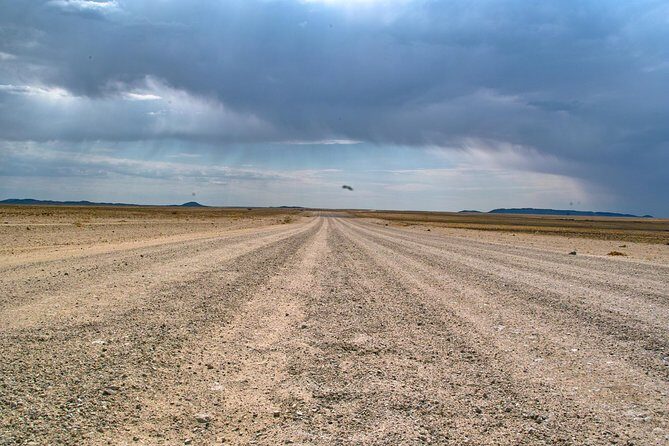
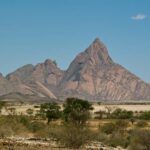
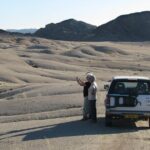
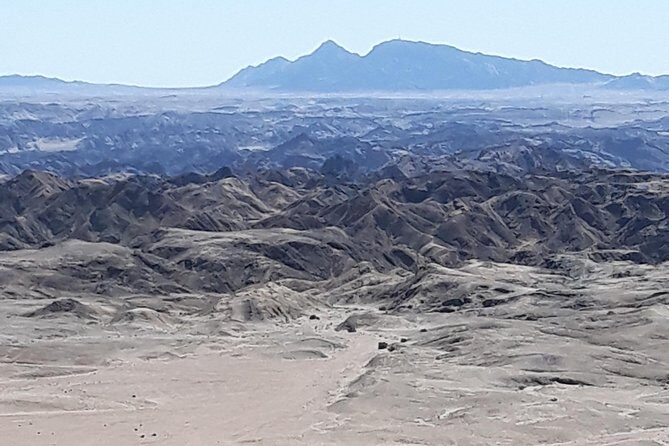
The day starts moving out from Swakopmund toward gravel plains and the “Moon” area, where the visuals do most of the talking. You’ll get that step-into-another-world feeling when you stand in a place described as around 500 million years old.
What makes the stop more than a quick photo break is the way the guide frames it. You’re not just looking at strange rock and dust. You’re hearing why this area endured major climate swings and geological events, including ice ages and volcanic eruptions with lava flows. That context helps your brain understand why the ground looks the way it does.
Even the timing matters here. You’re only there for a short window, so you’ll want to get your camera settings ready early and take a few slow walks to change the angles. The terrain is rough, and the light can make it look totally different within minutes.
Welwitschia Plains: the 1500-year-old plant that doesn’t need much
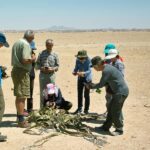
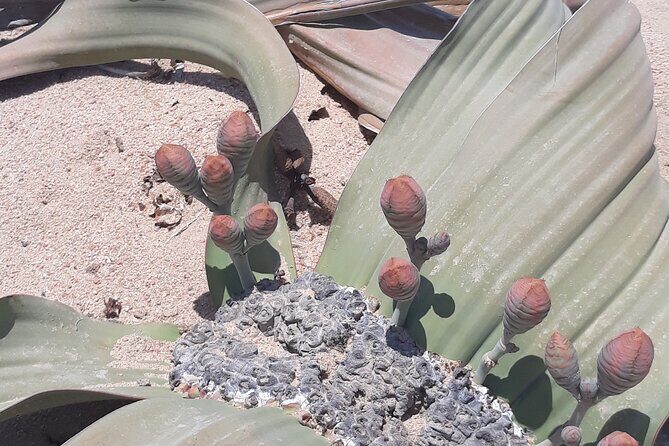
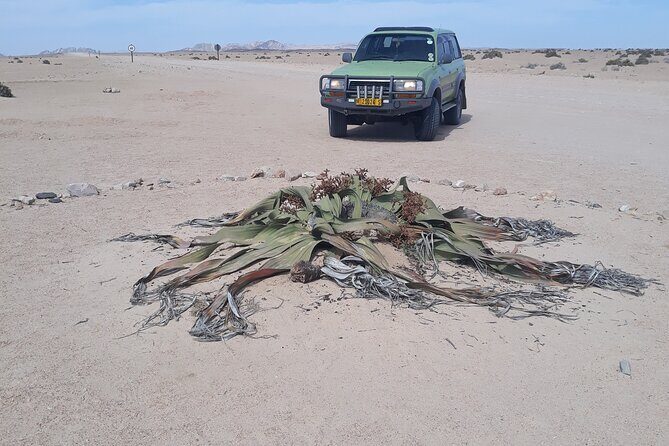
Next comes the Welwitschia area, and it’s one of those stops that feels simple until you learn the details. Welwitschia mirabilis is described as growing only on this kind of plain, so you’re seeing it in its proper “job site.”
The star fact you’ll hear is how the plant survives with very little. It has two leaves, and those leaves grow out of the stem. Wind can tear and ravage them over time, which is exactly the point: the plant is adapted for a place where conditions are brutal and persistent.
If you’re hoping for a quick “look, plant, done” stop, you might not get that. The guide work is part of the value here, and it can be especially strong when you get someone who loves the subject. In particular, I’ve seen firsthand how guides like Uwe can turn a short viewing into a real lesson about desert ecology and why Welwitschia is such a standout survivor.
Goanikontes oasis: small stop, big meaning for Swakopmund
There’s also a shorter pause at Goanikontes, described as a water oasis important to Swakopmund. On a day like this, a 10-minute stop can feel like a blur—but water in the Namib changes everything.
This is the kind of stop that helps the whole day click into place. When you see how limited water is in this region, you start to understand why people historically cared about specific springs and why desert plants and animals have such strict survival strategies.
It’s brief, but it’s useful context before you head back toward the coast and the lagoon.
Walvis Bay lagoon: flamingos, salt lakes, and dune views
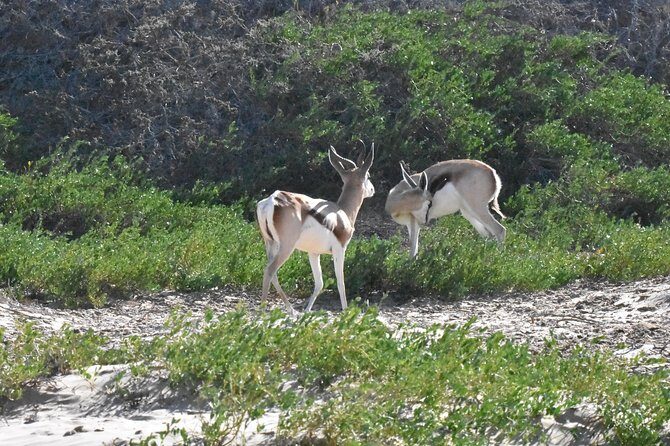
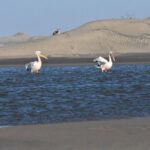
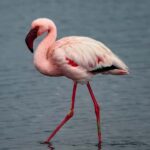
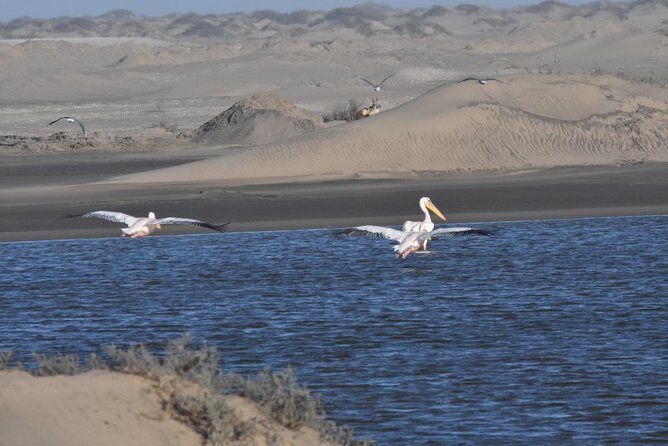
Then you turn toward Walvis Bay, aiming for the lagoon area where flamingos and lots of waders gather. The tour highlights the chance to see flamingos along with hundreds of thousands of other birds in the wider lagoon system, and that scale is hard to forget once you’re there.
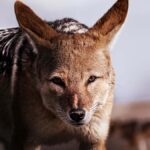
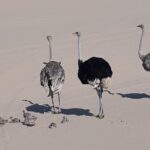
You’ll also drive past pink salt lakes on the way, which gives you a different color palette than the sand you saw earlier in the day. And yes, there’s a good chance the guide will also scan for other coastal life. The plan includes the possibility of spotting seals and jackals among what shows up around the dunes and shoreline zones.
This portion is timed so you get viewpoint time without dragging the day out. The short stop works best if you’re ready to look outward rather than staying glued to your phone. Give your eyes a few minutes to adjust—bird spotting can reward you quickly when you stop rushing.
Sandwich Harbour: the dune-and-sea rollercoaster you came for
Sandwich Harbour is where the day turns dramatic. This is the “dune meets sea” zone, and the description fits the reality: you travel along a narrow strip of beach, with the dunes towering above and the ocean sitting right there.
Entry depends on the tide, so the guide can decide which direction to drive and when to fit the best access. That flexibility matters because it protects the experience. A tide-dependent entry also means you get a more scenic route rather than forcing a single plan that doesn’t match the conditions.
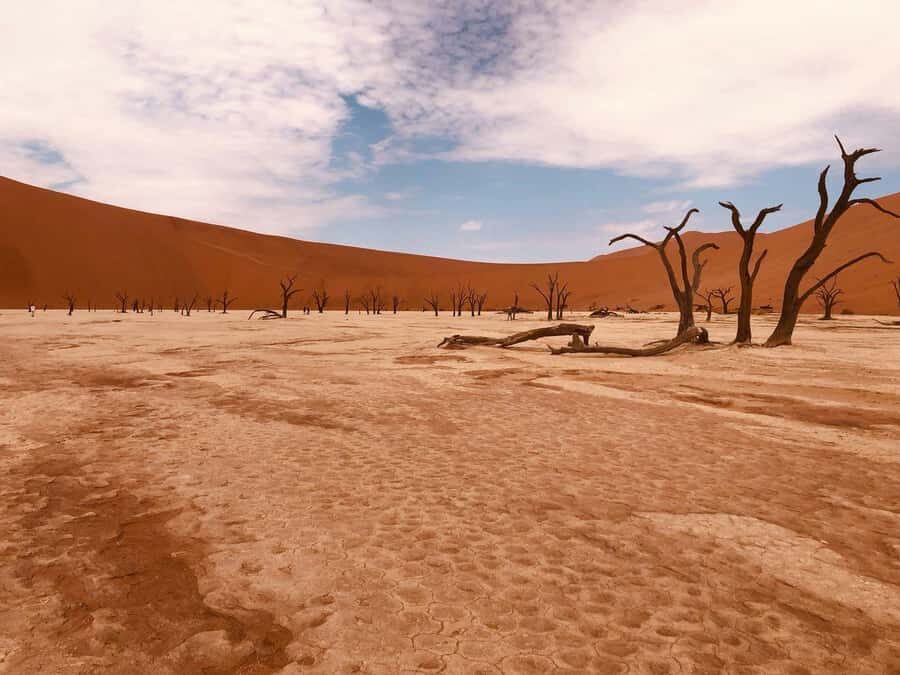
Once you’re in, the driving is part of the attraction. Expect the feeling of a rollercoaster dune ride, with color contrasts that look almost staged—sand tones shifting under changing light, the ocean edge cutting through everything. It’s one of those places where your photos look better when you move around rather than shooting straight from one spot.
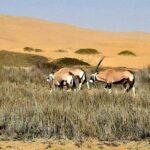
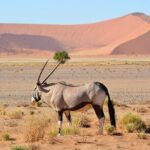
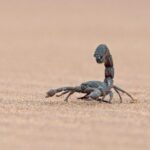
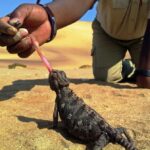
After the main dune driving, there’s also a small game drive element, searching for what life can manage in this harsh environment. Even when wildlife doesn’t show up as you hope, the scenery is still the big payoff.
The practical takeaway: don’t treat Sandwich Harbour like a quick viewpoint stop. Plan to be present for the full stretch—this is the heart of the day.
Price and value: what you’re really paying for at about $218
At $218.54 per person, this tour isn’t a budget gamble. It’s priced like a true day safari from Swakopmund: 4×4 transport, guided interpretation, hotel pickup, and lunch are all included.
So where’s the value? It’s in the combination and the driving. Doing Sandwich Harbour, the Moon Landscape, and Welwitschia in one day means you’re paying for the logistics of getting you across big distances and rough terrain. You’re also paying for the guide’s ability to explain what you’re seeing—especially at the Welwitschia and Moon Landscape stops, where the facts give the visuals context.
It also helps that the group size is capped at 16. That’s big enough to make the day social, but small enough that you’re less likely to feel lost among strangers. If you’re the kind of person who enjoys asking a question mid-drive—why a plant survives, how tides change access—this format tends to work well.
One more value point: this tour is described as seldom cancelled due to bad weather. Sand storms can happen, and routes can change for safety, but the operator’s approach is designed to keep the experience moving when conditions allow.
Logistics that affect your comfort more than you think
First, the physical side. The tour notes a moderate physical fitness level. That generally means you should be comfortable walking short distances on uneven ground, getting on and off the 4×4, and tolerating long sitting time.
Second, the language/guides angle. German guides are limited, and you can’t guarantee a German guide on every tour. If German is important to you, it’s worth contacting the operator ahead of time, because guide assignment happens on a first-come, first-served basis.
Third, the route is flexible. The company reserves the right to change the route depending on weather and safety, and Sandwich Harbour in particular depends on tide. That flexibility is a real benefit when you’re traveling, because it’s usually safer and more scenic than forcing a rigid plan.
Finally, you’ll get a mobile ticket and hotel pickup. That’s the kind of small convenience that makes a big difference during a full-day outing—less time sorting details, more time looking out the window at dunes.
What I’d do to get the most out of this day
If you want the best odds of enjoying the whole day, focus on three things: heat, wind, and timing.
Wear layers you can adjust quickly. Desert weather can shift. Bring sun protection because the Namib sun doesn’t care about your itinerary. Also, expect wind to be a theme. It’s part of why Welwitschia looks the way it does, and it’s part of why this region feels so stark.
On the wildlife side, keep expectations flexible. Flamingos and waders are a main target in Walvis Bay, and the tour is built around that. But a place like this also has variability, so treat sightings as a bonus rather than a requirement for a good day.
And for Sandwich Harbour, stay present during the whole dune section. The best views come when you’re not rushing from spot to spot. Let the dune-and-sea scenes “build” as you drive in.
Should you book the Sandwich Harbour and Welwitschia Tour?
Book this tour if you want a one-day sweep of top Namib highlights from Swakopmund: Sandwich Harbour, Walvis Bay lagoon wildlife, the Moon Landscape, and the Welwitschia mirabilis plant in a guided setting. It’s a strong choice when you only have time for one full-day excursion and you want variety without sacrificing meaning.
Skip it or adjust your expectations if you hate long days on the move. This isn’t a short, gentle stroll. It’s a full day built around 4×4 driving and quick stops with clear viewpoints.
FAQ
How long is the Sandwich Harbour and Welwitschia tour?
The tour runs about 7 to 8 hours.
Is pickup included?
Yes, hotel pickup is included.
How big is the group?
The tour has a maximum of 16 travelers.
Does the tour include lunch?
Yes, lunch is included.
Do I need moderate fitness for this experience?
Yes, the tour notes that travelers should have a moderate physical fitness level.
What about German guides?
German guides are limited, and there is no capacity to give everyone a German guide. Allocation is first come, first served, so you cannot guarantee a German guide.
Is Sandwich Harbour entry affected by tides?
Yes, entry to Sandwich Harbour is tide dependent, and the guide decides which way around to drive based on the day’s conditions.