REVIEW · WINDHOEK
Traditional Cooking Class – Mahangu pap for beginners
Book on Viator →Operated by Anchor Adventures Namibia · Bookable on Viator
Pap is a daily rhythm here. This beginner-friendly Windhoek cooking class teaches mahangu pap basics step-by-step and then gets you cooking and eating a proper local braai-style meal with your tutor. You also get context on how mahangu is grown and stored in the Namibian desert, plus a real chance to chat in a home setting. One consideration: the class can include bold local delicacies like mopane worms or goat head (Smilie), so you’ll want to decide in advance what you’re comfortable trying.
For a lot of people, the best part is the setting. You’ll likely meet hosts and guides such as Linda or Iyaloo, in the neighborhoods locals know best, with time for stories over local beers and traditional drinks (alcohol isn’t included). The tour runs about 3 hours, and it’s set up as a private group, so you’re not just following a script. Kids are welcome, and vegetarian options are available too, with local ingredients like spinach and marula fruit.
In This Review
- Key Things That Make This Mahangu Pap Class Worth Your Time
- Mahangu Pap Isn’t Just a Lesson
- Where You’ll Cook in Windhoek (And Why It Matters)
- The 3-Hour Cooking Flow: From Pap to Your Braai Plate
- 1) Start in Windhoek and get ready to cook
- 2) Make the staple: mahangu pap from the ground up
- 3) Grill and cook the Namibian meat dish (kapana/braai style)
- 4) Vegetarian local dishes are built in
- 5) Eat together and ask your last questions
- Mopane Worms, Goat Head (Smilie), and How to Choose
- What You Pay (and Why It Can Be a Smart Value in Windhoek)
- Practical Logistics: How to Prepare So You Enjoy It
- Who Should Book This Namibian Cooking Class?
- Should You Book: Mahangu Pap for Beginners in Windhoek?
- FAQ
- How long is the cooking class?
- What’s included in the price?
- Is pickup offered in Windhoek?
- Is this a group tour or private?
- Are vegetarian options available?
- Are alcoholic beverages included?
- What local foods might be part of the class?
- Can I cancel and get a full refund?
- Is the class beginner-friendly?
Key Things That Make This Mahangu Pap Class Worth Your Time
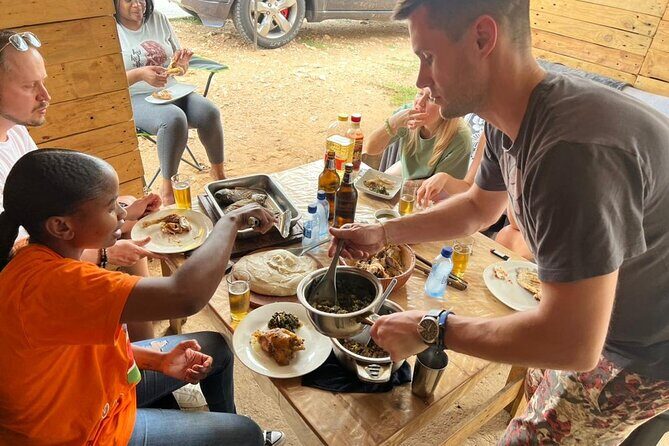
- Hands-on mahangu pap for beginners: you’re not just tasting; you’re learning the staple.
- Farming and storage lessons: you’ll hear how mahangu fits into life in Namibia’s desert conditions.
- Kapana/braai cooking plus your own lunch: you make it, then you eat it.
- Local home setting, not a demo kitchen: expect conversations and local perspective.
- Delicacies for adventurous eaters: mopane worms and goat head (Smilie) may be on the menu.
- Vegetarian options that actually use local flavors: spinach and marula fruit can feature.
Mahangu Pap Isn’t Just a Lesson
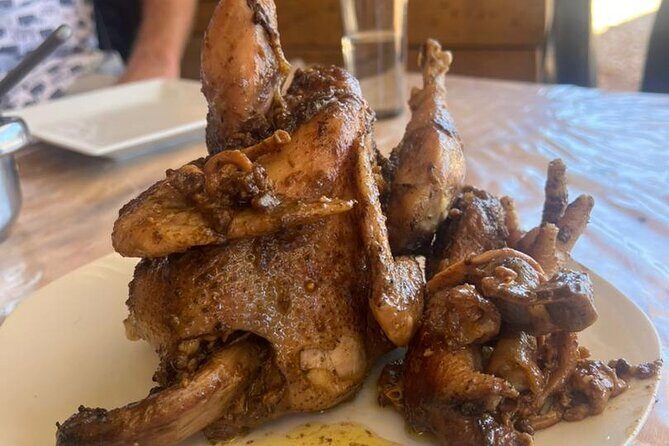
If you want one food to understand Namibian life, start with mahangu pap. It’s a millet-based porridge that shows up again and again as a daily staple, and this class is built to get you comfortable with it fast. Instead of treating pap like a fancy project, the tutor walks you through what makes it work: the ingredient choices, the feel of the dough/mixture, and the practical approach locals use at home.
What I like most is that the class links cooking to the real world. You don’t just hear how to mix and cook—you also learn about farming and storage of mahangu, which matters in a dry climate where planning and preservation are everything. That context makes the food more than just a novelty on a plate. You start to see why this grain is so important, and why it stays central even as tastes and lifestyles shift.
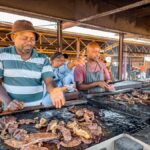
You’ll also cook a meat dish typical of Namibian braai culture, using a grill approach often associated with kapana-style meat grilling. This is where the experience turns from “traditional” into “you can do this later.” You’ll learn the method, not only the menu.
One more practical win: everything you make ends up at your table. You’re not leaving hungry while the group separates into “cooks” and “eaters.” The class is designed so you eat what you prepared, so you can judge taste, texture, and portioning right then.
You can also read our reviews of more tours and experiences in Windhoek.
Where You’ll Cook in Windhoek (And Why It Matters)
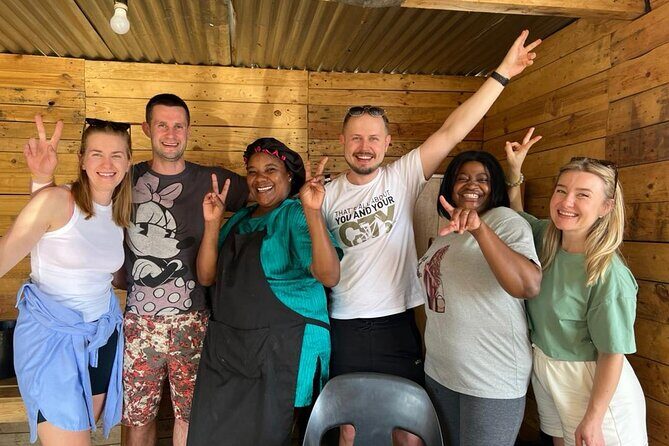
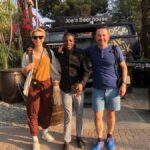
This isn’t a big production line. The point is meeting people where they live and cook. The class takes place in a home setting, and that changes the tone immediately. In past groups, people have cooked in the comfy spaces connected to hosts and cooks such as Iyaloo and Linda, and you’ll likely notice the focus on cleanliness and comfort—working electricity for refrigeration and plenty of handwashing have come up in how the space is run.
Another detail that helps: you’re getting a guide who can explain not just the steps, but the why. Names that have shown up in this experience include Linda, Iyaloo, Annely, Sacky, Petrina, Andrew, and Betty, each offering their own style of instruction. Even if you don’t get the exact same person, you can expect the same basic goal: help you understand Namibian food habits in plain language.
You’ll also get time for conversation—story swapping over some local beers and traditional drinks. That part matters because it’s how you learn the meaning behind the food. You’ll hear how people talk about crops, family meals, and daily routines in Windhoek. It’s the kind of cultural connection that doesn’t require museum time.
Finally, the tour is private. That means you’re not forced into a “watch and wait” role with strangers. You can ask questions, move at your pace, and get more personal guidance—especially if you’re a true beginner.
The 3-Hour Cooking Flow: From Pap to Your Braai Plate
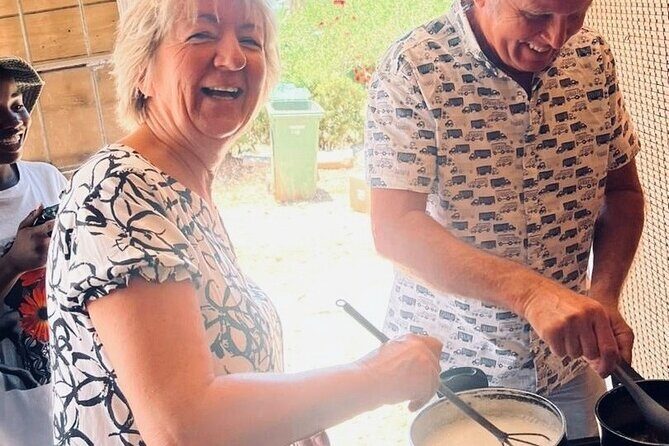
The class runs about 3 hours, and it’s structured so you don’t get stuck for long in one stage. Here’s the rhythm you can expect.
1) Start in Windhoek and get ready to cook
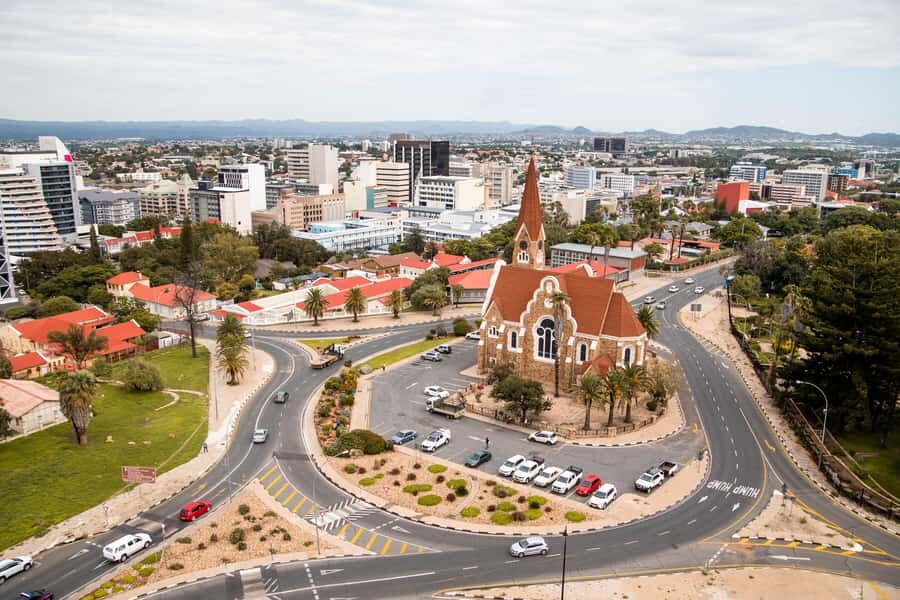
You meet at Christuskirche on Robert Mugabe Ave, near a public-transport route. Pickup is offered, so if you’re basing yourself in central areas or hostels, you can reduce the hassle of getting there on time. You’ll end back at the meeting point too, which keeps the logistics simple.
Once you’re with your tutor, you’ll get an overview of the dishes and the key local ingredients. If you’ve never worked with millet-based pap before, this early framing helps. You’re not guessing what “right” looks like.
2) Make the staple: mahangu pap from the ground up
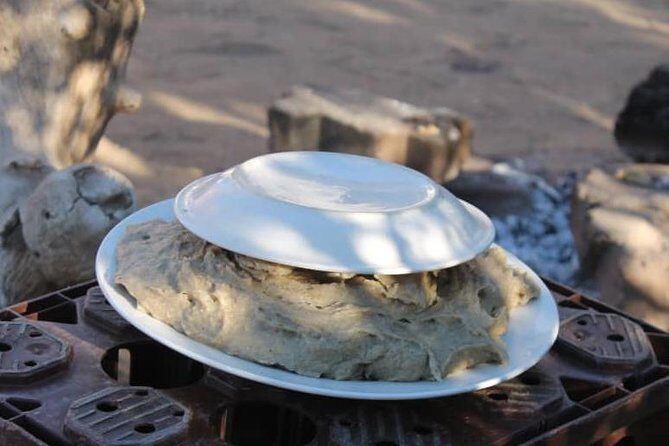
This is the core of the class. You’ll learn how to prepare pap using mahangu (millet). The tutor explains the process while you get hands-on. Along the way, you’ll talk about how mahangu is farmed and how it’s stored—because “dry climate cooking” is a different problem than cooking with fresh, year-round ingredients.
If you’re curious about what pap is like beyond taste—texture, consistency, and how it holds up as a meal—this is where you’ll get answers. You’ll also see how it becomes the foundation for the rest of the lunch.
3) Grill and cook the Namibian meat dish (kapana/braai style)
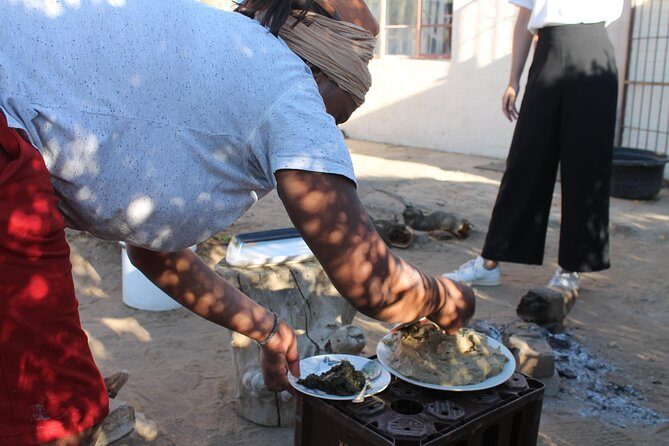
After pap, you shift to a meat preparation cooked on a grill/braai approach. The class emphasizes traditional Namibian methods and local flavors. Depending on the day and the group, you might also find extra dish variations in the mix, because past menus have included things like dried meat preparations and tripe-based dishes. In some groups, fish has also shown up—so don’t be surprised if the exact menu evolves.
The big takeaway for you: you’re learning method and seasoning logic, not just following a recipe card.
4) Vegetarian local dishes are built in
Vegetarian guests aren’t an afterthought. The class can prepare local spinach and marula fruit options, using local produce and familiar flavors in a Namibian style. In practice, this gives vegetarians a full meal instead of a small substitute.
5) Eat together and ask your last questions
When you sit down, you eat what you cooked. That includes lunch as part of the class price, plus snacks and soft drinks/soda and bottled water. Alcoholic beverages are not included, so if you want beer or something stronger, plan on paying separately or enjoying local drinks where they’re offered within your comfort zone.
Mopane Worms, Goat Head (Smilie), and How to Choose
This class has space for adventurous eaters, and it doesn’t shy away from local delicacies. You may have the chance to try mopane worms and goat head, known as Smilie. You’re not forced into it, but the option is there, which makes the class feel more authentic than a safe “internationalized” menu.
If you’re the type who wants a full cultural experience, these foods can be a highlight. Mopane worms in particular can be surprising because they’re a well-known Namibian ingredient—crunchy, savory, and very tied to local harvesting.
On the other hand, if you’re sensitive to the idea of offal or textured foods, you can still enjoy the experience through pap and the main cooked dishes. The class also offers vegetarian options, so there are choices that keep you well-fed and included.
For me, the best part is that you get context. The tutor can explain how these foods fit into diets, what they taste like, and why locals include them. That makes the tasting less of a dare and more of a learning moment.
What You Pay (and Why It Can Be a Smart Value in Windhoek)
At $56.99 per person, this class sits in the “worth it if you care about food culture” zone. The price is more than just cooking instruction. It includes snacks, soda/pop, lunch, bottled water, and private transportation.
That bundle is where the value comes from. In many cities, a food experience with meals and transport can cost more once you add everything separately. Here, you’re getting the whole package: you learn, you eat, and you’re not navigating taxi timing afterward.
A big plus: group discounts are available, and it’s an average booking timing of about 18 days in advance, which suggests it’s a popular slot rather than a random add-on. If you know you want a beginner-friendly pap focus, earlier planning helps you lock in the day you prefer.
One more value factor: it’s private. Even if you’re traveling solo, you’re not doing a crowded schedule where your “hands-on” time shrinks.
Practical Logistics: How to Prepare So You Enjoy It
This is a straightforward outing, but a few small choices can make it smoother.
- Wear closed-toe shoes and something you don’t mind getting stained. Millet porridge prep and grill cooking can get messy in the best way.
- Bring a camera, but expect to use it between steps. Cooking time matters.
- If you’re avoiding alcohol, remember it’s not included. Soft drinks are included, but alcoholic drinks are on you.
- If you’re traveling with kids, know that children are welcome. This can be a friendly, family-paced cultural stop rather than a strict adult-only class.
- If you have mobility needs or you travel with special requirements, do check what’s described for service animals and proximity to public transportation. Service animals are allowed, and the meeting area is near public transport.
Who Should Book This Namibian Cooking Class?
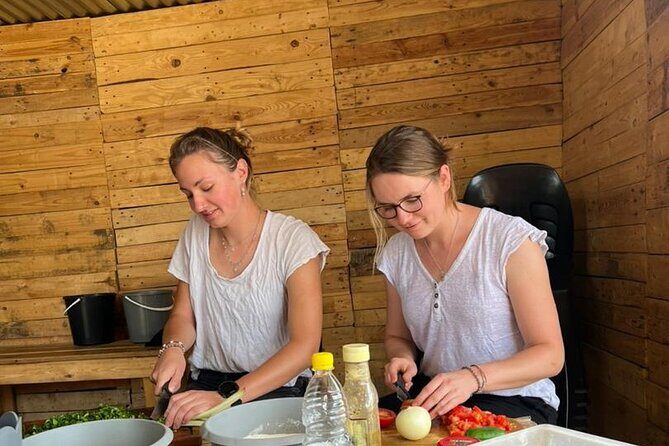
Book it if you want real Namibian food skills, not a quick tasting. This is ideal for beginners who want to cook pap and understand how it connects to desert farming. It’s also a strong choice if you like conversation and cultural context—because you’ll spend time with Namibian hosts and tutors, not just in a studio.
You’ll probably also enjoy it if you want a break from the usual sightseeing circuit. Windhoek has plenty to see, but food is one of the fastest routes into local life.
It may not be the best fit if you strongly dislike the idea of trying delicacies like mopane worms or goat head, or if you only want a strictly vegetarian menu every time. That said, vegetarian options exist, and pap plus grilled dishes can still deliver a full meal.
Should You Book: Mahangu Pap for Beginners in Windhoek?
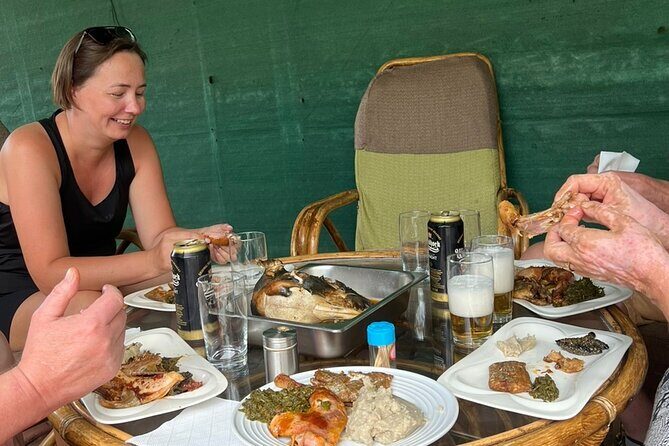
Yes, if your goal is to leave with skills you can repeat at home. The combination of mahangu pap instruction, local farming/storage context, and cooking a braai-style meal makes this more useful than a typical “eat then leave” food stop.
Also, you’re paying for the full package—meal, snacks, drinks like soda and water, and private transport—so you aren’t piecing together a bunch of extras. If you’re comfortable being open to Namibian delicacies, this class is especially memorable. If not, you can still enjoy it through pap and the vegetarian options.
If you’re planning your Namibia route and you want one cultural, hands-on Windhoek stop that isn’t just pictures, this is a solid bet.
FAQ
How long is the cooking class?
It runs for about 3 hours.
What’s included in the price?
You get snacks, soda/pop, lunch, bottled water, and private transportation.
Is pickup offered in Windhoek?
Yes, pickup is offered, and the activity ends back at the meeting point.
Is this a group tour or private?
It’s a private tour/activity. Only your group will participate.
Are vegetarian options available?
Yes. Vegetarian guests can be prepared local spinach and marula fruit options.
Are alcoholic beverages included?
No. Alcoholic beverages are not included.
What local foods might be part of the class?
Mahangu pap is the main focus. There may also be kapana/braai-style meat cooking, and for adventurous guests, mopane worms and goat head (Smilie). Vegetarian options may feature spinach and marula fruit.
Can I cancel and get a full refund?
Yes. You can cancel up to 24 hours in advance for a full refund.
Is the class beginner-friendly?
Yes. It’s specifically described as a mahangu pap class for beginners.