REVIEW · SWAKOPMUND
Swakopmund: Moon Valley and Namib Desert Welwitschia Tour
Book on GetYourGuide →Operated by Charly's Desert Tours · Bookable on GetYourGuide
Moon Valley feels like another planet. From Swakopmund, this Moon Valley and Namib Desert Welwitschia tour takes you into ancient canyons and plant country where survival is the whole story. It’s guided, it’s small, and it’s heavy on practical nature knowledge you can actually use to look closer.
I like the Welwitschia mirabilis focus. The guide work around it makes the plant feel less like a photo and more like a survivor with a strategy. I also like the way the tour builds from geology to living desert details, including what people once used desert-adapted plants for.
One thing to plan around: wildlife sightings aren’t guaranteed, and the walking is light but on uneven desert ground. If you hate bumps, go in with the right expectations and wear grippy shoes.
In This Review
- Key things you’ll notice on this tour
- Moon Valley’s canyon walls and why they matter
- From Swakopmund pickup to the viewpoint photo stop
- The guided Moon Valley walk: uneven ground, big payoffs
- Desert flora education: how survival turns into human value
- Welwitschia mirabilis: the desert plant that makes the tour
- Wildlife spotting: who you might see and how to spot them
- The secret stop: a change of angle and attention
- Group size and guide style: small enough to ask, structured enough to learn
- Timing, comfort, and what to pack for a 4-hour desert day
- Price and value: what $57 buys in the real world
- Who should book this Swakopmund Moon Valley and Welwitschia tour
- Should you book? My practical take
- FAQ
- How long is the Moon Valley and Welwitschia tour?
- Where does pickup happen?
- Is it a small group?
- What language is the guide?
- How much walking is involved?
- Can wheelchair users join?
- Are wildlife sightings guaranteed?
- What does the tour include?
Key things you’ll notice on this tour
- Ancient Moon Valley badlands where the canyon shapes look impossibly old
- Welwitschia mirabilis explained as a true desert specialist
- Desert flora and human use: medicinal and nutritional stories you can connect to the land
- Wildlife spotting focus for bigger animals like springbok and ostrich, plus smaller critters
- Small-group pace (max 2 people) so questions don’t get lost
- Photo stops and a secret stop that change the view, not just the scenery
Moon Valley’s canyon walls and why they matter
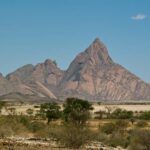
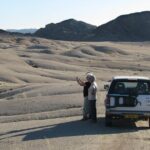
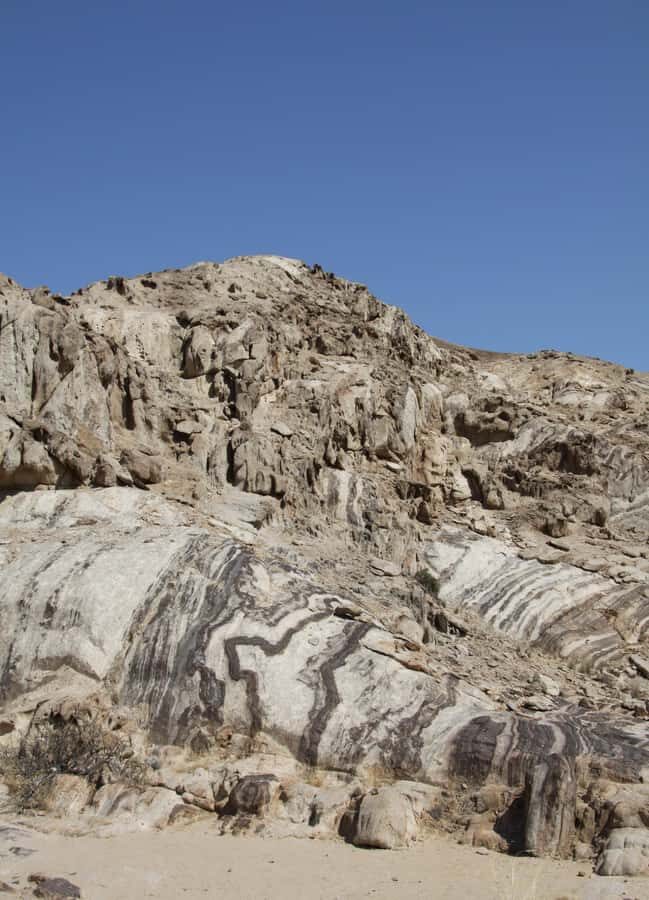
The Namib Desert can feel like it’s all emptiness—until you stand in the right place. Moon Valley is one of those places. The canyons and badlands look sculpted by time, and the guide uses that setting to help you understand how this desert gets read like a map: shapes, rock colors, and where plants manage to live.
At the start, you’re picked up in Swakopmund (hotel or guesthouse only). Then you head out with a small group and a live English guide. The “getting oriented” part is real here: you’re not just driving to a view. You’re being taught how to look at what you see—canyon form, plant survival patterns, and the logic of where animals might show up.
If you’re the type who likes to connect dots—geology to botany to wildlife—this tour clicks. If you only want wildlife action, you’ll still get some chances, but the experience spends equal time on desert understanding.
You can also read our reviews of more tours and experiences in Swakopmund.


From Swakopmund pickup to the viewpoint photo stop
This is a short tour at 4 hours, so every section needs to earn its time. After pickup, you’ll reach a viewpoint where the guide builds the background first. Expect sightseeing plus a photo stop where you can frame the Moon Valley setting.
This is where the tour’s rhythm starts to make sense. You’ll see the ancient canyons and badlands, then you’ll hear why they’re worth your attention. The guide’s job is to translate the scene from “cool rocks” into “a desert system with reasons.”
Practical tip: bring your camera gear, but also keep your eyes up. In a place like this, the most interesting moments are often a mix of wide canyon views and close-up details—especially when you’re learning what to look for in plant life.
The guided Moon Valley walk: uneven ground, big payoffs
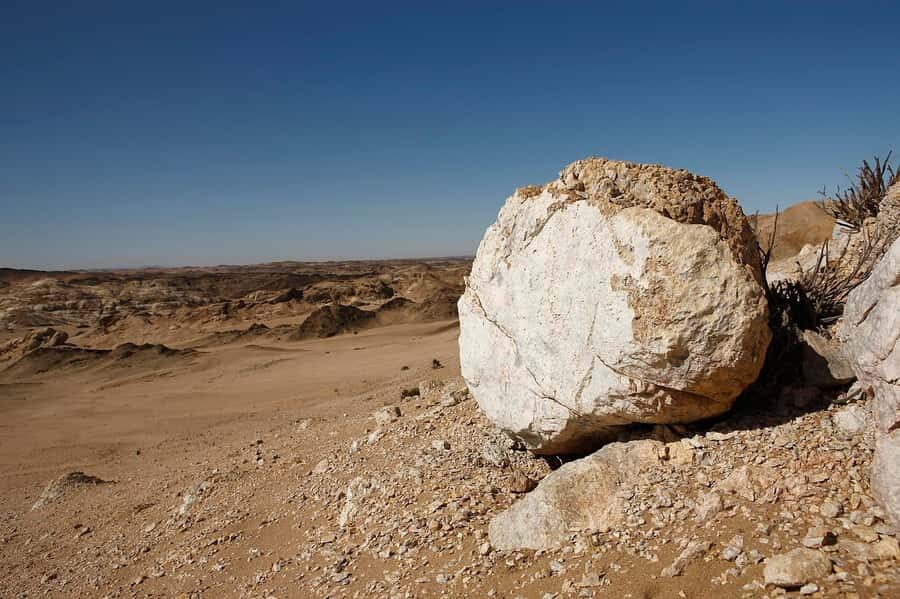
The walking is described as minimal, but it’s still on uneven desert terrain. That matters because the guide wants you close to features that you can’t understand from far away. Think of it as short movement, not a long hike—more like repositioning so the story fits the place.
This stop is about the “ancient canyons” feeling. You’re traveling back in scale, in the sense that the canyon formation represents deep time. The guide ties those formations to the desert environment you’re standing in now.
Here’s what I like about this approach: you’re not rushed through a list of sights. You’re guided through a few key observations. That makes it easier to spot desert life later, because you know what the environment is trying to do.
Desert flora education: how survival turns into human value
One of the strongest parts of the tour is the plant education. You’ll learn about desert flora and the intrinsic value plants hold for indigenous people who once roamed Southern Africa. That’s not just “names of plants.” It’s about what plants mean to people living with limited resources.
The guide also covers medicinal and nutritional uses of desert-adapted flora. Even if you don’t remember every detail, you’ll leave with a clearer sense of why desert plants are more than decoration. They’re tools, food sources, and remedies—adapted to harsh conditions that make ordinary plants struggle.
This section changes how you experience the desert. Instead of asking only what looks pretty, you start asking what helps, what survives, and why it grows where it grows. That shift is the real value of guided botany like this.
Welwitschia mirabilis: the desert plant that makes the tour
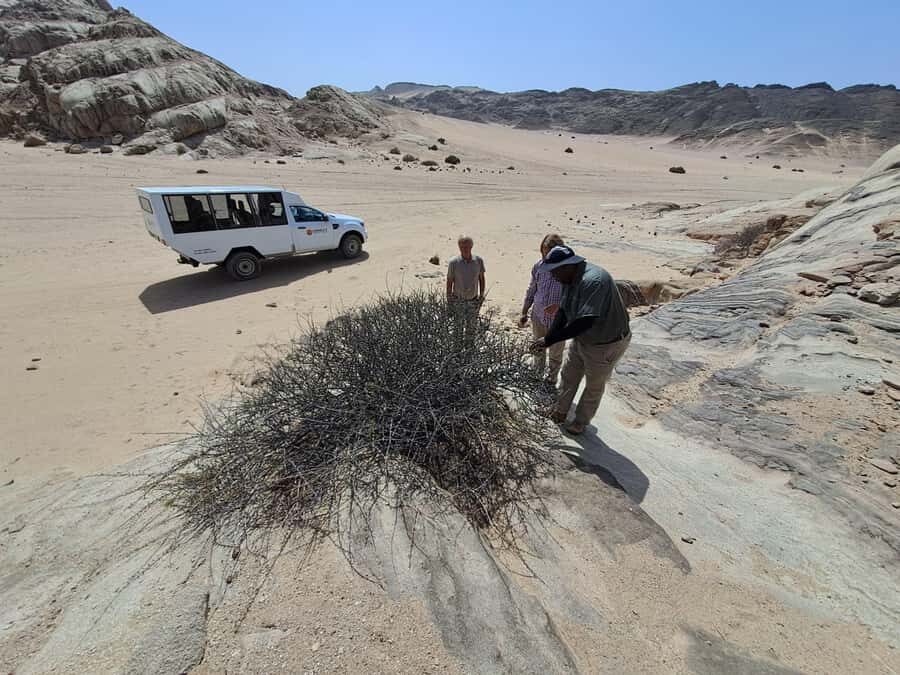
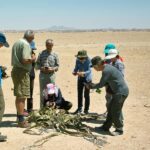
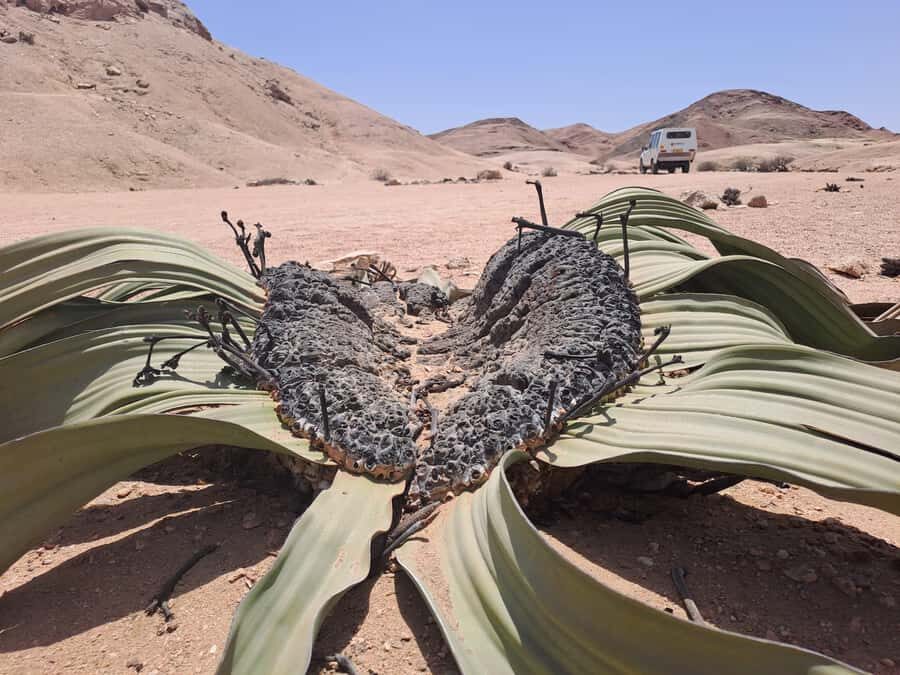
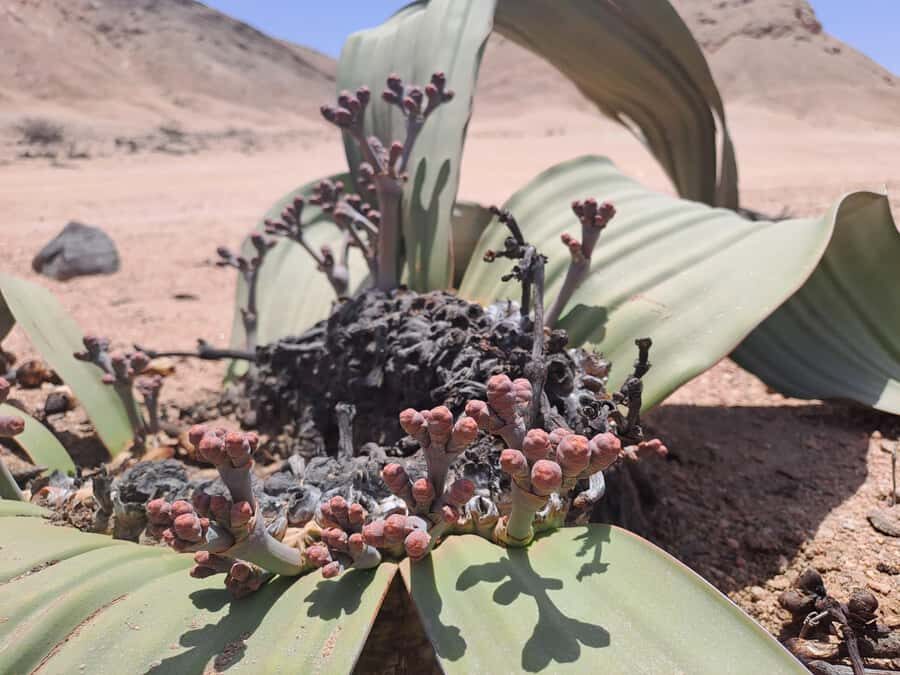
The star topic is the Welwitschia mirabilis. You’ll learn the “secrets” behind this unique desert plant—how it fits into the harsh conditions of the Namib.
The key idea isn’t just that it’s unusual. It’s that the tour connects Welwitschia to the wider pattern of desert survival. The guide explains hidden strategies for living under stress—so when you finally focus on the Welwitschia, it doesn’t feel random.
This is also where the guide quality really shows in real life. In past experiences with Charly’s Desert Tours, guides like Ernst and Frank were specifically praised for explaining Welwitschia well, and for showing love for the land and nature. That combination—clear explanation plus genuine enthusiasm—makes you pay attention instead of zoning out.
If you’re a curious reader who likes science but also likes story, this is a good match. If you want a quick photo-op only, the plant education might feel like more talking than you expected.



Wildlife spotting: who you might see and how to spot them
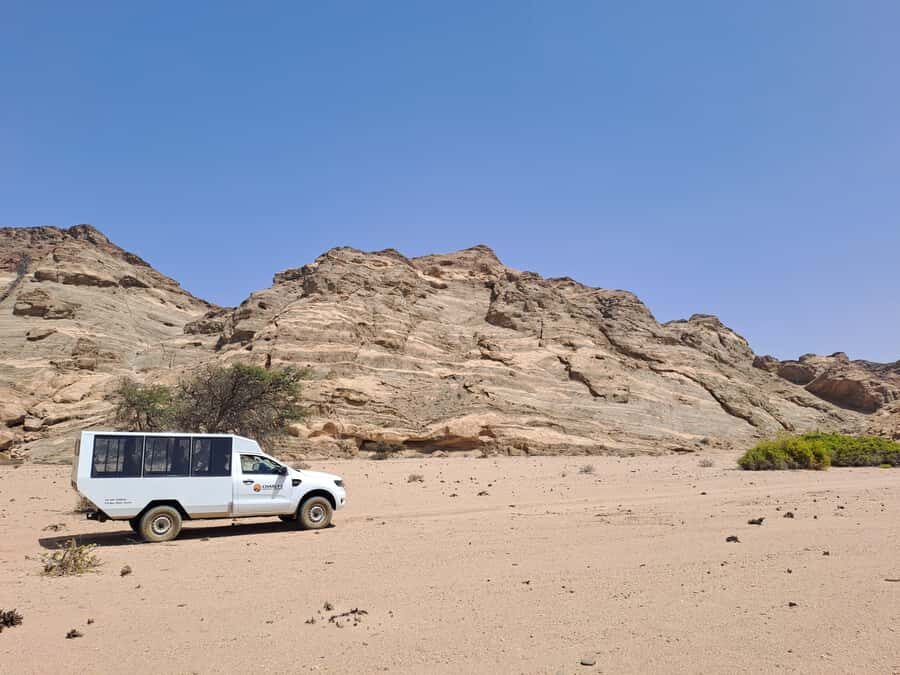
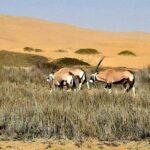
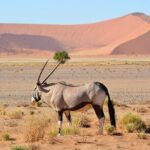
Wildlife is part of the experience, but it’s handled realistically: wildlife sightings aren’t guaranteed. That’s honest, and it keeps you from treating the tour like a lottery ticket.
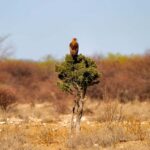
The guide will actively look for animals and helps you keep an eye out for species such as:
- springbok
- ostrich
- klipspringer
- chameleons
- swallow-tailed bee-eater
- Karoo Chat
- plus smaller creatures like beetles
Even when you don’t see every target, the spotting focus teaches you where to look and what to notice. In arid areas, animals often appear suddenly, stay still, and blend into the environment. A good guide helps you read the terrain faster.
Also, keep your expectations flexible. In this kind of desert outing, the most memorable wildlife moment might be a brief sighting of a small creature—or a clear view of tracks or behavior that explains what you’re seeing.
The secret stop: a change of angle and attention
After the main Moon Valley segment and the plant/wildlife education, you’ll reach a secret stop. It’s still part of the guided story, not a random detour.
This is the type of stop that tends to matter for two reasons. First, it shifts your perspective—so you’re not just staring at the same canyon view for the whole tour. Second, it gives the guide a chance to point out details you might miss elsewhere: how the environment changes across small areas, and where plants or signs of wildlife might fit best.
The “secret” name doesn’t mean secret info for marketing. It usually means there’s a carefully chosen spot that adds meaning. That’s exactly what you want on a 4-hour experience: fewer generic viewpoints, more “why are we here?” moments.
Group size and guide style: small enough to ask, structured enough to learn
This tour runs as a small group limited to 2 participants. That’s a big deal for a tour built around questions. You can ask about plants, explain what you noticed, and get more direct answers. It also makes the timing smoother: you’re less likely to have a lag between what the guide says and what the group sees.
The tour is guided by a live English-speaking guide, and the guide’s role is hands-on: spotting, interpreting, and explaining. Based on guide feedback from the past—especially praise for Ernst and Frank—this provider appears to focus on clear plant and desert explanations, and that “I love this place” attitude that helps people stay engaged.
If you prefer group tours where everyone moves together like clockwork, this might feel a bit different. But for many people, small group is the whole point: you get the desert story without the noise.
Timing, comfort, and what to pack for a 4-hour desert day
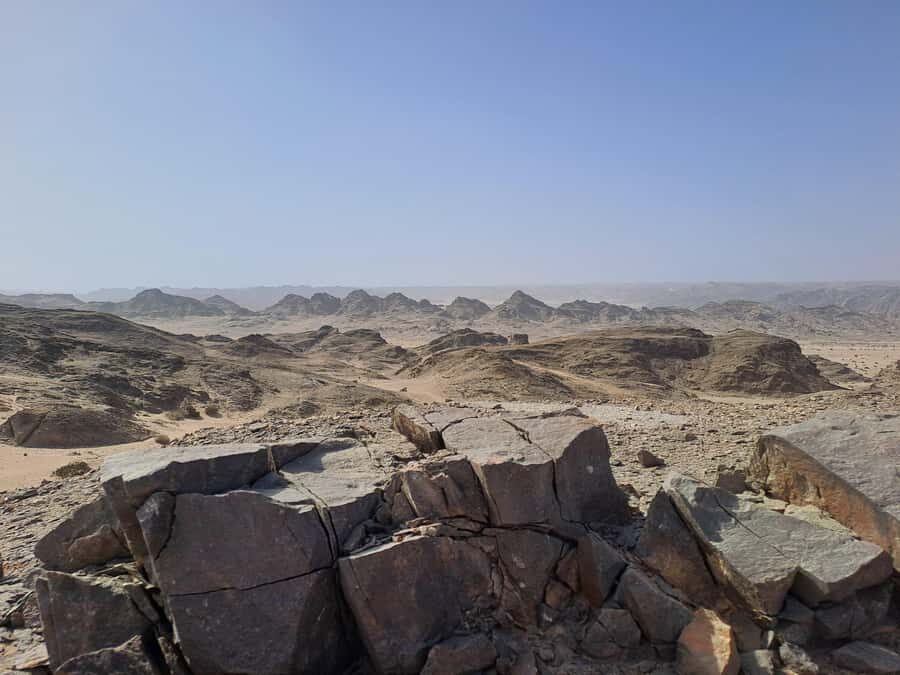
Because the tour is only 4 hours, you’ll want to be set up for quick comfort. The terrain is uneven, and the activity involves minimal walking—so you don’t need hiking boots for long distances, but you do need traction and stability.
Bring:
- grippy shoes (important for uneven ground)
- sunglasses and sun protection
- a camera, plus the willingness to put it down for close-up viewing
- a water plan, even though mineral water is included
Also, this is a desert environment. Even when the schedule feels relaxed, the sun and dryness can get to you. Pace yourself. The best photos and best wildlife sightings often happen when you slow down enough to actually notice what’s in front of you.
Price and value: what $57 buys in the real world
At $57 per person for a 4-hour guided outing, the value comes from more than “getting to Moon Valley.” You’re paying for:
- a guided explanation of Moon Valley canyons
- desert flora education, including medicinal and nutritional use context
- a specific focus on Welwitschia mirabilis
- wildlife spotting help (with a realistic chance, not a guarantee)
- pickup service from Swakopmund hotels/guesthouses
- mineral water
- small-group time (max 2 people)
If you’ve ever done tours where you get the view and then a long drive with little interpretation, you’ll feel the difference here. The tour is built as a guided learning walk with viewpoints that support the story, not just stop-and-go sightseeing.
Would it be cheaper if you did it on your own? Often, yes. But you’d also lose the plant-wildlife connection, and you’d have to figure out your own “where to look” system.
Who should book this Swakopmund Moon Valley and Welwitschia tour
Book it if you:
- want geology + botany + wildlife in one short outing
- enjoy learning why desert plants survive and how they matter to people
- like small groups and direct answers from your guide
- want a meaningful stop in the Erongo area without committing to a full-day safari-style trip
Skip it if you:
- need guaranteed wildlife sightings
- use a wheelchair or need wheelchair-accessible terrain
- want only a quick photo stop with no plant education component
Should you book? My practical take
Yes, I’d book this if your goal is a guided desert education that still feels scenic and alive. The strongest reason is the combination: Moon Valley’s ancient canyon setting plus focused learning about Welwitschia mirabilis and desert-adapted plants. The small-group size also makes it easier to learn rather than just observe.
Be honest about one thing: wildlife can be quiet in the desert. If you’re okay with that uncertainty—and you’re there for the plants, the canyons, and the guide’s desert storytelling—this tour is a smart use of a few hours from Swakopmund.
FAQ
How long is the Moon Valley and Welwitschia tour?
The tour lasts 4 hours.
Where does pickup happen?
Pickup is included from any hotel or guesthouse in Swakopmund. AirBnB-type accommodation is not included in pickup; for AirBnBs, the meeting point is Desert Explorers parking area (look for the Charly’s Desert Tours vehicle).
Is it a small group?
Yes. The group is limited to 2 participants.
What language is the guide?
The live tour guide speaks English.
How much walking is involved?
The tour involves minimal walking through uneven desert terrain.
Can wheelchair users join?
No, it’s not suitable for wheelchair users.
Are wildlife sightings guaranteed?
No. Wildlife sightings are not guaranteed, though wildlife spotting is part of the tour.
What does the tour include?
You get a guided tour of Moon Valley, wildlife spotting, flora and fauna education, and mineral water.