REVIEW · SWAKOPMUND
3 Day Etosha Budget Camping Safari
Book on Viator →Operated by Chameleon Safaris · Bookable on Viator
Etosha nights hit like a drumbeat. This 3-day budget camping safari from Swakopmund mixes sunrise game drives with the flood-lit waterhole, so you’re always in the right place at the right time. It’s a straightforward route through Namibia’s biggest animal country, then you roll into Windhoek on Monday afternoon.
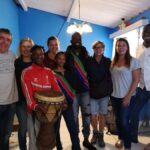
I especially like two things: the small group size (max 7), which keeps the driving and wildlife stops feel personal, and the fact that most of your day-to-day needs are handled, including camp meals with your guide doing the cooking. In a trip built around long wildlife days, that comfort matters.
The main drawback to plan for is camping gear. If you’re relying on a thin sleeping bag, Etosha nights can get cold, and drinks and snacks (including mineral water) aren’t included.
In This Review
- Key highlights to know before you go
- The Etosha route: why it works for a budget trip
- Day 1 in Etosha: gate timing, first drives, and the flood-lit waterhole
- Day 2 sunrise to waterhole-hopping: how you maximize Etosha time
- Day 3 back toward Windhoek: final drive odds and Okahandja crafts
- Camp life in Etosha: comfort, cold nights, and starry skies
- What’s included, and what you’ll need to budget
- Guide quality is the real multiplier: Simon, Johnny, Anton, Gabriel, and Anthony
- Who this safari fits best (and who should think twice)
- Booking timing and what to expect on Saturdays
- Should you book this 3-Day Etosha Budget Camping Safari?
- FAQ
- How long is the Etosha safari and how many nights is it?
- Where do you start and end on this tour?
- What meals are included in the price?
- Are drinks and snacks included?
- Do I need to bring a sleeping bag?
- What’s the group size limit?
Key highlights to know before you go
- Flood-lit waterhole evenings: expect night wildlife at the water’s edge, not just daytime driving.
- Sunrise strategy: gates open at sunrise, and your day is timed for first light viewing.
- Long time in Etosha: 1 full day plus an afternoon drive gives you real chances, not a rushed hit-and-run.
- Camping with a working base: you’re not living out of a backpack all day; camp time is part of the rhythm.
- Guide-led, food-included days: breakfast, lunch, and dinner are covered, and multiple guides are praised for their cooking.
- Small-group feel: max 7 travelers means fewer people competing for camera angles and window seats.
The Etosha route: why it works for a budget trip
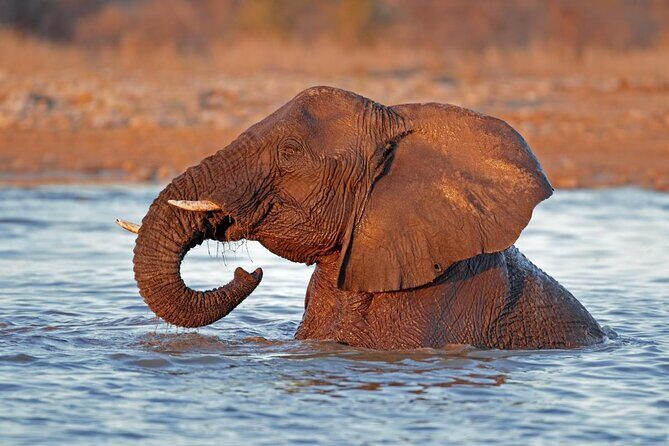
This safari is built around Etosha National Park’s basic truth: water controls the wildlife here. Etosha is huge (about 22,000 square kilometers), and it’s named after the famous Etosha Pan, a salt pan at the heart of the park. When water is scarce, animals show up predictably, which is exactly what your schedule is designed to use.
What makes this route feel like good value is that you’re not only paying for “a vehicle and seats.” You’re paying for timing: leaving Swakopmund in the morning, targeting a late-afternoon game drive on Day 1, then starting fresh with sunrise access on Day 2. That rhythm is what turns a budget safari into a serious wildlife outing.
You’ll also notice the trip sticks to a simple loop: Swakopmund → Etosha → Windhoek. That means less transit stress and more time in the park and at the waterholes where sightings often happen.
A few more Swakopmund tours and experiences worth a look
Day 1 in Etosha: gate timing, first drives, and the flood-lit waterhole
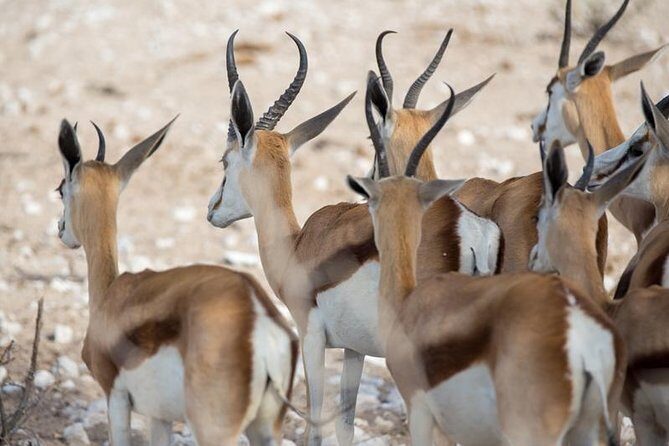
You’re collected in Swakopmund and head toward Etosha National Park by road. The goal is to reach the gate around 16h00, which is a classic wildlife window: light is still decent, predators may move after daytime heat, and plains animals start to reposition.
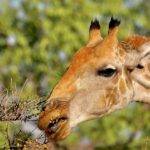
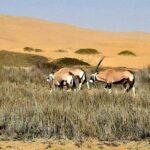
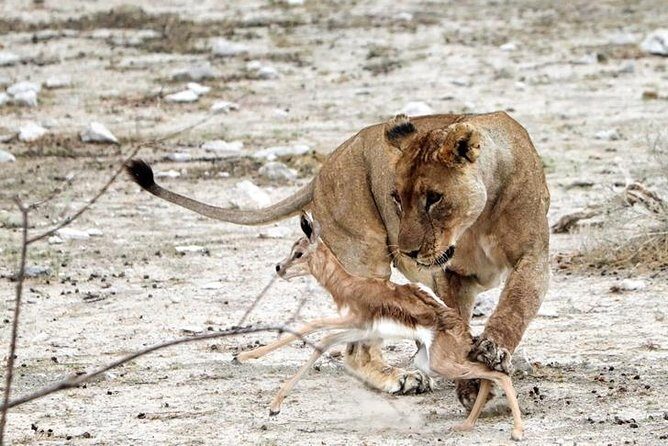
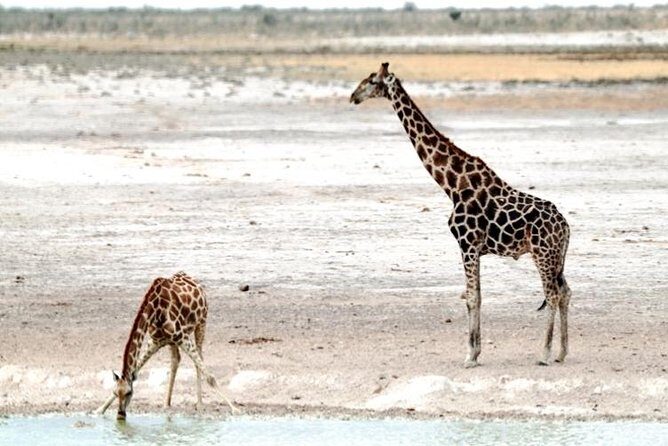
Once you arrive, you’ll do a game drive from the gate toward your camp for the night. This first drive is your “welcome to Etosha” stretch. It’s usually when you get those early wins—giraffes, springboks, warthogs—plus the thrill of realizing the park is alive even when it’s not morning.
Then comes the part people remember: dinner, followed by time at the flood-lit waterhole. One key detail here is that the waterhole experience is a night event, not just a quick stop. It’s the setting where you wait and watch as animals come in to drink, and that slower pace is where the magic lives.
Practical note: you’ll be in safari mode quickly, with a full day ahead. Wear layers, keep your camera ready, and treat the waterhole evening like a long viewing session, not an afterthought.
Day 2 sunrise to waterhole-hopping: how you maximize Etosha time
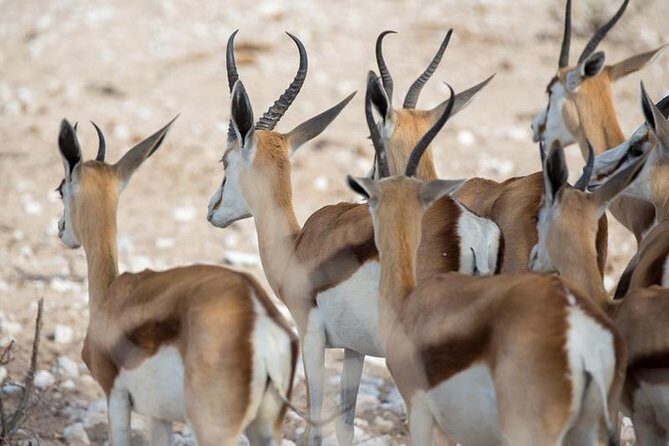
Day 2 is where the park really gets your attention. Etosha gates open at sunrise, and the plan is to get on the way early after breakfast. Early morning is productive because animals are active, and the light helps you spot movement before you see the full shape.
Etosha is a desert environment, and your driving approach focuses on waterholes—both natural and man-made. The idea is simple but smart: instead of chasing wildlife randomly, you go where animals are likely to gather. This is why the day feels efficient. You’re not stuck searching forever; you’re checking reliable “animal magnets.”
The schedule is built for repeated chances: you’ll aim to visit as many waterholes as possible during the day. If you’re hoping to see predators, early timing matters because big cats and other hunters often move during cooler hours, while prey animals keep shifting toward water.
In terms of what you should do personally: keep your eyes up for subtle signs. Tracks, fresh droppings, and animal lines toward a waterhole often tell you what you’ll see before it appears. A good guide will position the vehicle so everyone has a decent view, and a small group makes it easier for that to happen smoothly.
Day 3 back toward Windhoek: final drive odds and Okahandja crafts
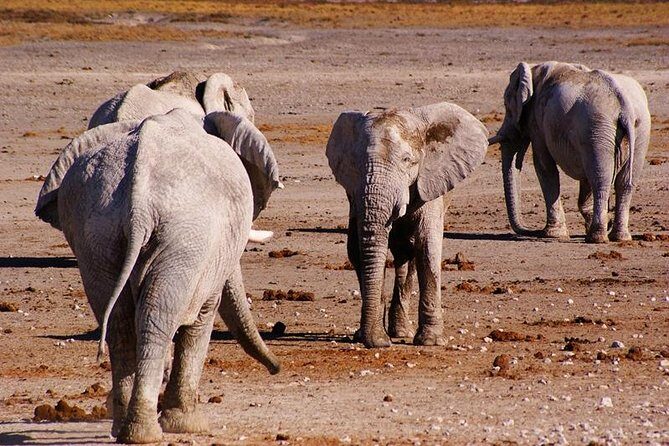
On Monday, you’ll break camp and head toward the park exit with another game drive. This is your “one more shot” window—time to catch predators and plains game before the route turns toward Windhoek.
After the final wildlife time, you stop briefly in Okahandja to refuel. This matters because it turns an otherwise long travel day into a chance to grab a real Namibia souvenir. Okahandja is known for its craft scene, especially the wood carving market where craftsmen from across Namibia showcase items both large and small.
If you like gifts that feel connected to place (not mass-produced), this is the moment to buy. You’re already in a region where local makers set up their work for visitors, and you can choose items you’d actually want at home—things you can trace back to a real stop on your route.
You aim to be back in Windhoek late afternoon, with a shuttle service dropping you at your accommodation within the city limits.
Camp life in Etosha: comfort, cold nights, and starry skies
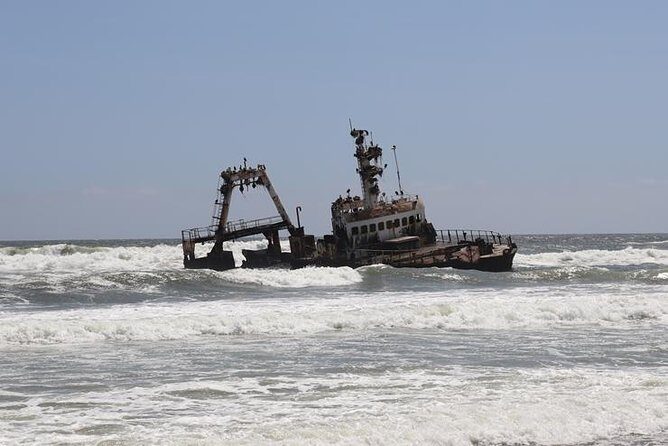
This is a camping safari, so the style is part of the appeal. You’re not in a lodge with a lobby and a quiet buffet. You’re living on a tight rhythm: drive, eat, watch, sleep, repeat.
What surprised me in the feedback from past guests is how much they valued the camp setup itself—comfortable tents and an overall well-equipped feel. One review also pointed out the simple but powerful bonus: at night you hear the park, and the view turns into a sky full of stars once you settle in.
The clear caution is sleeping temperature. If you run cold, don’t treat the sleeping bag as optional. One guest flagged that they were too cold because their sleeping bag wasn’t warm enough. If you don’t already have the right gear, the trip can help you by letting you hire a sleeping bag through Chameleon Safaris.
Also plan your expectations for power and connectivity. One guest noted there was no Wi‑Fi at camp, with any connection limited to the bar/restaurant area. The practical takeaway is: charge your devices in advance, and treat the evenings as unplugged time.
A few more Swakopmund tours and experiences worth a look

What’s included, and what you’ll need to budget
The price here is $634.56 per person for 3 days / 2 nights. For Etosha, that’s a fairly budget-friendly way to get: multiple game drives, admissions, and full meal coverage while camping. You’re not just paying for “transportation,” you’re paying for guide service and a schedule that hits strong viewing times.
Here’s what’s included:
- Breakfast (2)
- Lunch (3)
- Dinner (2)
- Etosha admission tickets (Day 1 and Day 2)
- Mobile ticket
- Small-group operation (max 7)
Here’s what’s not included:
- Drinks (including mineral water) and snacks
- Sleeping bag (can be hired from Chameleon Safaris)
- Tips
For value planning, think like this: if you’d normally buy day snacks and drinks at each stop, those costs add up fast. Budget extra for water and small extras, especially because you’re spending long hours on the move with limited opportunities to shop spontaneously inside the park.
And one more thing: this tour is non-refundable and can’t be changed after booking. If your schedule is flexible, keep that in mind before you commit.
Guide quality is the real multiplier: Simon, Johnny, Anton, Gabriel, and Anthony
With safaris, the wildlife is the headline. But the guide is the difference between a good trip and a great one. In the feedback, guides came up again and again—especially Simon, Johnny, Anton, Gabriel, and Anthony—with praise for how they drive, read animal behavior, and keep camp life running smoothly.
You’ll also notice a theme: cooking. Several reviews mention standout meals, including one guest who specifically called out the best steak cooked by Johnny. Others praised camp food in general and how guides handled day-to-day camping needs.
So what should you look for when you show up?
- Ask questions early and listen to how the guide explains wildlife movements and waterhole timing.
- Respect the schedule. Sunrise starts are not “extra.” They’re where you gain your sightings.
- Trust the positioning. A skilled driver gets you the right angle and minimizes disturbance.
If you’re booking this because you want real Namibia energy with a human touch, this tour’s guide culture is a big reason people recommend it.
Who this safari fits best (and who should think twice)
This is a strong pick if:
- You want Etosha wildlife without a luxury lodge budget.
- You’re okay with camping and want the classic safari rhythm.
- You like small groups and a more hands-on feel.
- You value sunrise game drives and waterhole evenings, not just a single “big day.”
It may be less ideal if:
- You need stable Wi‑Fi or lots of downtime amenities at camp.
- You’re very sensitive to cold and don’t have the right sleeping bag.
- You’re traveling late in the season without flexible packing. In that case, bring proper layers and a warm bag.
The sweet spot is a traveler who likes nature and can handle a few basics—sleeping arrangements, limited extras, and long day driving—because you’re trading comfort for wildlife time.
Booking timing and what to expect on Saturdays
This safari starts every Saturday and runs until Monday afternoons. It’s typically booked around 56 days in advance, which is a useful clue: popular dates and small-group tours tend to fill earlier than big-bus options.
You’ll also receive a confirmation at the time of booking, and the ticket is mobile. For planning, that means you can keep it all in your phone and focus on packing and layering.
Should you book this 3-Day Etosha Budget Camping Safari?
I’d book it if your priority is Etosha wildlife with a practical budget, and you’re happy to sleep in a tent and spend evenings watching animals at the flood-lit waterhole. The combination of sunrise viewing, multiple waterhole stops, meals included, and a small group makes it feel like more than the sum of its parts.
I’d think twice or prep harder if you’re worried about cold nights or you like having drinks, snacks, and connectivity on demand. Bring a warm sleeping bag (or hire one), pack layers, and budget for water and small extras.
If you want an Etosha trip that feels real, not rushed, and doesn’t drain your savings before you even reach the park, this is the kind of safari that makes sense.
FAQ
How long is the Etosha safari and how many nights is it?
It runs for 3 days and about 2 nights.
Where do you start and end on this tour?
You start in Swakopmund and end in Windhoek, with drop-off at accommodations within the city limits on Monday afternoon.
What meals are included in the price?
Breakfast is included twice, lunch is included three times, and dinner is included twice.
Are drinks and snacks included?
No. Drinks (including mineral water) and snacks are not included.
Do I need to bring a sleeping bag?
A sleeping bag is not included, but you can hire one from Chameleon Safaris.
What’s the group size limit?
The tour has a maximum of 7 travelers.