REVIEW · WINDHOEK
Discover the Routes of N/a’an ku sê.
Book on Viator →Operated by Chameleon Safaris · Bookable on Viator
Seeing lions close up changes your whole day. This Naankuse Wildlife Sanctuary tour in Windhoek puts you on a guided drive through the reserve, where rescued predators like lions and cheetahs live in safer, carefully managed conditions than they ever did as pets. I like that you get both action (feeding time) and context (how the sanctuary handles animals that can’t be released). One thing to keep in mind: you’re not going to get zoo-like, bar-straight-to-your-phone close-up photos, because safety comes first.
I also like the photography value here: the reserve is set up for real viewing on the drive, and the animals are often active around feeding moments. And the experience is kept small; a maximum of three people is promoted for a more personal feel, even though the overall cap is listed at 13 travelers.
If you’re hoping for the closest possible photos, plan your expectations. Even when animals are near, you’ll be viewing from a safe distance and behind normal safety rules, so your best shots will come from patience and angles, not from trying to press in.
In This Review
- Key things I’d circle before you go
- Naankuse Wildlife Sanctuary: why this feels different
- The 1:30 PM plan: what 5 hours looks like in real time
- The wildlife drive: where your photos and spotting skills come in
- Feeding time: adrenaline, but with rules
- Ambassador animals: conservation you can actually understand
- Who this tour is best for (and who might want to think twice)
- Price and value: is $136.71 a good use of time?
- Logistics that matter: mobile ticket and weather dependency
- Final call: should you book Discover the Routes of N/a’an ku sê?
- FAQ
- How long is the Naankuse Wildlife Sanctuary tour?
- What time does the tour start?
- Is pickup offered, and do I get a ticket electronically?
- What wildlife might I see at Naankuse?
- How big is the group?
- Is admission included?
- What happens if the weather is bad?
Key things I’d circle before you go
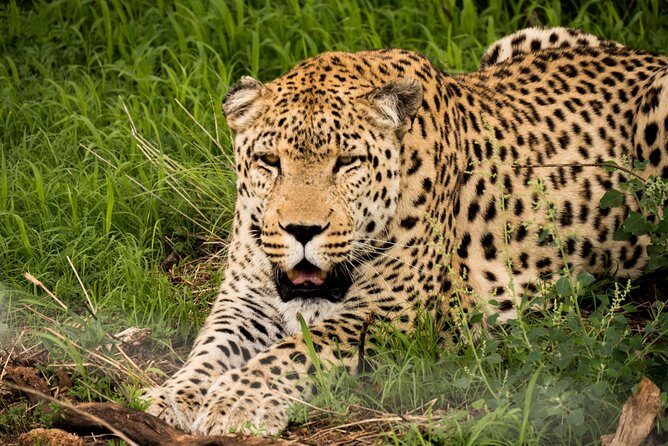
- Rescued apex predators living in a managed reserve, not roadside “petting zoo” vibes
- Feeding sessions led by guides, with live behavior and habitat explanations
- Small-group feel (promoted up to three people), plus photography-friendly driving stops
- Ambassador animals work: why some animals stay in-care instead of being released
- A guided drive through Naankuse where spotting happens at real pace, not a rushed checklist
Naankuse Wildlife Sanctuary: why this feels different
Naankuse (N/a’an ku sê) isn’t selling a fantasy safari. It’s a rescue-and-care setting in Namibia where predators that were once kept as dangerous pets end up in a safer, supervised environment. That context matters, because you’re not just watching wildlife for entertainment. You’re watching animals whose lives were shaped by people, and the sanctuary is managing their daily needs.
What I like most is that the tour focuses on behavior, not just species names. Your guide will talk about how these animals use their space, how feeding moments fit into their routine, and how the reserve balances visitor viewing with animal safety. Even if you’ve seen lions elsewhere, this adds a layer: you’re learning the “why” behind what you’re seeing.
Another plus is the variety. Lions and cheetahs get a lot of attention, but you’re also in the neighborhood of wild dogs, hyenas, leopards, baboons, and more. That mix can keep you watching the whole time instead of zoning in on just one animal.
You can also read our reviews of more tours and experiences in Windhoek.
The 1:30 PM plan: what 5 hours looks like in real time
The tour starts at 1:30 pm, and the total time is listed at about 5 hours. Expect the day’s flow to be built around a drive and time on-site during the main feeding window.
Here’s the practical rhythm you can plan for:
- You’ll begin at Naankuse Wildlife Sanctuary for the main viewing segment, which is listed as 3 hours.
- The remainder of your time is typically used for getting set up, driving between viewing areas, and settling in for feeding time and the guide’s explanations.
- Since the experience is weather-dependent, you’ll want to bring layers and stay flexible. If conditions are off, you might be offered a different date or a full refund.
Bring a camera strap you’ll actually use, and don’t fight the light. In early afternoon you can get strong contrast, so plan on shooting in bursts rather than constantly holding the shutter down. It’s usually calmer—and more successful—when you let the guide’s timing lead you.
The wildlife drive: where your photos and spotting skills come in
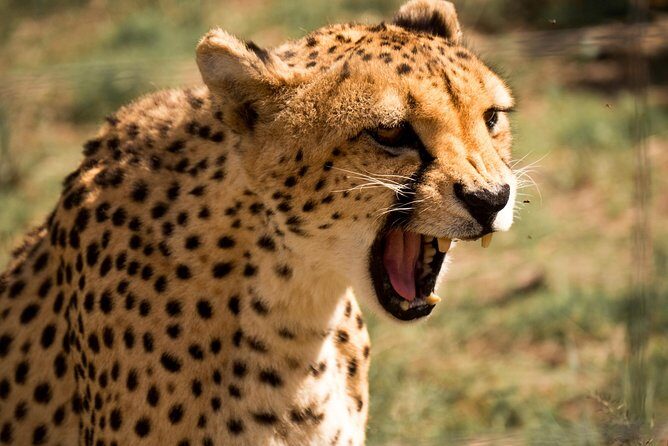
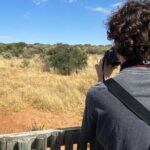
The core of the experience is the drive through the reserve with your guide, where you look for animals in the sanctuary. Naankuse is designed for viewing, but it’s still real animals in real space. That means the day can be unpredictable in a good way: you’re not just moving from one guaranteed spot to the next.
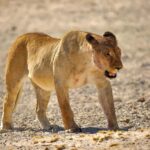
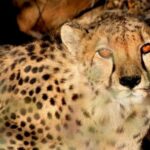
You can look out for several species, including baboons, caracals, lions, cheetahs, African wild dogs, and leopards. Depending on how animals are behaving that day, the time can shift from one group to another. Sometimes you’ll be staring at brush for a while; sometimes something crosses the road and the whole vehicle perks up.
Your guide’s job is to help you see what’s there without turning it into a frantic chase. In the best moments, they’ll point out details that make the animals feel real—body posture, movement style, and what signals they’re giving during feeding time.
And yes, photography matters here. You’ll likely get multiple opportunities throughout the tour, not just one quick moment at the end. Your best results will come from keeping your camera ready, staying patient when animals are “somewhere nearby,” and trusting the guide to position you for safe viewing.
Feeding time: adrenaline, but with rules
Feeding sessions are one of the main reasons people go, because feeding time can make animal behavior instantly easier to read. When an animal is focused on food, you often see movement patterns, social dynamics, and hunting-or-foraging instincts more clearly.
This tour is built around those feeding sessions being led by guides. That’s not just for excitement; it’s also practical. You learn how caretakers time feeding, how animals respond, and how the sanctuary’s routines reflect animal health and safety.
Now, a word that saves disappointment: you will not be trying to get too close for dramatic, close-up photos. One past guest flagged a misunderstanding about getting very close-up shots at the enclosures. The operator’s response was clear: animals are wild and dangerous, and safety means you stay at a safe distance. In other words, treat your expectations like a safari: you’re here to observe, not to chase proximity.
If you want great pictures, focus on angles from the vehicle or permitted viewing points. If you’re aiming for portraits with crisp fur detail, use zoom, shoot in bursts when something moves, and accept that you may capture more “full frame behavior” than “tick-marks-on-the-bar” images.
Ambassador animals: conservation you can actually understand
One of the most interesting parts of this experience is the explanation of ambassador animals. Some rescued animals can’t go back into the wild, and that’s where the sanctuary role becomes bigger than “housing.” Ambassador animals help educate the public and protect both the animals and the visitors by keeping care structured and supervised.
You’ll learn how the park protects these animals when release isn’t possible. That turns the whole tour from a simple viewing session into a conservation lesson you can explain later. It also helps you understand why some animals might be present in ways that feel different from a classic national park safari.
This section is valuable if you care about conservation that goes beyond hashtags. It’s not just about seeing predators; it’s about learning what happens when the wild isn’t an option anymore, and how organizations respond responsibly.
Who this tour is best for (and who might want to think twice)
This is a strong fit if you want a predator-focused experience without the long distances and complexity of a full day safari drive. Since it’s about 5 hours and includes guided viewing and feeding, it’s a good “slot-in” activity when you’re based around Windhoek.
I’d also steer you toward this tour if you:
- enjoy photography and want multiple shots opportunities
- like learning how animal care actually works
- want a small-group feel, where you can ask questions and keep your attention on what you’re seeing
It might be less ideal if you only care about getting the closest possible photo. The sanctuary experience is safety-first, and that means you won’t be pressing into enclosures or getting the kind of distance-free shots you may have imagined.
If you’re traveling with kids, this is still listed as possible for most travelers, but the best approach is to bring a curious mindset: focus on behaviors and guide explanations, not on the thrill of proximity.
Price and value: is $136.71 a good use of time?
At $136.71 per person, this tour sits in the mid-range for a guided, predator-focused wildlife reserve experience. The value comes from three places:
- Guided drive + feeding time
This isn’t just a passive walk. Feeding moments and guide-led explanations make it a guided “event,” which is usually what you’re paying for with wildlife tours.
- Admission included for the main segment
The itinerary notes admission is included, which helps you avoid surprise costs.
- Small-group vibe
The tour highlights a maximum of three people for a more personal experience, and the overall cap is listed at 13. Either way, you’re unlikely to be stuck in a giant herd of people jostling for a view.
Is it worth it if you’re chasing guaranteed lion sightings? That’s the tricky part with wildlife. The experience is set up to maximize viewing, but you’re still at a sanctuary in a natural environment, not a stage. Still, with the guide’s role in spotting and interpreting behavior, the probability of an engaging experience feels good.
Logistics that matter: mobile ticket and weather dependency
This tour includes a mobile ticket, and pickup is offered. That’s helpful because it reduces friction when you’re moving around Windhoek.
One more practical detail: the experience requires good weather. If it’s canceled due to poor weather, you’ll be offered a different date or a full refund. I’d treat that as a normal Namibia reality check. Plan it as a flexible-day activity, not as the one thing you can’t risk rescheduling.
Final call: should you book Discover the Routes of N/a’an ku sê?
I’d book this tour if you want a guided predator experience that comes with real conservation context. The best part is the combination: you get a reserve drive, feeding time, and ambassador animal explanations that make the sanctuary’s work understandable, not vague.
Skip it—or adjust your expectations—if your main goal is getting ultra-close photos. Safety rules are part of the package here, and you’ll enjoy the day more if you focus on behavior, guide guidance, and patient viewing rather than trying to force proximity.
If you’re in Windhoek with a half-day to spare and you care about how rescue and care support animals that can’t return to the wild, this is a solid choice.
FAQ
How long is the Naankuse Wildlife Sanctuary tour?
The tour lasts about 5 hours (approximately).
What time does the tour start?
The start time is 1:30 pm.
Is pickup offered, and do I get a ticket electronically?
Pickup is offered, and you’ll use a mobile ticket.
What wildlife might I see at Naankuse?
You may encounter baboons, caracals, lions, cheetahs, African wild dogs, leopards, and more.
How big is the group?
The experience is described as having a maximum of three people for a more personal experience, and it also lists a maximum of 13 travelers.
Is admission included?
Yes, admission ticket is included for the Naankuse Wildlife Sanctuary portion.
What happens if the weather is bad?
The experience requires good weather. If it’s canceled due to poor weather, you’ll be offered a different date or a full refund.
If you want, tell me your travel dates and whether you’re staying near central Windhoek, and I’ll help you choose the best way to fit this into your schedule.