REVIEW · WALVIS BAY
Walvis Bay: Namibian Coast Dolphin Cruise with Light Lunch
Book on GetYourGuide →Operated by Mola Mola Safaris · Bookable on GetYourGuide
Wildlife first, lunch later, all in sea air.
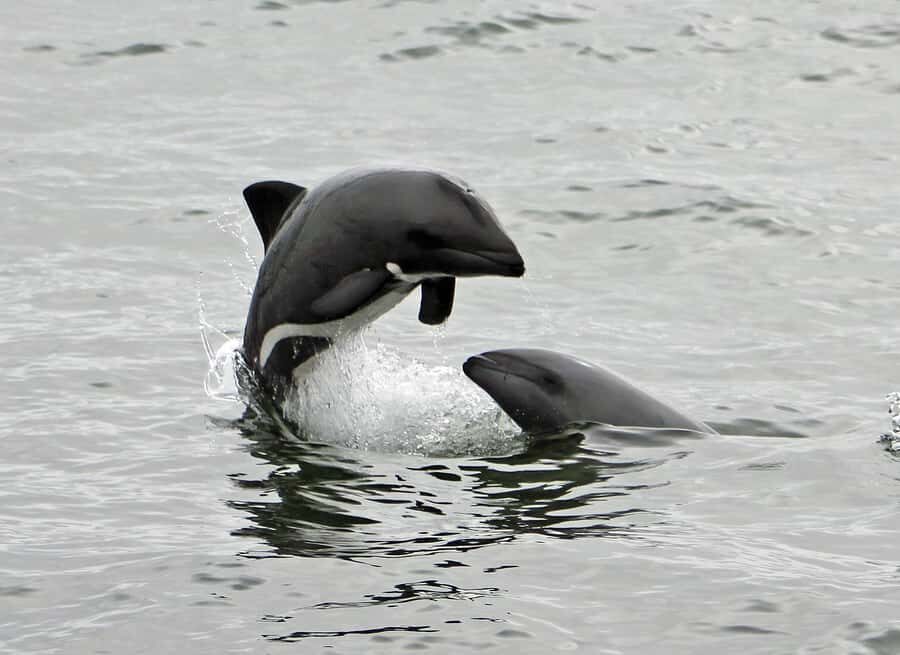
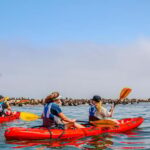
This Walvis Bay dolphin cruise is one of those Namibia trips where the coast does most of the talking, from curious pelicans to big seal colonies. I like that you start off warm and properly set up with a Namibian coffee (or sherry) before you head out, and I also like the chance to learn what you’re seeing from a live English guide. One thing to keep in mind: spotting dolphins or whales depends on conditions, and weather can also shift timing.
What makes the experience feel worth your time is how varied it is in a short window. You’ll cruise the Atlantic, hunt for dolphin or whale sightings, then get an up-close look at Pelican Point where the seals hang around in huge numbers (about 100,000 seals are expected there). And you’re not just watching from a distance—there’s also a calm drift along the coastline with a light lunch served on the beach.
The only drawback is simple: you might not see the animals you hoped for on the day you go. If you’re expecting a guaranteed dolphin show, plan to enjoy the birds, seals, and the overall rhythm of the coast instead.
In This Review
- Key points before you go
- Walvis Bay Atlantic Cruise: Why Pelican Point Is the Main Character
- Starting at Walvis Bay Waterfront: Coffee, Blankets, and Getting Oriented
- Offshore Watching for Dolphins and Whales (Without the Pressure)
- Getting Closer to Pelican Point: Seals, Pelicans, and the Lighthouse View
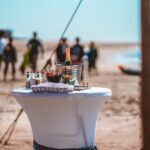
- Light Lunch on the Beach: Oysters, Skewers, and Sparkling Wine
- What the 3 Hours Feel Like: Timing, Weather, and Pacing
- Price and Value: Is $155 Fair for This Coast Experience?
- Who This Cruise Fits Best (And Who Should Adjust Expectations)
- Should You Book This Walvis Bay Dolphin Cruise?
- FAQ
- How long is the Walvis Bay Namibian Coast Dolphin Cruise?
- Where does the tour meet?
- Is lunch included?
- What drinks are included?
- Do you get hotel pickup and drop-off?
- What animals might you see on the cruise?
- Are pets and large bags allowed?
- What items or activities are not allowed on the boat?
- Is the timing affected by weather?
Key points before you go
- Pelican Point seal colonies: you’re in the right place for big numbers of seals.
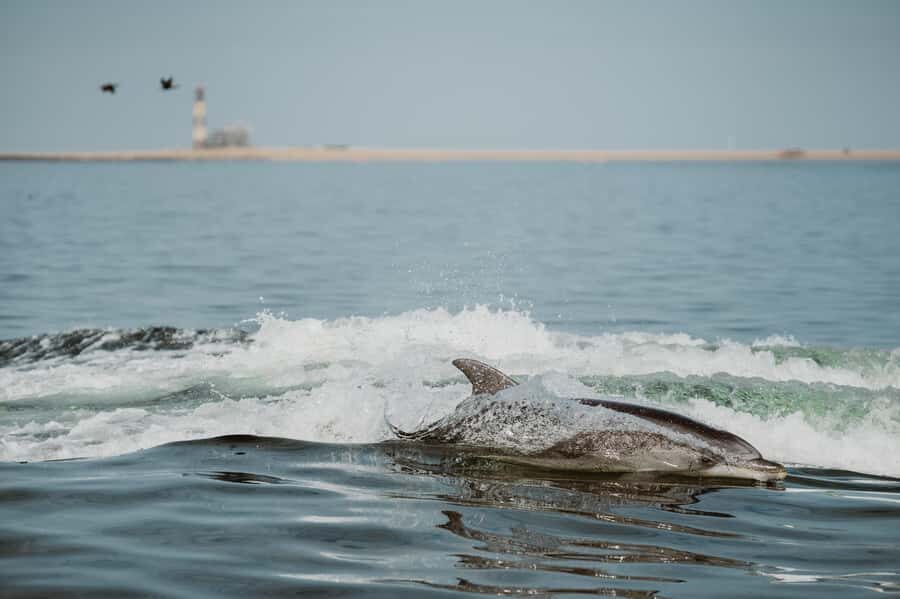
- Atlantic cruising time: a relaxed 3-hour window to look for dolphins or whales.
- Warm start: Namibian coffee or sherry plus blankets to take the edge off the breeze.
- Lunch with a coastal twist: beach-style light lunch that can include oysters and sparkling wine.
- A guide who explains: the captain and crew focus on what’s happening around Walvis Port and Pelican Point.
Walvis Bay Atlantic Cruise: Why Pelican Point Is the Main Character
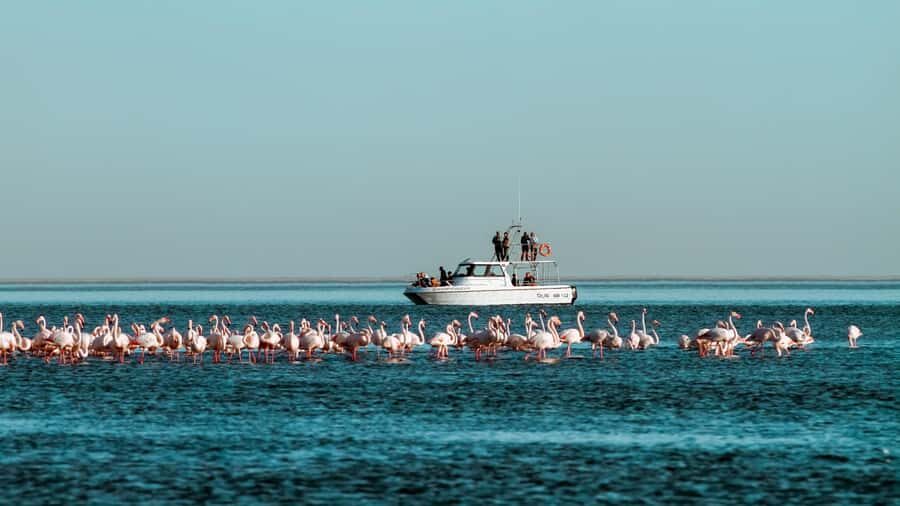
Walvis Bay is built for sea-life watching, and this cruise leans hard into that advantage. You get a boat ride on the Atlantic side of Namibia, then a payoff near Pelican Point where seals and pelicans are a constant presence. The vibe is calm and coastal rather than rushed, which matters when you’re trying to spot wildlife that doesn’t follow a schedule.
I also like that the tour is designed around real sightings instead of forced stops. You head out to search for dolphins or whales, but when the day’s wildlife rhythm changes, you still have plenty to focus on—birds, seal behavior, and the coastline itself. That balance makes it a better choice for people who want nature without turning it into a checklist.
And if you care about learning something, this is where the experience gets smarter than just sightseeing. The captain-style commentary you’ll hear is tied to what animals are doing around Walvis Port and how the coast functions as habitat.
You can also read our reviews of more boat tours in Walvis Bay
Starting at Walvis Bay Waterfront: Coffee, Blankets, and Getting Oriented
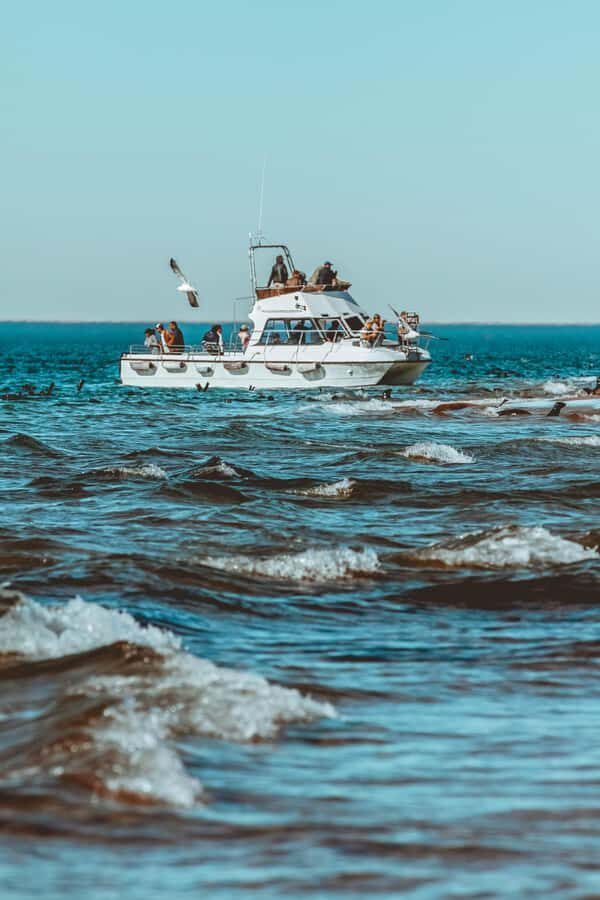
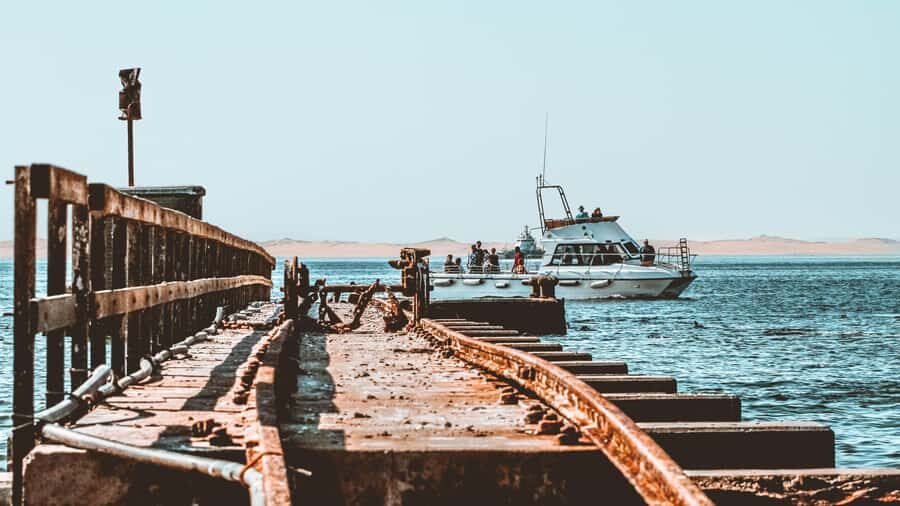
Your tour starts at the Walvis Bay Waterfront, next to Anchors restaurant, in the red and blue building. From there, you’re not trekking across town or waiting endlessly for a pickup—this is straight-to-boat energy, which I find helps the day feel efficient. You should still show up a bit early so you can get settled before you head out.
Before departure, you’ll start with a warm drink: Namibian coffee or sherry, depending on what’s offered that day. If it’s chilly (and the Atlantic breeze can be no joke), the blanket support helps a lot. I’d treat this as more than comfort—it’s part of why the cruise feels relaxed instead of miserable.
Once you’re underway, the early phase is all about getting your bearings and watching how the coast looks from the water. Pelicans often show up as soon as you’re moving, and seals can appear at the margins—so the first stretch is when you learn what to look for.
Offshore Watching for Dolphins and Whales (Without the Pressure)
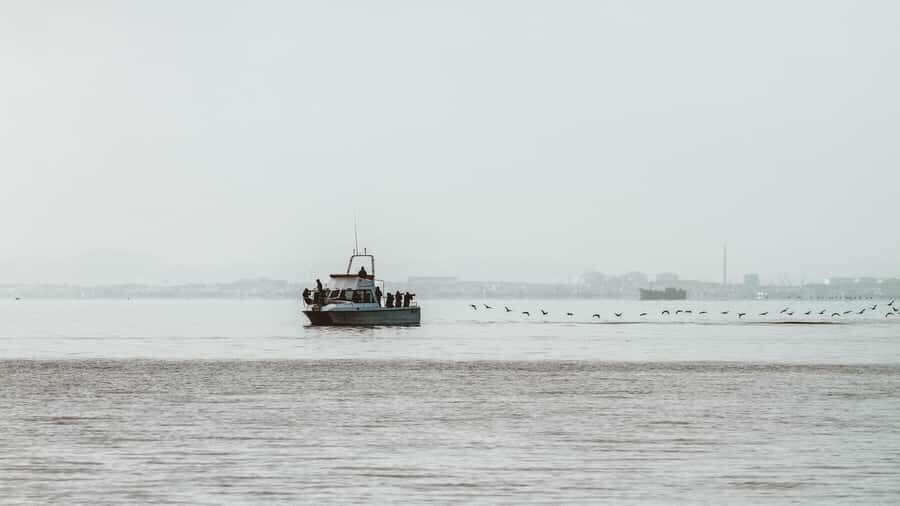
This cruise is built around a simple goal: search the Atlantic waters for dolphin or whale sightings. The key word here is search. You’re going to look, not chase, and that difference affects your mindset. If you go in expecting wildlife to happen on a strict timetable, you’ll feel let down.
What you can control is your approach. Keep your eyes on the water surface, watch for sudden movement, and stay patient when the boat is quiet. The guide’s job is to help you connect what you’re seeing with how the animals behave, so even a slow stretch still feels informative.
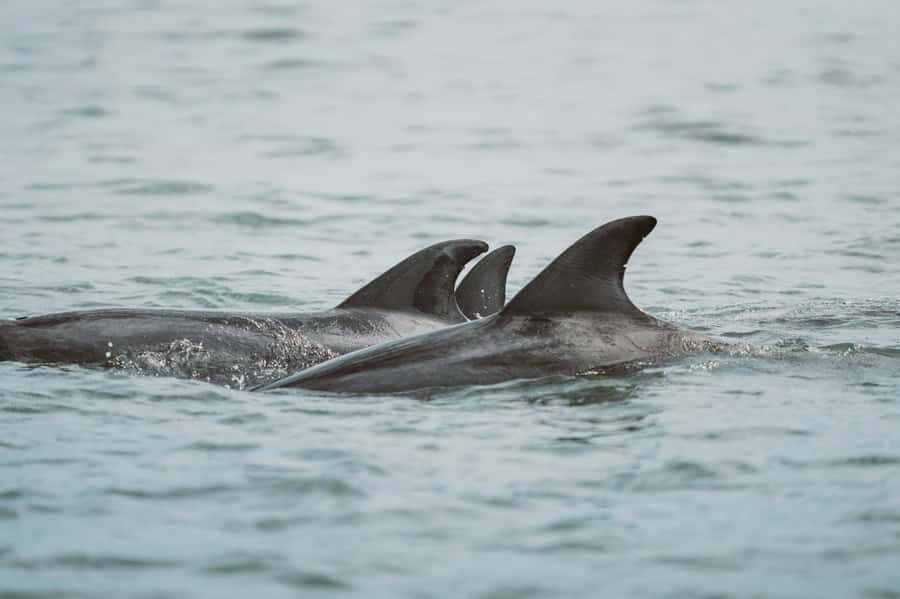
If you’re lucky, you might see larger marine life. One documented highlight from a recent group was a whale sighting (humpbacks were mentioned in feedback), and they emphasized taking the proper distance. That fits the overall tone of the cruise: watch closely, but don’t treat animals like props.
If you’re visiting in cooler months or the wind is up, conditions can make spotting harder. Weather can also shift cruise timing, so bring flexibility. The good news is that even without a dolphin or whale moment, the coast still delivers birds, seals, and great ocean views.
Getting Closer to Pelican Point: Seals, Pelicans, and the Lighthouse View
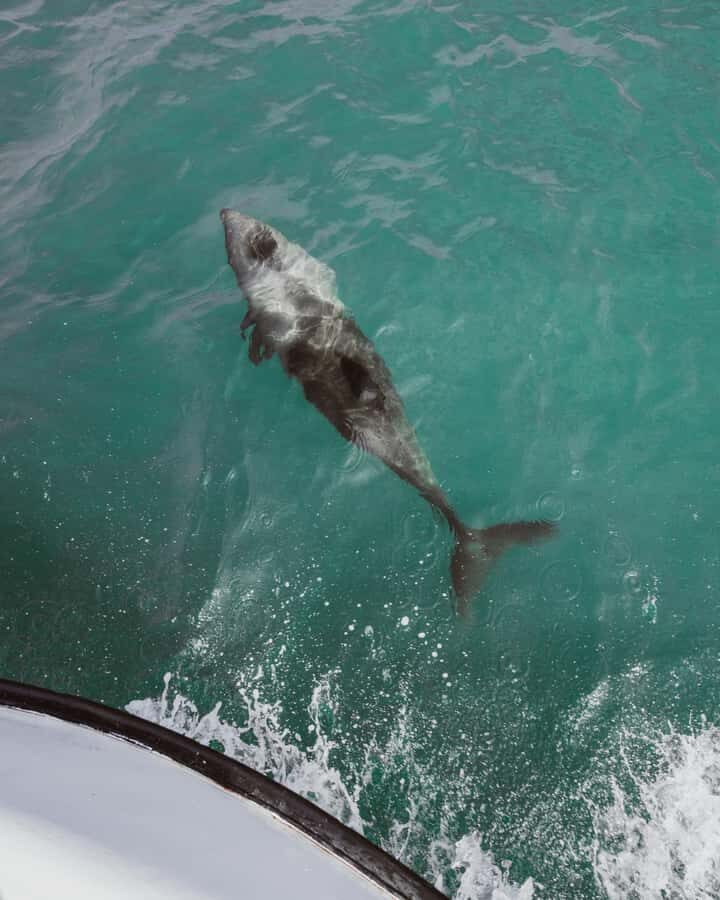
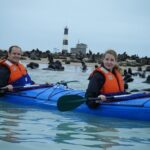
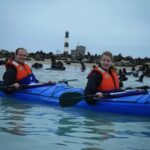
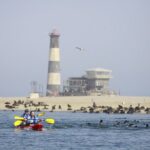
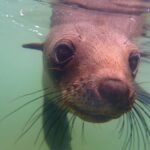
Pelican Point is the signature stop, and it’s also where the numbers get serious. The tour highlights roughly 100,000 seals at Pelican Point, and the whole area becomes a living scene: seals resting, moving, and changing positions as people and boats come and go.
This is also where you see the Pelican Point Lighthouse from a different angle. From the water, the lighthouse feels more anchored and strategic, like it’s part of the coastline’s work—helping navigation while the shoreline does what it does best: hosting wildlife.
One of the strongest themes from feedback is how respectful the crew is with the animals. People noted that they were kept at appropriate distance. That matters because it improves the experience in two ways: you’re less likely to feel like you’re disturbing wildlife, and you’re more likely to see natural behavior instead of stressed movement.
As you drift along the coastline, you’re not just staring. You’re repositioning your view—seal colonies on one side, pelicans in the air, coastline texture below, lighthouse structure in the frame. That drift pacing is a smart way to keep the whole 3 hours from feeling like one long, bumpy search.
Light Lunch on the Beach: Oysters, Skewers, and Sparkling Wine
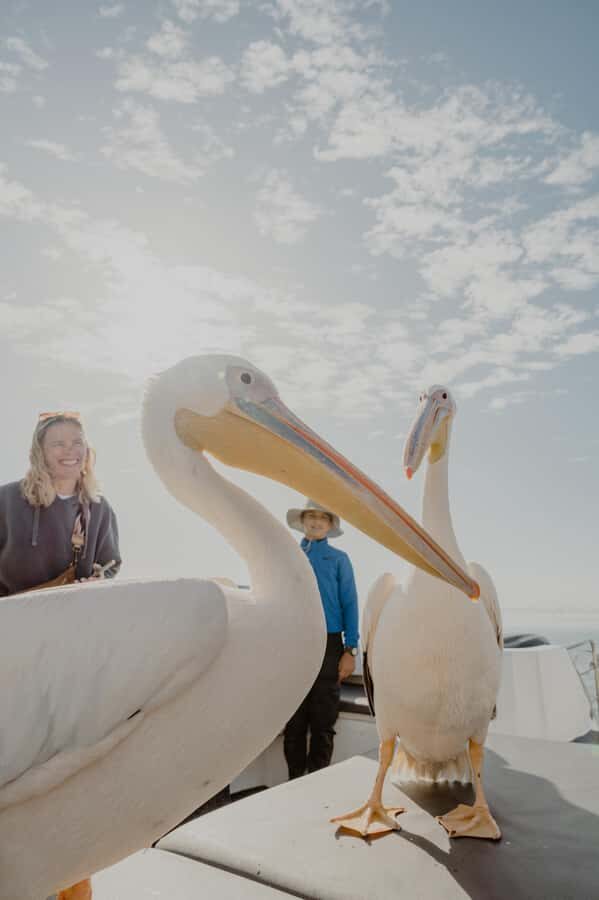
The lunch is a big part of why this cruise works as a half-day plan. Instead of a cramped onboard snack, you get a light meal on the coast while you’re near the wildlife-rich area. That turns the trip into a proper experience, not just transportation plus sightseeing.
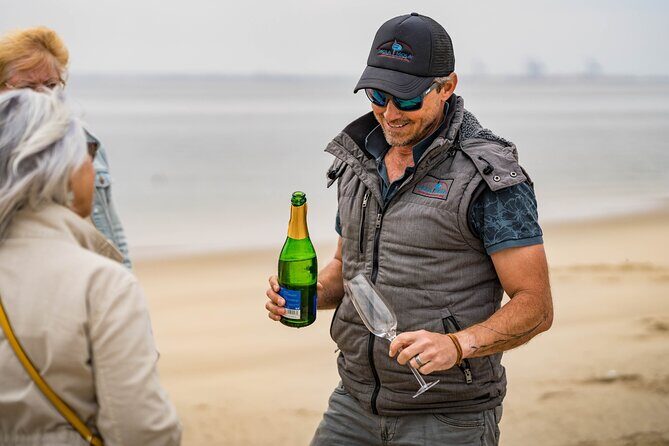
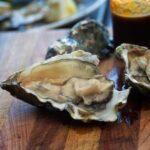
The cruise includes light lunch and beverages. Oysters are specifically mentioned as part of the lunch, and there’s also a glass of sparkling wine included. So even if you don’t drink alcohol, you’ll still be eating something that feels like it belongs on the coast of Namibia.
Feedback gives extra color on what that beach food can look like. One person described a buffet setup that included meat skewers, oysters, and sweets, and they called it very tasty. Another called the lunch phenomenal and noted the reserved spot was beautiful.
So what should you expect? It’s a light lunch, not an all-you-can-eat feast, and it’s designed to keep you moving without making you heavy or sleepy. You’ll want to pace yourself, stay present for wildlife watching, and enjoy lunch as part of the coastal rhythm.
A few more Walvis Bay tours and experiences worth a look


What the 3 Hours Feel Like: Timing, Weather, and Pacing
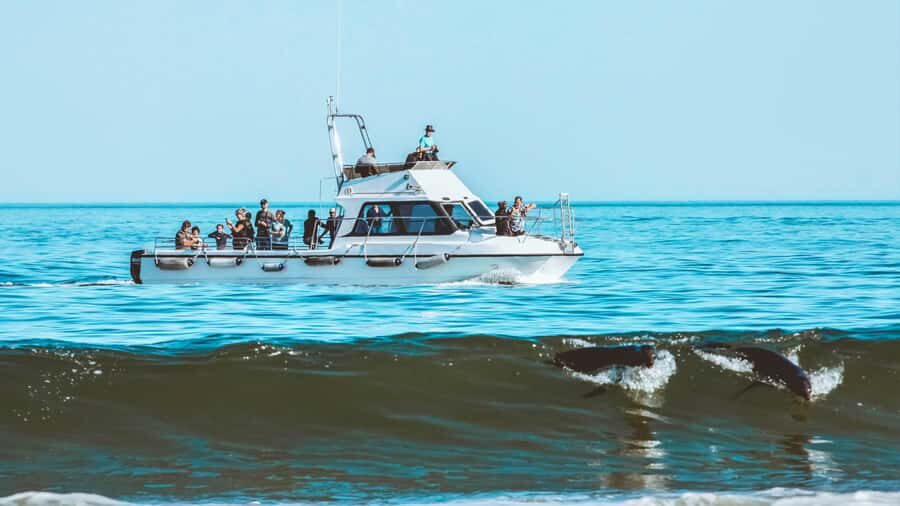
The total duration is about 3 hours, which is perfect for people who want nature without losing a whole day. The pacing is designed around two wildlife-focused phases: time out on the water for dolphins or whales, then time close to Pelican Point for seals and birds.
You’re also protected from the tour feeling chaotic. The structure is predictable: meet at the waterfront, get a warm drink and settle, cruise for sightings, move toward Pelican Point, enjoy the beach lunch, then return to the Walvis Bay Waterfront to end the tour.
The main variable is weather. Tour timings can change due to wind or conditions, and that affects how long you spend offshore versus near Pelican Point. When you book, don’t plan a tight connection right after. Give yourself buffer time in Walvis Bay.
If you’re the type who gets impatient when plans shift, remind yourself that on the Atlantic coast, “the day’s weather” is part of the story. The experience is still built to deliver even when wildlife doesn’t line up perfectly.
Price and Value: Is $155 Fair for This Coast Experience?
At about $155 per person, this isn’t the cheapest thing in town—but it’s also not trying to be. You’re paying for three things that cost real money in practice: a boat ride on the Atlantic, an onboard-to-coast meal setup, and guided interpretation.
The value improves if you care about both wildlife and comfort. The inclusion of light lunch and beverages (plus the warm drink at the start) means you’re not piecing together food plans for the day. And the crew’s focus on explaining what you’re seeing can turn wildlife watching from luck-based into understanding-based.
Also, the Pelican Point angle gives you a high concentration of wildlife in a short timeframe. When you’re paying for time and access, that concentration matters. If you were doing this solo, you’d still need a way to reach the right areas, time your day, and figure out where the best wildlife moments happen.
If you’re traveling as a couple or small group, that efficiency often feels especially fair. If you’re on a strict budget, you can still enjoy Walvis Bay’s scenery and birds without a cruise—but if you want the full “boat plus beach lunch plus Pelican Point” package, this pricing makes more sense.
Who This Cruise Fits Best (And Who Should Adjust Expectations)
This tour fits best if you want a calm, guided wildlife outing with built-in comfort. I’d point you toward it if you’re coming to Walvis Bay mainly for marine life and you prefer learning over wandering. It’s also ideal if you like the idea of a beach lunch tied to the action rather than a generic meal stop.
It’s also a good match if you want flexibility in animal sightings. Dolphins or whales are possible, but the experience doesn’t collapse if they’re not visible that day. You still have seals and pelicans at Pelican Point, plus the lighthouse and coastline views to enjoy.
You might consider another option if your travel style demands a guaranteed specific animal. This cruise is wildlife-dependent, and that’s not a flaw—it’s the ocean. Some days deliver more, some days deliver less.
A small note on comfort and practicalities: pets, baby strollers, and luggage or large bags aren’t allowed. Alcohol and drugs also aren’t allowed on tour, and diving isn’t allowed. If you’re traveling light and mostly want the guided experience, that’s easy. If you’re traveling with bulky items, you’ll need to plan around the rules.
One more real-world detail from feedback: Mola Mola made an effort to accommodate a wheelchair passenger, and when part of it fell into the water, they arranged for recovery with a diver. That suggests the crew’s problem-solving attitude is strong, at least in some cases. You should still check your own needs before booking.
Should You Book This Walvis Bay Dolphin Cruise?
I’d book it if your ideal day includes Atlantic sea air, wildlife close to shore, and a meal that feels like part of the landscape. The best-case version is the combo: boat cruising, seal colonies at Pelican Point, and a lunch that includes oysters plus sparkling wine. Even on less-perfect wildlife days, the coast still provides plenty to watch.
Book with the right mindset. You’re not buying a guaranteed dolphin sighting. You’re buying a well-paced 3-hour wildlife cruise with a guided approach and a genuinely coastal lunch setup. If that’s your goal, this is a very solid value play for the Walvis Bay area.
FAQ
How long is the Walvis Bay Namibian Coast Dolphin Cruise?
It lasts about 3 hours.
Where does the tour meet?
You meet at the Walvis Bay Waterfront, next to Anchors restaurant, in the red and blue building.
Is lunch included?
Yes. A light lunch is included.
What drinks are included?
Alcoholic and non-alcoholic beverages are included, including a glass of sparkling wine with the lunch. You’ll also start with a Namibian coffee or sherry.
Do you get hotel pickup and drop-off?
No. Hotel pickup and drop-off are not included.
What animals might you see on the cruise?
The highlights focus on dolphin or whale sightings while cruising, plus curious seals and regal pelicans at Pelican Point (around 100,000 seals are expected there).
Are pets and large bags allowed?
No. Pets, baby strollers, and luggage or large bags are not allowed.
What items or activities are not allowed on the boat?
Alcohol and drugs are not allowed, and diving is not allowed.
Is the timing affected by weather?
Yes. Tour timings can change due to weather.