REVIEW · KUNENE REGION
Etosha National Park: Himba Village Cultural Tour
Book on GetYourGuide →Operated by Yavola tours and transfer · Bookable on GetYourGuide
A Himba village visit feels like a shortcut to understanding Namibia. This tour pairs a short drive from Etosha’s southern entrance with a guided walk through a traditional village, plus a look at rituals, cattle life, and red ochre. I especially like the small group size and the way the local guide frames everyday routines, not just photo poses. One drawback to keep in mind: the drive time counts, so you’ll want to be ready for a trip that can feel long if you’re expecting hours of village time.
Two things I really like here are the chance to meet villagers through an English-speaking local guide, and the hands-on feel of village stops like cattle kraals and traditional mud huts. I also appreciate that you’re actively supporting the community by buying handmade items if you choose to. The main consideration is respect and realism: this is cultural contact, not a theme show, so come with patience and be sure you’re comfortable with how interaction works in a real village setting.
In This Review
- Key Points You Should Know Before You Go
- Etosha’s Anderson Gate to a Himba Village: What the 150 Minutes Really Feels Like
- What You’ll Learn From an English Local Guide (and How to Get More Out of It)
- The Village Walk: Ovahimba Huts, Courtyards, and Cattle Kraals
- Red Ochre, Marriage Customs, and Rituals: Photographing With Respect
- Dance, Music, and Craft Demonstrations: What Changes by Season
- Price and Value: How $64 Makes Sense (and When to Double-Check)
- Practical Tips That Make the Difference on the Day
- Who Should Book This Himba Village Cultural Tour (and Who Should Skip It)
- Should You Book It?
- FAQ
- Where is the meeting point for the tour?
- How long is the Himba village cultural tour?
- What is the price?
- What is included in the tour price?
- Are meals and drinks included?
- Is the tour conducted from only one entrance to Etosha?
- What language is the guide?
- Is the tour suitable for wheelchair users or mobility impairments?
Key Points You Should Know Before You Go
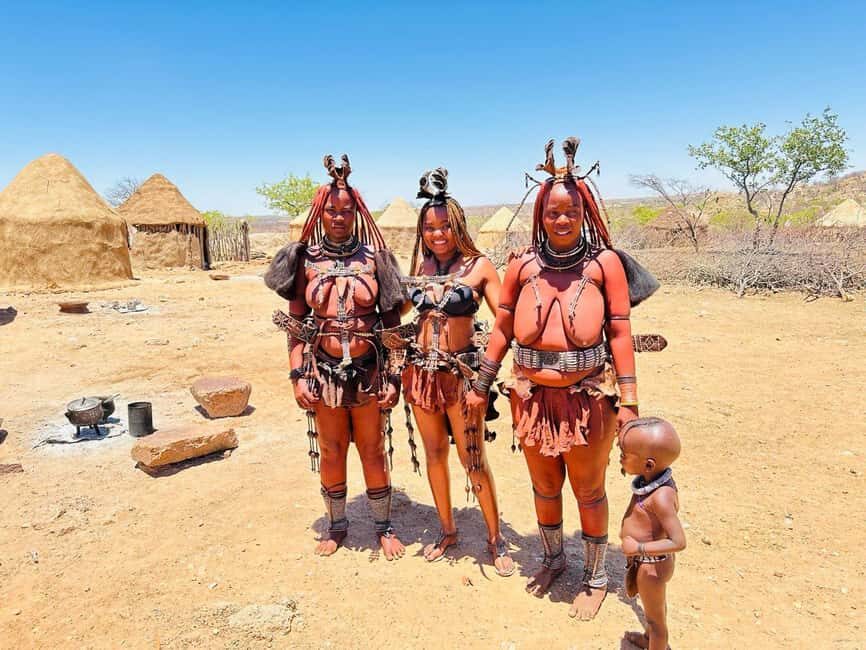
- Small group (max 6): More time for questions and less waiting around.
- Short drive from Etosha: The village is about 40 km from Anderson Gate, with pickup at the gate or nearby lodges.
- Village life you can see: Mud huts (ovahimba), open courtyards, and cattle kraals.
- Rituals and daily routines: You’ll hear about belief systems, marriage customs, and the red ochre/butter beauty ritual.
- Dance and craft stops: Depending on the season, expect dance/music and craft demonstrations.
- Value is in the guide + access: Entrance fees and transport are included, but you still need to bring water and plan on no meals.
Etosha’s Anderson Gate to a Himba Village: What the 150 Minutes Really Feels Like

This experience starts outside Etosha, from the southern entrance area—either at Anderson Gate or at lodges up to 30 km from the gate. It’s designed as a concentrated outing: the total duration is 150 minutes, so the driving time matters. You’re traveling by jeep/SUV, and the village is about 40 km from the Anderson Gate, so expect time spent on the road before you ever step into the village.
Here’s the practical way to think about it: this tour works best if you treat it like a focused cultural stop, not a half-day adventure. If you’re the type who wants slow mornings and long lingering conversations, you may feel slightly rushed. If you like efficient travel—good guide, good access, then back to the park—that brisk format can be a plus.
The upside is that the timing keeps the visit lively. You won’t spend the whole outing stuck in a vehicle with no momentum. And because the group is small, you’re less likely to feel like cattle yourselves—no long lines, fewer delays, and easier movement when you’re walking around the village area.
You can also read our reviews of more tours and experiences in Kunene Region.

What You’ll Learn From an English Local Guide (and How to Get More Out of It)
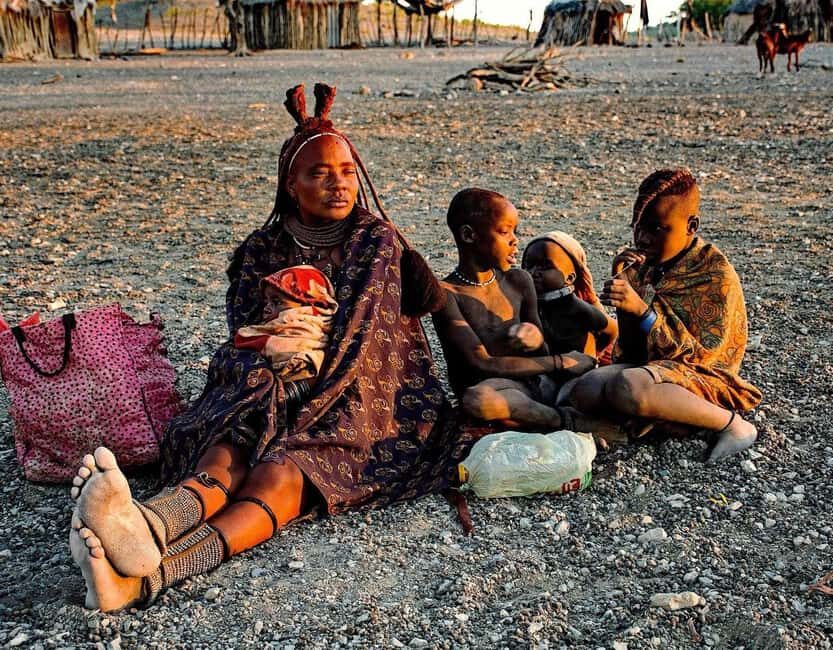
The heart of this tour is the local guide speaking English. The tour description focuses on history, rituals, and daily life, but what that really means for you on the ground is simple: you’ll have a person who can translate culture, not just vocabulary.
You’ll likely hear about:
- Himba social structure and family roles
- Belief systems and spiritual practices
- Marriage customs
- Traditional everyday work like animal husbandry, agriculture, and craftsmanship
And yes, you’ll also get the well-known beauty ritual details—specifically the use of red ochre and butter. Even if you’ve seen photos online, it’s the explanation that changes things. You begin to understand how materials and practices connect to identity and to practical life.
The best way to make this tour worth your time is to show up with a few ready questions. Ask what a typical day looks like for a household. Ask how family and cattle shape decisions. Ask what’s most important to respect during a visit. With a small group, there’s more room for the guide to answer you rather than rushing past everyone.
The Village Walk: Ovahimba Huts, Courtyards, and Cattle Kraals
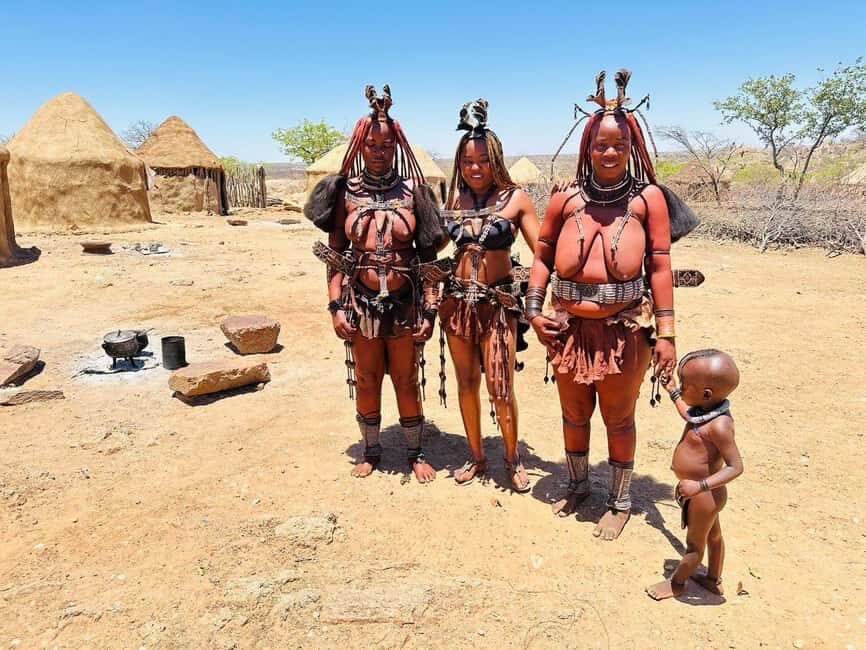
When you arrive, you’re guided through the core of Himba village life: traditional mud huts (ovahimba), open courtyards, and the cattle kraals that are central to daily routines. This is one of the most valuable parts of the experience because it’s visual and practical. You can see what’s being explained—where people gather, where animals are kept, and how space is organized.
A few things to keep your expectations grounded:
- This is a working community, so don’t expect polished, tourist-style pathways.
- You’ll walk around, so comfortable shoes are a must.
- Photo angles matter less than respectful behavior.
If you want strong photos, plan to use your camera thoughtfully. The people are not props. Watch first, then photograph what feels appropriate. And give the guide a moment to translate what you’re seeing before you start snapping. That’s how you get photos that mean something.
Also, focus on details that aren’t just “traditional dress.” Notice how the village layout supports daily life: shared courtyards, family-oriented spaces, and the constant importance of cattle.
Red Ochre, Marriage Customs, and Rituals: Photographing With Respect
One of the standout elements here is the explanation around red ochre—including how it’s combined with butter as part of a beauty ritual. Even if you’ve seen the color in photos, hearing the context helps you understand it as more than aesthetics. It connects to identity, tradition, and the rhythms of life.
You’ll also learn about marriage customs and spiritual practices. Those topics can feel personal, so it’s worth remembering that you’re a visitor. The tone that usually makes these tours work is calm curiosity: listen, observe, and avoid treating explanations like a checklist.
On the photo front, you’ll want to be ready for “timeless beauty” moments—the kind that look like they’ve stayed the same for generations. But you’ll get better results if you:
- Ask before close-ups when you can
- Keep your distance when the guide asks for it
- Don’t block movement in communal areas
If you’re feeling uncomfortable about any interaction, say so calmly to your guide. A good guide will adjust the pace. And in a small group, it’s easier to give everyone a comfortable level of engagement.
Dance, Music, and Craft Demonstrations: What Changes by Season
Depending on the time of year, the tour may include traditional Himba dance and music, as well as craft demonstrations. When that happens, it adds energy and helps you see how culture shows up beyond daily routine.
You may also visit an arts & crafts market and see demonstrations such as:
- Jewelry-making
- Pottery
- Weaving
This is where your expectations matter. The best outcome is not “perfect performance,” but a genuine moment of culture explained in context. Some visits may feel more interactive than others. If dance/music is included, it can be a memorable add-on—especially after you’ve already walked through huts, courtyards, and cattle areas.
And here’s an important practical note: the tour includes an opportunity to support the village by buying handmade goods. That means you’re not just passing through—you’re contributing directly if you choose. If you buy something, do it calmly and fairly. If you don’t, that’s fine too, but don’t make it awkward. A respectful visit is the real souvenir.
Price and Value: How $64 Makes Sense (and When to Double-Check)
The price is $64 per person for about 150 minutes, including transportation, a local guide, and village entrance fees. On paper, that sounds like “just a cultural visit,” but the value comes from three things you don’t always get in similar outings: access, interpretation, and organization for a small group (max 6 participants).
Still, use your head. The drive from Etosha’s Anderson Gate area and back counts. And even when entrance fees are included in the package you choose, it’s smart to confirm exactly what’s covered before you show up. People sometimes get confused by local fees vs tour-included fees, and you don’t want any surprises mid-visit.
Also remember: meals and drinks are not included. That’s not a complaint—it’s just reality. You should bring water and plan ahead. If you want food, bring it. At these locations, dehydration and sun fatigue can sneak up fast.
In short: at $64, this tour is a good value if you care about guided cultural context and you want a small-group experience close to Etosha. If you’re mostly looking for long village time, a slower format might suit you better.
Practical Tips That Make the Difference on the Day
This outing is outdoors and involves walking. Here’s what to take seriously:
Bring
- Comfortable shoes (you’ll walk around the village)
- Hat and sunscreen (sun can be intense)
- Camera (photos are part of the point, if you do it respectfully)
- Water (no drinks are included)
- Food if you want it, since meals aren’t provided
Wear
- Clothes you feel good walking in, with sleeves or sun protection if you’re sensitive.
Know what’s not allowed
- The tour notes restrictions like electric wheelchairs and also bans firework and explosive substances.
And one more practical point: because the visit happens outside the park and only from the southern entrance, it’s easy to lose track of where you’re meeting if you’re bouncing between Etosha lodges and park gates. Double-check pickup time and meeting spot the day before.
Who Should Book This Himba Village Cultural Tour (and Who Should Skip It)
This is a great fit for you if:
- You want a guided cultural experience with an English-speaking local guide
- You enjoy seeing how everyday life works—huts, courtyards, cattle life, and crafts
- You like small groups and prefer questions over crowds
It’s less suitable if:
- You have mobility issues. The tour is not suitable for people with mobility impairments and wheelchair users.
- You hate walking and sun exposure. You’ll be on your feet for parts of the village visit.
- You’re expecting a long, slow, stand-alone cultural day. This is time-managed and brief.
If you’re doing it alongside Etosha game viewing, treat it as a cultural contrast. Safaris are about wildlife and landscapes. This one gives you the human side of Namibia—how people live, work, and keep traditions going.
Should You Book It?
I’d book it if your goal is a short, well-guided window into Himba daily life right by Etosha’s southern entrance. At $64, the combination of transport + local guidance + village access is sensible, especially with a max-6 group and the chance to learn about cattle life, rituals, and craft skills.
Before you book, do two simple things: confirm what’s included (especially village entry and any local extras), and pack for the day—water, sun protection, and walking shoes. If you do that, you’re set up for a respectful, meaningful visit that goes beyond surface-level photos.
FAQ
Where is the meeting point for the tour?
You’ll meet at Anderson Gate Etosha National Park or at lodges within 30 km of Anderson Gate, outside the park.
How long is the Himba village cultural tour?
The duration is 150 minutes.
What is the price?
The price is $64 per person.
What is included in the tour price?
Included are transportation, a local guide, entrance fees to the village, and the chance to support the village by purchasing handmade goods.
Are meals and drinks included?
No. Meals and drinks are not included.
Is the tour conducted from only one entrance to Etosha?
Yes. This activity is conducted only from the southern entrance gate to Etosha.
What language is the guide?
The live tour guide speaks English.
Is the tour suitable for wheelchair users or mobility impairments?
No. It is not suitable for people with mobility impairments and wheelchair users.