REVIEW · KUNENE REGION
Elephant Adventure with Herson – a native of Damaraland
Book on GetYourGuide →Operated by HERSONS ELEPHANT ADVENTURES CC · Bookable on GetYourGuide
Follow Herson into elephant country. This private 4×4 self-drive puts you in charge of the wheel, and the payoff is a close, calm view of desert-adapted elephants in Twyfelfontein. I also like that Herson, a native of Damaraland and a certified elephant guide, explains what you’re seeing as you drive and stop where it makes sense.
The main drawback is simple: this is off-road travel, so a suitable 4×4 with good tires matters, and the drive can be uncomfortable if you have back issues. If off-road driving makes you nervous, go slow, stay relaxed, and don’t expect smooth roads.
In This Review
- Key things to know before you go
- Your 4×4 self-drive with Herson in Kunene Region
- Twyfelfontein riverbed: where desert elephants are often found
- How the 2-hour structure actually plays out in the field
- Elephant viewing: what you can realistically hope to see
- Herson’s guiding style: local knowledge that’s usable
- Off-road reality check: the part you should not ignore
- Who this tour fits best (and who might prefer something smoother)
- Value for money: $25 per person, private access, real searching
- Should you book this Elephant Adventure with Herson?
- FAQ
- How much does Elephant Adventure with Herson cost?
- How long is the tour?
- Where does the tour take place?
- Do I need my own 4×4?
- What kind of vehicle is recommended?
- What animals can I expect to see?
- Is the tour private and in English?
- Is it suitable for people with back problems?
- Can I cancel for a refund?
Key things to know before you go
- Your own vehicle, private pace: You drive your 4×4 and Herson guides you on where and how to drive.
- Twyfelfontein riverbed animal spotting: A dried riverbed full of life is the hunting ground for elephants and other fauna.
- Herson’s local, elephant-raised perspective: He tracks, reads signs, and shares what daily life in Damaraland looks like.
- More than wildlife: You’ll learn about culture and people alongside the animal encounters.
- Great value for the time: At $25 per person for about 2 hours, it’s strong value for a private, guided experience.
- Terrain is the real test: You need off-road tires and confidence in driving on softer sand/riverbed parts.
Your 4×4 self-drive with Herson in Kunene Region
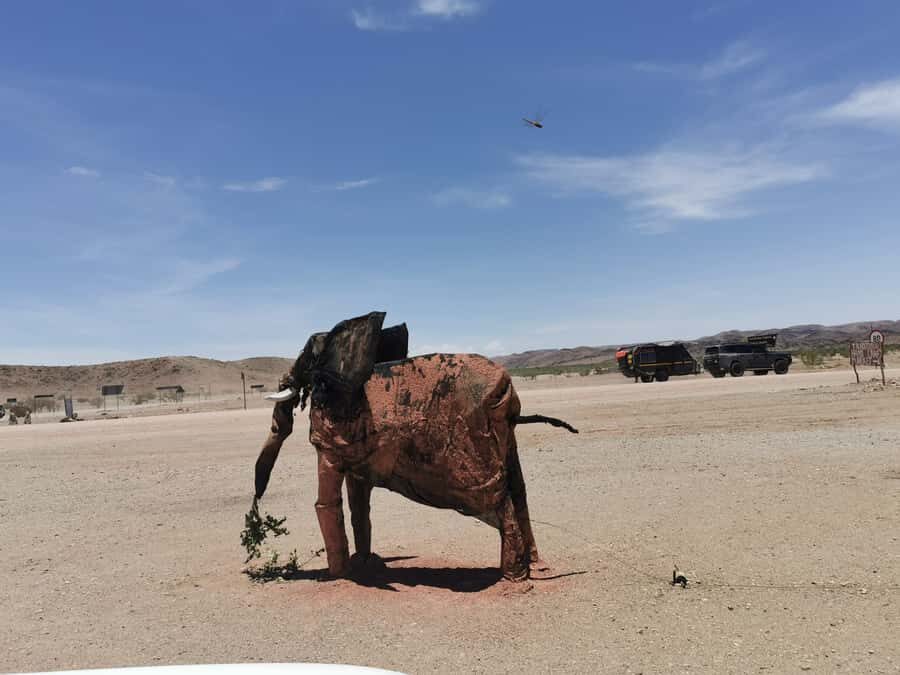
This is one of those Namibia experiences where the setup matters almost as much as the animals. You meet at Herson’s Elephant Adventures spot, marked by a blue banner and a large elephant sculpture made from cans and metal. Then you jump into your own vehicle and Herson takes the role of guide in your seat—meaning you’re not waiting for a slow group pace in a shared safari car.
Why that matters: you get a quieter, more flexible hunt for wildlife. In Damaraland, elephants don’t always show up on schedule. When Herson is steering, you can move with purpose, stop where tracks and signs suggest an encounter, and shift plan when the area calls for it.
And because it’s private, the questions don’t feel like an interruption. You’re not squeezed into a tiny time slot of “one question per person.” If you want to ask about elephant behavior, local culture, or what to look for in the riverbed, Herson can answer in a way that actually fits your pace.
You can also read our reviews of more tours and experiences in Kunene Region.

Twyfelfontein riverbed: where desert elephants are often found
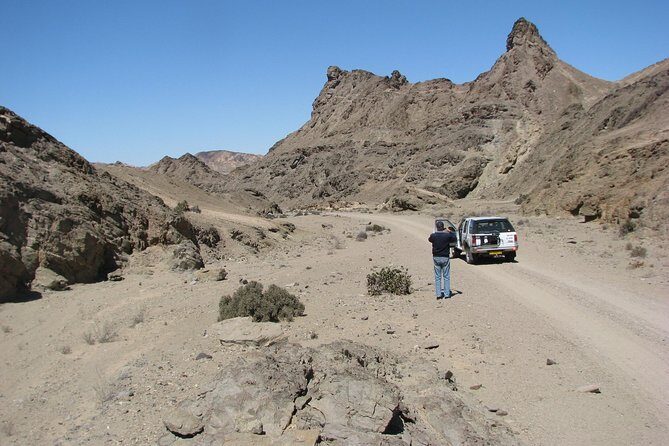
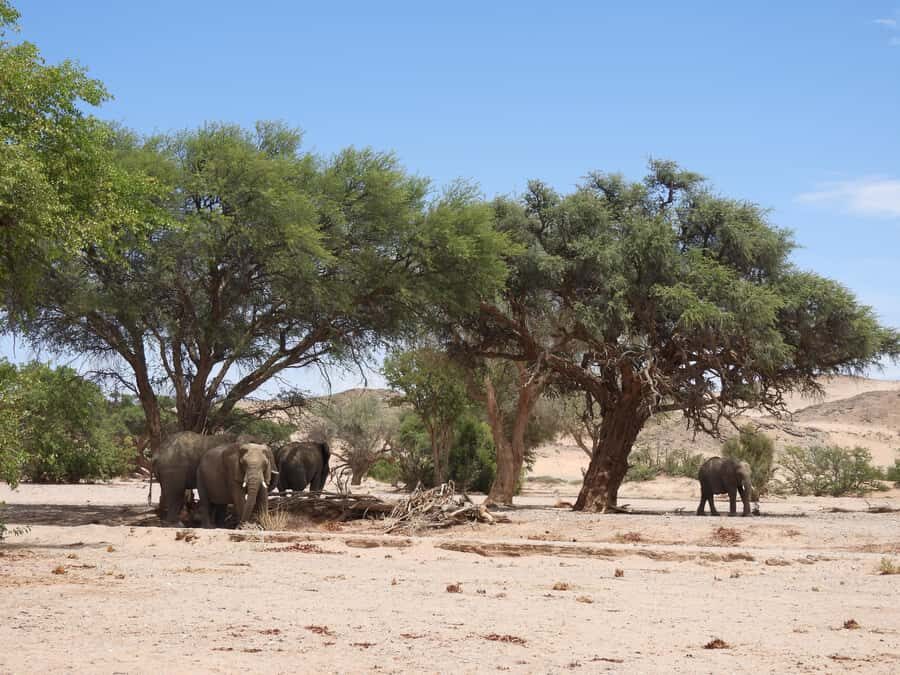
Twyfelfontein is known for its dried riverbed feel—open, sandy, and rough in places—yet it supports a lot more life than you’d expect. For this tour, the riverbed is the stage. You drive into it and focus on elephant sign and movement, and that’s where your best chance comes together.
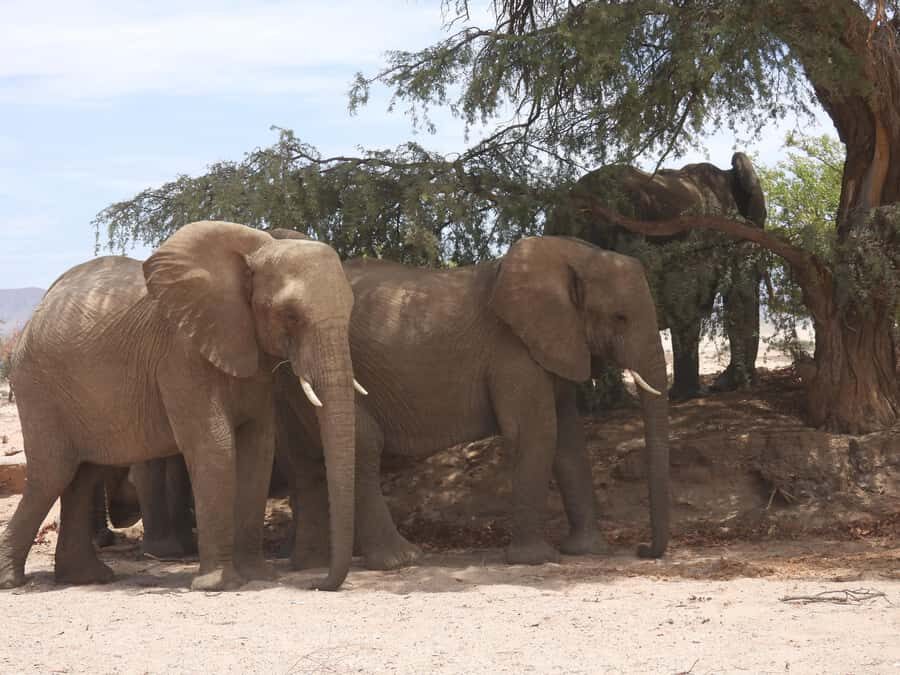
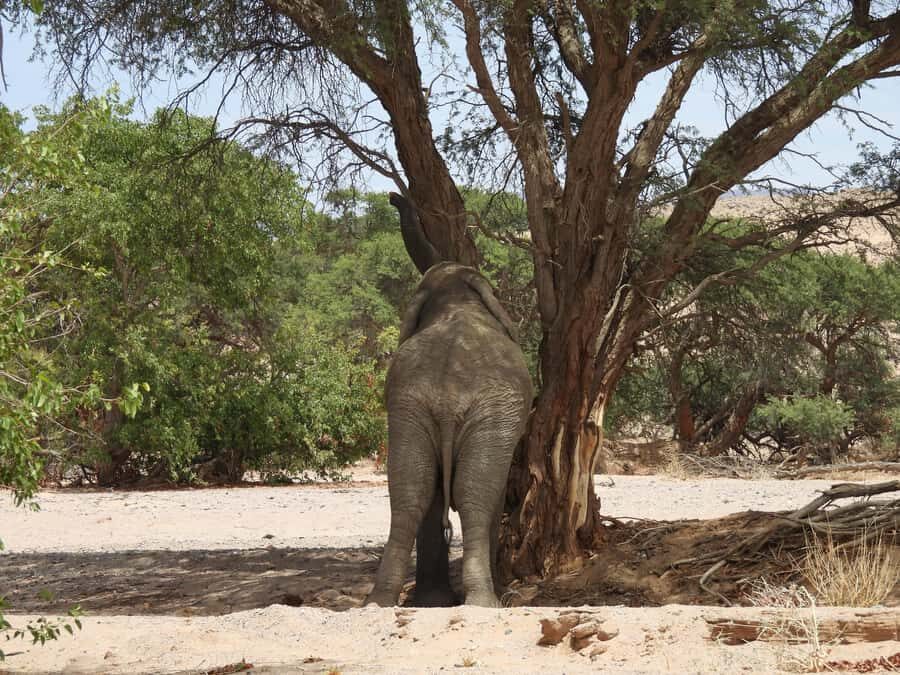
You should think of these as desert-adapted elephants, living with the rhythm of dry conditions. Herson’s explanations tie directly to what you’re seeing: how elephants use their environment, what their paths look like, and why certain spots are worth lingering in. The result is more than a wildlife sighting. It’s an “I finally get it” feeling—because the guide doesn’t just point and smile; he links the animals to the land.
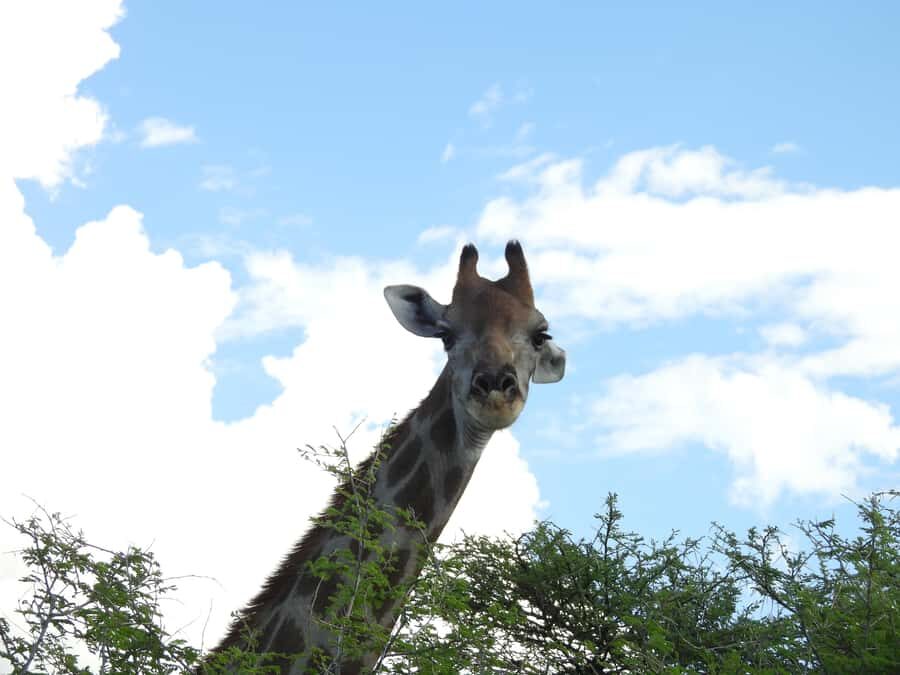
Even when elephants are the star, the riverbed can also offer other fauna. From the experience setup and repeated sightings, you may see animals like giraffes, and you’ll likely spot smaller wildlife too as you drive and scan the area. The key is that you’re not confined to one “viewpoint.” You’re moving through the environment while Herson reads it.
How the 2-hour structure actually plays out in the field
The advertised tour time is about 2 hours, with a guided segment of roughly 90 minutes. In practice, what you do inside that time is simple: drive in, search, observe, and return.
Here’s how it tends to feel on the ground:
- Meeting and briefing
You confirm the car setup and get guidance for how to handle the terrain. Because you’re self-driving in your vehicle, the first minutes are about getting comfortable with the rules of the road here—off-road rules.
- Guided time in the Damaraland / Twyfelfontein area
This is where Herson does the real work: spotting signs, choosing where to go next, and stopping so you can watch elephant families. When encounters are close, the time becomes very “slow down and look” rather than “drive-by photography.”
- Return to the starting point
You head back to the meeting area once you’ve seen what you came for.
One practical note from the way the experience is run: if the elephants are harder to find that day, Herson may use extra time trying to locate them. That’s not a guarantee, but it’s a good sign about effort. In Damaraland, persistence is part of the deal.
Elephant viewing: what you can realistically hope to see
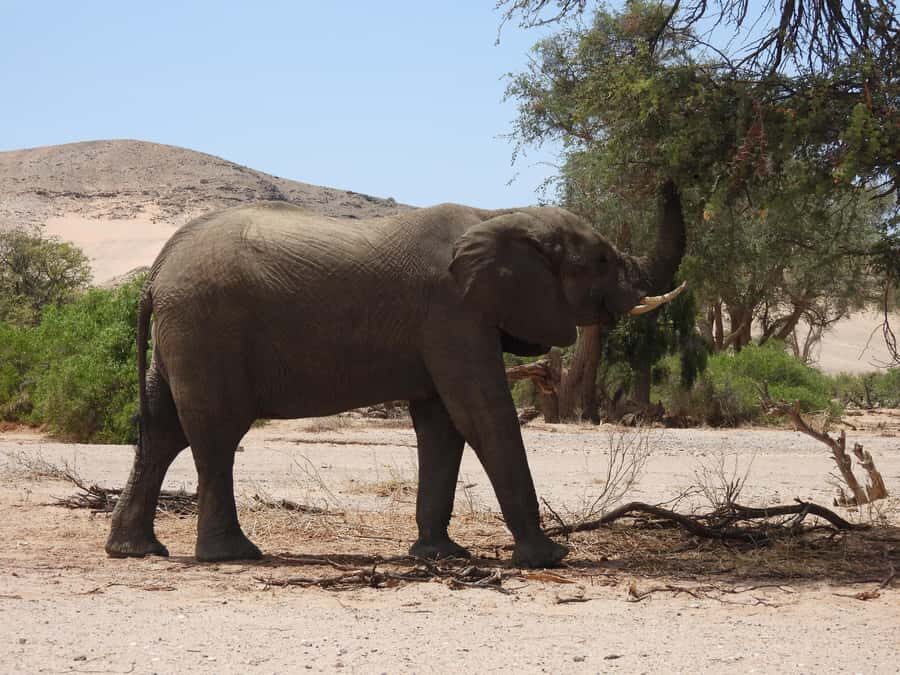
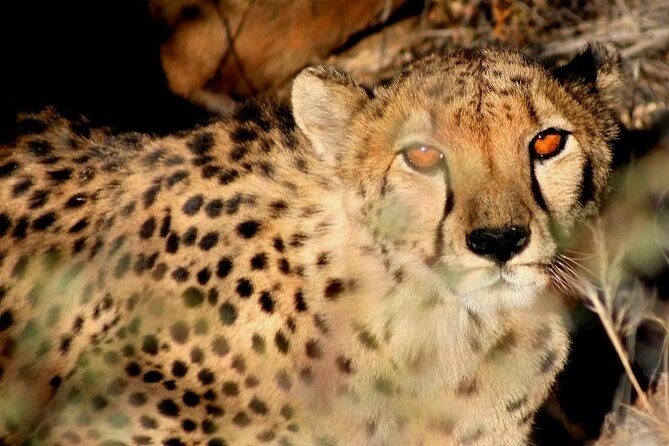
Elephants in Twyfelfontein are often spotted as families. Based on the types of encounters that happen during this tour, you might see a group with calves, including smaller youngsters. Sometimes that happens quickly; sometimes it takes longer as Herson follows tracks and signs.
What I like for planning: you’re not promised a fixed number of animals. You’re promised guided searching, and that’s honest. If the elephant sign is active, you’ll likely get a close, watchable encounter.
Also, because you’re driving your own 4×4, you’re not stuck behind a crowd. You can park in a way that suits the terrain, and that makes observation better. When elephants are calm, watching them move—rather than just “spotting them”—is where the magic happens.
And yes, you may also see giraffes while you’re moving between sightings. Herson uses the drive time for animal awareness, not just transportation.
Herson’s guiding style: local knowledge that’s usable
Herson isn’t just giving facts—he’s translating what you’re seeing into something you can understand in minutes. He’s a native of Damaraland and was raised around elephants, and the difference shows in how he guides.
You’ll notice three things quickly:
- He finds sign fast: tracks and clues lead the plan.
- He keeps you safe on the route: he tells you where and how to drive.
- He stays conversational: you can ask about elephants, nature, and culture, and he answers in an “on the ground” way.
There’s also a personal layer that feels more real than the usual “tour script.” Herson lives modestly near Khorixas and supports his community, including his two school-going children, from this work. He also crafts and sells wooden elephant products. That doesn’t change the animals you see—but it does add meaning to the experience when you meet the person behind it.
Off-road reality check: the part you should not ignore
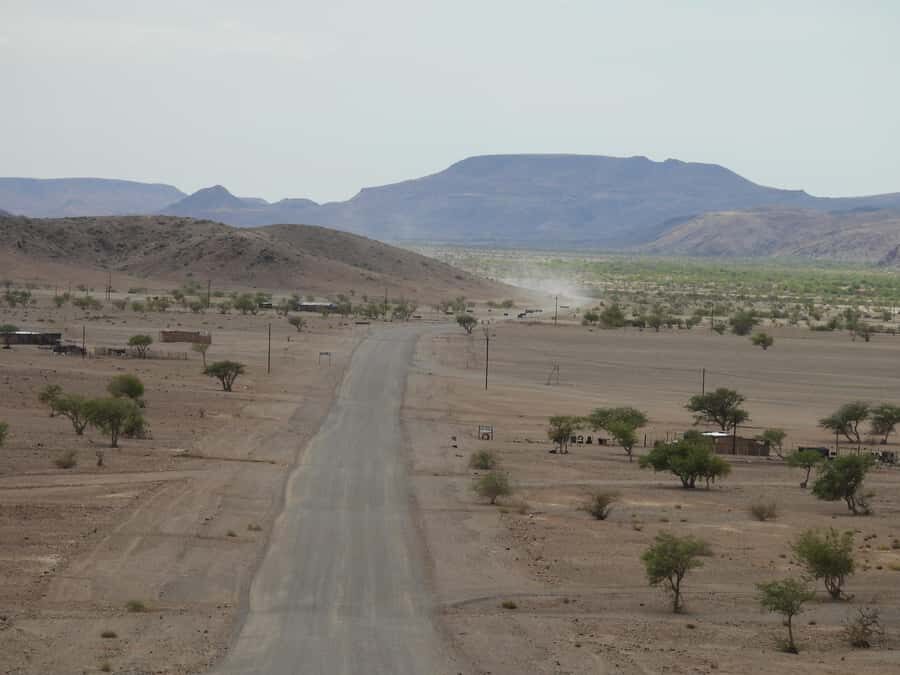
This is the make-or-break detail. The tour requires you to bring your own 4×4 off-road vehicle. The experience notes that you drive yourself, while Herson guides you exactly where and how to drive.
Good candidates include vehicles like a Toyota Hilux, Toyota Land Cruiser, or Nissan Navara. The critical point isn’t the brand name—it’s having an off-road capable car with good tires for the riverbed terrain.
How the driving feels: some parts can be softer sand or riverbed surfaces, and the guide’s technique matters. One practical tip you should take seriously is to avoid stopping in softer parts of the riverbed. The goal is steady movement when conditions require it.
Who should think twice: if you have back problems, this activity is specifically noted as not suitable. Even if you’re technically “fine,” off-road driving isn’t gentle. If you know rough vehicle movement will be an issue, skip this one.
Who this tour fits best (and who might prefer something smoother)
This tour fits best if you want:
- A private wildlife outing instead of a shared bus-style drive
- A guide who talks while you’re in the field, not after you get back
- Hands-on experience in Damaraland’s terrain, because the driving is part of the story
It’s also a good match for families, since the tour is described as tailored for all ages. The biggest limiter still remains the car/terrain comfort issue.
If you’re the type who dislikes off-road driving, or you’re hoping for a comfortable, paved-road outing, you’ll probably find this stressful. The elephant part can be wonderful—but the vehicle part is not optional.
Value for money: $25 per person, private access, real searching
At $25 per person, you’re paying for a private, guided off-road experience focused on wildlife searching in Twyfelfontein. For Namibia, that’s strong value when you compare it to the typical “shared vehicle + fixed route” model.
But value depends on one thing: you must show up ready to drive. If your rental car is under-tired or not suited to rough tracks, the experience becomes harder, and it can even turn into a problem instead of a solution. This is why I’d treat the vehicle requirement as part of the price, not an annoying add-on.
When you have the right car and you’re mentally prepared for off-road driving, $25 feels like a fair deal for what you get: a real guide, real time in the field, and the chance to see elephant families in a place that makes sense for desert elephants.
Should you book this Elephant Adventure with Herson?
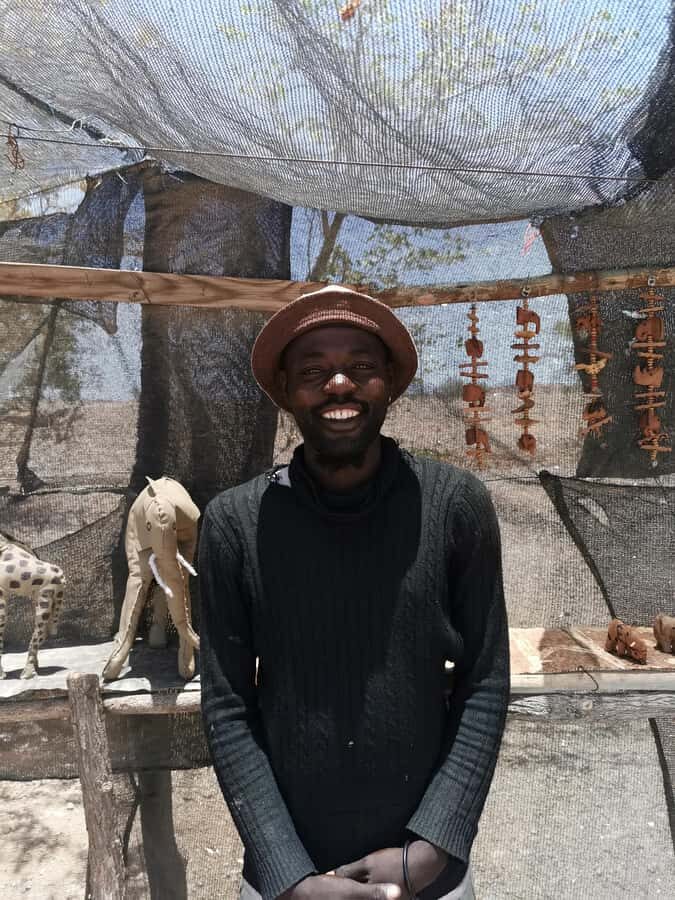
Yes—if you want a private elephant-focused outing and you’re comfortable driving a suitable 4×4 off-road in the Twyfelfontein riverbed. Herson’s local knowledge and effort to track elephants is the heart of the experience, and the private format makes it feel personal instead of rushed.
Skip it if off-road driving is a deal-breaker for you, or if you have back problems, since this tour is not suitable for that. Also, go in with realistic expectations: wildlife sightings are never guaranteed. This tour works because Herson searches intelligently and keeps adapting to what the land gives that day.
If your vehicle situation is solid and you’re ready for the terrain, this is a very good way to experience Damaraland in a way that actually feels like you’re there—not just passing through.
FAQ
How much does Elephant Adventure with Herson cost?
It’s listed at $25 per person.
How long is the tour?
The duration is about 2 hours, with a guided tour segment of around 90 minutes.
Where does the tour take place?
It runs in Namibia’s Kunene Region, with the experience centered on Twyfelfontein in Damaraland.
Do I need my own 4×4?
Yes. You drive your own off-road vehicle, and a good off-road car with good tires is necessary.
What kind of vehicle is recommended?
Vehicles such as a Toyota Hilux, Toyota Land Cruiser, or Nissan Navara are specifically mentioned.
What animals can I expect to see?
Elephants are the main focus, and giraffes may also be seen along the way. Other fauna can appear in the riverbed area.
Is the tour private and in English?
Yes. It’s a private group, and the live tour guide is English.
Is it suitable for people with back problems?
No. The activity is noted as not suitable for people with back problems.
Can I cancel for a refund?
Free cancellation is available up to 24 hours in advance for a full refund.