REVIEW · NAMIB NAUKLUFT NATIONAL PARK
Sossusvlei & Swakopmund Tour: 5 Days
Book on GetYourGuide →Operated by Nali Safaris Namibia · Bookable on GetYourGuide
Red sand hits different. This five-day route pairs world-famous dunes with a relaxed West Coast finish. I love the mix of real physical effort and calm, quiet viewing time, especially at Deadvlei with its stark, ancient dead trees. The one catch is you’ll feel the desert heat—some dune climbs are no joke and you should plan for early starts.
What I like most is the way the day is paced around light and terrain, not just checkboxes. You’ll get soft-morning dune time and later coastal breathing room in Swakopmund, where the Atlantic air feels like a reset. The other big plus is the guide service—Mathias comes up as a standout for making the learning part fun, with a teacher’s energy and jokes that keep you paying attention.
If you’re thinking about this trip, the main consideration is fit. It’s not suitable for children under 6, pregnant women, people with altitude sickness issues, or anyone over 95, and dune climbing requires decent stamina and balance.
In This Review
- Key things you’ll remember
- Why the Windhoek-to-West-Coast Route Makes Sense
- From Khomas Hochland to the Namib: the Drive That Sets the Tone
- Sunrise at Sossusvlei: Soft Light on Huge Sand
- The Big Climb: Dune 45 and Big Daddy Explained
- Deadvlei’s 900-Year-Old Trees: A View With Gravity
- Sesriem Canyon Stops: Classic Namib Erosion Up Close
- Driving Through Gaub and Kuiseb Canyons to Swakopmund
- Swakopmund’s Free Day: Choose Your Pace on the Atlantic
- Hotels, Meals, and the Guide Factor (Mathias Included)
- What to Pack (and What to Leave Behind)
- Who This Tour Suits Best (and Who Should Rethink)
- Price and Value: What You Get Without Extra Headaches
- Should You Book This Sossusvlei & Swakopmund Tour?
- FAQ
- How many nights will I spend in the desert and how many on the coast?
- What major dunes do you climb?
- Is park entry included for the Sossusvlei and Sesriem areas?
- Do meals include breakfast and dinner?
- What can I do during the free day in Swakopmund?
- What should I pack, and are there items I can’t bring?
Key things you’ll remember
- Dune 45 and Big Daddy climbs: tall, steep sand that forces you to slow down and work smarter.
- Sossusvlei at sunrise: soft light that makes the dune shapes look sculpted.
- Deadvlei’s 900-year-old dead trees: an eerie view that connects you to time you can’t measure.
- Sesriem Canyon scenery stops: big, classic Namib erosion shapes plus a break from the dunes.
- Gaub and Kuiseb canyon driving: canyon passages on the way to the coast keep the scenery changing.
- A free Swakopmund day: you can choose flights, drives, or fishing instead of being locked to a schedule.
Why the Windhoek-to-West-Coast Route Makes Sense
This tour is built as a round trip that starts and ends in Windhoek, so you’re not juggling separate hires or complex transfers. You get a clean “two-destinations” plan: the Namib Desert’s iconic dune world first, then Swakopmund on Namibia’s Atlantic coast.
What I like about this structure is how it saves mental energy. Instead of figuring out connections between remote desert areas and the coast, you follow a logical route with a private safari vehicle and a guide each day. That matters because getting it right in Namibia often depends on timing—especially around desert outings.
The other value piece is that key costs are already handled. Park entry fees for the Sossusvlei and Sesriem areas are included, along with guided service, fuel, and bottled still water on board. It’s a quieter way to travel: less admin, more focus on the dunes and the coast.
From Khomas Hochland to the Namib: the Drive That Sets the Tone
Your journey starts in Windhoek and heads southwest through the Khomas Hochland highlands before dropping down toward the Namib Desert. That change in elevation and feel is one of the best parts of early travel days—you’ll feel the world narrow into sand and stone.
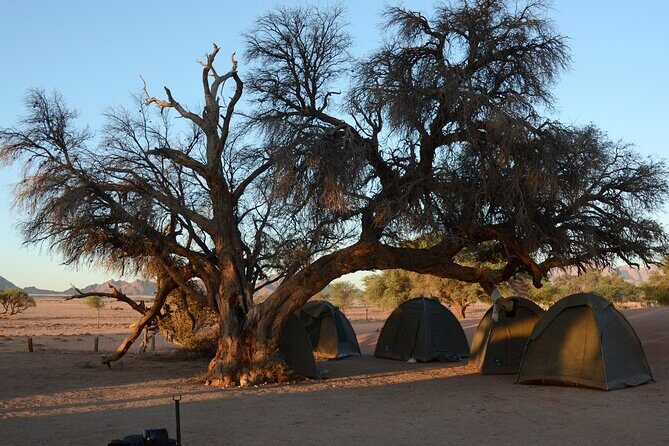
You’ll stop for a picnic lunch along the way, which is more useful than it sounds. In remote areas, having planned food beats “finding something later,” and it keeps you fueled for what comes next. Then you reach the Sesriem area for the night, which puts you close to the dune access points so sunrise isn’t a stressed scramble.
This first stage also helps you understand the terrain. The guide’s job isn’t just driving—it’s setting context for what you’ll see: how the Namib Desert formed, why dunes grow the way they do, and how life manages to survive with so little water.
Sunrise at Sossusvlei: Soft Light on Huge Sand
When you wake up for the Sossusvlei excursion, it’s for a reason: the best dune photos and best dune walking happen before the day turns harsh. The plan is to head out before sunrise, so you catch gentle shadows and a sky that still has color.
This is where the scale hits hardest. The area is known for some of the highest free-standing sand dunes in the world, and you’ll feel it when you step out and look up. Your guide will connect the visuals to the story—how dunes form, and which plants and creatures have adapted to the desert’s extremes.
If you’re used to travel that’s mostly driving and viewing from a vehicle, this is different. You’re spending time on the ground. That’s part of why this feels like an adventure instead of a photo stop.
Practical note: sunrise in the Namib can still be cold before it warms quickly. Wear layers, but don’t overpack—your hands and feet will get busy as you move across sand.
The Big Climb: Dune 45 and Big Daddy Explained
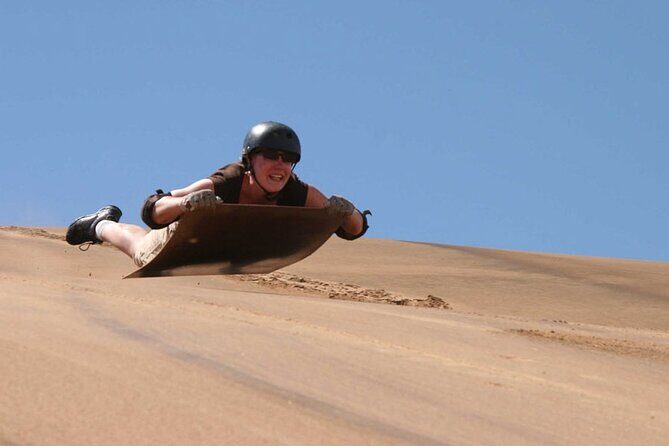
This trip is built around the famous climbs—Dune 45 and Big Daddy—and that’s where your effort pays back fast. These dunes are famous for a reason: they’re steep, tall, and dramatic, with enough elevation to make your legs work and your lungs notice the sand.
The dunes can reach almost 400 meters in height, and the climb energy comes with that number hanging over you. You’ll likely feel heat as the morning progresses, so start early, pace yourself, and focus on steady steps rather than speed.
Here’s how to make the climb easier:
- Keep your breathing calm and consistent on the steeper bits.
- Use small, deliberate steps when sand starts sliding under your foot.
- Stop briefly when you need to reset, instead of pushing through exhaustion.
I also like that this isn’t framed as a stunt. It’s taught with a guide who explains what’s happening and keeps you moving safely. Mathias is singled out for that kind of mix—professor brain for the desert facts, and jokester timing so you don’t get tense while working hard.
Deadvlei’s 900-Year-Old Trees: A View With Gravity
After the dune exertion, you get a scene that changes the mood completely: Deadvlei. The big draw is the view of 900-year-old standing dead trees, rooted in a place that looks almost frozen in time.
This isn’t just a “pretty picture.” It’s one of those locations where your brain slows down. Seeing dead trees still upright, in a desert that seems built to erase everything, forces you to think about water, climate shifts, and survival timescales that are way bigger than your own trip.
A useful tip: bring your eyes for detail. The stark contrast—dark tree trunks against pale sand—makes Deadvlei memorable even in overcast light. If you’re carrying a camera, this is a great place to shoot slowly, not just quickly.
You’ll feel the day’s rhythm here: earlier you climbed and sweated, then you got quiet and watched. That balance is exactly why this route works.
Sesriem Canyon Stops: Classic Namib Erosion Up Close
Between dune zones and travel days, the trip includes the Sesriem Canyon area. This is the kind of stop that makes the Namib feel real, not just iconic.
Canyon scenery is all about edges: layers, cuts, and erosion lines that show you how water (even when it’s rare) can shape rock over long periods. You don’t need a geologist’s degree to enjoy it—just time to look and a guide who can point out what you’re seeing.
Also, canyon stops help break up the driving. Long desert days can blur into one long view of sand and sky, but canyon terrain brings texture and structure. It gives your legs a change in movement, too: less climbing, more walking on firmer ground and taking in the shape of the place.
Driving Through Gaub and Kuiseb Canyons to Swakopmund
Leaving the Namib dune world means switching from “sand in every direction” to a route that keeps the scenery changing. You drive northwest through the Namib Naukluft National Park, including the Gaub and Kuiseb canyons, before reaching the coast near Walvis Bay.
That coast arrival is a shift you’ll feel immediately. Swakopmund has cooler Atlantic air compared with inland desert heat, and you’ll notice it the moment you step outside.
From Walvis Bay, you continue north to Swakopmund and settle into the seaside town for the next two nights. If you want to stretch your legs after desert days, this afternoon time on foot is ideal—walk the waterfront area and reset your body before dinner.
Dinner is planned at a popular restaurant specializing in locally harvested seafood. Even if you’re not a strict foodie, it’s a practical “eat well without thinking” way to handle your first evening on the coast.
Swakopmund’s Free Day: Choose Your Pace on the Atlantic
One day in Swakopmund is intentionally free. This is a smart move because Swakopmund can mean different things to different people: some want adrenaline, some want slow shopping streets and coastal views.
Optional activities that can be arranged include:
- Airplane and microlight flights over the desert
- Scenic drives
- Fishing trips, both from the beach and in a boat
- Other coast-focused activities
What I like about giving you a choice is that it matches how you’ll likely feel after the dunes. If you’re still buzzing from the climbing, you can pick something high-energy like a flight. If you’re more tired than you expected, you can go for a calmer option and still enjoy the coast.
Either way, this day keeps the trip from feeling like nonstop exertion. It’s also where you can catch up on sleep, hydrate, and let your body settle after sand.
Hotels, Meals, and the Guide Factor (Mathias Included)
You’ll stay at Desert Hills Lodge or a similar option on the desert side, then at Swakopmund Sands Hotel or similar along the coast. This matters because locations in these regions aren’t about fancy just to be fancy. They’re about being close to where you need to go next and giving you a comfortable base after long drives.
Meals are included as prescribed in the schedule, including breakfast and dinner on the nights you spend on the route, plus lunch packs during the desert outing. I like that structure because desert days are when “finding food later” can turn into wasted time. Here, you eat so you can move.
The guide service runs daily. That’s not just nice to have—it’s the difference between seeing the desert and understanding it. Mathias is described as a real talent for teaching with energy and staying organized, while also keeping the mood light. If you’re bringing a teenager, that “keep attention” skill can matter more than you’d think.
What to Pack (and What to Leave Behind)
You’ll be outside a lot, so pack for sun first, comfort second, and sand third. Stick to practical items and you’ll be happier on the ground.
Bring:
- Comfortable shoes
- Hiking shoes for sand walking
- Sun hat, sunglasses
- Sunscreen
- Closed-toe shoes
- Camera and comfortable clothes
Also keep in mind the rule set. Drones are not allowed, and the trip also excludes mobility scooters. Alcohol and drugs are not permitted, and you’re expected not to litter. Glass objects aren’t allowed either, so travel with that in mind if you usually carry glass bottles or containers.
These rules aren’t there to spoil fun. They keep the desert and coastal zones cleaner and safer, and they reduce risk in remote areas.
Who This Tour Suits Best (and Who Should Rethink)
This is an adventure-style route with real physical activity. You’ll climb major dunes—Dune 45 and Big Daddy—so you’ll want decent balance and stamina. The desert heat is also a real factor, especially during midday after the morning effort.
It’s not suitable for:
- Children under 6
- Pregnant women
- People with altitude sickness concerns
- People over 95
If you already know you struggle with steep climbs or hot conditions, consider whether you’ll enjoy the challenge—or if another style of desert trip fits you better.
On the other hand, if you like guided learning, early mornings for the light, and the payoff of big views after effort, this route is built for you. The combination of dune work plus Deadvlei’s eerie stillness plus a relaxed coast day is a great blend.
Price and Value: What You Get Without Extra Headaches
Even without a listed price here, you can still judge value by what’s included. This tour covers guide daily service, a tour vehicle with fuel costs, park entry fees for key desert areas, and bottled still water. It also includes international airport transfers (for the way the trip is run) and meals as scheduled.
That’s the value formula: you’re paying for time, planning, and access in remote places. In Namibia, that planning is often the hard part—getting to the right dunes at the right light, and doing it safely with local context.
The free day in Swakopmund also helps value. Instead of being locked into an extra paid activity, you get a choice to keep costs lower or spend on a flight or fishing day if you want.
Should You Book This Sossusvlei & Swakopmund Tour?
Book it if you want a desert trip that includes more than a drive-by view. The dune climbs (Dune 45 and Big Daddy), the sunrise timing for Sossusvlei, and the Deadvlei stop with 900-year-old dead trees make this a high-impact route. Add in Swakopmund’s free day and you get a nice balance of effort and recovery.
Skip it or rethink your fit if you’re not comfortable with steep sandy climbs, you’re heat-sensitive, or you fall into the listed non-suitable categories. This trip is not built for gentle sightseeing only.
If you do book, I’d strongly ask for Mathias when possible. His blend of teaching, humor, and careful guidance is the kind of difference you feel right after the first dune walk.
FAQ
How many nights will I spend in the desert and how many on the coast?
You’ll spend two nights in the Sesriem area (Namib Desert side) and two nights in Swakopmund (West Coast side).
What major dunes do you climb?
The experience includes climbs of Dune 45 and Big Daddy.
Is park entry included for the Sossusvlei and Sesriem areas?
Yes. Entry park fees for the Sossusvlei and Sesriem excursion are included.
Do meals include breakfast and dinner?
Yes. Breakfast and dinner are included as prescribed in the schedule, along with lunch items such as picnic lunch or lunch packs depending on the day.
What can I do during the free day in Swakopmund?
You can arrange optional activities such as airplane and microlight flights over the desert, scenic drives, and fishing trips from the beach or by boat.
What should I pack, and are there items I can’t bring?
Pack sun protection (sunglasses, sun hat), sunscreen, comfortable and closed-toe shoes, and a camera. Drones are not allowed, mobility scooters are not allowed, and alcohol and drugs are not permitted. Glass objects and littering are also not allowed.